
Your cart is currently empty!
AI Data Centers Are Tied To A Staggering Amount Of Water Use Across 7 States
Artificial intelligence may be running on electricity, but a new report suggests there is another resource quietly powering the data center boom: an enormous amount of freshwater. As companies race to build larger facilities packed with increasingly powerful chips, the infrastructure behind AI is creating demands that extend far beyond electricity grids and computer hardware.
Contents
show
An analysis from nonprofit think tank Ceres estimates that data centers across seven major U.S. states depend on around 3.4 trillion gallons of freshwater every year for the electricity that keeps them running. That works out to about 10.4 million acre-feet of water, a figure that has drawn attention because it is larger than the roughly 8 million acre-feet California uses annually for urban purposes, according to a 2021 California Legislative Analyst’s Office report.
The comparison is striking, but there is an important detail hidden inside those numbers. Ceres is measuring water withdrawals and water dependence associated with electricity generation, while the California figure measures water actually delivered and applied to urban uses. Those figures should not be treated as identical measurements, even though the comparison illustrates the enormous scale of the resources connected to America’s data center expansion.
The Water Bill Behind America’s AI Boom
Ceres’ August 2026 report, Water Behind the Watts: The Hidden Risk of Powering Data Centers, examines Virginia, Texas, California, Illinois, Georgia, Ohio and Arizona. These states represent a major portion of the country’s rapidly expanding data center infrastructure, with facilities being built or expanded to support cloud computing, artificial intelligence and other energy-intensive digital services.
The report argues that looking only at the water used inside a data center can hide a much larger part of the industry’s water dependence. Data centers need enormous amounts of electricity, and producing that electricity can require substantial volumes of water depending on the type of power generation involved. The result is a water footprint that can extend far beyond the physical property where the servers are operating.
Ceres says 78% of the electricity in the seven states studied came from power plants that use water to operate. It also found that 66% of the electricity generated using water came from areas facing medium-high to extremely high water stress.
That means the water implications of an AI facility cannot always be understood by looking at its cooling towers or water pipes. A data center may be located in one community while the water associated with generating its electricity is being drawn from another location somewhere within the broader power system.
Why 3.4 Trillion Gallons Needs A Closer Look
The headline comparison with California’s cities sounds straightforward, but the underlying measurements are more complicated. Ceres’ 3.4 trillion-gallon figure reflects the freshwater that data centers in the seven states depend on through electricity generation, including water withdrawn by power plants. A withdrawal can involve water being taken from a river, lake or aquifer and later returned to the environment.
That is different from water consumption. Consumed water is generally water that is removed from the immediately available supply and not returned in the same form or within the same timeframe. The distinction becomes particularly important when comparing Ceres’ estimate with California’s urban water figure, because the two studies are measuring different aspects of water use.
Ceres acknowledges this distinction while arguing that withdrawals remain an important indicator of exposure to water risk. The report states that “withdrawal reflects the full volume an asset depends on to operate.”
The difference is especially relevant when hydroelectric power is involved. Water used to generate electricity does not necessarily disappear from the system, meaning a large withdrawal figure does not automatically translate into the same amount of water being permanently consumed.
The Ceres analysis focuses on seven states that have become major centers of America’s data center expansion. Each has a different combination of electricity infrastructure, climate conditions, water availability and demand from other industries, which means the consequences of additional data center development can vary considerably from one location to another.
The states included in the analysis are:
- Virginia: One of America’s largest data center hubs, with rapidly expanding electricity demand and a dense concentration of facilities.
- Texas: A major destination for new computing infrastructure, with substantial regional differences in water availability and growing electricity demand.
- California: A technology powerhouse facing longstanding water-management challenges and pressure on several major water systems.
- Illinois: A growing data center market that forms part of the expanding Midwest technology infrastructure.
- Georgia: A significant destination for data center investment where additional facilities are increasing demand for electricity and infrastructure.
- Ohio: One of several states experiencing rapid growth in data center development as companies look beyond traditional technology hubs.
- Arizona: A particularly sensitive case because parts of the state already face severe water constraints and prolonged drought conditions.
The geography matters because water is intensely local. A gallon withdrawn in an area with plentiful supplies does not necessarily create the same pressure as a gallon withdrawn from a river basin or aquifer already experiencing serious shortages.
Ceres says most of the electricity generated for data centers in the seven states comes from plants located in areas experiencing water stress or drought. That makes the location and source of electricity just as relevant to the discussion as the location of the data center itself.
The AI Water Numbers Do Not All Match
There is another reason to be cautious with the 3.4 trillion-gallon headline. Other research has produced significantly different estimates of how much water data centers actually consume, particularly when researchers distinguish between direct consumption and broader water withdrawals connected to electricity generation.
Research from Arizona State University using 2024 Lawrence Berkeley National Laboratory data estimated indirect water consumption from U.S. data centers, including water associated with electricity generation, at about 650,000 acre-feet annually nationwide, according to the supplied reference. That number is substantially lower than Ceres’ 10.4 million acre-feet figure for seven states.
The difference does not automatically establish that one estimate is correct and the other is incorrect. Different studies can use different definitions, datasets, geographic boundaries and methodologies. The Ceres report is specifically interested in water dependence and withdrawals, while other analyses can focus more narrowly on water that is actually consumed.
That distinction becomes particularly important when a single number is turned into a viral headline. Saying data centers “use” 3.4 trillion gallons can leave readers with the impression that all of that water disappears permanently. The report itself provides a more complicated picture.
The Electricity Source Changes Everything
Not every data center has the same water footprint because the electricity supplying it can come from very different sources. The amount of water associated with electricity production depends on the type of generation involved, the cooling technology being used and the conditions of the particular facility.
Ceres found that 78% of electricity across its seven-state study area came from water-using power plants. That means the environmental footprint of a data center cannot always be calculated simply by measuring how much water flows directly into the building.
Hydroelectric generation is an obvious example of why the numbers require context. Water can be diverted or moved through infrastructure to produce electricity and then continue downstream, meaning the volume associated with generation is not necessarily equivalent to water permanently removed from the available supply.
Thermal power plants can have different water requirements depending on their cooling systems, while wind and solar generation generally avoid the same operational water demands associated with many conventional power plants. The electricity mix therefore has a major influence on the overall water footprint attached to computing.
Cooling Is Only Part Of The Equation
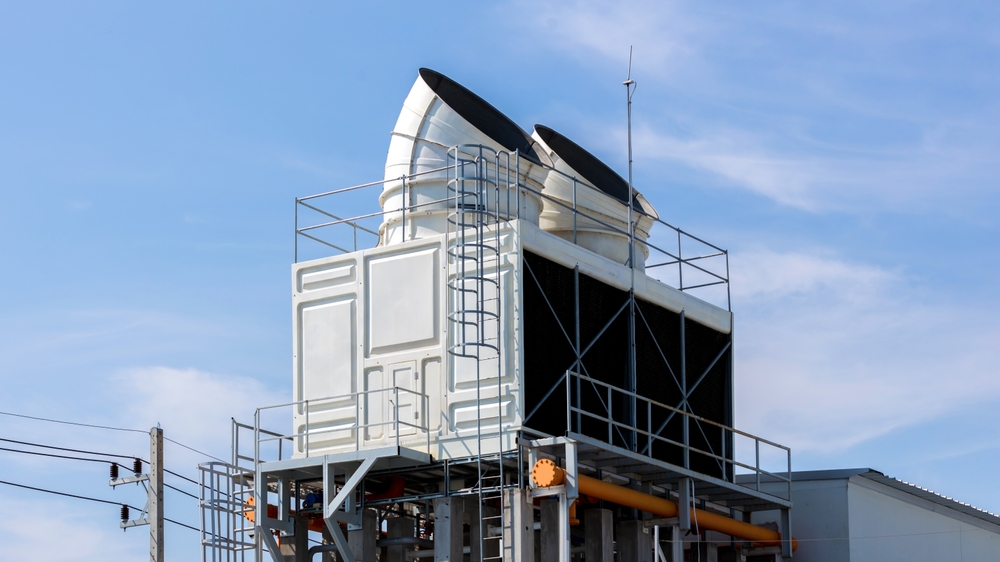
Data centers have been exploring cooling technologies that can reduce direct water demand. More efficient cooling can lower the amount of water needed inside the facility, particularly as operators look for ways to build larger computing campuses in regions where water is already under pressure.
But reducing onsite cooling demand does not automatically eliminate the water associated with electricity generation. If a facility receives electricity from water-intensive power plants, part of its broader water footprint remains outside the data center’s walls.
That is why Ceres describes power generation as the “biggest and least visible” water use associated with data centers. The electricity powering an AI system can carry a water footprint that consumers never see when they interact with the technology.
Water Stress Is Already Creating Conflict
The debate is becoming particularly sensitive in regions where water supplies are already under pressure from drought, population growth, agriculture, industry and other demands. Ceres says local opposition based on water and grid concerns disrupted $130 billion in data center projects during the first quarter of 2026 alone.
The Colorado River provides another example of the broader pressure facing the American West. The two largest reservoirs on the river have reached historically low levels in recent years, increasing concerns about water supplies and the electricity systems that depend on the river.
Arizona and California are both connected to the Colorado River system, making water availability an increasingly important consideration for large infrastructure projects in the region. When a new data center is proposed, communities therefore have to consider more than the jobs, investment and tax revenue that may accompany the project.
The Pressure Is Not Just Environmental
Water availability can also become an operational and financial issue for companies building data centers. A facility that cannot reliably access the resources required to operate faces a very different risk profile from one located in an area with abundant water supplies and a resilient electricity system.
Ceres identifies water-related operational, regulatory and reputational risks for data centers and power producers operating in water-stressed regions. Those risks could become more significant as AI companies continue building larger facilities designed to handle increasingly demanding workloads.
For communities, the question is also about competing uses. Water that supports a new industrial project exists alongside water needed by households, farms, ecosystems and existing businesses. How those demands are balanced can become a major issue before a project is ever completed.
Ceres Says The Industry Needs Better Accounting
Ceres is calling for data center operators to disclose both direct water use and the water embedded in the electricity they purchase. The idea is that companies and communities should be able to see the broader resource requirements associated with large computing projects rather than focusing exclusively on water consumed at the facility itself.
Its co-author Shama Perveen described the challenge as one that cannot be addressed by a single group. “No single stakeholder can address these challenges alone,” Perveen said.
The organization is also calling on power producers, investors and policymakers to account for water stress when planning new infrastructure. That could involve examining where new electricity generation will be located, which technologies will be used and whether local water supplies can support additional demand.
Among the measures Ceres recommends are:
- Better disclosure: Companies should report both onsite water use and water associated with purchased electricity so communities can understand the broader resource footprint.
- Smarter planning: Power producers should consider water risks when planning infrastructure for rising data center demand, particularly in regions already facing drought.
- Lower-water technologies: Policymakers can encourage electricity sources and technologies that require less water where appropriate.
- Local coordination: Developers, utilities, water managers and communities can work together before new projects are approved.
The recommendations reflect a basic problem with the current AI buildout: the infrastructure required to support computing can stretch far beyond the boundaries of the data center itself.
The AI Boom Is Creating A New Resource Question
Ceres projects that water used for power generation could account for as much as 72% of total U.S. data center water consumption by 2030, even as cooling inside facilities becomes more efficient. That projection refers specifically to the share of data center water consumption attributed to electricity generation under Ceres’ analysis, rather than suggesting that data centers will consume 72% of America’s freshwater.
The distinction matters because water accounting can produce dramatically different headlines depending on whether researchers measure withdrawal, consumption, direct facility use or indirect use from electricity generation. The 3.4 trillion-gallon figure is therefore best understood as a measure of water dependence and exposure rather than a claim that all 3.4 trillion gallons are permanently consumed by data centers.
Still, the underlying issue is difficult to ignore. AI requires enormous computing infrastructure, and enormous computing infrastructure requires enormous amounts of energy. In many parts of the United States, producing that energy is connected to water.
Ceres senior program director Kirsten James said, “Better planning starts with understanding the full scope of data center water dependency and impacts, including the water needed to make electricity to power them.”
The AI industry has spent years talking about chips, servers, electricity and computing capacity. Water is increasingly becoming part of that same infrastructure conversation.
The next major AI facility may need more than enough land, power and hardware. It may also need a convincing answer to a much older question: where will the water come from?