
Your cart is currently empty!
Airports Forced to Change Scanners After Shocking Truth Revealed
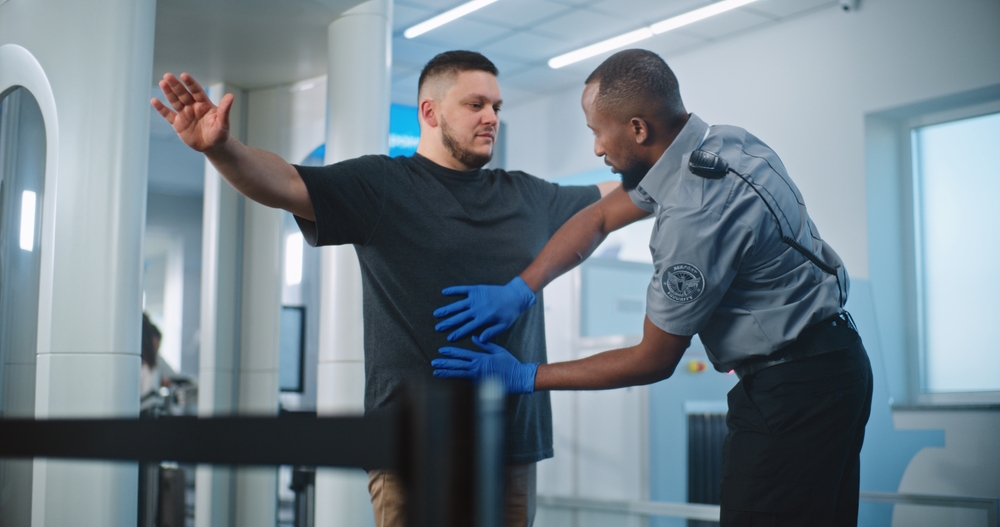
Air travel has long been associated with tight security, long queues, and a quiet understanding that certain compromises are necessary to keep passengers safe. Most travelers step into airport scanners expecting nothing more than a routine check for metal objects or forgotten items in their pockets. What many did not realize, however, was that for a period of time, those machines were capable of revealing far more than anyone had anticipated.
Contents
show
For a few controversial years, airport scanners in the United States effectively allowed security personnel to see passengers in a way that many later described as deeply invasive. These devices, introduced in the wake of heightened fears around terrorism, quickly became one of the most debated security measures in modern aviation history.
A Security Crisis That Changed Everything
The introduction of advanced body scanners did not happen in a vacuum. It was driven by a series of alarming incidents that exposed the limitations of traditional airport security systems.
In 2001, Richard Reid attempted to detonate explosives hidden in his shoes aboard an American Airlines flight. Although he was ultimately subdued, the event exposed a major vulnerability. Security systems at the time were primarily designed to detect metallic objects, leaving room for non-metallic threats to slip through.
Years later, in 2009, another incident intensified concerns. Umar Farouk Abdulmutallab attempted to detonate explosives concealed in his underwear on a flight bound for Detroit. The device malfunctioned, catching fire instead of exploding, and passengers quickly intervened to stop him. While the attack failed, it sent shockwaves through global aviation security systems.
According to LADbible, security agencies in the United States were thrust into a state of urgency following the incident. There was immense pressure to implement new technologies that could detect threats hidden directly on the human body rather than just metallic items.
The Rise of Rapiscan Technology
In response to these growing concerns, airports across the United States began deploying advanced imaging scanners developed by Rapiscan. These machines were introduced around 2010 and represented a significant leap forward in detection capabilities.
Each unit reportedly costs around $180,000, reflecting both the urgency of their deployment and the complexity of the technology involved. The scanners used imaging techniques that could identify objects hidden beneath clothing, offering a level of detail that traditional metal detectors simply could not provide.
Security consultant Will Geddes explained that older systems were fundamentally limited. They could detect metal, but could not determine whether a person was carrying non-metallic items attached to their body. This gap in capability became impossible to ignore after the 2009 incident.
The Rapiscan scanners appeared to solve that problem. They provided a way for security officers to examine the body itself, identifying concealed items regardless of their material composition. From a purely technical standpoint, it was a breakthrough.
However, that breakthrough came with consequences that few had fully anticipated.
When Security Crossed Into Privacy
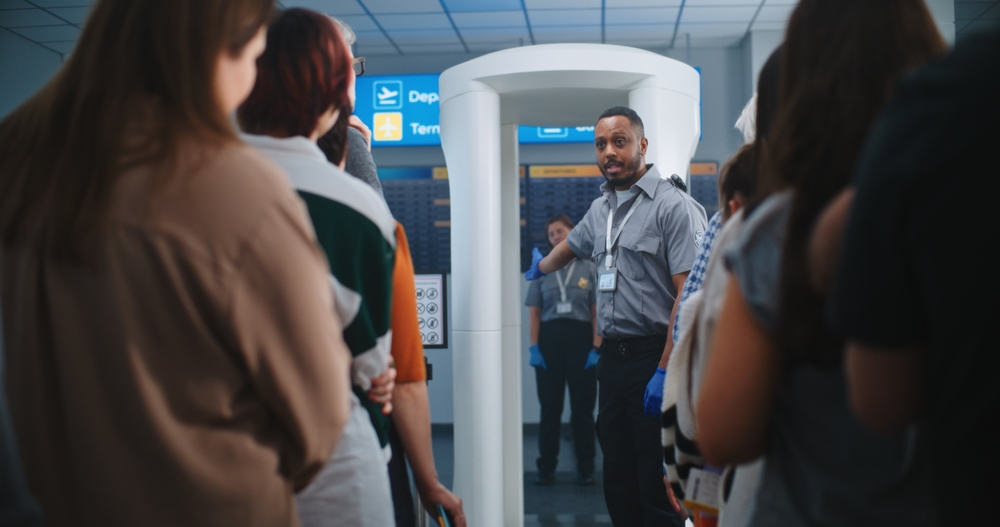
Almost as soon as the scanners were introduced, concerns began to emerge. While the machines were effective at detecting hidden objects, they also produced highly detailed images of passengers’ bodies.
These images did not simply highlight potential threats. Instead, they revealed the full outline of a person’s body in striking detail. Many travelers described the experience as equivalent to undergoing a virtual strip search.
Reports quickly surfaced that security officers viewing the scans could see passengers as if they were completely naked. This led to widespread discomfort and outrage. The nickname “virtual strip tease” began to circulate, capturing the public’s unease in stark terms.
Communications researcher Shawna Malvini Redden noted that early versions of the scanners were deployed without adequate privacy protections. Officers could view detailed images that left little to the imagination, raising serious ethical and legal concerns.
The backlash was swift. Travelers began questioning whether such invasive measures were justified, even in the name of security. For many, the experience felt less like protection and more like a violation of personal dignity.
Public Outcry and Growing Pressure
By 2012, criticism of the scanners had reached a tipping point. Advocacy groups, privacy experts, and everyday travelers voiced their concerns, arguing that the technology had gone too far.
The debate was not limited to privacy alone. Some experts also raised questions about the broader implications of deploying such advanced imaging technologies without fully understanding their impact.
Discussions extended into scientific and medical communities as well. Certain types of scanners rely on backscatter X-ray technology, which uses radiation to create images. While officials maintained that exposure levels were minimal, some researchers expressed concerns about cumulative effects, particularly for frequent travelers and airport staff.
An analysis published in the British Medical Journal highlighted the uncertainties surrounding these technologies. It noted that while the risk from a single scan might be low, repeated exposure could present long-term concerns that were not yet fully understood.
At the same time, the financial scale of airport security was expanding rapidly. According to industry data, security operations had grown into a multibillion-euro sector, employing a significant portion of airport staff worldwide. The rapid adoption of new technologies reflected both the urgency of security demands and the immense resources being invested.
The Deadline That Changed Everything
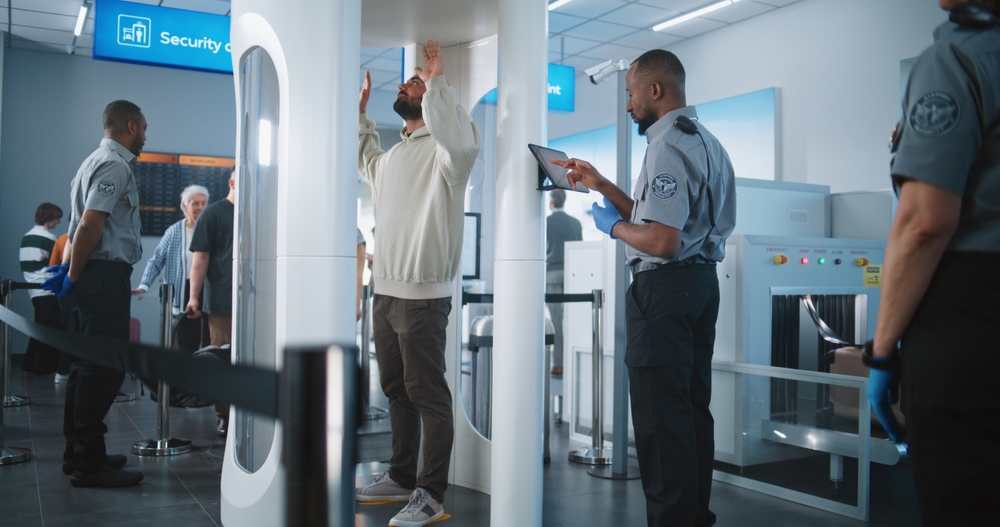
Faced with mounting criticism, authorities took action. The Transportation Security Administration set a firm deadline for Rapiscan to modify its technology.
The requirement was clear. The scanners needed to implement Automated Target Recognition software, which would replace detailed body images with generic outlines. Instead of showing a person’s full body, the system would highlight only areas that required further inspection.
This approach aimed to strike a balance between security and privacy. Travelers would still be screened effectively, but without the intrusive imagery that had sparked widespread backlash.
However, Rapiscan was unable to meet the deadline set for June 2013. As a result, the TSA made a decisive move. It terminated part of its contract with the company and began removing the scanners from airports.
According to official statements, all security equipment had to meet strict requirements for both effectiveness and passenger dignity. Machines that failed to comply would not be used.
A New Era of Airport Screening
By mid-2013, the controversial scanners had largely disappeared from U.S. airports. They were replaced by newer systems developed by other manufacturers, including L-3 Communications, which incorporated privacy-focused software from the outset.
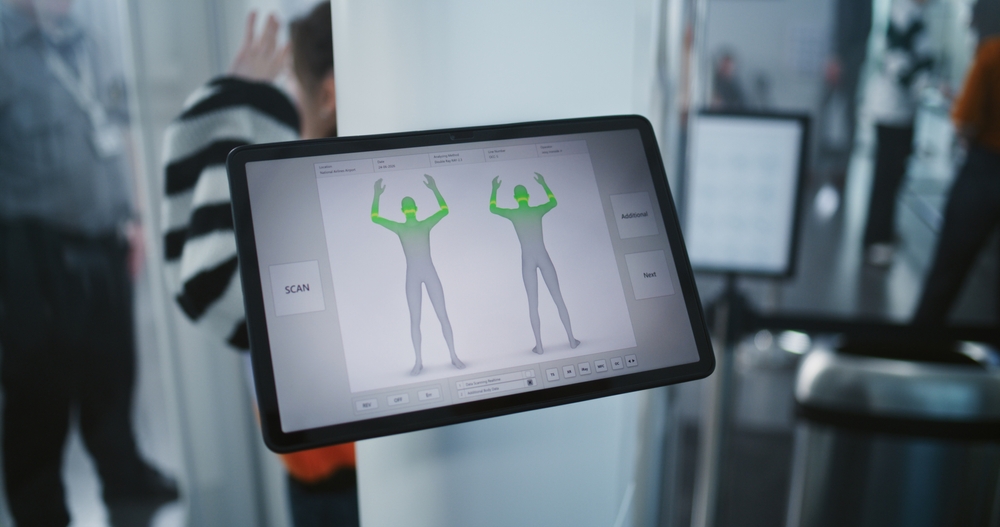
These updated machines operate differently. Instead of displaying detailed images, they present a standardized human outline. If a potential threat is detected, the system highlights a specific area for further inspection.
This change not only addressed privacy concerns but also improved efficiency. According to official statements, the new systems allowed for faster processing times, reducing delays at security checkpoints.
Travelers were also given more options. In many cases, individuals could choose alternative screening methods if they were uncomfortable with the technology.
The Bigger Picture Behind the Technology
The controversy surrounding airport scanners reveals a deeper challenge that extends beyond aviation security.
It highlights the difficulty of balancing safety with individual rights in an era of rapidly advancing technology. When new threats emerge, there is often pressure to act quickly. Decisions made under such conditions can lead to unintended consequences.
Security expert Will Geddes suggested that urgency played a significant role in the adoption of the Rapiscan scanners. Agencies were focused on addressing immediate risks and may not have fully considered the broader implications of the technology.
This pattern is not unique to aviation. Across various sectors, technological solutions are often implemented quickly in response to crises, only to be refined or replaced later as their limitations become clear.
Lessons Learned From the Scanner Debate
The rise and fall of the Rapiscan scanners offer several important lessons.
First, transparency matters. Public trust is essential when implementing measures that affect millions of people. Without clear communication, even well-intentioned policies can face significant resistance.
Second, privacy should not be treated as an afterthought. Integrating safeguards from the beginning can prevent backlash and ensure that new technologies are accepted more readily.
Third, thorough testing is crucial. Rushed deployment can lead to problems that might have been avoided with more careful planning and evaluation.
Finally, flexibility is key. The ability to adapt and make changes when issues arise is essential in maintaining both security and public confidence.
Security, Privacy, and the Path Forward
Today, airport security continues to evolve. The scanners currently in use are far less intrusive than their predecessors, reflecting a more balanced approach to passenger screening.
The episode serves as a reminder that progress often comes with challenges. While the goal of ensuring safety remains paramount, it must be pursued in a way that respects individual rights and dignity.
For travelers, the experience of passing through airport security may now feel routine. Yet behind that routine lies a complex history of trial, error, and adaptation.
The story of the Rapiscan scanners is not just about technology. It is about how societies respond to fear, how they navigate trade-offs, and how they ultimately strive to find equilibrium between protection and personal freedom.