
For years, American voters have heard politicians blame immigration, welfare spending and government assistance for the economic pressures facing ordinary families. But the 2026 midterm elections have delivered a result that raises a different question: are Americans beginning to look towards the wealthiest and most politically powerful people when searching for answers to their financial struggles? Donald Trump has seen his personal fortune grow substantially since returning to the White House, while billionaire Elon Musk has continued spending enormous sums on political campaigns. Meanwhile, millions of Americans remain concerned about housing, groceries, fuel and their ability to afford everyday essentials.
The results of November 3 have added another dimension to that debate. Democrats have secured control of both chambers of Congress, while James Talarico’s victory in Texas has challenged assumptions about the state’s political direction. Concerns about government corruption, economic inequality and the influence of wealthy individuals featured prominently in the election. The outcome could signal a change in the political conversation, particularly if voters increasingly connect their financial difficulties with the decisions and interests of people holding significant economic and political power.
Democrats Deliver A Major Electoral Setback For Donald Trump
The 2026 midterm elections have delivered a significant blow to Donald Trump and the Republican Party, with Democrats securing control of both the House of Representatives and the Senate. The result changes the balance of power in Washington and gives Democrats considerably more influence over legislation, government spending and congressional investigations. Republicans had entered the election hoping to maintain their congressional majorities, allowing the president to continue pursuing his legislative agenda with support from both chambers. Instead, the results have created a divided government for the remainder of Trump’s term.
The outcome is particularly significant because several Democratic victories came in places where Republicans had previously enjoyed considerable electoral support. Texas became one of the most closely watched states after Democrat James Talarico defeated Republican Ken Paxton in the Senate race. The result ended a lengthy period of Republican dominance in Texas Senate elections and gave Democrats a major statewide victory. Other Democratic gains also contributed to the party securing control of Congress, creating a difficult political environment for the administration as it approaches the final two years of Trump’s presidency.
The election results also reflect dissatisfaction that extends beyond traditional party divisions. Economic pressures, concerns about government accountability and disagreements over foreign policy all featured in voters’ decisions. While the Democratic victories represent a significant political setback for Trump, they should not automatically be interpreted as an endorsement of every Democratic proposal. Voters make decisions for different reasons, and the results reflect a combination of national concerns and individual state contests. Nevertheless, the scale of the Republican losses has placed renewed attention on the issues that shaped the campaign.
Donald Trump’s Growing Wealth Has Attracted Fresh Scrutiny
Trump’s financial position has become an increasingly prominent part of the discussion surrounding his presidency. His estimated net worth has risen substantially since he won the 2024 election, with Forbes placing his fortune at approximately $7 billion in September 2026. That represents an estimated increase of around $2.7 billion. Cryptocurrency ventures, overseas business arrangements and other financial interests have contributed to the growth of his estimated wealth, creating renewed questions about the relationship between his private business activities and his responsibilities as president.
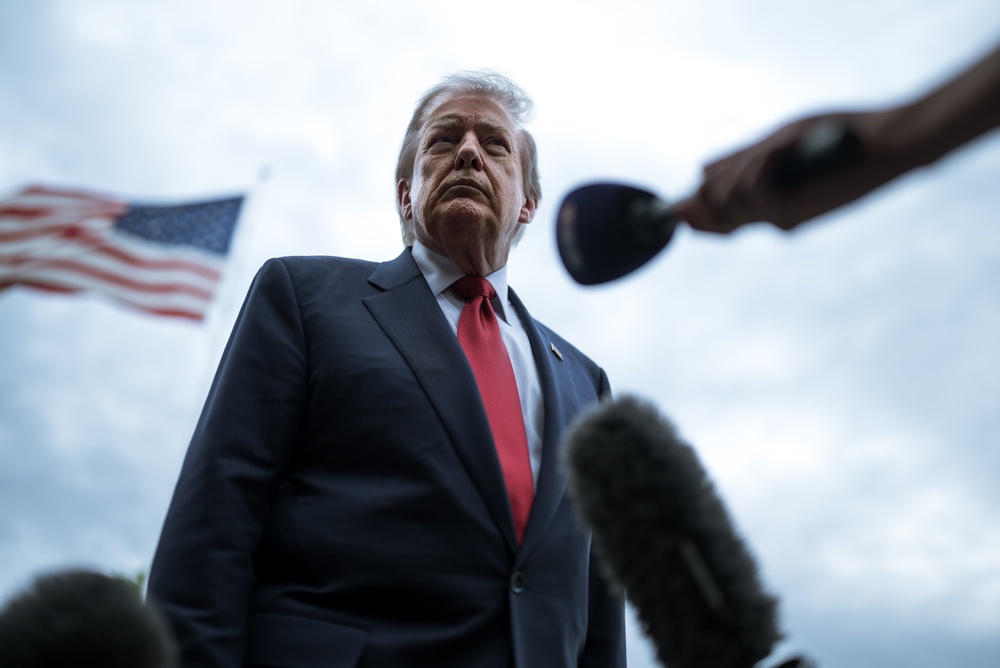
His involvement in cryptocurrency has attracted particular attention. Trump and members of his family have been associated with several digital currency ventures, including projects that generated substantial financial interest. The president’s position gives these activities an additional political dimension because government decisions can influence financial markets and industries connected to his private interests. Critics have raised concerns about potential conflicts of interest and the appearance of private financial benefits arising from political influence. Establishing whether any specific transaction involved improper conduct, however, requires evidence beyond an increase in estimated personal wealth.
The wider debate concerns the standards expected of people holding public office. Presidents routinely make decisions that affect businesses, investors and entire industries, which makes financial transparency particularly important. When political leaders maintain substantial private interests, questions can arise over whether their personal financial circumstances could influence public decisions. These concerns have followed Trump throughout his second presidency, particularly as his business ventures have expanded. The midterm results have given those questions renewed political significance, especially among voters already concerned about the influence of wealthy individuals in government.

Elon Musk’s Political Spending Has Become Another Election Issue
Elon Musk has also remained a central figure in discussions about the relationship between extreme wealth and American politics. During the 2024 election cycle, Musk spent at least $288 million supporting Trump and other Republican candidates. His involvement went beyond financial contributions, as he became a highly visible supporter of Trump’s campaign and participated in political activities designed to strengthen Republican electoral prospects. His financial support demonstrated how a wealthy individual can use substantial resources to influence political campaigning, particularly through organisations and groups operating outside traditional party structures.
His involvement continued during the 2026 midterm cycle, with estimates placing his political spending at approximately $366 million by October. At the same time, his business interests continued expanding, and SpaceX’s stock market flotation helped increase his estimated fortune beyond $1 trillion. The scale of his wealth has made him an increasingly influential figure in both business and political discussions. However, the relationship between financial contributions and electoral outcomes remains complicated. Large donations can provide candidates with greater resources, but they cannot guarantee that voters will support them.
The midterm results also demonstrated that political spending has limitations. Several Republican candidates supported by Musk failed to secure victories, despite the substantial resources available to their campaigns. This has renewed discussion about whether wealthy donors can accurately judge the priorities of ordinary voters. Political money can help candidates advertise their positions, build campaign organisations and reach wider audiences. Ultimately, voters still decide whether those candidates have earned their support. The contrast between enormous political spending and the Republican losses has added another dimension to the debate about money and democratic influence.
Corruption And The Cost Of Living Became Closely Connected
Economic dissatisfaction was one of the defining issues of the 2026 midterms. American households have continued facing pressure from food prices, housing expenses, fuel costs and other everyday necessities. For families already struggling to maintain their standard of living, even relatively small increases in monthly expenses can create significant financial difficulties. These concerns have contributed to negative assessments of the country’s economic direction and increased frustration with the politicians responsible for national policy.
Government corruption also emerged as a major concern during the election. CBS exit polling indicated that roughly nine in 10 voters considered corruption an important factor in their decision. The findings suggest that questions surrounding government accountability reached far beyond traditional political discussions. Many voters were also concerned about whether the president prioritised his personal interests over those of the country. These attitudes created an environment in which economic dissatisfaction and concerns about political influence became closely connected.
The main concerns shaping this discussion included:
- Rising household expenses: Grocery shopping, fuel, housing and utilities continued putting pressure on family budgets.
- Government accountability: Voters expressed significant concern about corruption and the conduct of elected officials.
- Political influence: The financial power of wealthy donors and business figures became part of wider discussions about democratic representation.
- Economic confidence: Negative perceptions of household finances contributed to dissatisfaction with the administration.
- Foreign policy costs: The conflict involving Iran added further uncertainty to energy markets and household expenses.
Political journalist Lewis Goodall described an observation from his reporting in Texas that captured this connection. In a November 3 post, he wrote: “A plutocratic class taking all the spoils, rigging the game for everyone else.” He suggested that voters were frequently raising corruption before discussing the cost of living, indicating how closely the two concerns had become linked in their minds. His observation offered an interesting perspective on the changing language of the election campaign.
James Talarico’s Texas Victory Adds To The Political Shift
One of the most significant individual results came from Texas, where Democrat James Talarico defeated Republican Ken Paxton in the Senate election. Texas has traditionally been a Republican stronghold, making the Democratic victory particularly notable. The result marked the party’s first Texas Senate victory since 1988 and challenged long-standing assumptions about the state’s political preferences. Talarico’s campaign placed economic inequality, political accountability and the influence of wealthy interests among its central themes.
His approach connected with voters who were concerned about the relationship between financial power and government decisions. Rather than focusing exclusively on the traditional divide between Democrats and Republicans, his campaign also addressed the idea that ordinary Americans were struggling within an economic system that increasingly benefited those who already possessed substantial wealth. That message became particularly relevant as voters discussed corruption alongside their financial difficulties. His victory demonstrated that economic inequality could become a significant electoral issue even in a state with a long history of Republican success.
However, the Texas result should be understood within its wider political context. Individual candidates benefit from different local circumstances, campaign strategies and voter coalitions. Talarico’s victory does not establish that every Republican voter has changed their political views or that economic inequality was the only factor influencing the result. Nevertheless, the outcome provides evidence that Democratic candidates can make substantial gains by addressing concerns that extend beyond traditional partisan disagreements. It also gives the party an important example as it prepares to take control of Congress.
The Iran Conflict Added Pressure To Trump’s Presidency
The war involving Iran provided another challenge for the Trump administration during an election already dominated by economic concerns. International conflicts can affect domestic finances through energy prices, market uncertainty and government spending. The Middle East remains particularly important to global energy supplies, meaning military developments in the region can influence oil markets and fuel costs far beyond the immediate conflict zone. For American households already concerned about the price of filling their cars and heating their homes, additional uncertainty created another source of frustration.
Foreign policy disagreements also became part of the political debate surrounding Trump’s leadership. Voters were divided over the decision to use military force against Iran, with exit polling indicating substantial opposition to the administration’s approach. These disagreements added to wider concerns about the direction of the country. The economic consequences of international conflict can be difficult to separate from other factors affecting prices, but uncertainty surrounding energy supplies can place additional pressure on consumers and businesses.
For the administration, the timing created another political difficulty. Trump entered the midterms facing questions about affordability, government accountability and the consequences of his foreign policy decisions. These issues were particularly challenging because they affected different groups of voters for different reasons. Some were concerned about household expenses, while others questioned the administration’s international strategy or its handling of government institutions. The combined effect helped create a difficult electoral environment for Republican candidates across several states.
Democratic Control Of Congress Creates A New Challenge
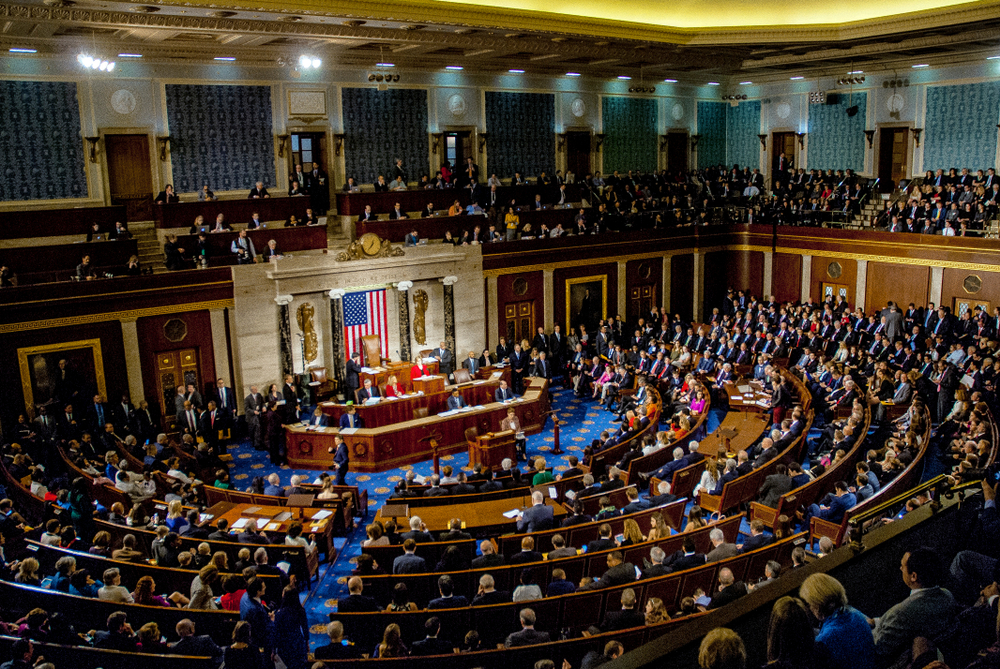
With Democrats controlling both chambers, the political environment in Washington will change significantly when the new Congress begins in January 2027. Congressional majorities have important responsibilities involving legislation, federal spending and oversight of the executive branch. Democratic lawmakers will therefore have greater opportunities to investigate administration decisions and challenge policies they oppose. The change also means Trump will have to work with a Congress controlled by the opposing party, creating the possibility of prolonged disagreements over major legislative priorities.
Several issues are likely to receive particular attention from Democratic lawmakers. These include potential conflicts of interest involving public officials, government spending decisions, financial transparency and the administration’s approach to international conflicts. Affordability will also remain a major political issue because voters have repeatedly expressed concern about the cost of everyday living. Democrats will face pressure to demonstrate that their electoral gains can translate into practical improvements rather than remaining limited to investigations and political criticism.
However, congressional control does not give Democrats unlimited power. Trump remains president and retains his constitutional authority, including the ability to veto legislation. Republicans will also continue to influence negotiations and political debates even without controlling either chamber. Democrats will need to maintain agreement within their own party if they want to pass significant legislation. The midterm victory has given them greater institutional power, but the effectiveness of that power will depend on the decisions they make once the new Congress begins.
America’s Political Debate Could Be Entering A Different Phase
The 2026 midterm results have placed wealth inequality and government accountability closer to the centre of American politics. For years, political debates about economic hardship have frequently focused on immigration, welfare spending and government assistance. The latest election suggests that concerns about the concentration of wealth and the influence of powerful individuals are also becoming increasingly important to voters. The financial positions of Trump and Musk have provided prominent examples in a debate about the relationship between private wealth and public power.
That does not mean Americans have suddenly abandoned their existing political beliefs or that every voter sees billionaires as responsible for their financial difficulties. The election involved several competing issues, including inflation, foreign policy, democratic institutions and dissatisfaction with both major parties. But the results have created an opportunity for a different kind of political discussion, one focused on whether government decisions adequately serve the people affected by them.
Democrats now face the difficult task of turning electoral success into meaningful accountability and economic progress. Trump, meanwhile, must govern with an opposition-controlled Congress while confronting renewed questions about his administration’s priorities. The coming legislative battles will provide a clearer indication of how much has changed. For millions of Americans concerned about their financial future, the real test will be whether the new balance of political power produces decisions that improve their everyday lives.