
Your cart is currently empty!
Youngest Baby Born at 22 Weeks Survives Against All Odds

For most parents, bringing a newborn home is one of life’s simplest yet most profound milestones. It is often imagined as a joyful moment that follows a short hospital stay, filled with photos, first cuddles, and the beginning of a new routine. But for one family in Dubai, that moment came after nearly five months of uncertainty, fear, and a fight for survival that would ultimately make history.
Contents
show
Baby Talia’s journey is not just a medical story. It is a deeply human one. It is about the fragile line between life and loss, the relentless work of healthcare professionals, and the resilience that can emerge in the most unlikely circumstances. Born at just 22 weeks, she entered the world at a stage where survival is far from guaranteed. Yet, against the odds, she not only survived but grew strong enough to finally go home.
Her story has since captured attention far beyond the hospital walls. It speaks to the evolving capabilities of modern medicine, but also to something more personal. It shows how hope can persist in environments defined by uncertainty, and how small, almost invisible victories can build into life-changing outcomes.
A Birth That Changed Expectations
Talia was born on November 17, 2025, a date that carries global significance as World Prematurity Day. According to Gulf News and People, she arrived far earlier than expected at just over 22 weeks gestation, weighing only 400 grams. To put that into perspective, that is less than the weight of a standard water bottle and lighter than many smartphones.
At this stage, babies are considered to be at the very limits of viability. Medical professionals often face incredibly complex decisions when caring for infants born this early. Survival rates remain low, with studies cited in reports indicating that only around 28 percent of babies born at 22 weeks make it.
Talia’s case stood out immediately. Not only was she born at such an early stage, but her weight made her one of the smallest infants ever recorded in the United Arab Emirates at that gestational age.
Doctors later confirmed she became the youngest surviving baby in the history of King’s College Hospital Dubai.
Her delivery was sudden and complicated. According to hospital accounts, she was born still inside the amniotic sac, a rare occurrence that added another layer of complexity to an already delicate situation. Within moments of her birth, a specialized neonatal team began life-saving interventions, including intubation and advanced respiratory support.
From the very first minutes of her life, every decision mattered. There was no room for delay, hesitation, or error. The margin between stability and crisis was incredibly narrow.
The Reality of Extreme Prematurity

To understand the magnitude of Talia’s survival, it is important to understand what it means to be born at 22 weeks. At this stage of development, many organs are still immature. The lungs are not fully formed, the skin is extremely fragile, and the immune system is underdeveloped.
Babies born this early often require immediate and intensive support just to breathe. They are also highly vulnerable to infections, bleeding in the brain, and long-term developmental complications.
Even basic functions such as maintaining body temperature or absorbing nutrients become complex medical challenges. The environment inside a neonatal intensive care unit is carefully controlled to replicate, as closely as possible, the conditions of the womb.
In Talia’s case, these challenges were amplified by her extremely low birth weight. Her size made standard procedures more difficult and increased the level of precision required for every intervention.
Despite these risks, her care team made a critical decision early on to proceed with full treatment. That decision set the course for everything that followed.
The First Critical Hours

Medical experts often emphasize that the first hour after birth can be decisive for extremely premature infants. In Talia’s case, those early moments required a level of precision and coordination that pushed the limits of neonatal care.
Dr. Maria Theresa Reyes, a consultant neonatologist involved in Talia’s care, explained to Gulf News that this was a baby born at the very limits of what is considered viable. Every step required constant reassessment, careful planning, and meticulous attention to detail.
Talia faced immediate complications. She showed high infection markers and required strong antibiotics almost immediately. Her skin was described as delicate and transparent, a common but serious challenge in extremely premature infants. Even gentle handling carried risks, and maintaining her stability required extreme care.
Her size also made routine procedures far more difficult. Placing intravenous lines, monitoring vital signs, and delivering treatment all required adjustments and expertise beyond standard care. The neonatal team worked swiftly to stabilize her condition and prevent irreversible damage.
Those first 60 minutes were critical. According to medical accounts, getting those initial steps right can mean the difference between severe complications and the possibility of recovery. For Talia, that window was navigated with precision.
Life Inside the NICU

After initial stabilization, Talia was transferred to the neonatal intensive care unit at King’s College Hospital Dubai, where she would spend the next 129 days. For her parents, this became a world defined by machines, alarms, and cautious hope.
The NICU is often described as one of the most emotionally intense environments in medicine. It is a place where technology and human emotion intersect in powerful ways. For families of extremely premature babies, it becomes both a place of fear and a place of possibility.
Talia’s parents experienced this reality firsthand. Her mother, Jade Gacera Cubillo, later reflected on how the NICU changed them completely. She spoke about learning how to love through wires and uncertainty, and how every small improvement became a reason to keep believing.
The daily routine in the NICU is both structured and unpredictable. Babies are monitored continuously, with teams of specialists adjusting care based on even the smallest changes. For Talia, this meant constant attention to her breathing, nutrition, and overall stability.
Her care involved a multidisciplinary team, including neonatologists, nurses, respiratory therapists, and other specialists. Each played a role in managing her condition and supporting her gradual progress.
For her family, the experience was a test of endurance. Days blended into nights, and progress often felt slow. Yet, even in the most difficult moments, there were signs that she was fighting.
Small Victories That Meant Everything
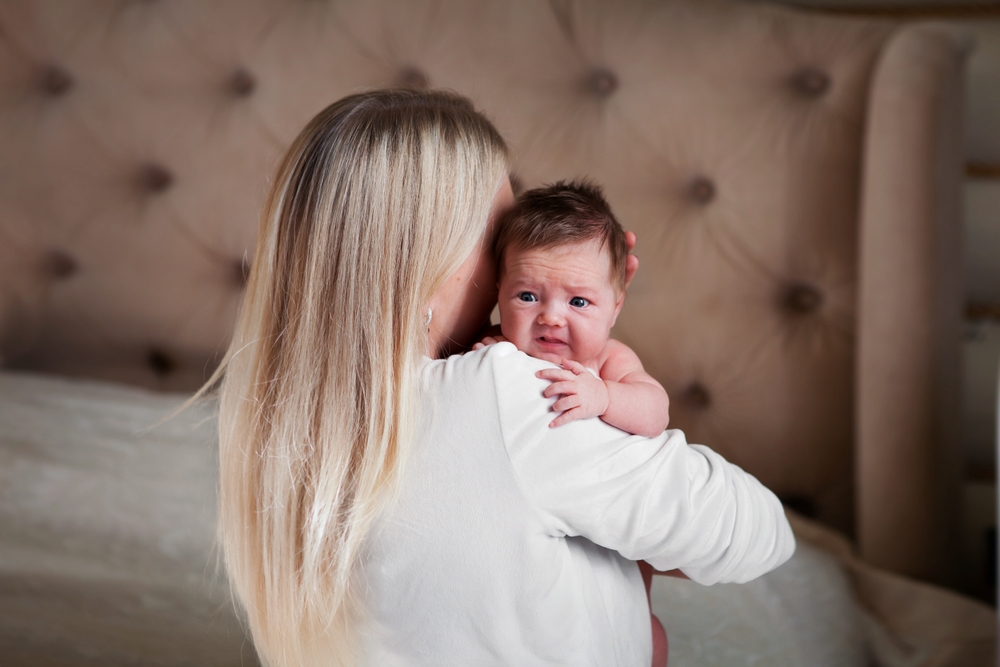
As days turned into weeks, Talia began to show gradual signs of strength. According to reports, small amounts of breast milk were introduced, helping to support her immunity and development. This marked an important step forward, as nutrition plays a key role in the growth of premature infants.
Follow-up scans, which initially raised concerns about possible complications such as brain injury, eventually brought more hopeful news. Doctors found no major signs of brain bleeding, a significant milestone for a baby born so early.
Her weight slowly increased, and her condition stabilized. What once seemed uncertain began to shift toward cautious optimism.
The journey was far from straightforward. There were setbacks, moments of concern, and constant vigilance from the medical team. However, with each passing day, Talia continued to defy expectations.
Every gram she gained became a symbol of progress. Every stable reading brought relief. These small victories, often invisible to those outside the NICU, carried enormous meaning for those involved.
Over time, those incremental improvements began to build into something more substantial. Talia grew stronger, more stable, and more capable of sustaining herself.
A Transformation Over 129 Days

By the time Talia reached the later stages of her NICU stay, the changes were remarkable. From a fragile infant weighing just 400 grams, she had grown into a baby strong enough to begin preparing for life outside intensive care.
Reports indicate that by the time she was discharged, she weighed around 2.6 kilograms. This transformation reflects not only her resilience but also the effectiveness of the care she received.
Her progress was the result of countless small decisions made over more than four months. It involved careful monitoring, timely interventions, and a consistent focus on both survival and long-term well-being.
Doctors also noted that at the time of discharge, there were no major concerns regarding long-term complications. While she will continue to require follow-up care, this outcome represents a significant achievement given the circumstances of her birth.
For her family, this transformation was nothing short of extraordinary. The baby they had once feared might not survive was now ready to come home.
A Milestone for Medicine and Care
Talia’s survival represents more than a personal triumph. It also highlights the advancements in neonatal medicine and the capabilities of modern intensive care units.
King’s College Hospital Dubai emphasized that her case required not just advanced technology but also a highly coordinated, multidisciplinary team. The hospital’s NICU follows UK-aligned clinical protocols and is equipped to manage complex and high-risk cases.
According to hospital data, the unit has achieved a survival rate of over 99 percent across its cases. However, Talia’s situation was unique even within that context. She became the first 22-week infant at the hospital, weighing just 400 grams, to survive.
Dr. Reyes noted that while the team had previously cared for infants born at 23 weeks with positive outcomes, Talia’s case pushed those boundaries further. She also confirmed that Talia is the smallest 22-week infant ever reported in the UAE.
Her case reflects a broader shift in neonatal medicine. Advances in technology, training, and clinical protocols are gradually improving outcomes for extremely premature infants. While challenges remain, stories like Talia’s show how far the field has come.

The Emotional Journey Behind the Medical Story
While statistics and medical achievements are important, they only tell part of the story. At its core, Talia’s journey is about people.
For her parents, the experience was filled with moments of fear, hope, and resilience. They spent months by her side, navigating uncertainty while holding on to the possibility of bringing their daughter home.
Jade expressed deep gratitude to the doctors and nurses who cared for Talia, describing them as instruments of hope and healing. She also acknowledged the support of those who kept her daughter in their thoughts and prayers.
She described Talia’s story as more than just a journey, calling it a testimony of faith, hope, and miracles.
Her reflections highlight a reality often shared by families in similar situations. The NICU is not just a medical space; it is an emotional one. It is where families confront fear, celebrate progress, and form deep connections with the people caring for their child.
These experiences can leave a lasting impact, shaping how families view resilience, gratitude, and the value of life itself.
Finally Going Home
After 129 days in intensive care, the moment that once seemed distant finally arrived. On April 16, the hospital announced that Talia had been discharged.
For her family, this marked the end of one chapter and the beginning of another. Leaving the NICU is often both a joyful and emotional experience. It represents relief, but also a transition into a new kind of responsibility.
According to hospital statements, Talia went home stronger, thriving, and surrounded by love. Doctors reported no major concerns for long-term complications at the time of her discharge, though like many extremely premature babies, she will continue to require regular follow-up care.
The significance of this moment cannot be overstated. It represents not just survival, but the possibility of a full and meaningful life.
For her parents, it was the moment they had been waiting for since the day she was born. After months of uncertainty, they were finally able to take their daughter home.

What This Story Means Beyond One Family
Talia’s journey has captured attention not only because of its rarity but also because of what it represents for families and medical professionals around the world.
For families facing similar situations, stories like this can provide a sense of hope. They highlight the importance of early intervention, specialized care, and the dedication of medical teams who work tirelessly behind the scenes.
At the same time, her story also reflects the complexity of extreme prematurity. Each case is different, and outcomes can vary widely. Doctors must make careful decisions that balance immediate survival with long-term health and development.
Her survival shows how far neonatal care has come, while also reminding us of the uncertainties that still exist. It reinforces the importance of continued research, investment, and training in this field.
It also highlights the role of families, whose strength and persistence play a crucial role in the journey of premature infants.
A Story of Resilience and Possibility
In the end, what makes Talia’s journey so powerful is not just the record she broke, but everything that led up to it.
She began life at a stage where survival was uncertain, facing challenges that required extraordinary care and constant vigilance. Over 129 days, she grew stronger, one small step at a time.
Her story reflects the combined strength of a dedicated medical team, the unwavering hope of her family, and the remarkable resilience that can exist even in the smallest of lives.
As she begins life at home, her journey continues to resonate with people far beyond the hospital walls. It serves as a reminder that even in the most difficult circumstances, progress is possible and hope can endure.
For those who followed her story, Talia represents more than a medical milestone. She represents what can happen when expertise, compassion, and determination come together.
And for her family, she is simply their daughter, finally home, where she was always meant to be.