
Imagine a building material that can be printed into almost any shape and then hardened without enormous industrial kilns or extreme temperatures. Instead of relying on conventional cement, scientists are using living bacteria to transform ordinary sand into solid architectural components.
Researchers at ETH Zurich in Switzerland have developed a process combining bacteria, 3D printing, and robotic technology to manufacture concrete-like building materials. The first architectural elements have already been produced, and the research could open up an entirely different approach to construction. However, scientists still have significant questions to answer before the material can be used in everyday buildings.
Scientists Have Found a Way To Replace Cement With Bacteria
The research comes from Karen Antorveza Paez, who investigated bacteria-based building materials at the Department of Architecture at ETH Zurich. Her work focuses on using microorganisms as a binding agent to hold mineral particles together, creating structures that could eventually become alternatives to certain conventional building products.
The technique relies on a natural process called microbially induced calcium carbonate precipitation, commonly known as MICP or biocementation. Certain bacteria can produce calcium carbonate, the mineral found in limestone, chalk, and seashells. When these microorganisms interact with sand under specific chemical conditions, they encourage microscopic mineral crystals to form between individual grains.
As the crystals develop, they interlock and bind the loose particles together, gradually producing a solid structure. Antorveza Paez described the principle in straightforward terms, saying, “We’re using bacteria to produce a sort of mineral glue.”
Biocementation itself is not a completely new scientific discovery. Researchers have previously investigated the process for stabilising loose soil and developing self-healing concrete, where bacteria can help seal cracks by producing additional minerals. What makes the ETH Zurich project different is its combination of biological mineralisation with digital manufacturing.
Rather than simply adding bacteria to an existing construction material, the researchers are exploring how microorganisms can become the main binding agent in the manufacturing process. This allows them to produce specifically designed architectural components using techniques such as 3D printing and robotic fabrication.
How Bacteria Turn Sand Into Solid Building Materials

The first manufacturing method developed by the ETH Zurich team combines biocementation with 3D printing. To make this possible, researchers created a specialised mixture called bio-ink, which contains water-based gel, sand, and living bacteria. The gel includes naturally occurring substances such as alginate and xanthan gum, which help the mixture maintain enough consistency to be shaped.
The bio-ink can be fed through a 3D printer and formed into specific shapes according to a digital design. This gives researchers greater control over the geometry of the finished object, allowing them to produce architectural components that would otherwise require different manufacturing methods.
However, the freshly printed structure is initially delicate. At this stage, the gel holds the sand particles together, but the object has not yet developed the mineral bonds needed to become solid. The most important part of the process happens after the printed component is placed inside a specially prepared mineralisation bath.
The Bacteria Produce Their Own Mineral Binding Agent
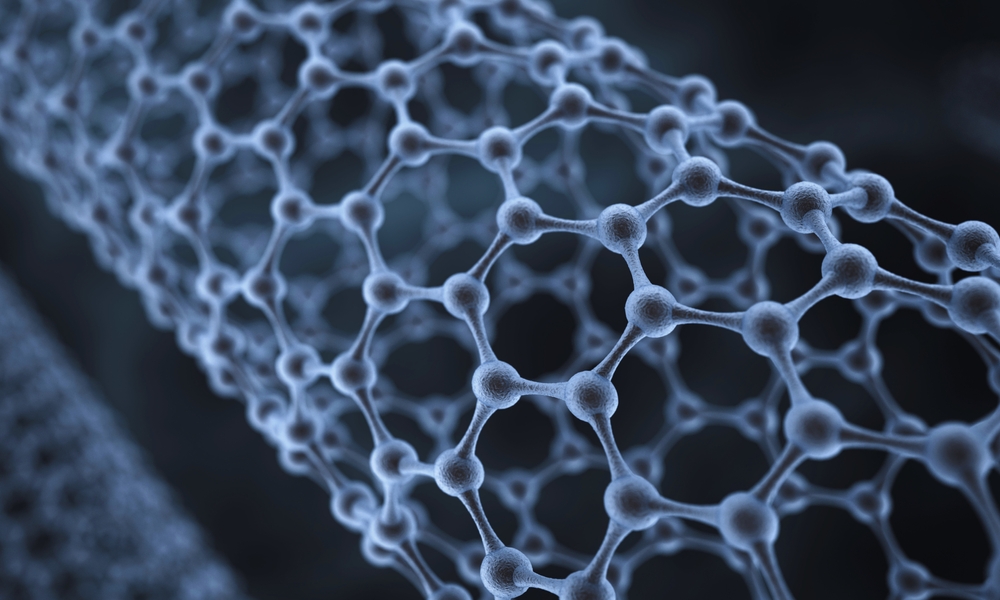
The mineralisation bath contains urea and calcium chloride, which provide the substances needed for calcium carbonate formation. Once submerged, the bacteria use an enzyme called urease to break down the urea through a chemical reaction. This releases carbonate ions, which then combine with calcium ions from the solution.
The reaction produces calcium carbonate, which forms microscopic crystals between the individual grains of sand. As these crystals grow, they create interlocking connections that gradually transform the fragile printed mixture into a much stronger mineral structure.
Researchers carefully control the process because the finished component needs sufficient time to develop the required strength. Depending on the intended properties, mineralisation takes between two and five days. During this period, the mineralisation bath is replaced daily to replenish the chemical substances needed for the reaction.
Once the mineralisation process is complete, the building element is dried at room temperature. This leaves behind a solid structure without requiring the high-temperature heating associated with conventional cement manufacturing.
Antorveza Paez compared the transformation to baking a cake, explaining that the initial mixture is delicate and malleable before the bacteria gradually turn it into something solid. The microorganisms essentially perform the hardening process that would otherwise require an external heat source.
The First Architectural Components Have Already Been Produced
The researchers have already used the method to manufacture a free-standing façade element. This is particularly interesting because façades can serve several functions beyond simply forming the exterior of a building. Depending on their design, they can provide shade, create visual separation, and help control the amount of sunlight entering indoor spaces.
According to the research, the experimental component could potentially be used as a sunshade or partition wall. These applications are relevant because they do not necessarily require the same structural performance as major load-bearing building components.
The ability to print customised shapes also gives architects more freedom when designing individual elements. Instead of producing standardised components through conventional industrial processes, manufacturers could potentially use digital designs to create structures with specific dimensions and geometries.
However, the researchers have not established that these experimental elements are ready for widespread construction. Their current work demonstrates that the manufacturing process is possible, while further testing is needed to determine how reliably the material performs under real building conditions.
Robots Are Also Being Used To Grow Building Structures

The 3D printing method is only one part of the ETH Zurich research. Antorveza Paez and her colleagues have also developed a second approach involving a robotic arm that applies the necessary materials directly onto a surface.
Unlike the printing technique, this method does not require the finished object to be immersed in a mineralisation bath. Instead, the robotic system repeatedly sprays layers of sand, bacteria, and the substances needed to produce calcium carbonate. As these layers accumulate, the material gradually develops into a larger structure.
The approach takes inspiration from stromatolites, natural layered formations created through the mineral-producing activity of microorganisms. These formations demonstrate how biological processes can gradually deposit minerals and build complex structures over time.
The robotic technique applies a similar principle through an automated manufacturing system. By controlling the application of the different materials, researchers can produce structures layer by layer while allowing biological mineralisation to take place.
A Six-Month Demonstration in Venice

The robotic spraying technique was demonstrated at the 2025 Venice Architecture Biennale, where the research team allowed the process to operate continuously for six months. The demonstration provided an opportunity to observe how biological mineralisation could be combined with automated fabrication.
The two manufacturing methods have different intended applications. The 3D printing approach is primarily designed for producing individual architectural elements, while robotic spraying focuses more on manufacturing surfaces. Both methods demonstrate how digital technology could help control the placement and development of bacteria-based construction materials.
Antorveza Paez explained the distinction by saying, “The printing is geared more towards architectural elements, while the spray process is more designed for surfaces.”
The robotic approach also introduces new technical challenges because the system must coordinate several different material streams. Researchers need to understand how the sand grains and mineral binding material are distributed throughout the structure, particularly when producing larger surfaces.
Although the six-month demonstration showed that the process could be automated, its mechanical properties still require further investigation. The researchers need to establish how consistently the material can be produced and how its internal structure influences its strength and durability.
Why Researchers Are Looking Beyond Traditional Cement
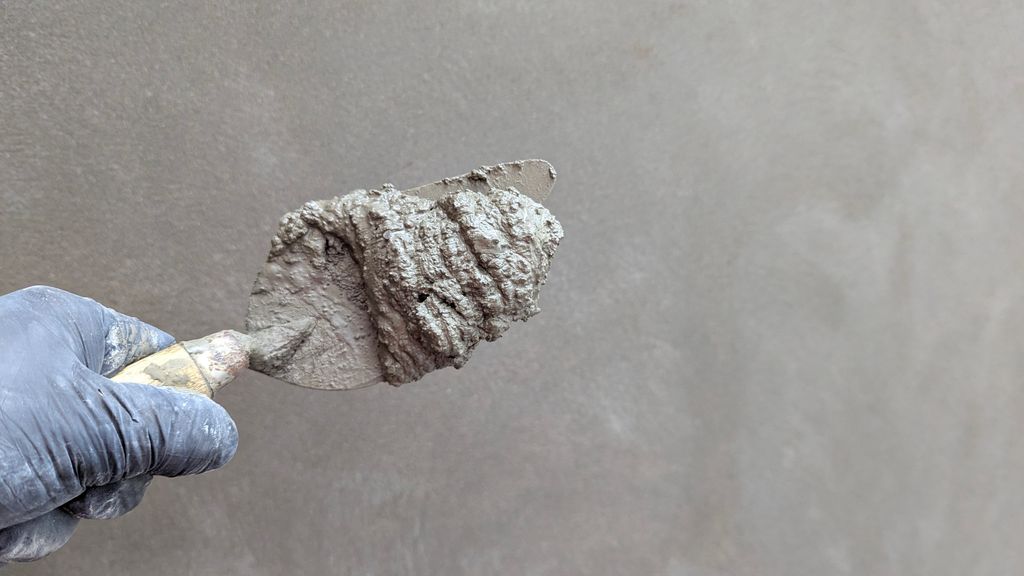
The interest in bacteria-based construction is partly connected to the environmental cost of conventional cement manufacturing. Cement is one of the essential ingredients in modern concrete, and producing it requires substantial industrial processing.
Limestone and other raw materials are heated to extremely high temperatures in large kilns. This process consumes considerable energy and releases carbon dioxide through both fuel combustion and the chemical decomposition of limestone.
Because conventional cement production contributes significantly to global industrial emissions, scientists and engineers have been investigating alternative binding materials that could reduce the environmental burden associated with construction.
Biocementation offers a different manufacturing approach because the mineral binding agent is produced through a biological reaction. Rather than relying on industrial kilns to transform raw materials, bacteria encourage calcium carbonate crystals to form at room temperature.
This could potentially reduce the need for energy-intensive cement manufacturing in certain applications. It also creates opportunities to explore building materials made from relatively simple ingredients, including sand and naturally occurring substances used in the bio-ink.
However, the environmental benefits have not yet been fully established. Producing an experimental material without high-temperature heating does not automatically mean its entire manufacturing process has a lower environmental impact. Researchers still need to account for the chemicals involved, material preparation, water requirements, and waste management.
The Environmental Problem Researchers Still Need To Solve

One of the most important challenges comes from the chemical reaction itself. When the bacteria break down urea using urease, ammonium is produced as a by-product alongside the carbonate ions required for mineralisation.
Ammonium can contribute to environmental pollution if it is released without proper treatment. This creates a problem that researchers must address before the technology can be considered a practical sustainable alternative to conventional construction materials.
Antorveza Paez and her colleagues are investigating ways to reduce the environmental effects associated with this by-product. Their research recognises that the complete manufacturing process needs to be assessed, rather than focusing only on the absence of industrial heating.
Managing ammonium will be particularly important if the technology is eventually scaled up. A process that produces small quantities of waste in a laboratory could create a much larger disposal challenge when used to manufacture building components commercially.
The environmental assessment therefore remains an essential part of the research. Without effective solutions, some of the potential advantages of biocementation could be undermined by the chemical waste generated during production.
Could Bacteria-Based Materials Eventually Replace Concrete?
Despite the progress made at ETH Zurich, the material is still far from being a direct replacement for conventional concrete. Antorveza Paez has acknowledged that the current material behaves more like mortar than concrete in terms of its properties.
This distinction is important because modern construction depends on materials that can withstand different types of stress over long periods. A decorative façade element has different structural requirements from a concrete column supporting several floors of a building.
Researchers must therefore understand how the material behaves under different conditions before considering more demanding construction applications. They also need to establish how the size and distribution of sand particles affect the mineral bonds holding the structure together.
Several important research questions remain:
- Material strength: Researchers need to establish how much weight the finished components can safely support and whether their strength can be improved through changes to the manufacturing process.
- Particle distribution: The size and proportions of individual sand grains influence how effectively the microscopic calcium carbonate crystals can bind the material.
- Long-term durability: Scientists must investigate how the structures respond to ageing and prolonged exposure to different environmental conditions.
- Chemical waste: The ammonium generated during mineralisation needs to be managed to prevent the manufacturing process from creating additional environmental problems.
- Production consistency: Researchers must determine whether the material can be manufactured repeatedly with predictable properties and reliable structural performance.
These challenges help explain why the researchers are cautious about describing the technology as a ready-made alternative to concrete. The process has demonstrated that bacteria can produce solid architectural elements, but construction materials must meet demanding performance requirements before they can be used commercially.
Antorveza Paez has pointed out that conventional concrete has benefited from more than a century of research into its composition and properties. Scientists have spent decades refining the proportions of different particles and understanding how they influence strength and durability.
Biocementation is still at an earlier stage of development. Researchers must carry out similar investigations to understand how different formulations influence the final material and how its properties can be controlled.
Other Scientists Are Exploring Living Concrete
The ETH Zurich project is part of a wider scientific interest in using microorganisms to manufacture construction materials. Researchers at the University of Colorado Boulder have also developed an experimental material known as living concrete, although their approach uses a different type of bacteria and manufacturing process.
Their material combines photosynthetic bacteria called Synechococcus with gelatin, nutrients, and sand. The bacteria help bind the sand particles together through the formation of minerals, creating a concrete-like structure that initially has a green appearance before gradually fading to brown as it dries.
The research team demonstrated the material in several forms, including arches, small cubes, and larger bricks. In one experiment, two-inch cubes were strong enough to support the weight of a person standing on top of them, although the material remained weaker than most conventional concrete.
The Experimental Bricks Could Produce More Bricks
One of the most unusual features of the Colorado research was the material’s ability to generate additional building blocks. Because some bacteria remain alive inside the original structure, researchers found that they could use part of an existing brick to help produce another one.
They divided the original material and combined it with additional nutrients, sand, gelatin, and warm water. Within seven days, the researchers had produced two bricks from the original starting material.
They repeated the process several times, eventually demonstrating that eight bricks could be produced from the initial material through successive reproduction experiments.
The possibility of producing additional bricks from existing ones attracted interest because it could potentially reduce the amount of new material needed for construction. However, the process depends on keeping enough bacteria alive inside the original structure.
The bacteria used in the experiment require humid conditions to survive. After 30 days in a humid environment, researchers found that approximately 9% to 14% of the bacteria remained viable.
That limitation presents a particular challenge for applications in dry environments, where maintaining the conditions needed for bacterial survival could be difficult.
Could Living Concrete Eventually Be Used Beyond Earth?
The Colorado researchers have also discussed the possibility of using biological construction materials in remote environments, including deserts and potentially Mars.
The idea is connected to the difficulties of transporting conventional construction materials over enormous distances. Transporting large quantities of cement and other building supplies to remote locations would require significant logistical resources.
Wil Srubar, a structural engineer and co-author of the Colorado research, discussed the possibility of using local materials instead. He also suggested that bacteria could potentially bind different substances together, including ground glass and recycled concrete.
In a university statement, Srubar said, “We’re not going to be trucking bags of cement all the way to Mars.” He added, “I really do think that we’ll be bringing biology with us once we go.”
These ideas remain speculative, and the living concrete has substantial limitations that need to be addressed before it could be used in extreme environments. Nevertheless, the experiments demonstrate why researchers are increasingly interested in biological approaches to manufacturing.
The Future of Construction Could Depend on Biology
For decades, architects and engineers have relied on industrially manufactured materials to create the buildings and infrastructure surrounding modern cities. Research at ETH Zurich suggests that microorganisms could eventually contribute to producing some of these materials through controlled biological processes.
The first bacteria-bound architectural elements have already been created using 3D printing and robotic fabrication. However, questions surrounding strength, durability, chemical waste, and large-scale production remain unanswered.
The next major challenge is proving that these materials can perform reliably outside experimental settings. If researchers can overcome those limitations, bacteria could eventually become part of the manufacturing process behind certain building components, giving architects an entirely different material to work with.