
Your cart is currently empty!
Bernie Sanders And AOC Want To Freeze New AI Data Centers Across America
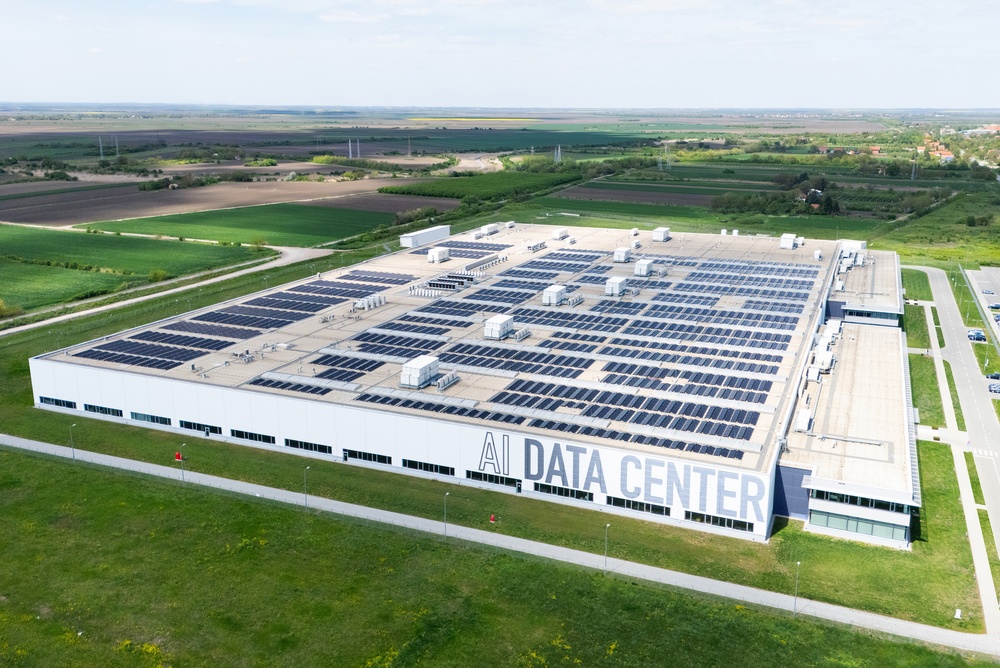
The race to build artificial intelligence infrastructure across the United States just ran into one of its biggest political challenges yet. Sen. Bernie Sanders and Rep. Alexandria Ocasio-Cortez have unveiled legislation that would freeze the construction of major new AI data centers nationwide, a move that could disrupt billions of dollars in planned projects from some of the world’s most powerful technology companies. At a time when firms are scrambling to expand computing capacity to fuel the AI boom, the proposal has sparked a fierce debate over energy use, environmental impact, rising utility costs, and who should control the future of the technology reshaping modern life.
Contents
show
The proposal arrives as AI development has become a national priority for both government and industry. Companies including Google, Microsoft, Meta, Amazon, OpenAI, Oracle, and xAI are investing heavily in data centers designed to support increasingly advanced AI systems. Supporters see those facilities as critical infrastructure for economic growth and national security. Critics argue the expansion is happening too quickly, with communities left to deal with higher energy demands, growing environmental concerns, and uncertainty about how AI will affect jobs and daily life. The new legislation puts those competing visions on a collision course.

Sanders And Ocasio-Cortez Want A Nationwide Moratorium
The legislation, known as the Artificial Intelligence Data Center Moratorium Act, would place a nationwide halt on the construction or expansion of large data centers consuming 20 megawatts of power or more. The freeze would remain in effect until federal lawmakers establish what its sponsors describe as strong national safeguards governing AI development and its broader impacts.
Sanders framed the proposal as a response to what he believes is a lack of democratic oversight surrounding one of the most significant technological shifts in modern history. He argued that lawmakers have failed to keep pace with the speed at which AI and automation are advancing.
“AI and robotics are creating the most sweeping technological revolution in the history of humanity. The scale, scope and speed of that change is unprecedented. Congress is way behind where it should be in understanding the nature of this revolution and its impacts,” Sanders said.
He also issued a broader warning about who currently holds power over the future of artificial intelligence. “Bottom line: We cannot sit back and allow a handful of billionaire Big Tech oligarchs to make decisions that will reshape our economy, our democracy and the future of humanity. We need serious public debate and democratic oversight over this enormously consequential issue. The time for action is now. We need a federal moratorium on AI data centers.”
Why Data Centers Have Become So Controversial
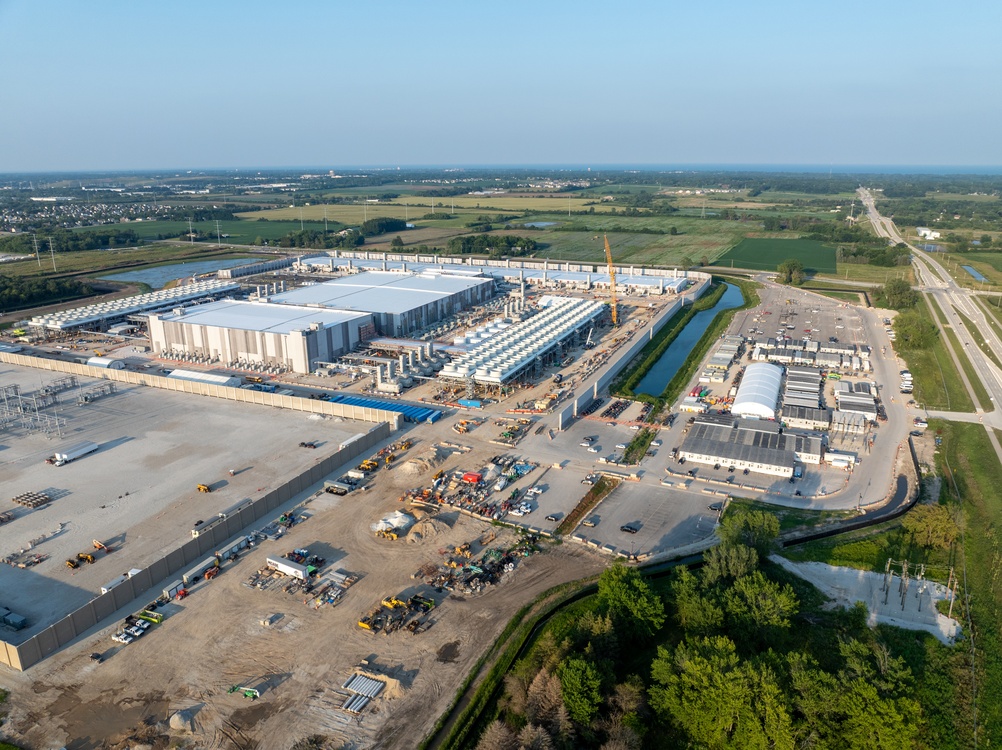
Data centers rarely attract national headlines, but that has started to change as AI systems require unprecedented amounts of computing power. The facilities housing thousands of processors operate around the clock and consume enormous quantities of electricity and water. As more projects are announced, concerns have grown among residents living near proposed developments.
One of the biggest complaints centers on electricity costs. Utility companies across the country are facing pressure to expand capacity as AI infrastructure grows. Many communities fear those costs could eventually be passed on to consumers through higher monthly bills. Opposition to rising energy costs became a major issue in several state elections last year, turning data center expansion into a political flashpoint.
Water usage has also emerged as a major concern. Large facilities rely on extensive cooling systems to prevent servers from overheating. Environmental groups and local residents have questioned whether rapid expansion could place additional strain on water supplies, particularly in regions already facing resource challenges.
The legislation introduced by Sanders and Ocasio-Cortez seeks to address those concerns by ensuring data centers do not increase electricity costs for consumers, harm the environment, or move forward without meaningful input from affected communities.

The AI Boom Is Driving Record Energy Demand
The battle over data centers comes as electricity consumption in the United States continues to climb. Energy demand reached a record high in 2024 and experts expect it to keep rising as AI infrastructure expands at a rapid pace.
Industry estimates suggest a typical AI-focused data center can consume as much electricity as 100,000 households. The largest facilities often require power levels that rival those of small cities. Utilities in several states are already examining how to support future growth without destabilizing local power grids.
Technology companies argue these investments are necessary to maintain America’s position in the global AI race. Executives have repeatedly warned that slowing infrastructure development could hinder innovation and weaken the country’s competitive advantage against rival nations investing heavily in artificial intelligence.
The sheer scale of the expansion has attracted attention from policymakers on both sides of the political spectrum. While some view the projects as essential for economic growth, others believe stronger oversight is needed before additional facilities are approved.

Trump And Big Tech Are Taking A Different Approach
President Donald Trump has made AI development a major priority and has pushed back against calls to slow the industry’s expansion. Earlier this month, several leading technology companies met with the administration and committed to developing additional power generation to support future data center growth.
The participating companies included Google, Microsoft, Meta, Oracle, OpenAI, Amazon, and xAI. The firms agreed to build or purchase new sources of electricity generation while covering infrastructure upgrade costs tied to their projects.
Trump dismissed some of the criticism directed at data center development and suggested the industry faces a public relations challenge more than a policy problem.
“They need some PR help because people think that if a data center goes in there, electricity prices are going to go up,” Trump said.
The White House has also outlined principles it believes should guide future AI legislation. Those priorities include protecting children, preventing electricity prices from surging, respecting intellectual property rights, preventing censorship, and helping Americans understand how to use the technology effectively. The administration has generally favored policies that encourage growth rather than restrictions that could slow investment.

Even Some Democrats Are Rejecting The Proposal
While the moratorium has attracted support from progressive activists concerned about corporate power and environmental issues, the proposal has faced resistance from lawmakers across the political spectrum.
One of the most vocal critics has been Democratic Sen. John Fetterman of Pennsylvania. He echoed concerns raised by administration officials who argue that restricting data center construction could weaken America’s position in the global competition for AI leadership.
“I refuse to help hand the lead in AI to China,” Fetterman wrote on X.
That criticism reflects a growing divide in Washington. Many lawmakers acknowledge concerns about energy use and environmental impacts, but they also view AI as a strategic technology that could influence economic growth, military capabilities, and national security for decades.
For those lawmakers, limiting infrastructure development carries risks that extend far beyond the technology sector. They worry competitors such as China could accelerate their own AI expansion while the United States debates restrictions on future projects.

Local Communities Are Already Fighting Back
The federal proposal did not emerge in isolation. Across the country, state and local governments have already begun pushing back against data center expansion.
Lawmakers in New York have introduced legislation that would pause permits for major new facilities while officials evaluate environmental and community impacts. Similar proposals have surfaced in at least 10 other states as concerns about power consumption and resource demands continue to grow.
Local governments have moved even faster. More than 100 communities have reportedly enacted temporary or indefinite restrictions on new data center construction. In some cases, projects worth hundreds of millions of dollars have been delayed or abandoned while local officials review zoning rules and infrastructure requirements.
Other jurisdictions are rethinking the tax incentives that helped attract data center investment in the first place. Virginia, home to one of the largest concentrations of data centers in the world, has debated ending major tax exemptions years ahead of schedule. Some communities are also demanding direct voter approval before large-scale projects receive public financial support.
The Fight Over AI Infrastructure Is Just Beginning
Few observers expect the Sanders-AOC proposal to become law in its current form. Republicans are unlikely to support a nationwide moratorium, and several Democrats have already voiced opposition. The technology industry is also expected to lobby aggressively against any measure that could disrupt future expansion plans.
Yet the introduction of the bill highlights how quickly the conversation around artificial intelligence is changing. For years, public debate focused largely on what AI systems could do. Increasingly, attention is shifting toward the infrastructure that makes those systems possible and the real-world costs associated with building it.
The next phase of the AI race may not be fought over chatbots, algorithms, or software features. It could be fought over power plants, water supplies, local permits, and who ultimately gets to decide how much infrastructure is built to support the technology shaping the future.
AI, AI data centers, AI Infrastructure, AI Moratorium, AI regulation, Alexandria Ocasio-Cortez, Amazon, AOC, artificial intelligence, Bernie Sanders, Big Tech, congress, data centers, Donald Trump, Electricity Prices, Energy Costs, Google, Meta, Microsoft, OpenAI, Power Grid, Technology News, US Politics, xAI