
Your cart is currently empty!
Bill Gates–Backed Beyond Meat Faces Collapse After Massive Stock Drop

Once hailed as the future of food, Beyond Meat promised to reshape the global diet. The company’s mission was grand: replace beef and chicken with plant-based alternatives, curb climate change, and feed a growing population without the environmental toll of livestock. Backed by celebrity investors and sustainability advocates: including Bill Gates: the startup seemed unstoppable, an emblem of eco-friendly progress and Silicon Valley ingenuity.
Contents
show
But as 2025 draws to a close, the dream has curdled. Beyond Meat’s market value has collapsed from nearly $8 billion at its peak to under $100 million, with its shares now trading below a dollar. The company that once defined a movement has become a case study in overpromised innovation, consumer skepticism, and the sobering limits of trying to reinvent something as ancient and emotional as food.

The Meteoric Rise of a Meatless Dream
Beyond Meat’s story began in 2009, when founder Ethan Brown sought to “build meat directly from plants.” For a time, it looked like he’d cracked the code. By 2019, Beyond’s products filled supermarket freezers and fast-food menus across the United States. Its initial public offering was one of the most successful of the decade: shares tripled on the first day, and the company was suddenly valued in the billions. Environmentalists cheered; investors rushed in; and even traditional meat companies, fearing disruption, began developing their own plant-based lines.
The company’s appeal extended beyond commerce. Beyond Meat became a cultural statement: a shorthand for conscious consumption. Its packaging promised environmental salvation and ethical clarity: eat this burger, save the planet. The pitch resonated with a generation anxious about climate change yet unwilling to abandon comfort foods. For a while, it felt like a moral and culinary revolution rolled into one.
However, momentum built on ideals often collides with the messiness of consumer reality. People wanted to care about the planet, but they also wanted food that was cheap, tasty, and satisfying. Beyond’s products struggled to match the mouthfeel of real meat and carried a premium price tag. Many buyers tried the burgers once out of curiosity but didn’t return for seconds. In the quiet churn of everyday shopping habits, the hype began to wane: a slow-burn decline hidden beneath glowing sustainability slogans.
The Fall: When Hype Meets Hunger
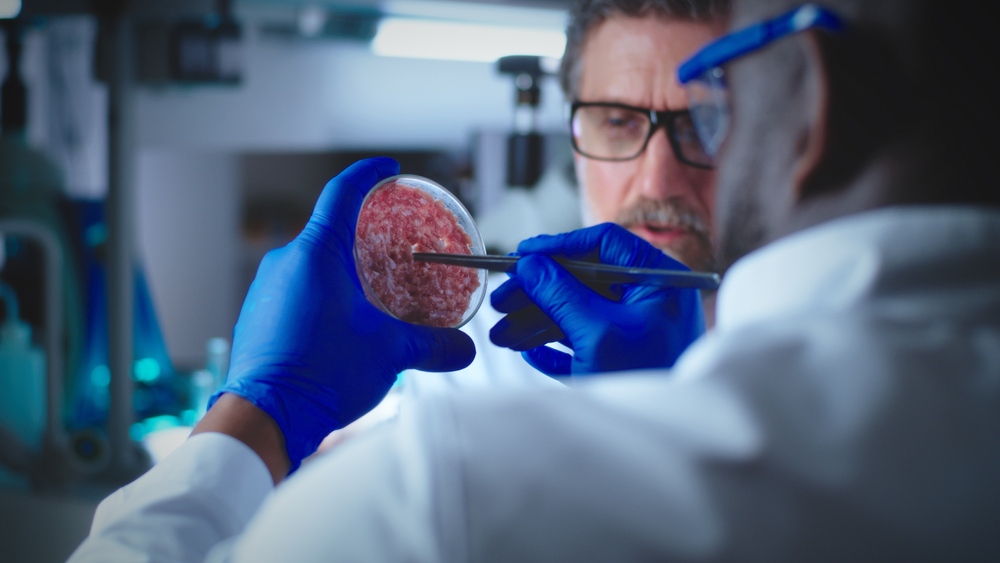
The financial unraveling accelerated through 2024 and 2025. Beyond Meat reported falling revenues, widening losses, and growing debt: a dangerous trio for any public company. In October 2025, it announced a desperate plan to swap debt for equity and issue hundreds of millions of new shares, effectively diluting existing investors. Markets responded brutally: the stock plunged nearly 50 percent in a single trading day. Analysts at Reuters and Bloomberg now describe the brand as “teetering on the edge of insolvency.”
Behind those numbers lies a stubborn truth: the market for fake meat has cooled. McDonald’s ended its “McPlant” pilot, Dunkin’ quietly removed Beyond sausage from menus, and even Burger King’s “Impossible Whopper” : made by Beyond’s rival: has plateaued. Research from GlobalData shows that U.S. retail sales of plant-based meat fell by almost 10 percent in 2024. Consumers cite three main deterrents: taste, cost, and the perception that such products are “ultra-processed.”
Operationally, Beyond Meat faces a punishing cost structure. Producing plant-based protein that convincingly mimics beef requires advanced extrusion technology, precise flavor chemistry, and massive energy use. Each of those factors eats into margins. The company trimmed staff, scaled back production, and attempted to diversify into jerky and chicken substitutes, yet profitability remained elusive. In effect, the firm became a victim of its own ambition: over-engineered food in a market still craving simplicity.
Bill Gates, Farmland, and the Myths of Control
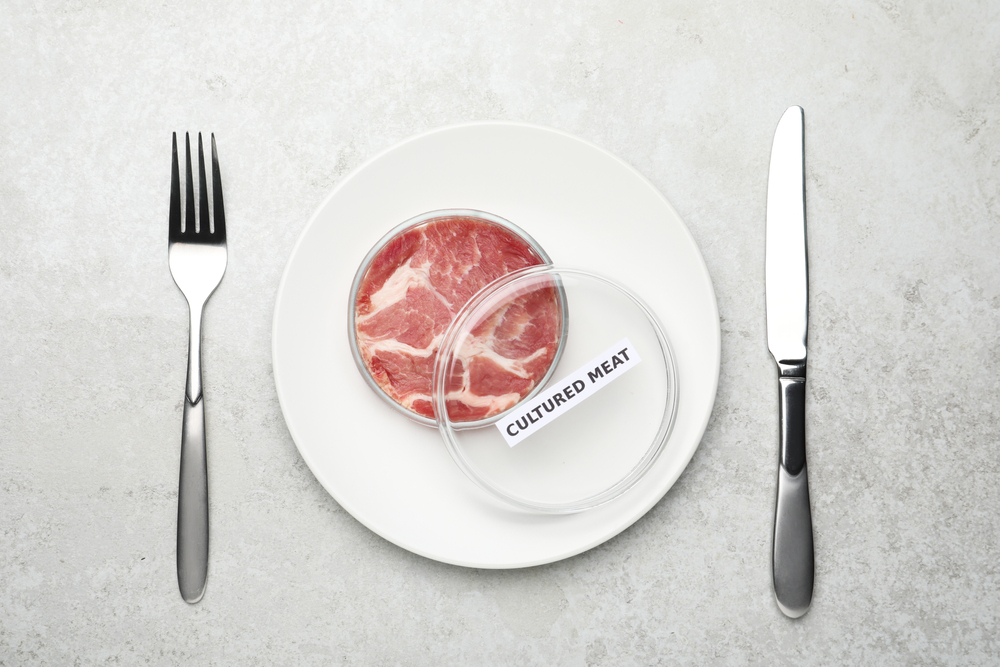
Bill Gates’s name appears often in this saga, sometimes as visionary investor, other times as bogeyman. His private investment arm, Cascade Investment LLC, owns roughly 270,000 acres of farmland across several U.S. states, making him the country’s largest individual farmland owner. To critics, that figure sounds like empire-building. But context matters: the U.S. has nearly 900 million acres of farmland. Gates’s holdings equal about 0.03 percent: hardly a monopoly, though undeniably influential.
Conspiracy theories have long claimed that Gates seeks to “control” the food supply through synthetic meat and farmland purchases. Yet credible investigations by Forbes, The Guardian, and Business Insider find no evidence of a coordinated agenda. Gates himself has said that farmland is part of a broader portfolio meant to preserve capital and promote sustainable agriculture technologies, not to engineer dietary obedience. He supports alternative proteins because he views livestock emissions as a major climate issue, not because he wants to dictate human diets.
Still, the optics are tricky. Gates embodies the technocratic confidence of our era : the belief that big problems yield to data, capital, and design. Beyond Meat’s collapse exposes the limits of that worldview. You can innovate in labs, optimize supply chains, and model sustainability on spreadsheets, but you can’t program human taste or nostalgia. For all his influence, Gates has discovered what every farmer already knows: people eat what they like, not what algorithms tell them they should.
The Broader Reckoning in the Fake-Meat Industry
Beyond Meat’s nosedive reverberates far beyond its own shareholders. Competitors such as Impossible Foods and Oatly have also reported slower growth and declining retail sales. Analysts now describe the sector as a “post-hype plateau.” After years of explosive expansion, consumers are reassessing whether plant-based substitutes truly deliver on their promises of health and sustainability. The initial glow of novelty has faded; what remains is a marketplace crowded with products that often taste similar, cost more, and deliver mixed nutritional results.
A major problem is perception. Early marketing equated “plant-based” with “healthy,” yet nutritionists have since noted that many of these foods contain high sodium, saturated fats, and industrial additives used to replicate meat flavor. That doesn’t make them harmful, but it challenges the clean-eating image. Environmental benefits, too, are complex: while plant-based meats generally emit less carbon than beef, some analyses suggest their production consumes significant water and energy, narrowing the gap they claimed to bridge.
Investors and founders are now pivoting. Instead of chasing fast-food partnerships, newer startups are exploring fermentation, cultivated meat, and hybrid proteins: methods that might offer better taste and scalability. The next generation of food innovation is likely to be more scientifically rigorous and less dependent on celebrity endorsements. Lessons from Beyond Meat’s stumble could seed a smarter, leaner industry, one grounded in consumer trust rather than hype.

Lessons and Reflections
Beyond Meat’s implosion carries lessons that reach far beyond the stock ticker. It reveals how easily moral enthusiasm can outrun practical reality. Consumers want to help the planet, but not at the cost of pleasure or affordability. The challenge for sustainable food isn’t to shame people into change, but to meet them where appetite lives: in flavor, texture, and ritual. Real transformation must be delicious before it can be dutiful.
For entrepreneurs and investors, the message is equally stark. A good story can launch a brand, but only consistent satisfaction sustains it. Markets eventually punish companies that mistake marketing for momentum. Beyond Meat’s trajectory from hero to cautionary tale mirrors that of many tech-driven ventures that confused innovation with inevitability.
And for Gates: the archetypal problem-solve: this episode underscores an eternal truth about human systems: complexity resists command. Food is not software; taste is not an algorithm. Beyond Meat may not be the future of eating, but its rise and fall have illuminated a crucial point about progress itself. Technology can reshape the world, but only if it respects the stubborn, flavorful chaos of human nature.