
Your cart is currently empty!
Brazilian Truck Driver Builds 1,700 Free Shelters For Animals Left Out In The Cold

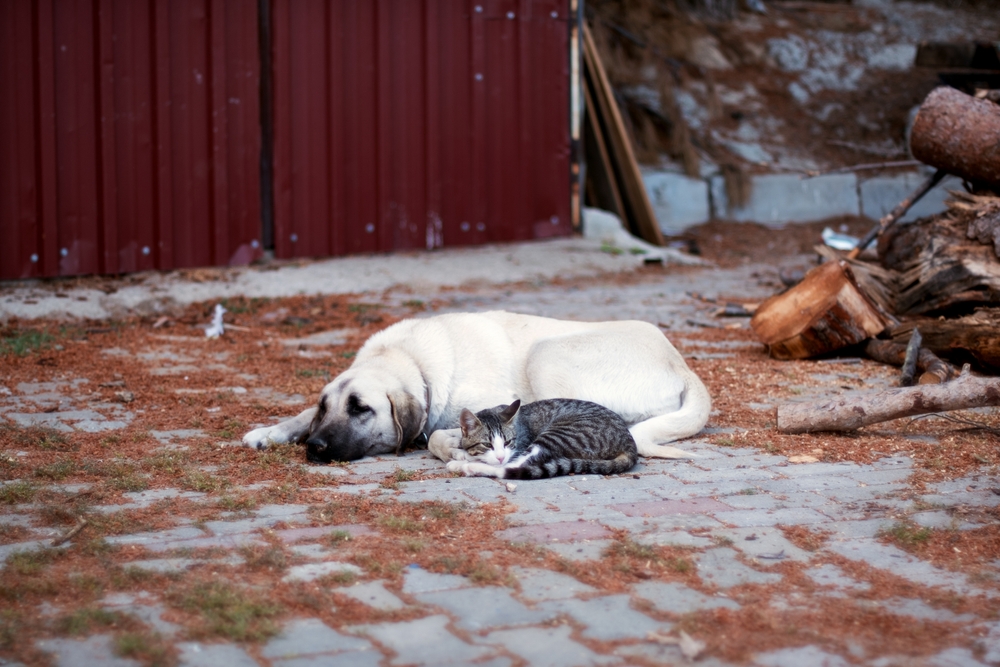
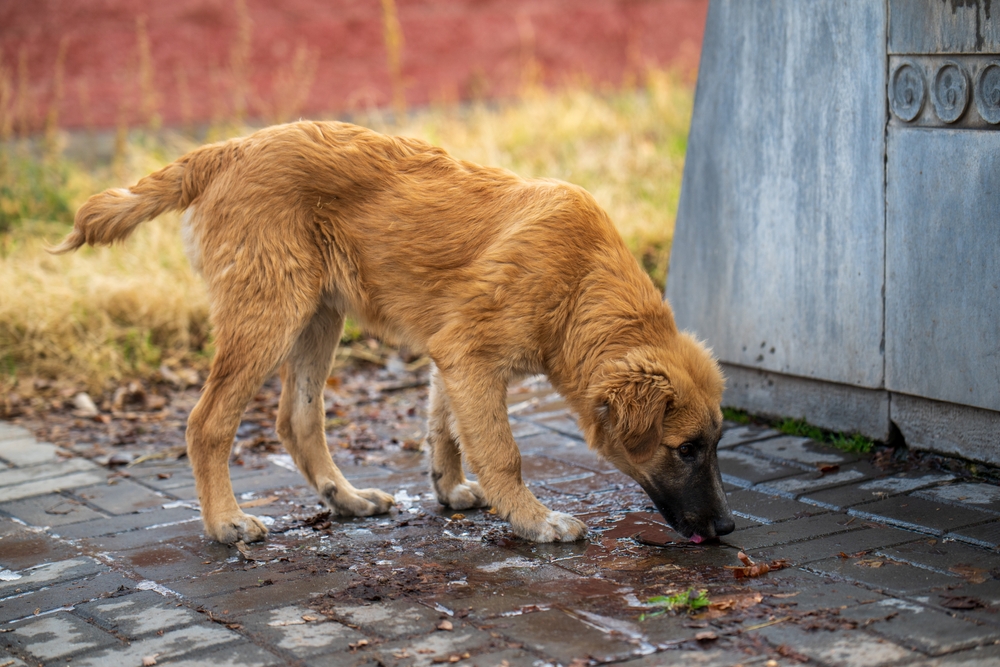
One rainy night, Leomar Aparecido Miguel noticed something that was difficult to ignore. Stray dogs and cats were wandering through the streets soaked by the rain, with food and water available in some places but nowhere safe to escape the weather.
Contents
show
Miguel had never worked in carpentry, but instead of walking away from the problem, he decided to learn. What started with a few pieces of wood has since become a three-year project that has delivered more than 1,700 handmade shelters to animals across São José do Rio Preto and nearby municipalities.
The Rain Made Miguel Ask A Simple Question
Miguel was resting in his truck when he noticed the animals struggling through the rain. Residents were already leaving food and water for some of them, but the animals still had to face cold nights and heavy downpours without a protected place to sleep. That sight led Miguel to think about what was missing.
“I used to walk through the streets and see the little dogs and cats wet. Then, at the moment, I thought: food, kibble, and water are available, but where can they find shelter?” the truck driver told TV TEM.
The question eventually became the starting point for something much bigger. Miguel decided he could try building small shelters himself, even though he had no carpentry experience and had never been trained to work with wood.
He Taught Himself How To Build The Shelters
Miguel turned an unused plot of land into an improvised workshop and began teaching himself how to cut, assemble and cover wooden structures. He worked around his regular schedule, using evenings and days off from his job as a truck driver to keep the project moving.
The first shelters were made as a direct response to the animals he had seen outside. The structures were designed to give dogs and cats a covered space that could reduce their exposure to rain and wind, and the project gradually attracted attention from people already caring for abandoned animals.
The initiative eventually became known as Semeadores do Bem Pet. Rather than selling the shelters, Miguel began distributing them for free to animal protectors, organizations and families with limited resources who were caring for animals without adequate protection.
More Than 1,700 Shelters Have Been Given Away
The project has grown far beyond the first few shelters Miguel built on his own. According to documentation filed with the São José do Rio Preto City Council, more than 1,700 shelters have been delivered, with the initiative directly benefiting more than 5,000 animals rescued from the streets in the city and surrounding municipalities.
The figures come with slightly different timelines in the available reports. One account describes roughly three years of production, while city documentation refers to two years of formal operation. The difference may reflect the period when Miguel was already building shelters before the initiative became formally organized.
The shelters are now reaching a range of people who care for animals outdoors:
- Independent animal protectors caring for stray and rescued dogs and cats.
- Animal protection organizations that need additional shelter space for animals in their care.
- Families with limited resources who have taken responsibility for abandoned animals.
- Outdoor locations where rescued animals still need protection from rain and cold.
The Project Now Depends On More Than One Person
Miguel may have started the project alone, but the operation has developed into a wider network of supporters. Volunteers help with materials, production and transportation, while donations provide some of the wood and other supplies needed to keep the workshop operating.
The shelters can also be made using reused materials when suitable pieces are available. That helps reduce costs, although the wood still needs to be strong enough to handle moisture and repeated outdoor use. Damaged, rotten or unsafe materials cannot simply be used because they are free.
Transportation is another major part of the operation. A finished shelter still has to reach the animal that needs it, which means volunteers and supporters need suitable vehicles and enough people to load and deliver the structures.
Miguel’s wife, Simone Maria de Campos Souza, has also been identified in the documentation as participating in the production and distribution routine.
Around 10 New Requests Can Arrive In A Day
The growing demand shows how much work is happening behind every shelter that reaches an animal. According to the reference material, Miguel receives around 10 new requests each day, creating a constant need for wood, roofing materials, hardware, volunteers and transportation.
Producing more than 1,700 shelters over several years is therefore not simply a matter of spending a few spare hours in a workshop. Each structure has to be planned, built, finished and moved to its destination, often with limited resources.
Miguel continues working as a truck driver while maintaining the shelter project during his free time. When donations do not cover everything required, he has sometimes used part of his own income to make up the difference.
That combination of his regular job and volunteer work has allowed the project to continue growing without charging the people who receive the shelters.
A Shelter Can Protect An Animal, But It Cannot End Abandonment
For dogs and cats living outdoors, a covered and dry sleeping area can provide important protection from rain, wind and cold. The available reference material also notes that bedding should remain dry, while animals that are very young, elderly, sick or short-haired can require additional care during harsh weather.
But the small wooden houses address only one part of the problem. Animals living on the streets can still face traffic, disease, injuries, violence, hunger and uncontrolled reproduction, which means food and shelter alone cannot solve the wider problem of abandonment.
That is why the project has a practical purpose rather than pretending to be a complete solution. A shelter can make one night safer for an animal while other people work toward adoption, veterinary care, sterilization and more permanent protection.
The City Council Has Now Recognized The Work
The scale of the initiative has also attracted official attention. A document filed by the São José do Rio Preto City Council on July 2, 2026, states that the project has benefited more than 5,000 animals rescued from the streets.
The council subsequently approved Motion of Applause No. 322/2026 following a vote held on July 7. The recognition formally acknowledged the work carried out through Semeadores do Bem Pet.
For Miguel, however, the original problem remains much simpler than the numbers now attached to the project. There are still animals outside, there are still rainy nights, and there are still requests for shelters arriving at his workshop.
It All Started With One Shelter
The most striking part of Miguel’s project may be how ordinary its beginning was. He saw animals getting soaked, realized that food and water did not protect them from the weather, and decided to learn a skill he had never used before.
Three years and more than 1,700 shelters later, that decision has reached thousands of animals across the region. What began as one truck driver’s attempt to solve a problem he could see in front of him has become a volunteer network capable of producing and delivering shelters at a much larger scale.
The next shelter may look like another small wooden house. For an animal caught outside in the next storm, it could mean having somewhere dry to sleep.