
For people living with stiff person syndrome, something as ordinary as walking across a room can become an exhausting struggle. Some patients eventually lose their independence and need help with basic daily activities. Now, an experimental treatment has produced results that doctors believe could change the future of care for people living with the rare condition.
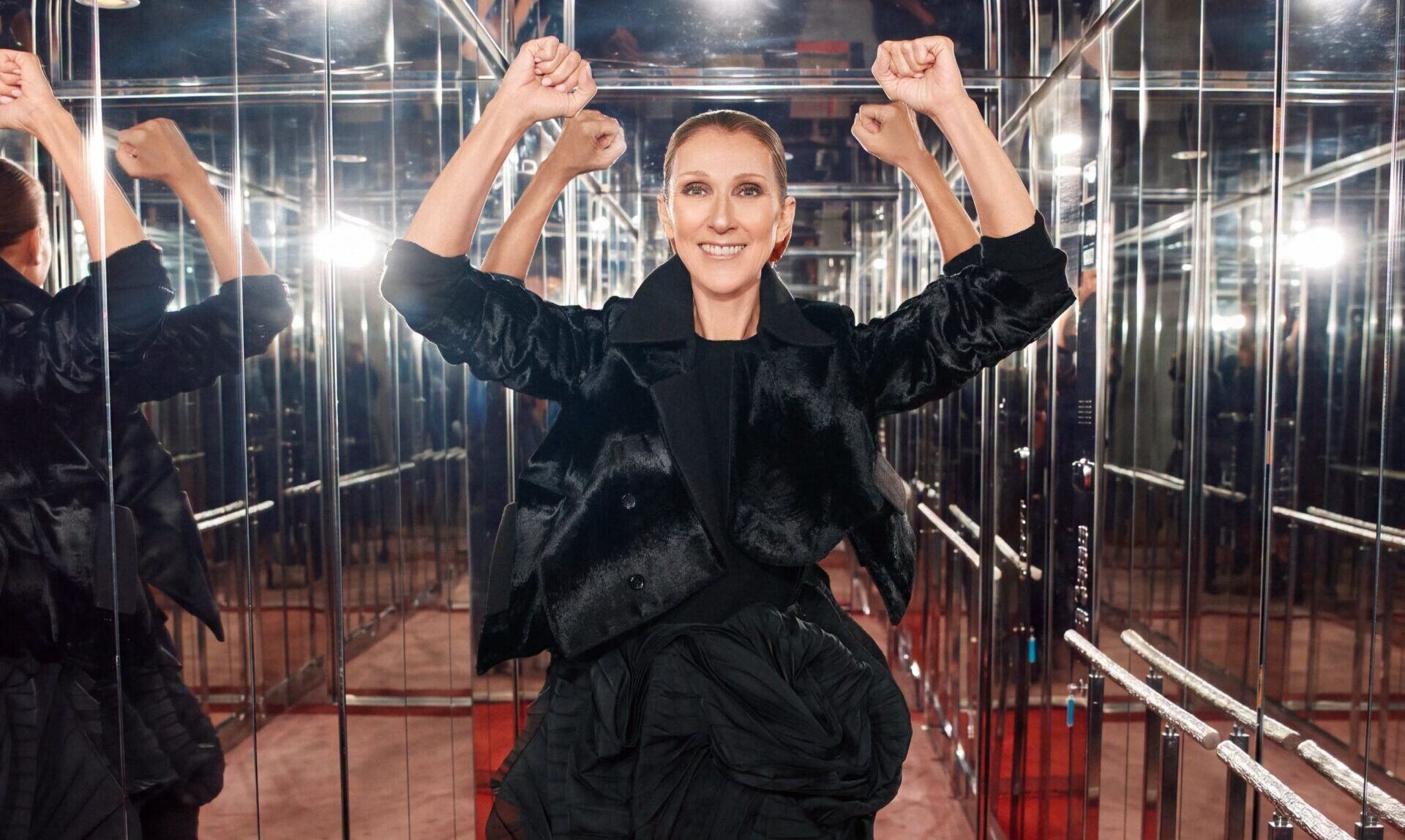
The development is particularly significant because stiff person syndrome (SPS) affects Canadian singer Céline Dion, whose diagnosis brought worldwide attention to the disorder. Researchers testing an advanced cancer treatment called CAR-T cell therapy have reported major improvements in several patients, including people who have regained abilities they feared they had permanently lost.
Patients With Céline Dion’s Condition Are Experiencing Major Improvements
Doctors at the Mayo Clinic have reported encouraging results from research investigating CAR-T cell therapy as a potential treatment for stiff person syndrome. The experimental approach uses a patient’s own immune cells, which are modified in a laboratory before being returned to the body to target cells involved in the disease.
The results have attracted attention because some participants had previously struggled with walking and everyday activities. Following treatment, several experienced improvements in their mobility and physical functioning, allowing them to resume activities that had become difficult or impossible.
The experiences of two participants have particularly illustrated the potential impact of the treatment. Jonathan Walden had reached a stage where walking and completing basic daily tasks required assistance from his family. Following CAR-T therapy, he returned to work and began enjoying his favourite outdoor activities again.
“I can go to work every single day. I can do everything I did before. I go hunting; I can go fishing,” Walden said. He also explained that he had not experienced another episode since receiving the treatment, describing a dramatic change in his daily life.
Another participant, Shari St Germain, had experienced severe leg cramps and increasing difficulty walking. Her condition eventually progressed to muscle rigidity and falls, making ordinary movement increasingly challenging despite existing treatments.
Following CAR-T therapy, St Germain began experiencing improvements that she had struggled to imagine. One particularly emotional moment came when she managed to walk on a treadmill for seven minutes, something that had previously become extremely difficult.
“After the treatment, I got up one day and I’m like ‘I’m feeling really good’, and I went to walk on the treadmill,” she said. Her husband rushed into the room after noticing she was crying, only to discover that she was overwhelmed because she had managed to walk again.
What Makes Stiff Person Syndrome So Difficult To Treat?
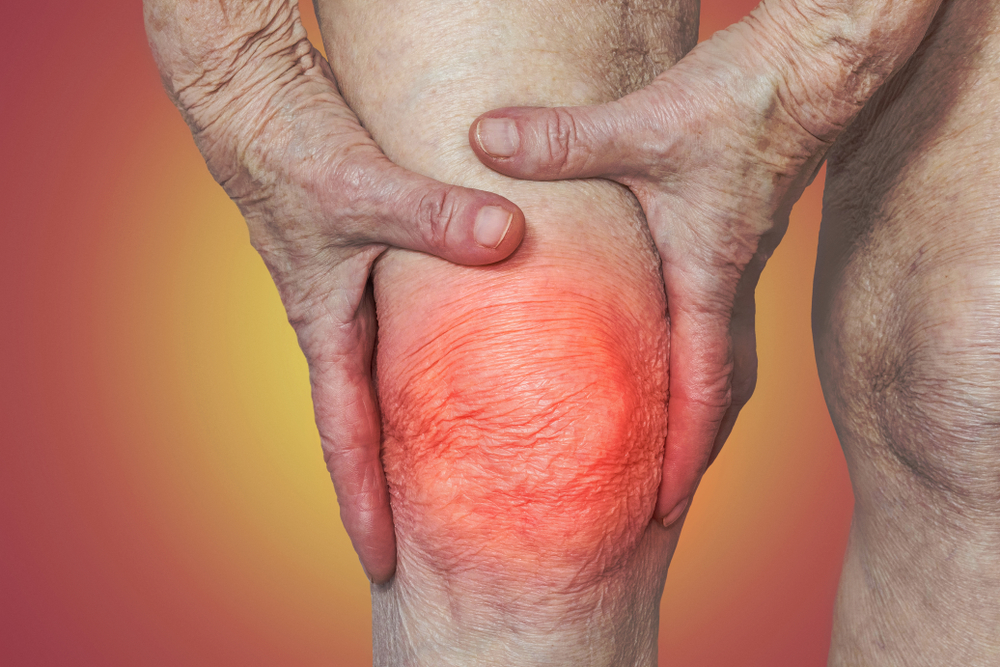
Stiff person syndrome is a rare neurological and autoimmune disorder that affects the central nervous system. It can cause progressive muscle stiffness, painful spasms and difficulties with movement that may become increasingly severe over time.
The condition involves an abnormal immune response that interferes with the nervous system’s ability to regulate muscle activity. Many patients have antibodies against GAD65, a protein involved in producing gamma-aminobutyric acid, commonly known as GABA. This chemical helps regulate nerve activity and plays an important role in controlling muscle movement.
When these processes are disrupted, the muscles can become unusually stiff and vulnerable to sudden spasms. Symptoms can affect the torso, spine, arms and legs, with some patients experiencing considerable difficulty maintaining balance or walking independently.
Everyday Sounds And Movements Can Trigger Painful Spasms
One particularly difficult aspect of SPS is the unpredictable nature of its symptoms. Sudden noises, unexpected movements and emotional stress can trigger muscle spasms that may be severe enough to cause someone to fall.
For people with advanced symptoms, even leaving the house can become stressful because an unexpected sound or movement may trigger an episode. Some patients gradually become dependent on family members for assistance with activities that previously required little effort.
The condition can also affect a person’s ability to work, maintain relationships and participate in hobbies. As symptoms progress, the physical restrictions can have a significant impact on independence and quality of life.
Why Céline Dion’s Diagnosis Brought Worldwide Attention
Céline Dion publicly announced her diagnosis in December 2022, explaining that the condition had affected her ability to perform and manage everyday activities. The singer revealed that SPS had affected “every aspect of my daily life”, including her voice.
Her diagnosis forced her to step away from performing as she dealt with the symptoms. Fans were particularly concerned because the condition can cause severe muscle spasms and interfere with the physical control required for singing.
Her 2024 documentary, I Am: Céline Dion, offered viewers a closer look at the challenges associated with the disorder. The film also helped introduce millions of people to a condition that remains unfamiliar to much of the public.
Dion’s experience has made developments in SPS research especially relevant to her supporters. However, there is currently no indication in the supplied reports that she has received CAR-T cell therapy or is participating in the clinical research.
How CAR-T Cell Therapy Works Inside The Body
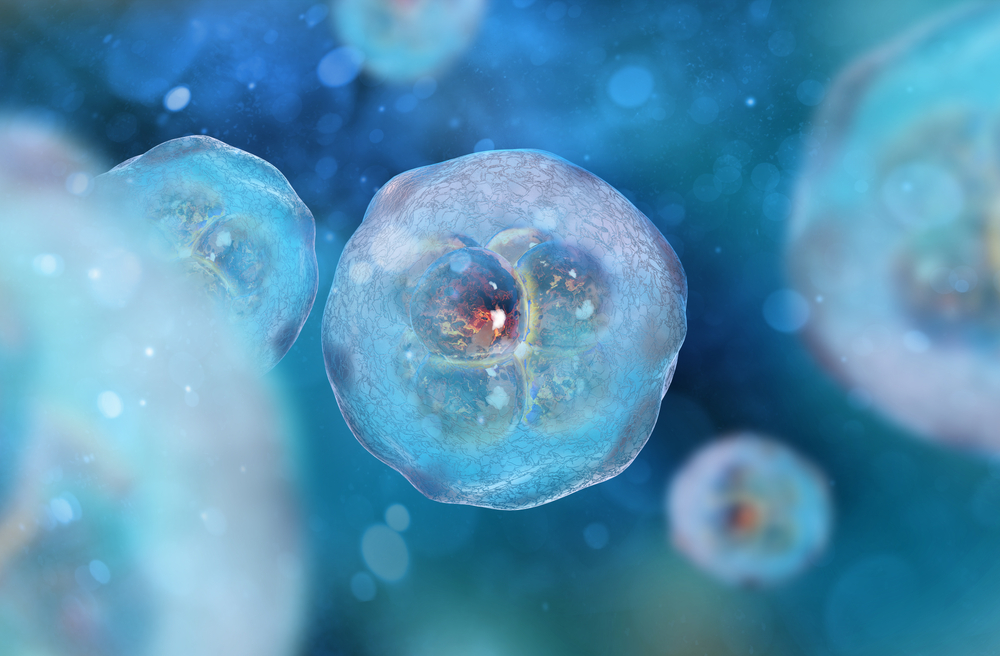
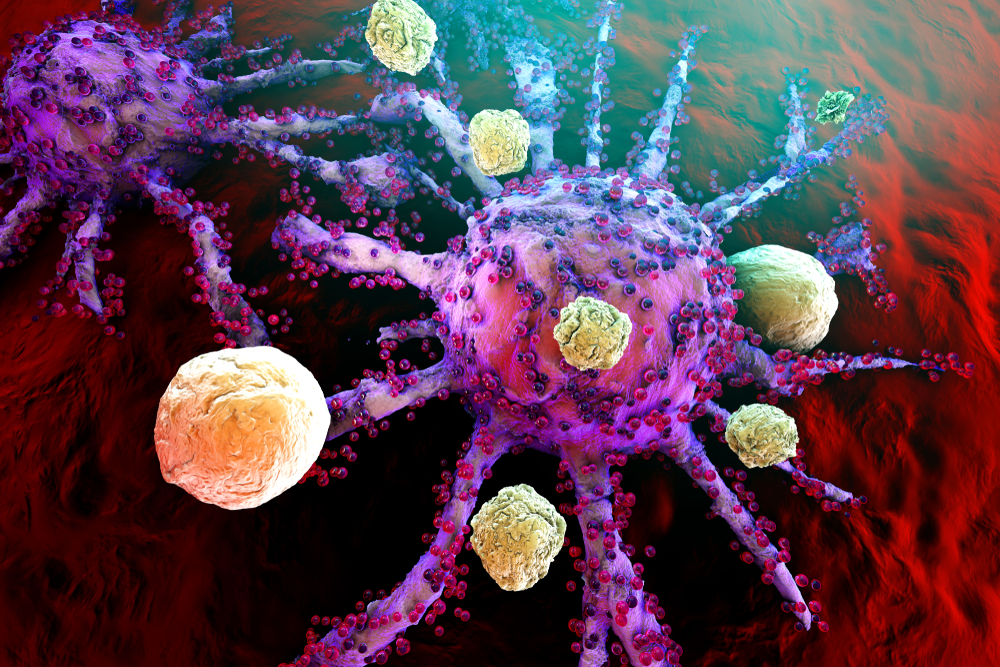
CAR-T stands for chimeric antigen receptor T-cell therapy. It is an advanced form of immunotherapy that involves collecting a patient’s T cells and genetically modifying them to recognise particular targets.
T cells are part of the immune system and normally help the body identify and fight harmful threats. During CAR-T treatment, doctors collect these cells from the patient’s blood and send them to a laboratory, where they are engineered to recognise a specific protein.
The modified cells are then returned to the patient’s body through an infusion. Once inside, they can identify and attack cells carrying the targeted protein.
The treatment has already been used for certain blood cancers, including particular forms of leukemia and lymphoma. Researchers are now investigating whether its ability to target specific immune cells could help people with autoimmune disorders.
Why Researchers Are Targeting B Cells

The SPS research uses a specialised CAR-T approach designed to target CD19, a protein found on B cells. These immune cells can contribute to abnormal autoimmune activity by producing antibodies that mistakenly target healthy components of the body.
The treatment investigated in the trial is called mivocabtagene autoleucel, also known as miv-cel. By targeting CD19-positive B cells, researchers hope to reduce the immune activity contributing to the neurological disorder.
The approach could potentially change how autoimmune conditions are treated. Conventional therapies often focus on controlling symptoms or suppressing immune activity, while CAR-T aims to remove specific immune cells involved in the abnormal response.
Researchers hope this could help the immune system return to a more balanced state. However, scientists still need to establish how long the effects last and whether the treatment can consistently deliver improvements across larger groups of patients.
What The Clinical Trial Revealed About Patient Recovery

The second supplied research report describes the phase II KYSA-8 clinical trial, which involved 26 adults with stiff person syndrome who had not responded adequately to previous immunomodulatory treatments. Participants received a single infusion of the experimental CAR-T therapy after preparatory chemotherapy.
Researchers assessed changes in walking ability, muscle stiffness and other symptoms following treatment. The findings included improvements in mobility that were particularly encouraging for patients who had previously experienced significant physical limitations.
At the 16-week assessment, participants were, on average, 7.69 seconds faster at completing a 25-foot walking test. The report also described a 45.6% median improvement in walking performance, with 21 participants demonstrating significant gains in walking speed.
Eight participants were able to complete the walking test in less than five seconds. According to the supplied research summary, none had achieved that result before receiving treatment.
The researchers also observed improvements in muscle stiffness and sensitivity to triggers. Four participants had no measurable stiffness at the 16-week assessment, while improvements remained present for most participants at 24 weeks.
Another notable finding involved patients’ use of conventional immune treatments. The supplied report states that all 26 participants remained off their usual immunotherapy and immunosuppressive medications by the end of follow-up.
These findings have attracted attention because existing treatments do not always restore physical abilities that patients have lost. For someone who has struggled to walk independently, improvements in mobility can have a substantial effect on everyday life.
However, the results should be interpreted carefully. The trial involved a relatively small group of participants, and longer follow-up is necessary to determine whether the benefits will continue.
The Side Effects Doctors Are Still Monitoring
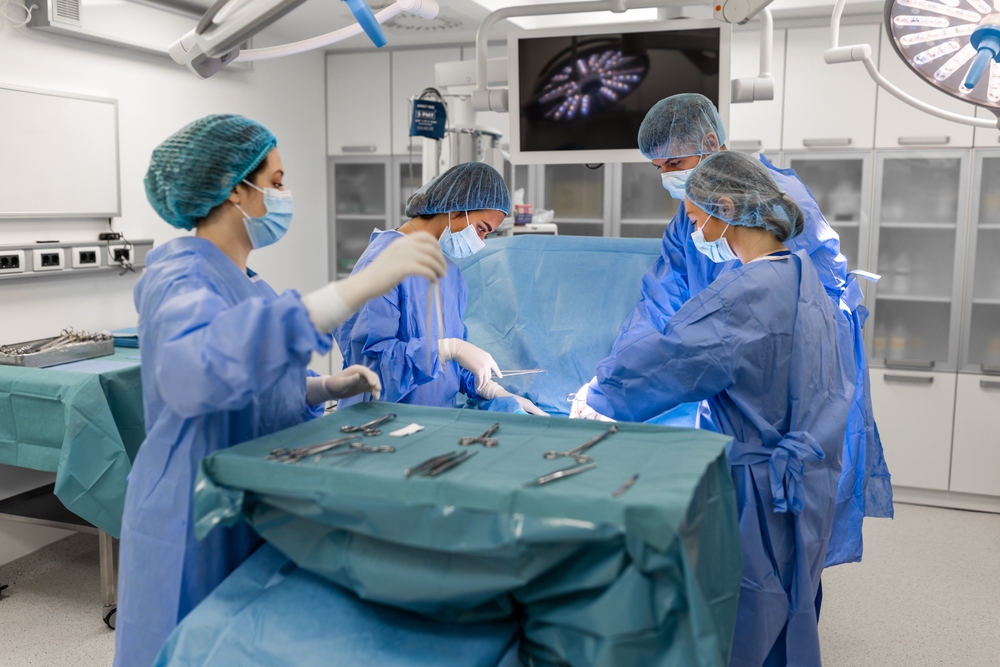
CAR-T therapy has produced major advances in cancer treatment, but it can also cause significant complications. The same powerful immune response that makes the treatment effective can create risks that require close medical supervision.
According to the second supplied report, every participant in the SPS trial experienced at least one adverse effect. One of the most frequently reported complications was cytokine release syndrome, a reaction caused by widespread immune system activation.
Twenty-four of the 26 participants developed cytokine release syndrome. The reported cases were mild or moderate and resolved without lasting harm, but the complication remains an important consideration when evaluating the treatment.
Three participants also experienced low-grade immune effector cell-associated neurotoxicity syndrome, commonly known as ICANS. This complication can affect the nervous system and may cause symptoms requiring medical attention.
Other reported side effects included neutropenia, a reduction in neutrophils that help the body fight infections. Low neutrophil levels can increase vulnerability to infections, making blood monitoring an important part of treatment.
The reported safety findings provide useful information about the treatment’s risks, although they do not establish that CAR-T therapy will be safe for every person with SPS. Larger studies and longer observation periods will be necessary to understand the frequency and severity of complications.
Doctors must also consider the specialised facilities and medical teams required to administer CAR-T therapy. Its use in autoimmune neurological conditions will depend on further research into patient selection, treatment protocols and long-term safety.
Why Researchers Are Calling The Results Encouraging
Dr Anastasia Zekeridou, a neurologist and researcher at Mayo Clinic in Rochester, highlighted the degree of improvement observed in some participants. She explained that the results stood out because patients were regaining physical abilities that conventional treatments rarely restore.
“What was most striking was the degree of improvement we saw in some patients,” Zekeridou said. She also explained that existing treatments can improve symptoms, but returning patients to their previous levels of functioning is much less common.
“These early results are very encouraging and the key question now is whether those improvements will be sustained over time,” she added.
Her comments reflect the central question surrounding the research. The early improvements are encouraging, but doctors need to determine whether they represent lasting changes or temporary benefits.
Dr Sean Pittock, chair of the department of neurology at Mayo Clinic, also discussed the wider implications of the findings. He noted that CAR-T therapy has already transformed the treatment of certain cancers and could have applications in autoimmune neurological conditions.
“The results in stiff person syndrome offer tremendous hope, not only for people living with this disease but potentially for patients with other immune-mediated neurologic conditions where effective treatment options remain limited,” Pittock said.
He also acknowledged that further research is necessary before doctors can understand the full potential of the approach. The findings have opened a new research direction, particularly for patients who have struggled to find effective treatment options.
Could CAR-T Therapy Eventually Help Céline Dion?
The research has naturally raised questions about whether the treatment could benefit Céline Dion. Her diagnosis has brought international attention to SPS, and the reported improvements among trial participants offer a reason for patients and families to follow developments closely.
However, there is currently no evidence in the supplied reports that Dion is receiving this experimental treatment. Her individual medical circumstances and suitability for any particular therapy would need to be assessed by her healthcare team.
CAR-T therapy also remains under investigation for stiff person syndrome. It is too early to describe it as an established treatment or suggest that it will become suitable for everyone living with the condition.
Patients currently rely on approaches that may include muscle relaxants, immunotherapies and rehabilitation. These treatments can help manage symptoms, although their effectiveness varies between individuals.
The new research is particularly interesting because it explores a different way of addressing the immune activity associated with SPS. If further studies confirm the early findings, CAR-T could eventually become an additional option for people whose symptoms remain difficult to control.
Larger Studies Will Determine Whether The Breakthrough Lasts
Despite the encouraging findings, several important questions remain unanswered. The researchers need to establish whether the improvements can be maintained over several years and whether similar results will occur in larger groups of patients.
The phase II research provides an early indication of what CAR-T therapy might achieve, but it cannot establish long-term effectiveness on its own. Further clinical studies will need to examine how patients respond across different stages of the disease and whether some groups benefit more than others.
Scientists will also need to investigate the possibility of symptoms returning after treatment. The immune system is complex, and researchers must understand whether targeting specific B cells can produce lasting changes in the autoimmune processes associated with SPS.
Another challenge will involve making the treatment accessible. CAR-T therapy requires specialised laboratory procedures, trained medical professionals and facilities capable of managing potential complications.
Yasmin Sheikh, head of policy and public affairs at Anthony Nolan, a blood cancer charity not involved in the trial, welcomed the wider potential of the research. She explained that CAR-T therapies could have applications beyond blood cancer and offer new hope to people living with other conditions, including SPS.
She also highlighted the need for specialist staff and infrastructure so that patients can benefit from future developments without unnecessary delays.
For now, the experiences of Walden and St Germain provide a powerful indication of what improved mobility can mean for someone living with a debilitating neurological condition. Their progress has given researchers further motivation to investigate a treatment that could eventually offer new possibilities to people who have spent years fighting to regain control of their bodies.
Featured Image From Facebook @Céline Dion