
Your cart is currently empty!
Health Officials Say Dangerous Cat-Spread Fungus Reaching the U.S. Is Only a Matter of Time
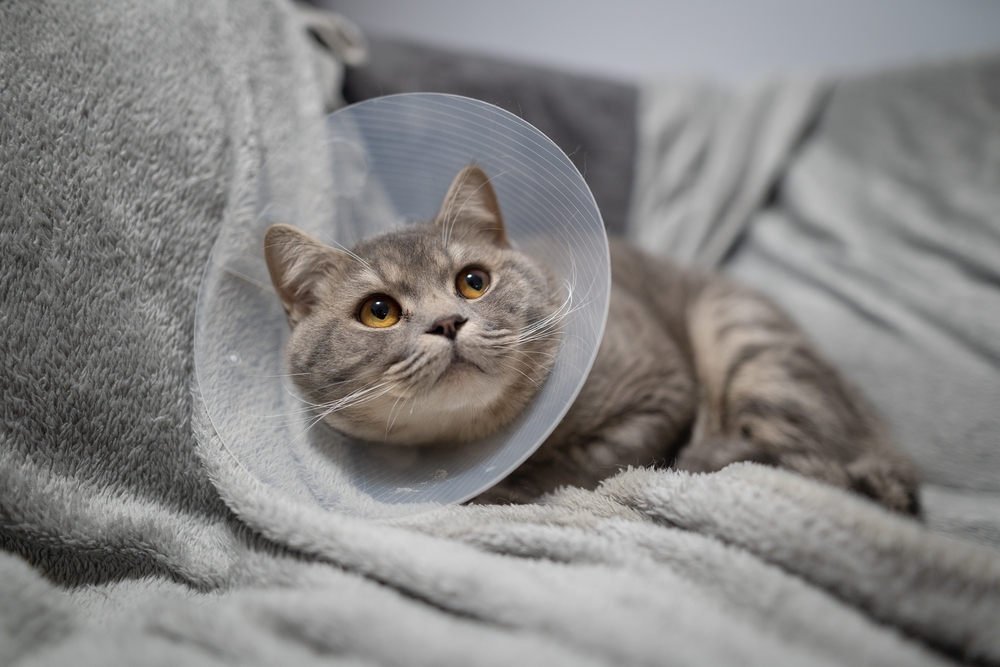
A family in England was doing everything right by their sick cat. He’d flown over with them from Brazil three years earlier — nine years old, long-haired, completely part of the family. When sores opened up on his head and paws and wouldn’t close, they cleaned them. They held him steady at the vet. They pushed his pills past his teeth, the way you do when you love an animal and just want it to get better.
Contents
show
What nobody in that house realized was that every one of those caring acts was also a way the infection could spread. The cat wasn’t just sick — he was passing it on. Four months after his first sore showed up, the people who’d been taking care of him started noticing something on their own skin.
The Sores That Would Not Close
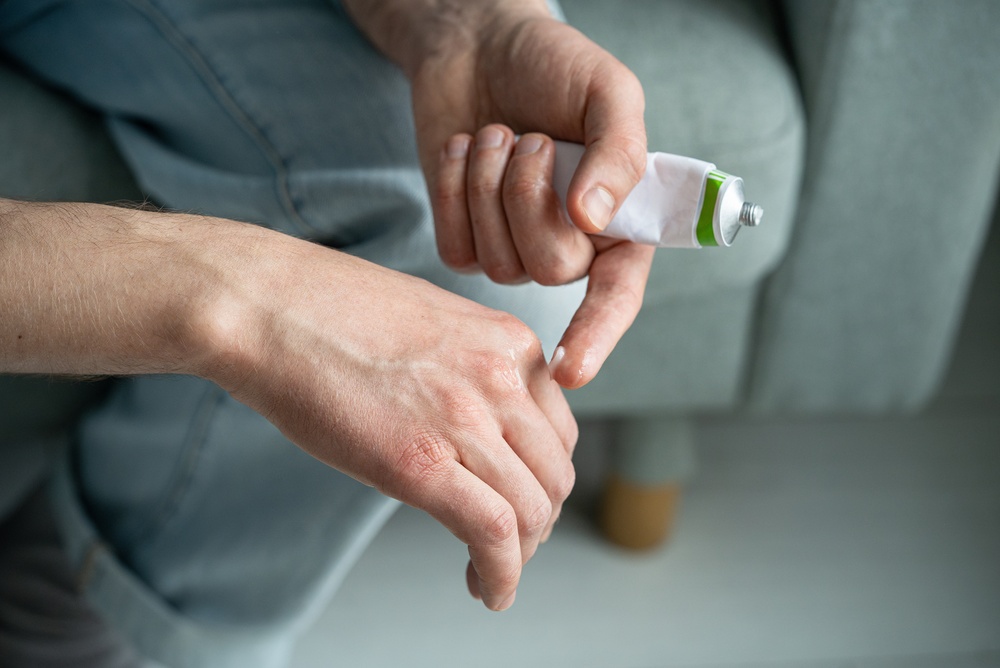
A 63-year-old woman in the household, her 30-year-old daughter, and the veterinarian treating the cat, a man in his late twenties, all developed painless nodules and ulcerations that refused to heal.
Hold onto this part first, because it is the part that matters most: all three of them recovered. So did the cat. A long course of the antifungal itraconazole cleared it.
What made the case land was not the outcome. It was the address. These were the first three cases of cat-transmitted sporotrichosis caused by Sporothrix brasiliensis ever recorded outside South America, and the first of any kind in the United Kingdom. One family. One cat. One flight.
A Mold in the Cold, a Yeast in the Beast
This fungus lives two lives. Out in the soil it grows as a mold. Inside a warm body it converts into yeast.
“It is a mold in the cold and a yeast in the beast,” Shawn Lockhart, a senior adviser at the CDC, told Science News.
That small transformation is the whole story. The yeast form can pass directly from cat to cat and from cat to person, with no trip through the dirt in between. “That doesn’t happen with any of the other dimorphic fungi,” Lockhart said.
Most fungal infections you pick up off the ground. This one you pick up from something warm that wants to be near you.
Why a Cat Is Such an Efficient Courier
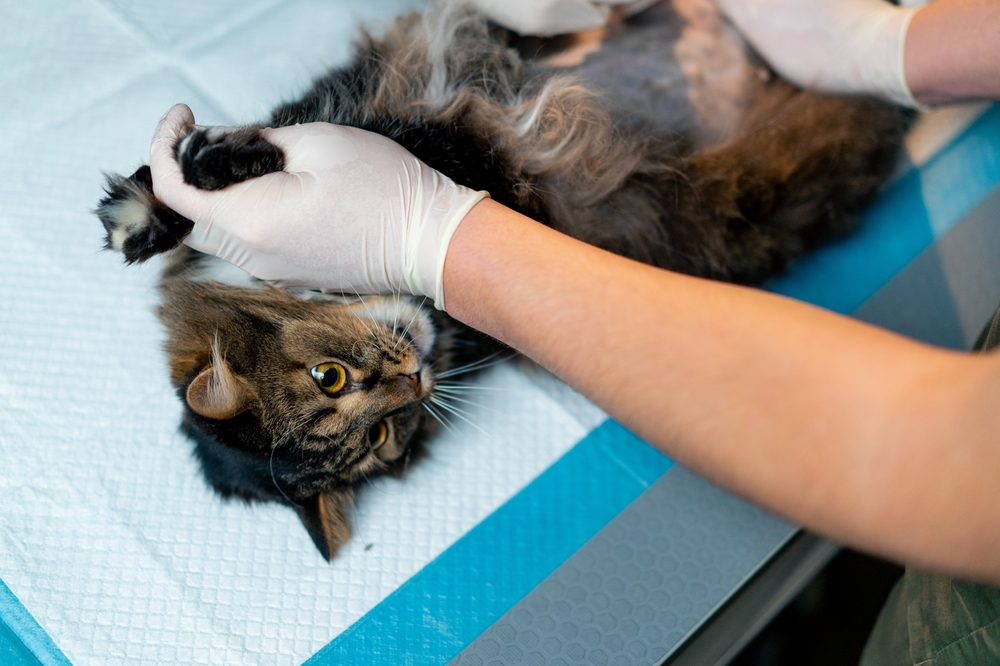
If you live with cats, you already know why this one travels so well. “Those of you who have cats, you know they do two things,” Lockhart said. “They’re loving all over each other, grooming each other, licking, or they’re fighting, biting and scratching.”
Both halves of that affection move the fungus. So does a sneeze. “When the cat’s sneezing, it’s going on the surface, it’s going on the lab coats, it’s going into the air, it’s going everywhere,” he said.
And it lingers. One lab experiment found the fungus still growing up to 10 weeks later on stainless steel discs chosen to mimic a veterinary exam table.
Then the line that stops cat owners cold. “I’m convinced that half of the human cases that come from cats are people who are trying to stuff pills down their cat’s throats,” Lockhart said. That is his read, not a measured figure, and it says something gentle and awful at once about how this thing finds us.
The Scale Brazil Has Been Carrying

Since it surfaced in Brazil in the 1990s, this fungus has infected more than 11,000 people and at least 200 dogs across South America, along with thousands of cats.
In Curitiba, the CDC’s own Emerging Infectious Diseases journal documented reported cases climbing from 0.3 per 100,000 outpatient visit-years in 2011 to 21.4 in 2021. Of the 216 cases reviewed there, 98 percent traced back to a cat.
By 2022 it had been reported in 25 of Brazil’s 26 states. That is not an outbreak anymore. That is a country living with something.
Cold Was Supposed to Be the Wall
Paraguay. Argentina. Chile. Uruguay. The map keeps quietly widening.
Chile is the one that unsettles researchers, because Chile gets cold, and cold was the comfort everyone was leaning on. A study published in January 2026 traced the country’s first confirmed human isolation to the Valparaíso region in 2023, alongside a feline outbreak in Magallanes, near the southern tip of the continent. The fungus, its authors wrote, “has a unique ability to persist in cold environments and become established in feline populations outside its traditional climatic distribution area.” Winter, it turns out, is not the wall we assumed.

Only a Matter of Time
Lockhart’s “matter of time” is a forecast, not a detection, and the gap he keeps circling back to is a paperwork one.
There is no commercially available test for this species, and cats entering the United States need only a certificate from a vet saying they appear healthy. A cat with one small sore hidden under long fur clears that bar without breaking stride.
“All it takes is one traveler bringing their cat with them, and it can emerge anywhere,” he said.
It may have happened once. A patient in Boston developed sporotrichosis after being bitten by a cat in Minas Gerais, Brazil, before traveling to Massachusetts. The species was never confirmed by molecular testing, so it remains a suspicion. As of January 2026 there is no confirmed evidence the fungus has taken hold in animals or the environment anywhere in the United States.
Proven Interventions: Treatment and Prevention

Now the reassuring part, this is treatable. Itraconazole is the standard drug for cats and people alike, and a 2025 study of 108 feline isolates from the Brazil, Paraguay and Argentina border region found every one of them still susceptible to itraconazole, amphotericin B, voriconazole, posaconazole and terbinafine. Courses run long, and outcomes vary from one patient to the next.
Untreated is where it turns. “Without treatment, it’s 100 percent fatal, and even with treatment, it has a pretty high fatality rate,” Lockhart said of infected cats. In that same study, 61 percent of cats with disseminated disease died, while the cats whose infection stayed in the skin all survived.
Which means the protective moves are small and unglamorous, and they are yours.
Wear gloves when you handle a cat with an open sore that will not heal, and wash afterward. A wound that spreads instead of closing is a vet appointment, not a wait-and-see. A painless bump or stubborn ulcer on your own skin after nursing a sick cat is worth mentioning to your doctor, cat included. Veterinary guidance calls isolating a diagnosed cat the first indispensable preventive measure. The weight of the risk falls hardest on people who are immunocompromised, and on vets, shelter staff and rescuers.
A Manageable Threat with Early Detection

That family in England — and their vet — all made it through fine. Why? Because someone noticed the sores, recognized what they might be, and got them treated in time.
That’s really the whole point of this story. This fungus isn’t unbeatable. What matters most is whether the person looking at a wound — a vet, a doctor, a worried pet owner — knows enough to take it seriously. And more people are starting to.
Ian Hennessee, who works on fungal diseases at the CDC, warned veterinarians that if this fungus ever took hold in the U.S., it would put both cats and the people caring for them at risk.
Lockhart didn’t sugarcoat it: “What we have right now is this ginormous ongoing outbreak of Sporothrix brasiliensis in Brazil. This is something we are very, very worried about.”
But worry, for the people who study this every day, isn’t fear. It’s readiness. It’s what keeps someone checking a wound a second time instead of shrugging it off.
Source:
- CDC issues warning about spread of cat-transmitted sporotrichosis. (n.d.). In American Veterinary Medical Association. Retrieved August 18, 2026, from https://www.avma.org/news/cdc-issues-warning-about-spread-cat-transmitted-sporotrichosis