
Your cart is currently empty!
CBP Says the Border Wall Is Done by 2027, Then Admits It Won’t Stop Smugglers
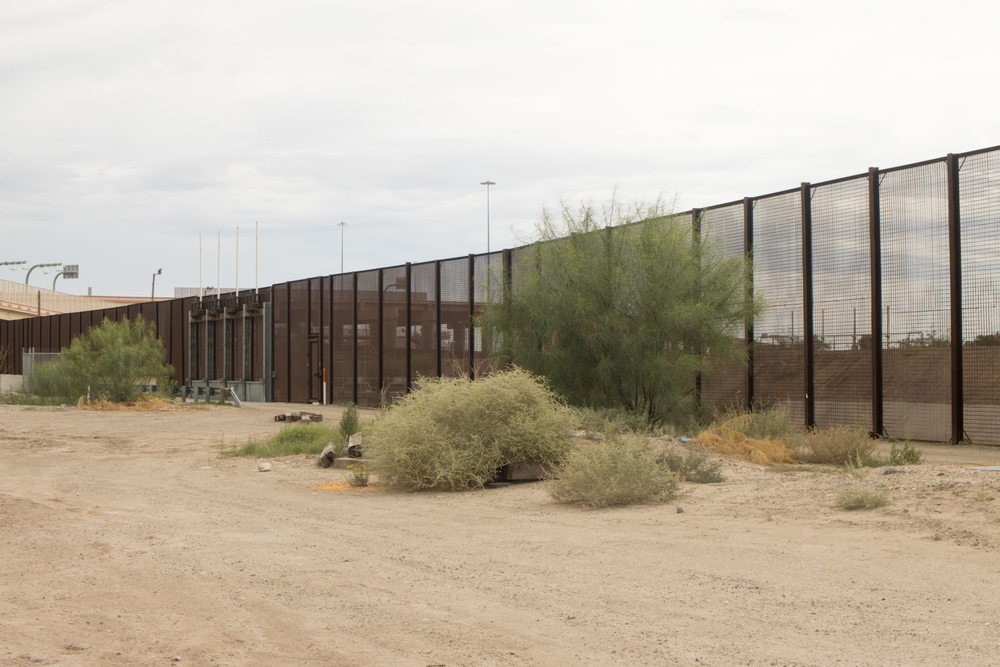
For nearly a decade, the southern border wall has been less a construction project than a political symbol, promised in 2016, fought over in courts and budgets, and invoked in countless campaign speeches without ever quite reaching completion. That changed in tone this week when Customs and Border Protection Commissioner Rodney Scott stood before an audience in Washington and gave the project something it had never really had before: a concrete finish date.
Contents
show
The primary wall, he said, will be done by the end of 2027. What he said next, about what the finished wall will and will not accomplish, was considerably more surprising than the timeline itself, and it came from the man responsible for building it.
A Timeline, at Last
Speaking at a Center for Immigration Studies event, Scott laid out a schedule with more specificity than the project has typically received. The barrier is constructed from reinforced metal beams and is intended to run from San Diego in the west to the Gulf of Mexico in the east, covering the length of the US-Mexico border with certain deliberate exceptions.
“The primary border wall will be done by the end of 2027,” Scott said. The physical wall is only one component of what officials describe as a larger system. Electronic surveillance equipment and other devices would be installed by approximately July, or at the latest August, of 2028. Secondary barriers and a water barrier along the Rio Grande would also be completed in that same 2028 window. The result, in the administration’s framing, is not simply a wall but an integrated barrier-and-technology system meant to give the government what officials call operational control of the border.
That timeline puts the project’s core completion roughly eighteen months out, with the supplementary systems following about half a year after that.
The Gaps Built In on Purpose
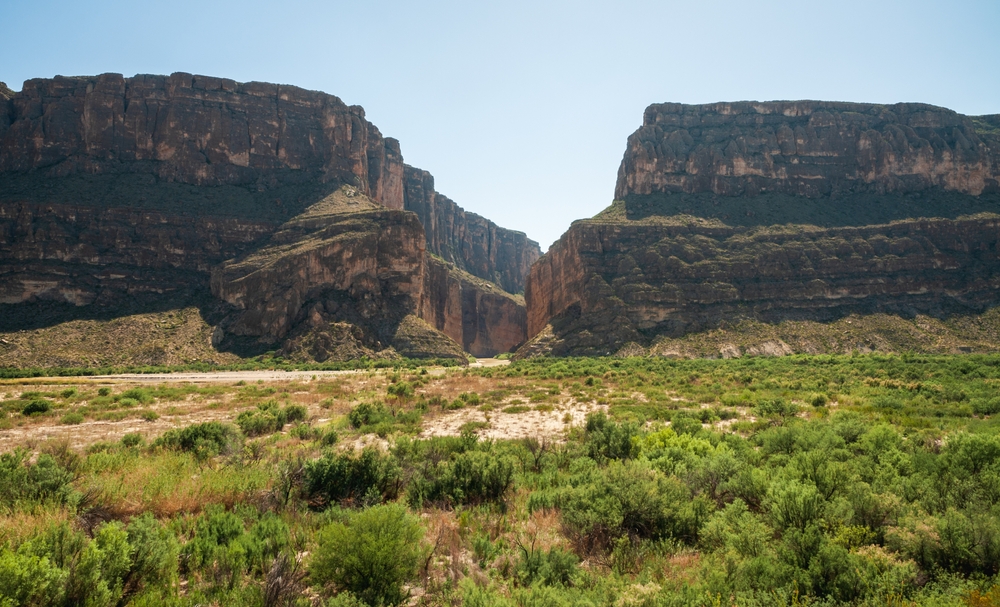
The phrase “San Diego to the Gulf of Mexico” suggests an unbroken barrier stretching across the entire southern border, but Scott was clear that the reality includes intentional gaps. These are not sections left unfinished for lack of time or money. They are stretches where officials decided a wall was unnecessary.”There’s a couple of gaps,” Scott said. “The only places we’re not building a border wall is places where we’ve made a conscious decision that we don’t need it. Big Bend National Park, for example — super remote area, some very, very high cliffs.”
Big Bend, a vast and rugged stretch of West Texas wilderness, presents natural barriers in the form of its terrain and isolation that officials judged sufficient on their own. The cliffs and remoteness that make the area difficult for tourists to reach also make it impractical for smuggling on any significant scale, and building a wall through it would mean enormous expense for limited benefit. The decision to leave such areas open reflects a more selective approach than the all-or-nothing rhetoric that has often surrounded the project, and it is a meaningful qualification of the idea that the border will be sealed end to end.
The Particular Problem of the Rio Grande
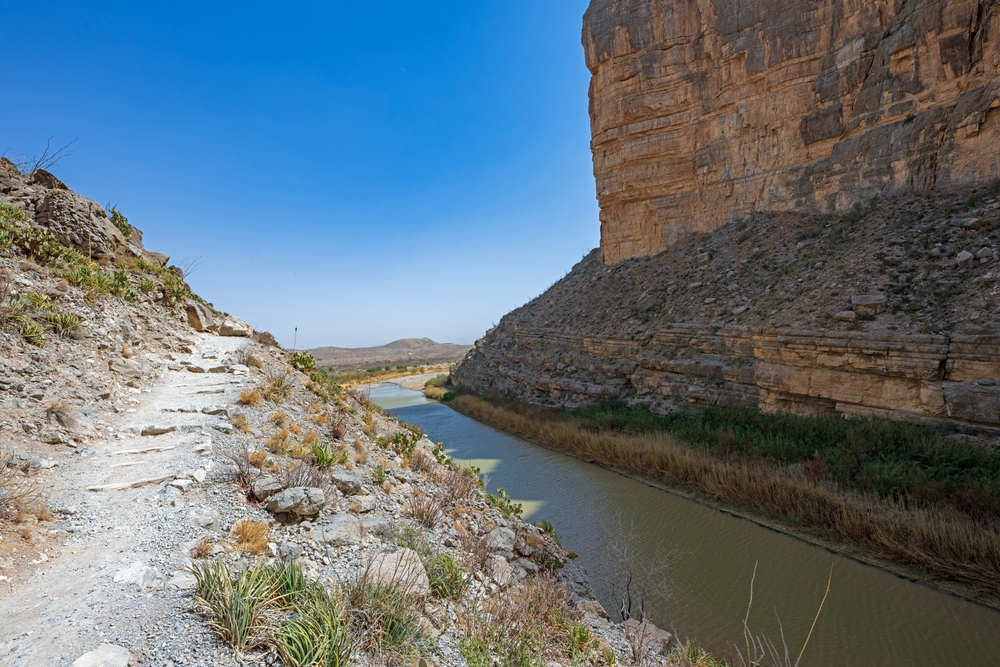
The western portions of the border run through open desert terrain where a wall of metal beams can be installed in a relatively straightforward fashion. Texas presents a fundamentally different challenge, because for more than 1,200 miles the border is not land at all but water. The Rio Grande forms the boundary between the two countries along that entire stretch, and a river cannot simply have a metal fence dropped onto it.
Scott indicated that this section will get its own combination of barriers suited to the geography. “We’ll have the entire system to include a secondary barrier in places we need it — the water barrier and the Rio Grande River — and the technology,” Scott said.
In practice, that means a layered approach along the Texas border, using the river itself as part of the barrier, supplemented by water barriers, secondary physical barriers where officials determine they are needed, and surveillance technology to cover what the physical structures cannot. It is a more complex undertaking than the Western Wall, and its inclusion in the 2028 completion window suggests officials view it as among the more difficult portions of the entire project.
The Admission Few Expected
The most striking moment of Scott’s remarks was not about timelines or terrain. It was his frank acknowledgment that the wall, once complete, will not actually stop the activities it was built to prevent. This is not a criticism leveled by opponents of the project. It came from the federal official directly responsible for it.
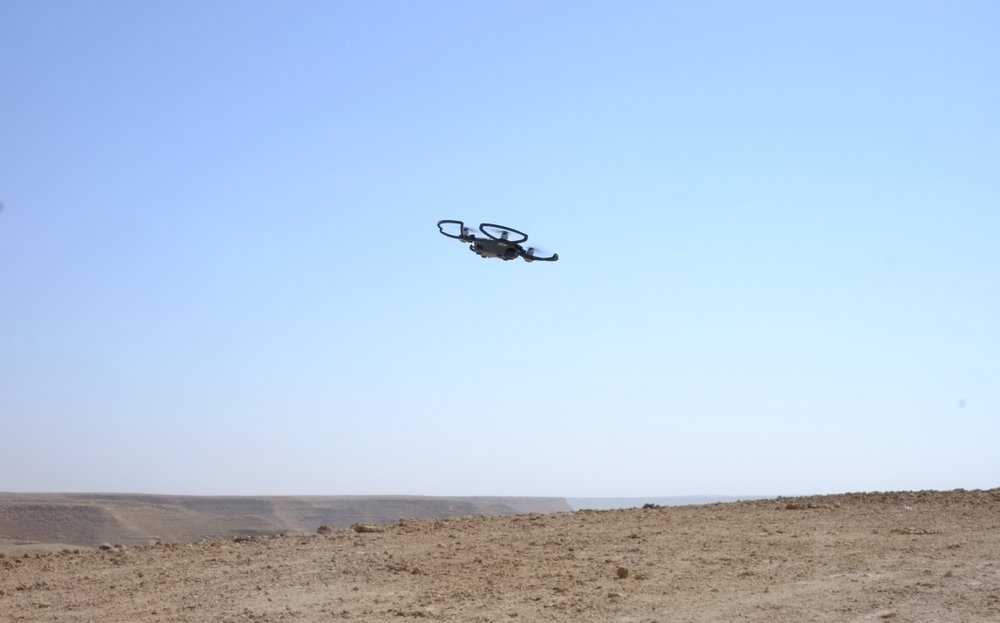
Smugglers and traffickers have already adapted to physical barriers using methods that route around them entirely. Tunnels dug beneath the border move drugs and people regardless of what stands on the surface. Drones have become a central tool, and not only for moving contraband. Scott described how cartels use them to monitor American enforcement in real time.
“We’d see the drones flying along the Rio Grande River watching and videotaping where all our guys are. That is their business model, and drones definitely make it easier,” Scott said. “They’re also smuggling narcotics across with drones.”
That description, of cartels surveilling Border Patrol positions by drone as a routine part of their operations and flying narcotics directly over the border, undercuts the premise that a physical wall represents a comprehensive solution. A barrier of metal beams does nothing against an aircraft flying above it or a tunnel running beneath it. Scott’s willingness to say so plainly, while announcing the wall’s completion date, gave his remarks a candor that border wall discussions have not always included.
The Money and the Order That Made It Real
The wall moved from perpetual promise to funded reality through two specific actions early in Trump’s second term. On his first day back in office in January 2025, Trump signed an executive order directing the relevant department secretaries to take all appropriate action to deploy and construct temporary and permanent physical barriers, with the stated goal of complete operational control of the southern border.
The funding followed in July 2025, when Congress approved the One Big Beautiful Bill Act, which included $46.5 billion for border wall construction. That figure represents one of the largest single allocations the project has ever received, and it is what underwrites the 2027 and 2028 completion targets Scott described. Without that congressional appropriation, the timeline he laid out would not be financially possible, which is part of what distinguishes this round of wall construction from the funding battles that constrained the effort during Trump’s first term.
The Numbers the Administration Points To
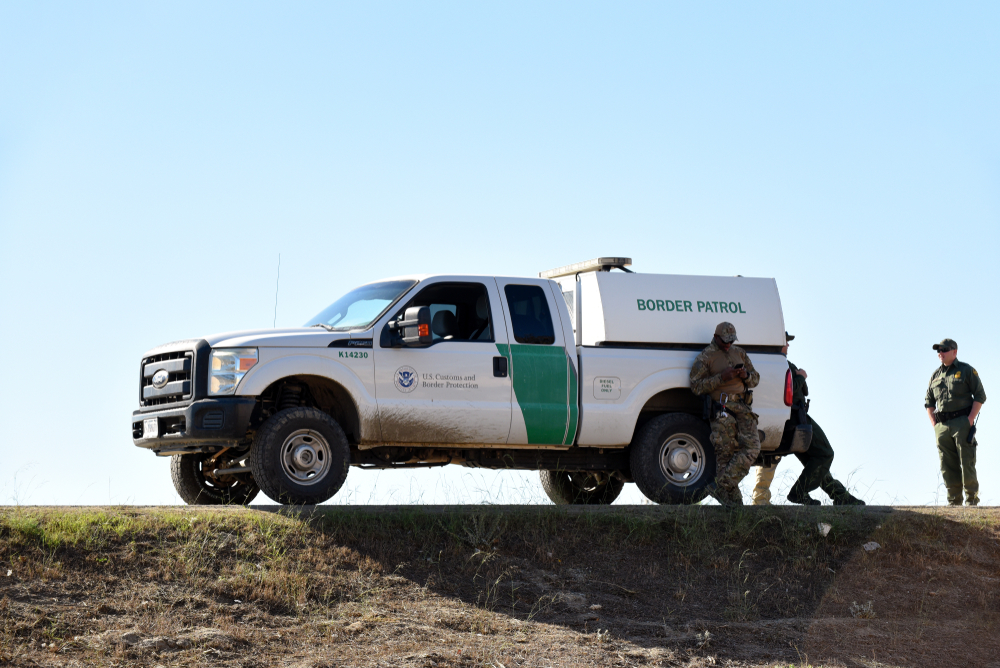
Alongside the construction timeline, Scott and other officials have pointed to border enforcement data they present as evidence that the broader approach is working. These figures come from CBP and administration officials, and are worth attributing carefully rather than treating as independently verified.
According to CBP, apprehensions in the Big Bend Sector fell 74 percent in fiscal 2025 compared with fiscal 2023. The agency has also credited autonomous surveillance towers with significantly reducing traffic. Last month, CBP released data it said marked a full year of zero releases at the southern border, with apprehensions dropping to their lowest levels in more than three decades.
The agency reported 8,943 apprehensions along the southwest border in April, which it characterized as a 94 percent decline from the monthly average under the Biden administration and 96 percent below the December 2023 peak. In a May statement, Scott said the Border Patrol released zero people into the country that month, contrasting it with April 2024, when he said more than 68,000 were released under the previous administration.
Deportations have been a parallel priority. Border czar Tom Homan said in a May interview that around 800,000 people have been removed from the country since Trump returned to office. Each of these figures originates with the administration making the case for its own policies, and they describe an enforcement picture that the administration presents as a sharp departure from the preceding years.
A System Meant to Do What a Wall Alone Cannot
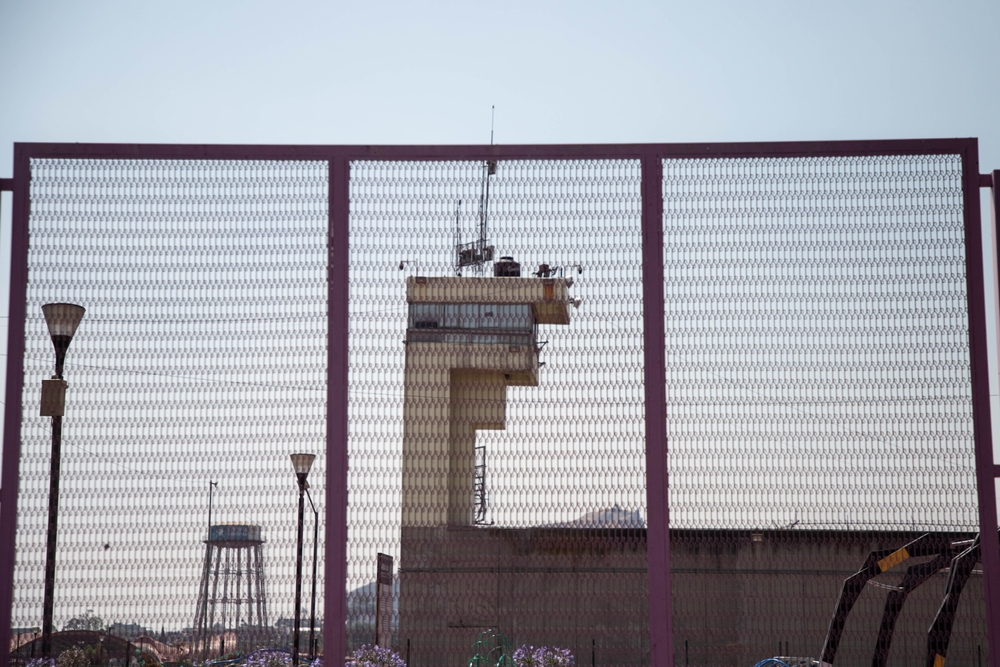
What officials describe, taken together, is not really a wall in the singular sense the word implies. It is a layered system: a primary barrier of reinforced metal beams across most of the border, secondary barriers where officials judge them necessary, a water-and-river barrier strategy along the Rio Grande, and a surveillance network of electronic sensors and autonomous towers layered over all of it. The target for the full system is 2028, with the primary wall arriving a year sooner.
The tension Scott’s announcement leaves in place is the one running through his own remarks. The administration presents declining apprehension numbers as proof that the strategy is succeeding. The official overseeing the wall acknowledges, in the same set of comments, that the central physical structure cannot stop the tunnels beneath it or the drones above it, both of which smugglers are already using as a matter of routine.
Whether the completed system delivers the operational control it promises, or whether it mainly accelerates the shift of clandestine activity toward the methods that route around physical barriers entirely, is something the 2027 and 2028 deadlines will eventually put to the test. For now, the wall has what it has long lacked, which is a date. What that date will actually mean for the border is a question even the people building it are not claiming to have fully answered.
border apprehensions data, border barrier system, border operational control, border wall 2028, border wall completion 2027, border wall executive order, border wall funding, border wall San Diego Gulf, cartel drones border, CBP border statistics, illegal immigration decline 2026, narcotics trafficking border, Rodney Scott CBP, southern border wall timeline, Tom Homan deportations, Trump border wall, US Mexico border security, US Mexico border wall