
Your cart is currently empty!
Cells From Dead Organisms Are Forcing Scientists To Rethink Life And Death
The boundary between life and death has always seemed clear from a distance. Under the lens of modern biology, that boundary is becoming more complicated than many people expected.
Contents
show
Researchers studying biological robots have found that some cells taken from dead organisms can survive, reorganize, and form tiny mobile structures with new abilities. The finding has been described as a “third state,” a phrase that sounds almost cinematic but comes from a serious scientific question: what can cells still do after the organism they came from has died?
The Claim At The Center Of The Discovery
The concept was described in Biobots Arise From The Cells Of Dead Organisms: Pushing The Boundaries Of Life, Death And Medicine, writing that “the emergence of new multicellular life-forms from the cells of a dead organism introduces a ‘third state’ that lies beyond the traditional boundaries of life and death.” They also noted that “scientists consider death to be the irreversible halt of functioning of an organism as a whole,” while organ donation shows that organs, tissues, and cells can continue functioning for a period after death.
The key distinction is important. This research does not suggest that a dead organism returns to life. It shows that certain cells may keep enough biological flexibility to reorganize when given the right lab conditions, including nutrients, oxygen, bioelectricity, or biochemical cues. Noble and Pozhitkov wrote that these cells can “transform into multicellular organisms” with new functions after death, which shifts the discussion from resurrection to cellular potential.
How Frog Cells Became Xenobots
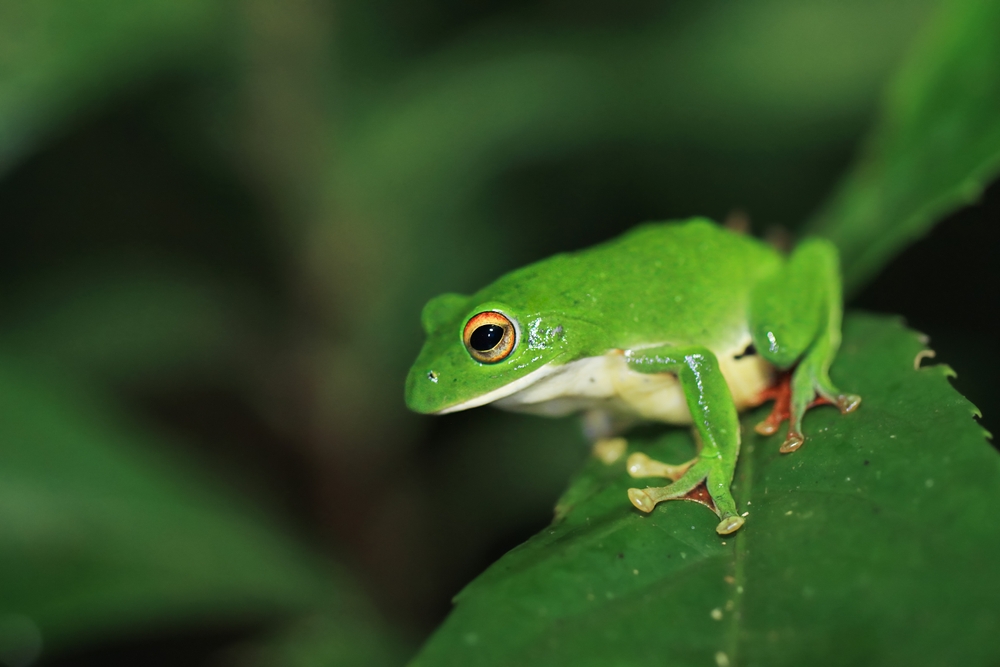
One of the clearest examples involves xenobots, tiny biological structures made from cells of the African clawed frog, Xenopus laevis. Researchers found that skin cells from deceased frog embryos could adapt to a petri dish and spontaneously reorganize into multicellular organisms called xenobots. These structures used cilia, small hair-like projections, to move through their surroundings, even though those same cilia usually help move mucus in a living frog embryo.
The work became even more striking when researchers reported that xenobots could replicate in an unusual way. A 2021 paper found that synthetic multicellular assemblies can replicate by “moving and compressing dissociated cells in their environment into functional self-copies.” The abstract describes this form of perpetuation as “previously unseen in any organism,” which explains why the finding drew attention well beyond developmental biology.
Michael Levin, a Tufts University biologist and co-leader of the xenobot research, explained why the shift in cellular context mattered. Speaking about the frog embryonic cells, Levin said, “They would be sitting on the outside of a tadpole, keeping out pathogens and redistributing mucus.” He added, “But we’re putting them into a novel context. We’re giving them a chance to reimagine their multicellularity.”
Human Cells Took The Research Further
The next major step came with anthrobots, tiny biological robots created from adult human tracheal cells. Tufts University reported that these structures can move across a surface and encourage neuron growth across a damaged region in a lab dish. The multicellular robots ranged in size from the width of a human hair to the point of a sharpened pencil, and they were produced without genetic modification.
Gizem Gumuskaya, who worked on the anthrobot research as a Ph.D. student in Levin’s lab, said, “We wanted to probe what cells can do besides create default features in the body.” She also compared the process to architecture, saying, “By reprogramming interactions between cells, new multicellular structures can be created, analogous to the way stone and brick can be arranged into different structural elements like walls, archways or columns.”
The healing experiment is the part that gives the research its strongest medical relevance. Scientists scratched a layer of human neurons grown in a lab dish, then placed anthrobot clusters near the damaged area. Tufts reported that the cells encouraged new growth to fill the gaps, while the discovery began answering broader questions about how cells assemble, work together, and form different “body plans” outside their original context.
Why The Medical Possibilities Are Getting Attention
The medical appeal comes from the possibility that future biobots could be made from a patient’s own cells. Tufts reported that because anthrobots would be patient-derived, they could potentially move through the body without being attacked by the immune system. That possibility matters because immune rejection remains one of the major obstacles in many medical treatments involving foreign tissue or implanted material.
Researchers have already pointed to several possible future uses, although these remain experimental rather than approved treatments:
- Neural Repair: Anthrobots have already been shown in lab conditions to help nerves grow across damaged areas.
- Targeted Delivery: Future versions could potentially carry regenerative molecules to specific sites in the body.
- Cancer Research: Levin has suggested that anthrobots may one day be explored for chasing down cancer cells.
- Artery Support: Researchers have also discussed the possibility of clearing plaque from arteries.
- Personalized Medicine: Patient-derived biobots could reduce immune complications if future testing confirms safety and control.

Gumuskaya described the long-term aim in practical terms. “Could we take cells from a patient, make personal Anthrobots, and use them to help heal neural damage? That’s the application we’re working toward.” Levin added, “We’ve already shown they can heal neural wounds, and that’s just the baseline. We haven’t even started programming them yet.”
What The Research Does Not Mean
The discovery is unusual, but it should not be stretched beyond the evidence. Xenobots and anthrobots are not conscious beings, miniature animals, or proof that death can be reversed. They are lab-created cellular structures that reveal how flexible living cells can be when removed from their original biological setting and placed in controlled conditions.
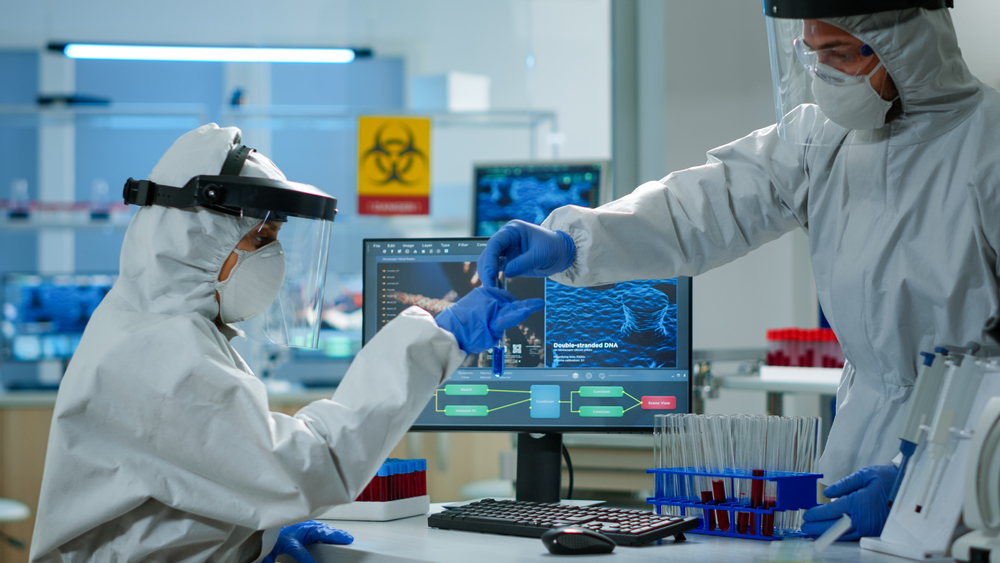
There are also practical limits. Noble and Pozhitkov noted that postmortem cell survival depends on environmental conditions, metabolic activity, preservation techniques, age, health, sex, species type, infection, trauma, and time elapsed since death. Tufts has also reported that anthrobots are produced under specific lab conditions, and the field still needs far more work before any medical use in humans can be considered realistic.
A New Language For Cellular Potential
The most interesting takeaway is also the most grounded one. Death remains final for the organism, but some cells may still carry the capacity to organize, move, and contribute to repair when placed in a new environment.
That hidden flexibility could become one of the most meaningful frontiers in regenerative medicine. For now, the research gives scientists a sharper question to ask: life may end at the level of the body, while its smallest parts still have unfinished work to reveal.
Featured Image from Shutterstock