
Your cart is currently empty!
China Unveils Mosquito-Sized Drone Built For Battlefield Reconnaissance
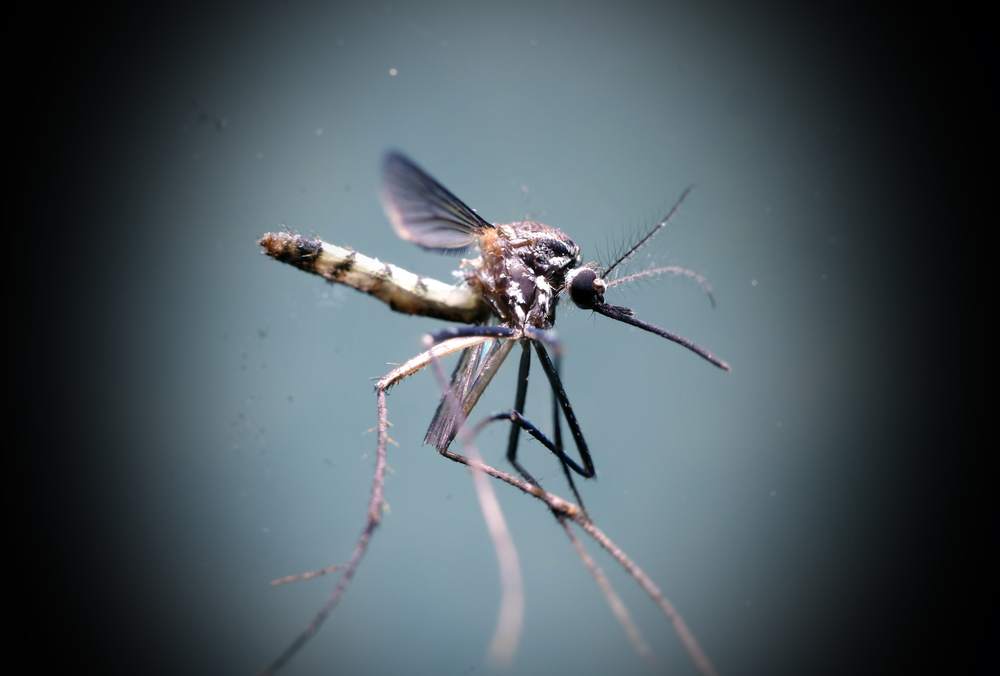
A tiny flying machine unveiled in China is drawing global attention for one reason: most people would never notice it was there. Weighing just 0.3 grams and designed to resemble a mosquito, the miniature drone is small enough to sit between two fingertips while carrying technology that would have sounded like science fiction only a few years ago. Its appearance has sparked discussion about how far drone technology has advanced and what happens when surveillance tools become almost impossible to detect.
Contents
show
Military drones have already reshaped modern warfare across the globe, from reconnaissance missions to precision attacks and battlefield intelligence gathering. Now, researchers are pushing miniaturization to new extremes. The latest example comes from China’s National University of Defence Technology, , where engineers have created a drone so small that it blends into the environment in a way conventional aircraft never could. The development offers a glimpse into a future where flying machines may be indistinguishable from the insects around them.
No, it is not a mosquito. It’s an insect spy drone which can be remotely controlled. It is equipped with a camera & a microphone. It can land on you, and it may have the potential to take a DNA sample or leave RFID tracking nanotechnology on your skin. It can fly through an open… pic.twitter.com/aFQ3SCpLd5
— Olaudah Equiano® (@RealOlaudah) April 19, 2023
Researchers Reveal A Drone The Size Of A Mosquito
The tiny aircraft was recently demonstrated on Chinese state television by student researcher Liang Hexiang. During the presentation, he held the drone between his fingers, giving viewers a sense of just how small the device really is.
“Here in my hand is a mosquito-like type of robot. Miniature bionic robots like this one are especially suited to information reconnaissance and special missions on the battlefield,” Liang said while showcasing the drone.
At first glance, the device looks remarkably similar to an insect. Its slender body, delicate wings, and tiny legs make it difficult to distinguish from the real thing. That resemblance is not accidental. The design is intended to help the drone move through environments without immediately attracting attention.
The unveiling quickly generated interest because the machine represents a major step toward surveillance technology that can operate in spaces where larger drones would be noticed instantly.
This is the NUDT mosquito drone, a spy UAV built by China’s National University of Defense Technology for covert surveillance you can’t see coming.
— The AI Colony R&D (@TheAIColonyRD) June 15, 2026
Under 0.3 grams. Wings that flap 500 times a second.
Sensors built for covert surveillance, all packed into a body you’d swat… pic.twitter.com/SG5RCgAiDO
The Drone’s Biggest Advantage Is Its Tiny Size
Modern drones come in many shapes and sizes, but visibility remains one of their biggest limitations. Larger aircraft can often be heard before they are seen, while even compact commercial drones tend to stand out in crowded urban environments.
This new design approaches the problem differently. Rather than relying on speed, altitude, or advanced camouflage systems, it takes advantage of something much simpler. It is so small that people may not realize it is a machine at all.
That could make the drone useful for intelligence gathering in locations where conventional surveillance equipment would struggle to operate discreetly. Buildings, narrow spaces, and densely populated areas all present challenges for larger systems, but a drone modeled after an insect could move through those environments with far less risk of being spotted.
Its size could also open the door to non-military applications. Search-and-rescue teams often face situations where reaching trapped survivors is difficult. A miniature flying robot capable of entering confined spaces could provide valuable information before human rescuers move in.

How Engineers Packed Technology Into Such A Small Device
Building a drone this small is far more complicated than simply shrinking an existing design. Every component must be reduced in size while still remaining functional enough to support flight and communication.
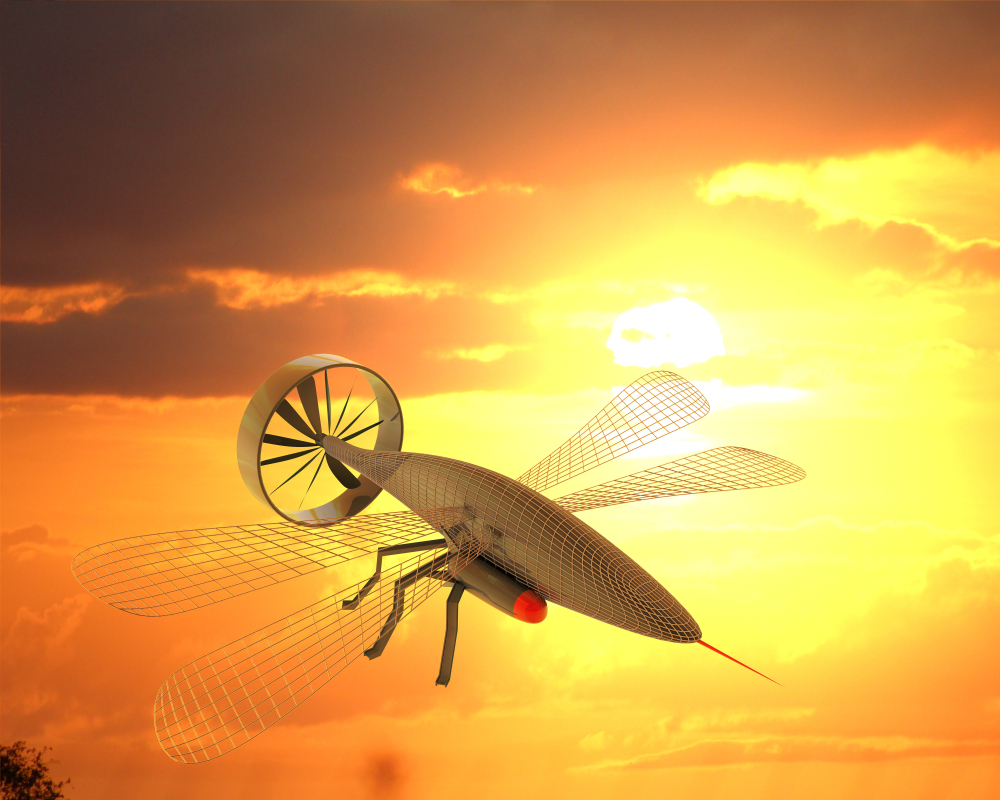
The aircraft uses two leaf-shaped wings that flap rapidly to generate lift. Three extremely thin legs extend from the body and may help the drone land or perch on surfaces. While the exterior appears simple, the internal engineering is far more complex.
Power systems, sensors, communication hardware, and flight controls all need to fit inside a body smaller than many coins. Engineers must also keep the weight low enough for the aircraft to remain airborne.
Those constraints create difficult trade-offs. Smaller drones generally have less room for batteries, reducing flight time and operational range. Wind resistance and environmental conditions can also have a much greater impact on aircraft of this size.
Countries Around The World Are Racing To Build Micro Drones
China is not alone in pursuing insect-scale drone technology. Several countries have spent years developing increasingly smaller unmanned aerial vehicles for military and research purposes.
Norway’s Black Hornet reconnaissance drone is already used by NATO forces and has become one of the most successful micro-drone platforms in service today. Although larger than the newly revealed mosquito drone, it provides soldiers with real-time surveillance while remaining compact enough to fit in the palm of a hand.
Researchers at Harvard University have also developed RoboBee, an experimental flying robot designed to mimic the movement of bees. The project has demonstrated capabilities including hovering, landing, and transitions between water and air.
The United States Air Force has publicly discussed work on insect-sized unmanned aircraft as well, although relatively few details have been released. Together, these projects suggest that the race toward ever-smaller flying machines is accelerating across the world.
The Technology Raises Difficult Questions
The engineering achievement behind the drone is difficult to ignore. Creating a flying machine that weighs less than a gram while carrying sensors and control systems represents years of research and development.
At the same time, technology built for stealth naturally raises concerns about surveillance and privacy. A drone that resembles a common insect could potentially operate in places where people would never expect a camera or sensor to be present.
Advances in artificial intelligence, miniaturized electronics, and battery technology continue to make these systems more capable with each generation. What appears experimental today could become far more sophisticated in the years ahead.
For now, the mosquito-sized drone offers a striking glimpse of where drone technology is heading. The question is no longer whether machines can shrink to the size of insects. Engineers have already achieved that. The bigger question is how these tiny aircraft will be used once they become powerful enough for widespread deployment.
Autonomous Drones, battlefield reconnaissance, china, China military, Chinese technology, drone surveillance, drone technology, emerging technology, flying robot, future warfare, insect drone, intelligence gathering, micro drone, Military Innovation, military technology, mosquito drone, National University of Defence Technology, NUDT, robotics, spy drone, stealth technology, surveillance technology, UAV, unmanned aerial vehicle