
Your cart is currently empty!
Conservation Groups Sue to Stop SpaceX From Taking 715 Acres of Texas Refuge

One of the largest land exchanges in the history of the national wildlife refuge system outside Alaska is now moving forward in South Texas, and it has set off a legal fight over who America’s protected public lands are meant to serve. At the center sits a decision by a federal agency to hand hundreds of acres of a congressionally established refuge to SpaceX, a company whose rockets have scattered debris across those very lands.
Contents
show
The government frames the deal as a consolidation that benefits conservation. A coalition of tribal, environmental, and community groups sees something closer to a giveaway, one that would permanently sever the heart of a wildlife corridor home to an endangered cat found in few other places in the country. What lies between those two readings, including a Civil War battlefield, a string of rocket explosions, and a timeline that raises uncomfortable questions, is now the subject of a federal lawsuit.
The Land Swap At The Center Of The Fight
This month, the U.S. Fish and Wildlife Service allowed a land swap with SpaceX to proceed. Under the deal, SpaceX would receive 715 acres of the Lower Rio Grande Valley National Wildlife Refuge. In exchange, the company would give the government 683 acres of private land it owns near Boca Chica, most of which would be added to the separate Laguna Atascosa National Wildlife Refuge.
The arithmetic of the trade is one of the first things critics point to. The federal government would give up more acres than it receives, surrendering 715 acres of established refuge land for 683 acres of private property. By the count of the groups challenging it, the transfer represents one of the largest exchanges of land in the refuge system’s history outside the state of Alaska, a loss of more than 700 acres from a single refuge. SpaceX did not respond to questions about the exchange from multiple news outlets.
Who Is Suing And What They Want

The lawsuit, filed this week against the U.S. Fish and Wildlife Service, brings together four plaintiffs: the Center for Biological Diversity, Save RGV, the South Texas Environmental Justice Network, and the Carrizo/Comecrudo Nation of Texas, a nonprofit Indigenous group that regards the land as sacred but is not officially recognized by the federal government. They are represented by attorneys from the Center for Biological Diversity.
Their stated aim is to preserve the land and the wildlife it shelters, and to halt what they describe as the privatization of a public treasure. Mary Angela Branch, a board member at Save RGV, framed the stakes in stark terms, calling the refuge a national public treasure with deep ecological and cultural value and warning that the swap would permanently sever the very heart of the wildlife corridor that Congress established in 1979.
The Endangered Wildlife At Stake
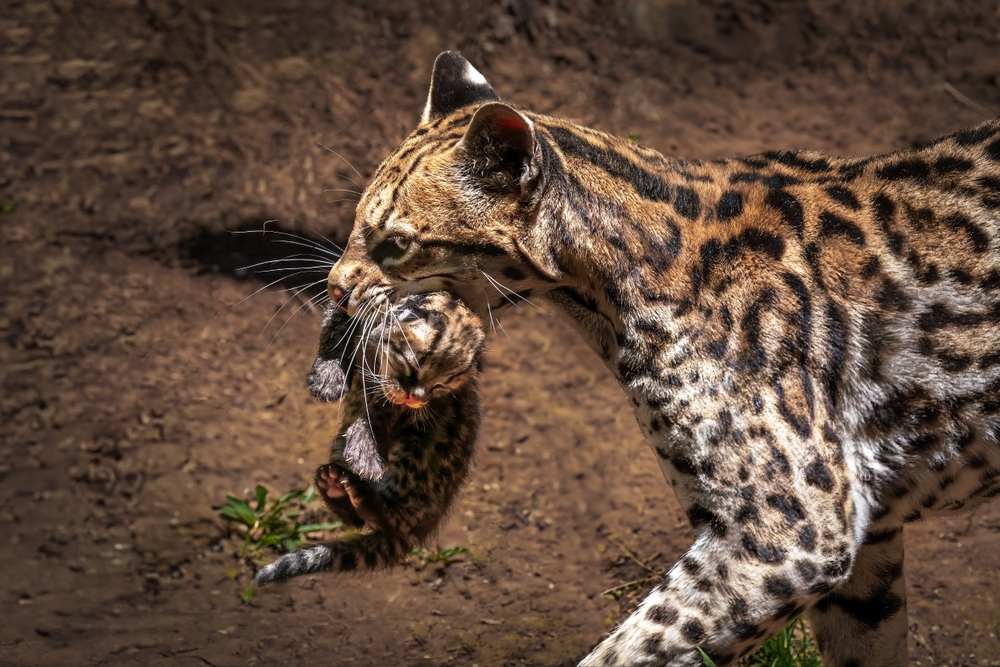
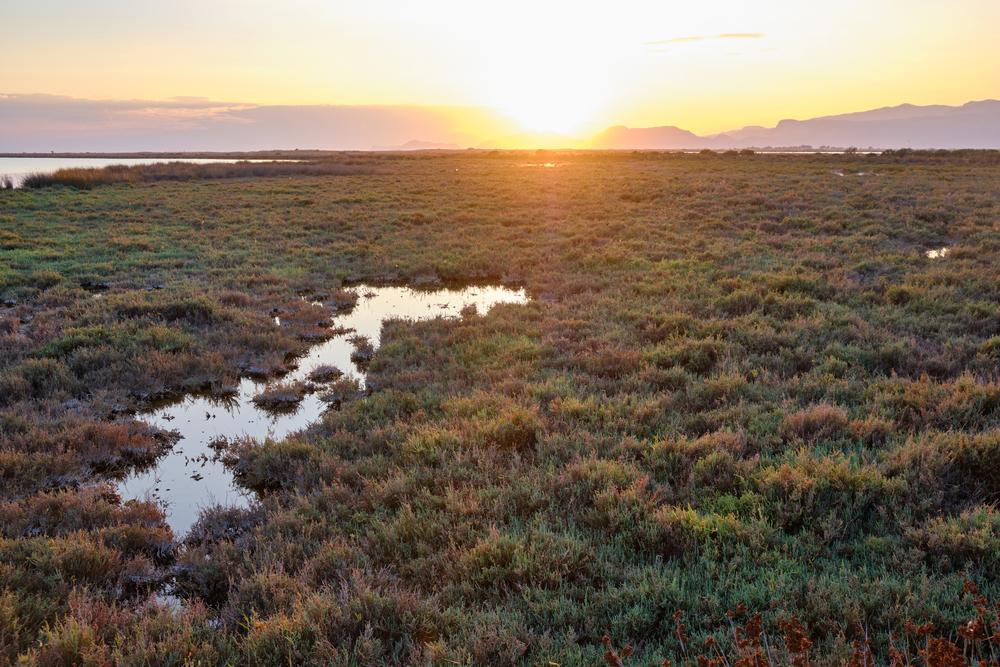
Understanding why the land matters requires looking at what the refuge was built to protect. Congress created the Lower Rio Grande Valley National Wildlife Refuge in 1979 to safeguard wildlife habitat along the Rio Grande, and it holds some of the best remaining habitat in the United States for the endangered ocelot, a small wild cat whose American population clings to a handful of strongholds in South Texas.
The ocelot is not the only species at risk. The refuge also provides habitat for aplomado falcons and a range of migratory birds, including piping plovers, red knots, green jays, and Altamira orioles. The land runs along the Rio Grande as part of a corridor that functions as a connected pathway for wildlife, which is precisely why conservationists argue that carving 715 acres out of its middle would do damage that cannot be undone.
Rocket Debris, Explosions, And Fires On Refuge Land
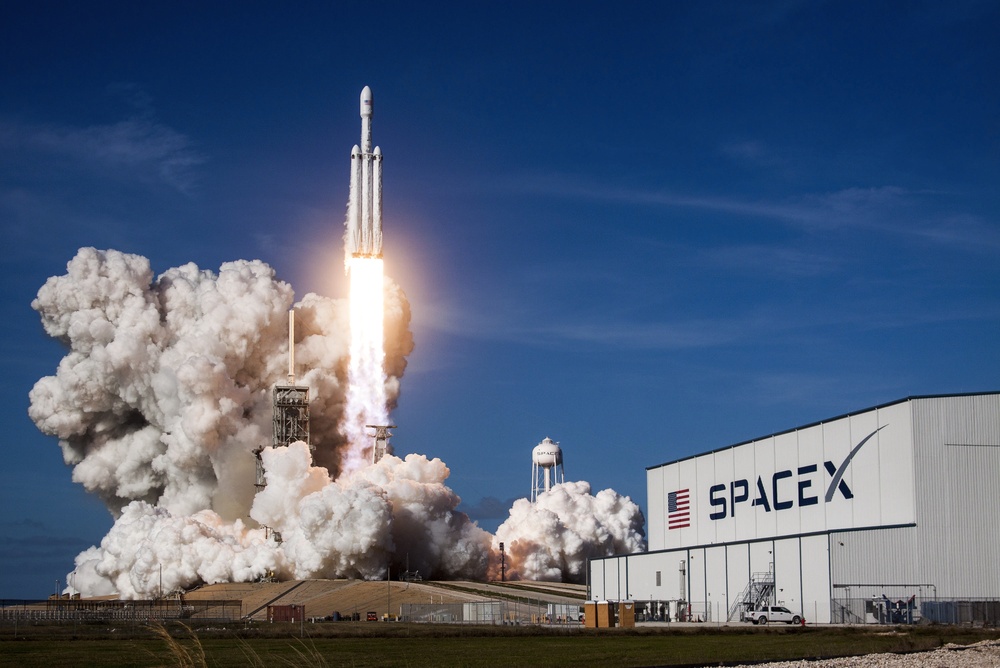
The condition of the land lies at the heart of both the lawsuit and its central irony. SpaceX selected the nearby Boca Chica area for a launch and test site in 2014 and has expanded rapidly ever since, conducting numerous rocket launches. Some of those launches have ended in catastrophic explosions that propelled chunks of concrete and metal for miles onto refuge lands and triggered wildfires across protected habitat.
The conservation groups cite a 2024 study they say found that after a single launch, every monitored shorebird nest near the site suffered egg damage or loss. The pace of that activity is set to increase sharply. In May 2025, the Federal Aviation Administration authorized SpaceX to conduct as many as 25 Starship launches per year at Starbase, a fivefold jump from the previous limit of five.
Bekah Hinojosa, a Brownsville native and co-founder of the South Texas Environmental Justice Network, placed the facility’s location at the core of the community’s objection.
“Elon Musk has built his explosive SpaceX facility in the middle of a major wildlife corridor home to endangered and threatened species like ocelots and wetlands,” Hinojosa said. “There was never supposed to be space rockets blowing up here.”
The Legal Arguments Against The Deal
The lawsuit rests on alleged violations of three federal laws. The first is the National Wildlife Refuge System Improvement Act of 1997, which requires that any exchange of refuge land produce a net conservation benefit both to the individual refuge where the swap occurs and to the refuge system as a whole. The groups contend that the standard was not met, and that the deal will permanently reduce and degrade the Lower Rio Grande Valley refuge.
The second is the National Historic Preservation Act, which the groups say the agency violated by giving away portions of a National Historic Landmark. The third is the National Environmental Policy Act, with the plaintiffs alleging that the agency failed to consider reasonable alternatives and did not take a hard look at the impacts the deal would have on SpaceX’s expansion. They further accused the Fish and Wildlife Service of working with SpaceX to develop what they called “unfounded” scores used to rate the land being given up against the land the agency would obtain.
The Government’s Case For The Swap
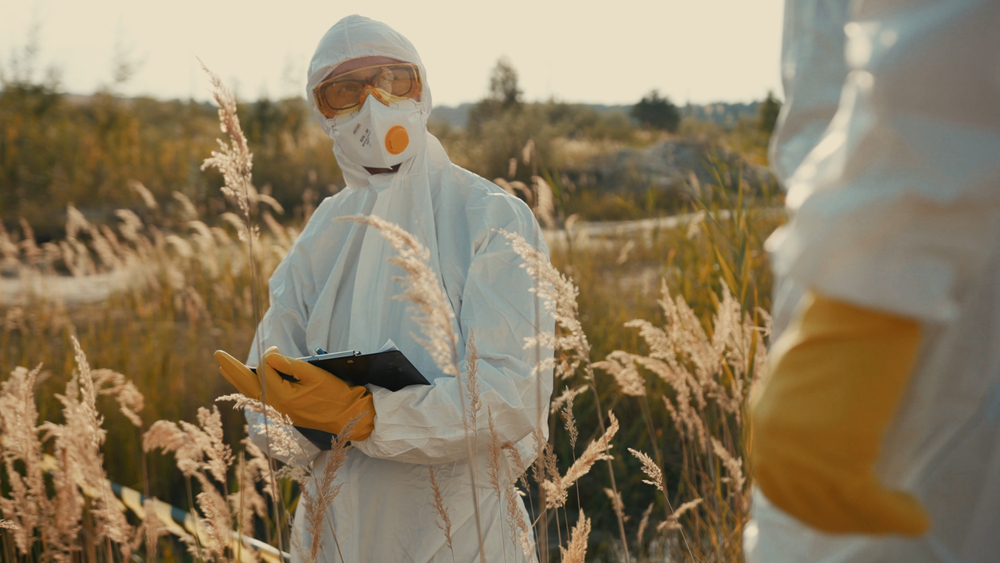
The Fish and Wildlife Service offers a different account of its reasoning. The agency began talks with SpaceX over a potential exchange in 2023, and in its May environmental assessment, it described the goal as reducing fragmented land ownership and consolidating parcels into a more coherent whole. In June, it determined that the exchange would not have significant adverse effects on public health or safety, historic or cultural resources, sacred sites for federally recognized tribes, wetlands, floodplains, or designated wilderness areas.
Central to the agency’s case is a system it calls Biological Importance Scores. As part of the May assessment, each parcel was rated on three equally weighted criteria: habitat quality, refuge connectivity, and critical habitat. By that measure, the refuge land headed to SpaceX scored lower than the private land the agency would acquire in return. The agency argued that surrounding industrialization, much of it driven by SpaceX’s own presence, had already brought noise, lights, and habitat fragmentation that diminished the land’s conservation value. As it put it, the resulting changes in land use had impacted the ability of those parcels to function as effective components of the regional conservation network. A spokesperson for the U.S. Department of the Interior, which oversees the agency, declined to comment on pending litigation.
The Catch-22 Critics Point To
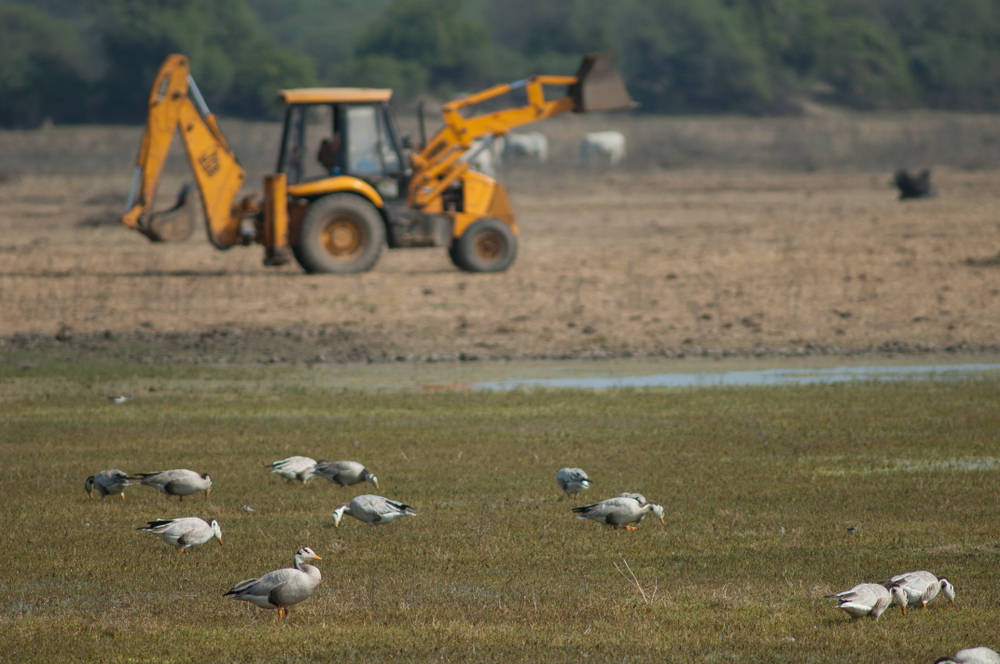
It is precisely that “lower conservation value” rationale that the plaintiffs find most objectionable, because of how they say the land’s value was lowered in the first place. In their telling, the damage came from SpaceX’s launches, explosions, and fires. Rather than pursuing enforcement actions or requiring the company to reduce its harm, they argue, the Service accepted the degradation and then pointed to it as justification for transferring the land to the company responsible.
By that logic, the groups contend, a private actor can damage public land and then be rewarded with ownership of it, an outcome they describe as both backward and self-fulfilling. The argument turns the agency’s central justification on its head, recasting the consolidation rationale as a reward for the very harm it cites.
A Civil War Battlefield In The Balance

Beyond the wildlife, the disputed acreage carries historical weight. The refuge land slated for transfer includes significant portions of the Palmito Ranch Battlefield National Historic Landmark, the site of the final battle of the Civil War. Though the site is listed in the National Register of Historic Places and protected as a landmark, the conservation groups warn that privatizing it could allow SpaceX to decline to preserve its historic values or to limit public access to the battlefield.
The Fish and Wildlife Service maintains that the history is protected. The agency said it signed a contract known as a programmatic agreement on May 11 with SpaceX, the Texas Historical Commission, and the National Park Service. Such an agreement allows federal agencies to continue managing historic properties even after a change in ownership, which the agency points to as a safeguard against the loss the critics fear.
Questions About How Fast The Deal Moved
The timeline of the exchange has drawn its own scrutiny. While the proposal was first made public in March 2026, records obtained under the Freedom of Information Act show internal agency planning began as early as April 2025. In discussions with the regional director of the Fish and Wildlife Service, officials developed what they described as “the most expedited schedule possible” for completing the transfer and recommended hiring additional staff to meet an “optimum timeframe.”
The conservation groups emphasize the political backdrop of that period. The planning coincided with a stretch when Musk was leading the Department of Government Efficiency and publicly threatening to fire federal workers who failed to justify their jobs to him. The groups present this overlap as a reason for suspicion rather than as proven causation, framing the speed of the deal as evidence that it was rushed to satisfy a powerful figure in the administration’s orbit.
What SpaceX Could Build And What Comes Next
As for the land itself, the Fish and Wildlife Service expects SpaceX to use it for residential, commercial, or institutional development, along with infrastructure and other manufacturing activities. The parcels are already interwoven with SpaceX property, including the Massey Test Site used for testing space launch vehicles. The lawsuit arrived the same week the company completed its initial public offering, underscoring how much its footprint in the region continues to grow.
There is precedent for the challenge succeeding. In 2024, SpaceX was in talks on a separate deal that would have given it 43 acres of Boca Chica State Park in exchange for 477 acres near the Laguna Atascosa refuge, and the company pulled out after conservation groups sued. The plaintiffs say they are not opposed to any arrangement. Laiken Jordahl of the Center for Biological Diversity has said the groups would consider a different proposal if it genuinely supplied land of greater or equal conservation value.
For now, the competing visions remain unresolved. On one side stands a congressionally protected wildlife corridor, an endangered species’ best remaining habitat, and the site of the last battle of the Civil War. On the other hand stands a rapidly expanding launch operation and a federal agency that says the trade serves conservation. The courts will decide which account prevails, and with it, the question of what becomes of more than 700 acres of Texas refuge land.
Boca Chica, Carrizo/Comecrudo Nation, Center for Biological Diversity, conservation lawsuit, Elon Musk, endangered ocelot, environmental justice, Laguna Atascosa, land swap, Lower Rio Grande Valley National Wildlife Refuge, Palmito Ranch Battlefield, public lands, rocket debris, Save RGV, SpaceX, Starbase, Starship launches, Texas wildlife, U.S. Fish and Wildlife Service, wildlife refuge