
Your cart is currently empty!
Dad Develops Sepsis After Dental Checkup and Loses Limbs
It began like any other ordinary day. A routine dentist appointment, scheduled without worry, was carried out without expectation of anything serious. For most people, these visits pass quietly, sometimes uncomfortably, but rarely dangerously.
Contents
show
For 34-year-old Texas father Davon Vanterpool, however, that seemingly simple appointment marked the beginning of a devastating chain of events that would alter his life forever.
Within hours, he would begin to feel unwell. Within days, his body would begin shutting down. And within weeks, doctors would be forced to make a decision that no family ever expects to face.
What unfolded is both shocking and deeply sobering, highlighting how quickly a medical situation can escalate and how fragile the line between routine and emergency can be.
The Appointment That Changed Everything
On December 29, Davon attended a standard dental exam. During the visit, his gums were found to be severely inflamed and bleeding. According to his partner, Alicia Wilder, the dentist continued examining his mouth despite the condition of his gums.
She later explained that the inflammation and bleeding may have created openings that allowed bacteria to enter his bloodstream. While bacteria naturally exist in the mouth, these openings can sometimes provide a pathway for infection to spread beyond where it should.
At the time, there was no immediate indication that anything catastrophic was about to happen. Davon left the appointment and returned home, likely expecting nothing more than mild discomfort.
What makes this part of the story so unsettling is how normal everything still felt. There was no dramatic warning, no immediate emergency, no clear signal that something life-threatening had just begun.
But beneath the surface, something had already changed.
A Sudden and Alarming Decline
Later that same day, Alicia noticed that something was seriously wrong. After stepping out briefly for errands, she returned home to find Davon in a dramatically worsened condition.
He was shaking uncontrollably and complaining of feeling extremely cold. He told her he did not understand what was happening to his body. Soon after, he began vomiting and experiencing diarrhea.
These symptoms initially resembled the flu, which made the situation even more confusing. It is not uncommon for early signs of serious infections to mimic more familiar illnesses, and this overlap can delay urgent medical attention.
Alicia later recalled the moment she realized the situation was far from ordinary. The intensity of his symptoms, the speed at which they appeared, and the way his body seemed to be failing all at once created a sense of urgency that could not be ignored.
As his condition worsened, the decision was made to seek medical help. What followed was a rapid descent into a life-threatening emergency.
When Infection Turns Into a Medical Emergency
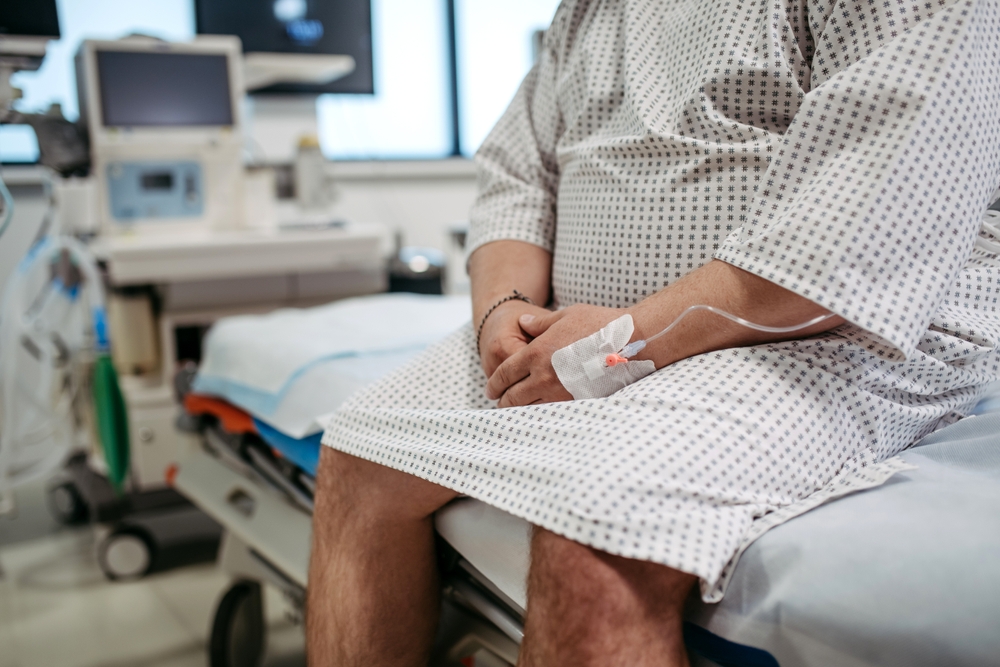
By the time Davon reached the hospital, doctors quickly realized they were dealing with something severe. He had entered septic shock, the most dangerous stage of sepsis.
Sepsis occurs when the body’s response to an infection becomes extreme and harmful. Instead of fighting off the infection in a controlled way, the immune system triggers widespread inflammation that begins to damage the body’s own tissues and organs.
Septic shock takes this process even further. Blood pressure drops to dangerously low levels. Vital organs begin to fail. Without immediate intervention, survival becomes unlikely.
In Davon’s case, the progression was both rapid and aggressive. His heart stopped twice. He required life support, including machines that acted as his heart and lungs. Doctors placed him into a medically induced coma to stabilize his condition and give his body a chance to recover.
For his family, the situation was overwhelming. Alicia described being told to prepare for the possibility that he might not survive the night. The speed of the deterioration left little time to process what was happening.
What had started as a routine appointment had now become a fight for survival.
The Role of Dental Infections in Sepsis
While rare, medical experts acknowledge that infections originating in the mouth can lead to serious complications if bacteria enter the bloodstream. The mouth contains a large number of bacteria, most of which are harmless when confined to their natural environment.
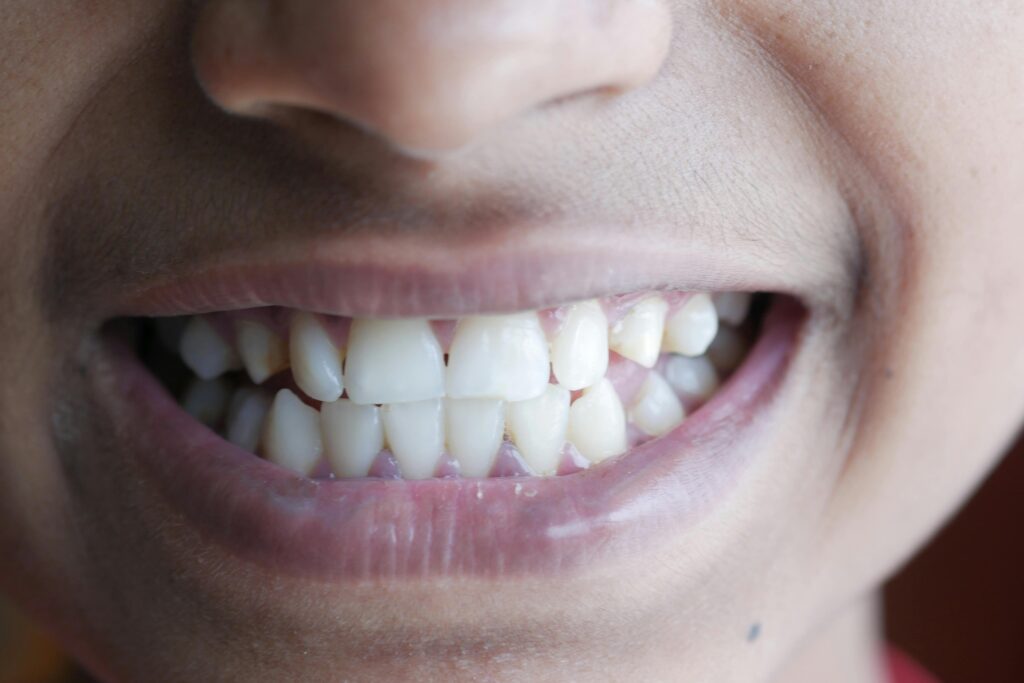
However, when gums are inflamed, damaged, or bleeding, they can create pathways for bacteria to travel beyond the mouth. Once in the bloodstream, these bacteria can trigger infections in other parts of the body.
In some cases, this can lead to sepsis.
Dental-related sepsis is not common, but it is well documented. Factors such as gum disease, untreated infections, or invasive dental procedures can increase the risk, especially if the body reacts aggressively to the infection.
In Davon’s situation, Alicia believes that the bleeding and inflammation during the dental exam allowed bacteria to enter his bloodstream, setting off the chain reaction that followed.
A Rare and Devastating Complication
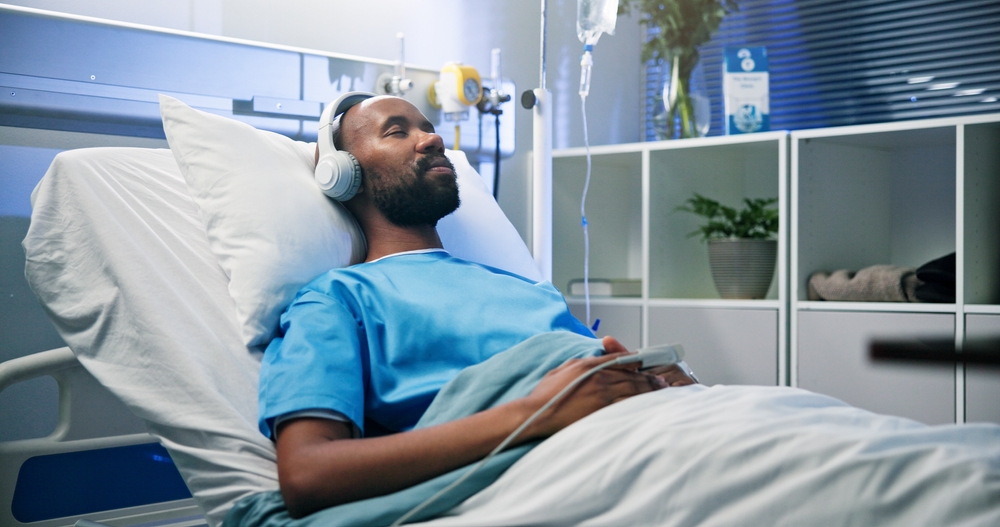
As if septic shock was not severe enough, Davon developed a rare condition known as purpura fulminans. This condition is characterized by sudden and severe blood clotting within small blood vessels, leading to tissue death.
The condition progresses quickly and can cause widespread damage throughout the body. As blood flow is disrupted, skin and muscle tissue begin to die, turning dark and hard.
Alicia described watching this happen in real time. She recalled how his hands became cold, then discolored, and eventually blackened as the tissue lost blood supply.
It is a condition that doctors rarely encounter, but when it occurs, it often requires immediate and drastic intervention.
In Davon’s case, the damage was extensive.
The Decision No Family Wants to Make
Doctors faced an impossible situation. The dying tissue in Davon’s limbs was releasing toxins into his body, increasing the risk of another round of septic shock. If the source of the damage was not removed, it could lead to his death.
On January 23, less than a month after the initial dentist visit, surgeons made the decision to amputate his limbs in order to save his life.
The procedures were extensive and life-altering. His entire right leg was removed. His left leg was amputated below the knee. His left forearm was taken, along with his right hand.
For Alicia, the moment was overwhelming. She later described being forced to agree to the amputations, knowing it was the only way to keep him alive.
The emotional weight of that decision is difficult to fully grasp. It is not simply a medical choice, but a deeply personal one that reshapes the future in an instant.
Doctors made it clear that without intervention, Davon would not survive.

The Moment Between Life and Loss
There was a period during his hospitalization when survival itself seemed uncertain. Alicia recalled being told to prepare for the worst, as his body struggled under the weight of infection and organ failure.
His heart had already stopped twice. His organs were failing. Machines were keeping him alive.
In moments like these, time feels different. Hours stretch into something heavier, filled with uncertainty and fear. Families are left waiting, hoping for signs of improvement, while preparing for outcomes they never imagined.
Against those odds, Davon held on.
The Long Fight Back
Despite everything he endured, Davon survived.
His recovery, however, is far from simple. He remains in a critical condition, undergoing ongoing treatment and therapy. His body has shown signs of responding, offering hope to his family during an incredibly difficult time.
Alicia has described his strength as steady and determined. Even when he cannot speak, he communicates and participates in therapy as much as he can. His progress is slow but meaningful, marked by resilience rather than dramatic breakthroughs.
Recovery after such extensive trauma involves multiple stages. Physical rehabilitation is only one part of the process. There is also the challenge of adapting to limb loss, learning new ways to move, and rebuilding independence.
There are also emotional and psychological hurdles. The adjustment to a new reality can be overwhelming, requiring support from family, therapists, and medical professionals.
For Davon, each day represents both a challenge and a step forward.

Life After Survival
Surviving a condition like septic shock is only the beginning of a much longer journey.
Davon now faces a future that looks very different from the one he had before. Once described as an active father and daily worker, he must now adapt to life without his limbs.
Simple tasks that were once automatic will need to be relearned. Mobility will depend on prosthetics and assistive devices. Everyday routines will require planning, patience, and support.
His family is also adjusting to this new reality. Caregiving, financial strain, and emotional stress all become part of the equation.
To help manage the burden, a fundraising campaign has been launched to support medical expenses, home modifications, and accessibility needs. Situations like this often reveal gaps in healthcare coverage, leaving families to navigate complex and costly systems.
The Warning Signs That Are Easy to Miss
One of the most important aspects of this story is how easily the early warning signs were mistaken for something less serious.
Sepsis often begins with symptoms that resemble common illnesses. Fever, chills, nausea, and fatigue can all be dismissed as signs of the flu or a minor infection.
However, there are certain signals that indicate something more serious may be happening. Extreme shivering, confusion, difficulty breathing, and a sense that something is very wrong should never be ignored.
Timing is critical. Sepsis can escalate rapidly, sometimes within hours. Early medical intervention can significantly improve outcomes, while delays can lead to severe complications.
Alicia has spoken about how the early symptoms mirrored the flu, which made it difficult to recognize the severity at first. That experience has shaped her message to others.
If something feels off, especially after a medical or dental procedure, it is important to act quickly.

A Message From His Family
Throughout this ordeal, Alicia has emphasized that her intention is not to discourage people from visiting the dentist. Dental care remains an essential part of overall health and prevention.
Instead, she hopes to raise awareness about the importance of communication and vigilance. Asking questions, understanding risks, and paying attention to unusual symptoms can make a significant difference.
She encourages people to ensure that conditions like gum inflammation are properly addressed and to be honest about their medical history during appointments.
Her message is grounded in lived experience. The speed at which Davon’s condition changed left little room for hesitation.
A Story That Leaves a Lasting Impact
Davon Vanterpool’s story is difficult to process because it begins with something so ordinary. It challenges assumptions about routine care and highlights how unpredictable health can be.
At the same time, it is a story about resilience. Despite immense physical loss, Davon continues to fight, supported by a family that remains hopeful for his future.
There is no clear way to make sense of what happened, but there are lessons that can be taken from it.
Awareness matters. Listening to your body matters. Acting quickly when something feels wrong can make a difference.
Life can change without warning. In those moments, what matters most is how people respond, how they support one another, and how they find a way forward.
For Davon and his family, that journey is only just beginning. It is one marked by loss, but also by determination, resilience, and the hope of rebuilding a life that, while different, is still full of meaning.