
Your cart is currently empty!
Dad’s Emotional Reaction to Finding Out Wife Had Anonymously Bullied and Harassed Their Daughter Online For A Year

Most parents will go to extraordinary lengths to shield their children from harm. They check phones, monitor friendships, and step in when the world feels unkind. But what happens when the very person meant to protect a child becomes the source of their deepest wounds?
Contents
show
In Beal City, Michigan, a case unfolded that stunned even seasoned investigators. A teenage girl endured more than a year of vicious anonymous texts that chipped away at her confidence and sense of safety. The harassment was relentless, cruel, and at times explicit. Her father believed law enforcement would eventually catch the faceless tormentor. Instead, what he learned shattered his world: the bully was his wife, the girl’s own mother.
It was a revelation that turned a family inside out, sparking national outrage and forcing painful questions about trust, mental health, and the invisible dangers of digital harassment.
The Unthinkable Discovery
In October 2020, thirteen-year-old Lauryn Licari began receiving a stream of cruel, anonymous messages. The insults were sharp and personal, ranging from comments about her appearance to threats about her relationship with her boyfriend, Owen. At first, the texts seemed like the work of classmates, a harsh reminder of how easily teenagers can become targets of online cruelty. But the messages didn’t stop. After a brief lull, they escalated again in September 2021, growing more hostile and sexually explicit.
Lauryn’s mother, Kendra, appeared to be in her corner. She joined forces with Owen’s mother, school administrators, and law enforcement in a joint effort to identify the anonymous tormentor. The investigation was slow and methodical, stretching across months, until a di
gital footprint revealed what nobody wanted to believe: the person behind the abuse was Lauryn’s own mother.
When police called Lauryn’s father, Shawn, at work, he expected relief that the ordeal was finally over. Instead, the sheriff delivered news that left him stunned. “Unfortunately, it’s your wife,” he recalled being told. In bodycam footage later shown in the Netflix documentary Unknown Number: The High School Catfish, Shawn can be seen struggling to process the revelation as officers explained how every harassing message traced back to Kendra’s devices.
For Shawn, the betrayal was immediate and crushing. The partner he trusted, the woman he believed was protecting their daughter, was instead the source of months of torment. In that moment, what had seemed like a disturbing case of cyberbullying became something far more devastating, a family fractured by a mother’s secret actions.
A Pattern of Harassment Uncovered

What investigators eventually uncovered went far beyond a handful of cruel texts. Prosecutors described tens of thousands of messages sent over many months an unrelenting campaign of harassment directed not only at Lauryn but also at her boyfriend, Owen. The content ranged from jeers about appearance “He thinks you’re ugly” and “You’re worthless” to messages designed to sow doubt and isolation. Some escalated to explicit sexual taunts, including crude suggestions that Lauryn and Owen were “trash” and unwanted.
At first, Kendra Licari managed to avoid suspicion. She juggled multiple phone numbers and used software to mask her digital location, making the harassment appear to come from classmates. This misdirection even pulled school officials into the effort, believing at one point they were tracking a peer bully. Prosecutor David Barberi later explained that the trail only became clear when investigators analyzed the IP addresses attached to the messages and noticed that they consistently aligned with Kendra’s devices.
The scale of the harassment shocked even seasoned law enforcement. “The digital footprint was just insane,” Barberi told reporters, describing hundreds of pages of vile messages preserved as evidence. What made the case even more disturbing was Kendra’s dual role: outwardly, she was the concerned mother pushing for answers, while secretly she was the source of the pain.
When confronted with the evidence, Kendra admitted to sending the messages. In later interviews, she claimed her actions began as a misguided attempt to flush out the real harasser, insisting that she believed she was helping by stirring up conversation among the teens. But as she herself conceded, what started as a rationalization quickly spiraled out of control. Her behavior crossed into a pattern of deliberate cruelty that inflicted lasting damage not only on Lauryn, but on the family’s foundation of trust.
The Legal Fallout and Public Reaction
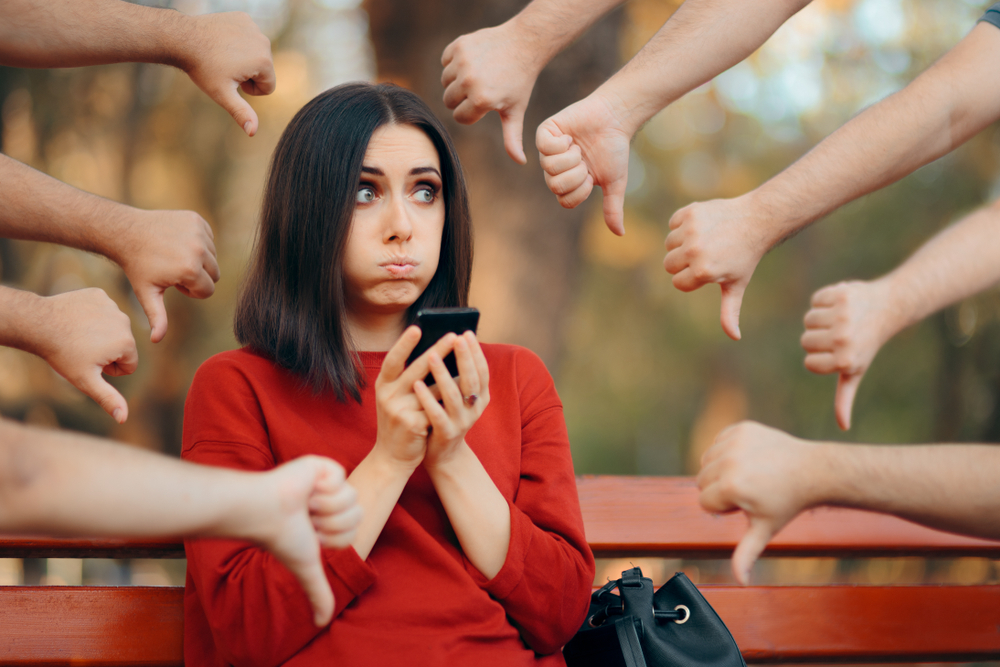
Once the evidence was laid bare, Kendra Licari faced the justice system. Initially charged with multiple counts including stalking a minor, obstruction of justice, and using a computer to commit a crime she eventually reached a plea deal. In March 2023, she pleaded guilty to two counts of stalking a minor, and the remaining charges were dropped.
The following month, Isabella County Judge Mark Duthie sentenced her to a minimum of 19 months in prison, with a maximum of five years. During the sentencing, the judge described the case as “truly horrible” and admitted he had seen “the worst in human nature” in her actions. “I can’t imagine any parent saying such horrible things to her own daughter,” he told Licari in court.
Kendra broke down, expressing shame and regret. She told the court she was “ashamed, remorseful, and embarrassed,” adding that she wished she could take back her actions. Her defense attorney noted that she had begun counseling and parenting classes, and that a psychiatric evaluation pointed to underlying mental health struggles.
The legal outcome left the community grappling with disbelief. Beal City Public Schools Superintendent William Chilman admitted the news had shocked even those closest to the investigation: “Even when we realized it wasn’t a kid, we weren’t expecting that it would be a parent,” he told Good Morning America. For a town where Kendra had not only been a mother but also a basketball coach, the revelations cut especially deep.
Nationally, the case ignited conversations about the nature of betrayal, the hidden dangers of cyberbullying, and how technology can turn family dynamics into arenas of harm. The fact that the bullying originated not from a peer but from a parent made the case stand out even among seasoned prosecutors and investigators.
The Psychology of Betrayal and Cyberbullying
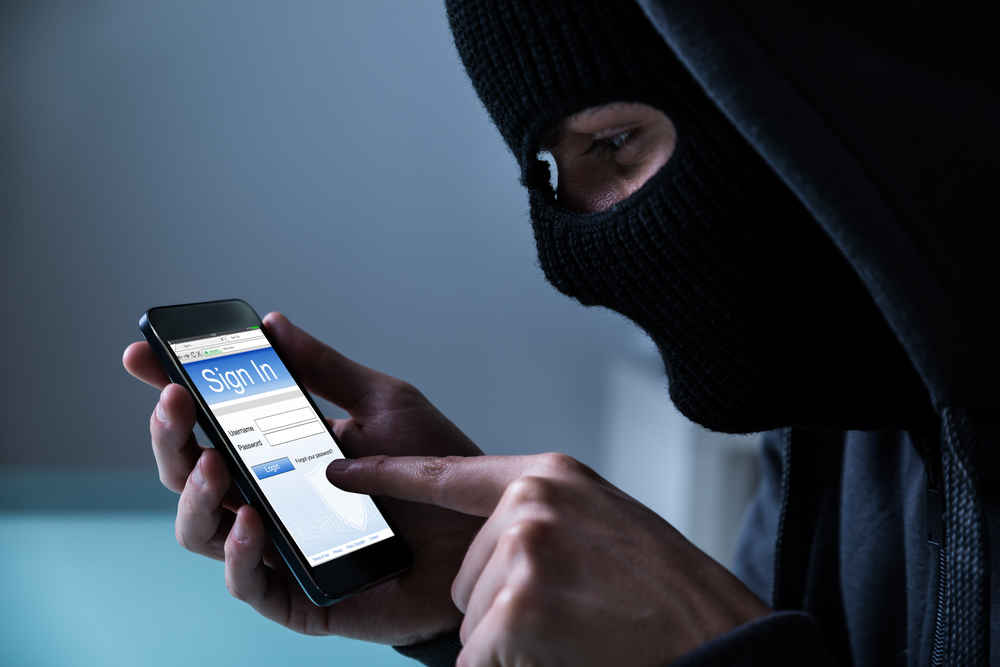
What makes this case so unsettling is not only the cruelty of the messages but who sent them. For children, trust in a parent forms the bedrock of emotional security. When that trust is broken, the wound cuts deeper than almost any insult a peer could deliver. Experts in child psychology note that parental betrayal can lead to lasting difficulties in self-esteem, attachment, and resilience. The very person a child is supposed to turn to in crisis becomes the source of the trauma.
Kendra Licari herself admitted she “spiraled,” initially convincing herself that sending messages might somehow help identify the culprit. But as she acknowledged later, she “didn’t know how to stop.” While her defense attorney pointed to mental health struggles, the behavior reflected patterns seen in many cyberbullying cases: escalation, obsession, and the disinhibition effect of online anonymity. Behind a screen, even familiar boundaries can dissolve, giving way to impulses that might not surface face-to-face.
Cyberbullying is not a rare phenomenon. According to the Pew Research Center, nearly 60 percent of U.S. teens have experienced some form of online harassment, ranging from name-calling to more sustained campaigns of intimidation. Unlike traditional bullying, it follows victims into their homes, buzzing on their devices at all hours. This relentless intrusion amplifies feelings of helplessness and despair. For adolescents already navigating fragile identities, the consequences can be profound sleep disruption, declining school performance, anxiety, depression, and even long-term struggles with trust and relationships.
Impact on Family and Path Forward

The aftermath of the case left the Licari family fractured. Following Kendra’s arrest, Lauryn began living full-time with her father, Shawn, who was granted full custody. The change was not only practical but necessary for Lauryn’s sense of safety, giving her distance from the parent who had tormented her. For Shawn, the responsibility was double-edged he became both protector and healer, working to rebuild trust and stability in a home shaken by betrayal.
Kendra, meanwhile, faced the consequences of her actions beyond her prison sentence. She lost her jobs, her role in the community, and most painfully her relationship with her daughter. As part of her plea deal, she was barred from contact with Lauryn, though in the Netflix documentary, both spoke about the possibility of future reconciliation. Lauryn admitted she still wants to see her mother “when the time is right,” but underscored her uncertainty: “I think I want to trust her now, but I don’t think I can.”
That tension between longing and distrust reflects the complicated nature of healing from betrayal. Trauma experts emphasize that repairing a relationship broken in this way is neither quick nor guaranteed. While Kendra has expressed remorse, begun counseling, and taken parenting classes, her daughter’s willingness to rebuild trust will depend on more than apologies.
Lessons for Families in the Digital Age

The Licari case is extreme, but its themes are not isolated. Families everywhere are navigating the challenges of raising children in an online world where bullying can thrive in hidden corners. This story underscores key lessons for parents and communities about trust, digital awareness, and accountability.
- Recognize the Signs of Cyberbullying
Cyberbullying often leaves emotional fingerprints before the culprit is identified. Mood swings, withdrawal from friends, disrupted sleep, and falling grades can all be signals that a child is under online attack. Research from the Cyberbullying Research Center shows that more than one-third of middle and high school students have experienced repeated online harassment, often without telling parents immediately. Open communication is critical children need to feel safe bringing up what they encounter online. - Understand the Consequences
For young people, persistent harassment can have long-term effects: heightened anxiety, depressive symptoms, and even a distorted sense of self-worth. In cases where the bully is a trusted figure, the damage can be compounded, making recovery a long process. Schools and parents must recognize cyberbullying not as digital “teasing” but as a serious threat to mental health and academic stability. - Accountability and Mental Health Matter
Kendra’s actions highlight how underlying struggles, left unaddressed, can erupt into harmful behavior. Her case underscores the importance of seeking mental health support not just for children but for parents who are under stress themselves. Counseling, parenting programs, and open dialogue about emotional well-being can serve as safeguards against destructive choices. - Building Digital Literacy at Home
Parents cannot control every corner of the internet, but they can equip children with tools to navigate it. Teaching kids how to block, report, and document harassment gives them agency. At the same time, parents must model healthy online behavior themselves, demonstrating empathy, restraint, and awareness in their own digital lives. - Rebuilding Trust After Harm
For families fractured by betrayal, healing requires more than apologies. Trauma specialists emphasize that rebuilding trust is a process rooted in consistent honesty and changed behavior over time. Lauryn’s hope that her mother “gets the help she needs” before they reconnect reflects a universal truth: reconciliation must be earned, not assumed.
The Hard Truth and a Path Forward
The story of the Licari family is almost unbearable in its details: a mother tormenting her daughter under the veil of anonymity, a father blindsided by betrayal, and a teenager forced to question the foundation of trust at home. Yet as unsettling as it is, the case also sheds light on realities too many families overlook. Cyberbullying is not a distant problem reserved for strangers online it can emerge from within trusted circles, magnified by the power of digital tools.
For Lauryn, the road forward will demand resilience and time, supported by a father determined to rebuild stability and by professionals who can help guide her healing. For her mother, accountability and treatment may one day open the door to reconciliation, but only if paired with lasting change.
For the rest of us, this case is a wake-up call. The digital age has made harassment easier to hide and harder to escape. But it has also made conversations about trust, transparency, and mental health more urgent than ever. Families, schools, and communities must move beyond shock and toward active prevention, creating spaces where young people can feel safe, supported, and heard.
If there’s one lesson to carry forward, it’s this: the strongest protection we can offer our children is not surveillance or secrecy, but trust built on openness, empathy, and accountability.