
Your cart is currently empty!
Dogs She Never Met Appeared at Her Funeral, 830 Miles from the Strays She Fed Every Day
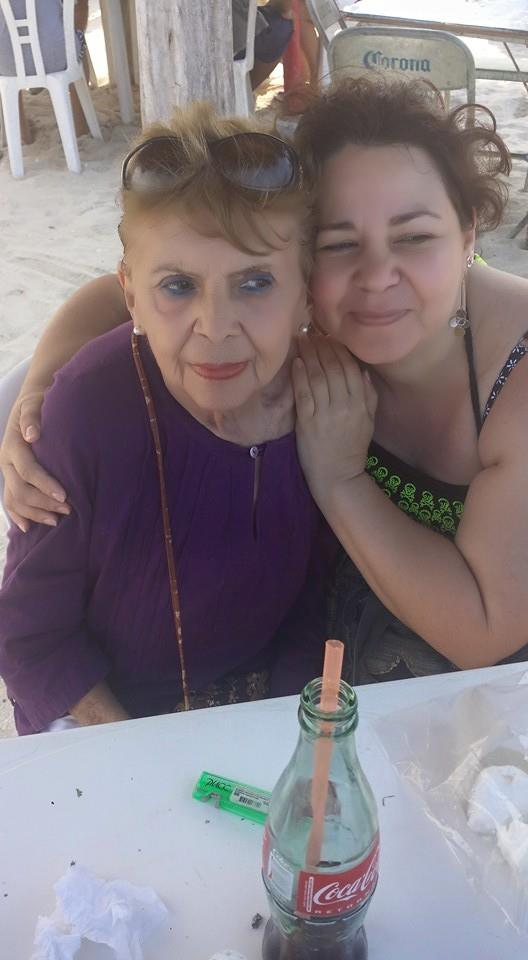
When mourners gathered at a funeral home in Cuernavaca, Morelos, Mexico, in March 2015, they expected to grieve in the company of family and close friends. Margarita Suárez, a 71-year-old woman known for her gentle spirit and deep love of animals, had passed away, and those closest to her had come to pay their respects traditionally. Nobody anticipated that a group of uninvited guests would soon arrive, ones who walked on four legs and carried no formal invitation, yet whose presence would move every person in attendance to tears. What happened over the next several hours at that funeral home would become one of the most widely shared stories on social media that year, a moment so unusual that even seasoned funeral home staff admitted they had never witnessed anything quite like it.
Contents
show
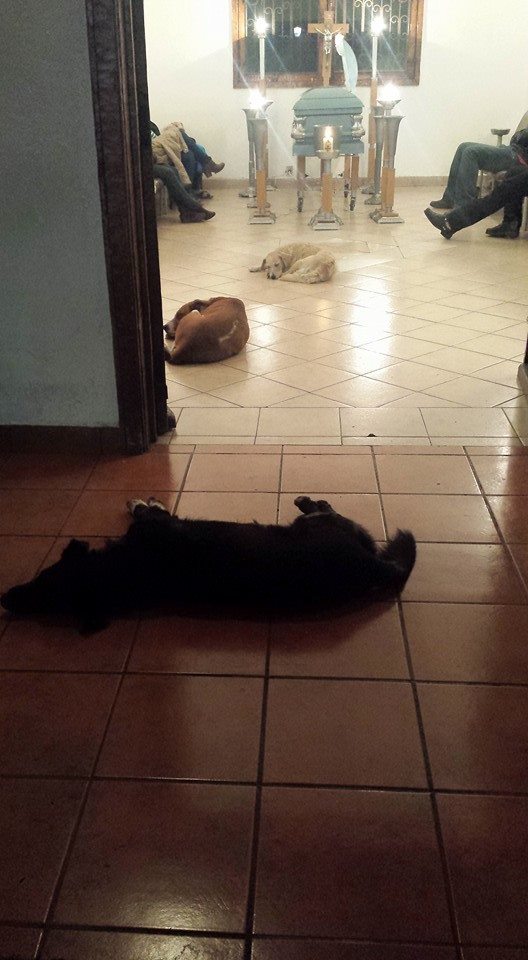
Patricia Urrutia, Suárez’s daughter, had been preparing herself for what she expected to be the most painful day of her life. Losing a parent carries a grief that defies language, and Urrutia arrived at the chapel bracing for sorrow. But as the coffin was being carried into the building, something stopped her mid-step. From around the corners and side streets near the funeral home, a pack of stray dogs appeared. One by one, they fell into a loose formation behind the pallbearers, following the coffin through the doors as though they had been summoned. Staff at the funeral home watched in disbelief. No one had called for them. No one had led them there. And yet there they were, filing into a space meant for human mourning, settling onto the floor near the coffin, and refusing to leave.
830 Miles from Home, and Still Surrounded by Strays
What made the scene even more bewildering was the geography. Suárez had not lived in Cuernavaca. Her home was in Merida, Yucatan, a city located more than 830 miles to the east. Her funeral service took place far from the streets she had walked every day and far from the animals she had spent decades feeding. None of the dogs that entered the funeral home that day were the same strays she had cared for during her lifetime. Urrutia asked funeral home workers whether the dogs belonged to the neighborhood or were known to frequent the property. Staff told her they did not recognize any of them and confirmed that strays had never gathered at the funeral home before. No pattern existed, no logical explanation presented itself, and no one in the building could account for what had drawn these animals to that particular room on that particular afternoon.
For Urrutia, the mystery of it only deepened the emotional weight of the moment. Her mother had spent a lifetime giving food, attention, and kindness to animals who had no one else. Now, in a city where Suárez had never lived, animals with no apparent connection to her were behaving as though they had lost someone dear. Whether one chooses to see it as a coincidence, instinct, or something harder to name, the effect on those gathered inside was undeniable.
A Life Spent Feeding Every Stray on Her Block
Understanding why the scene felt so meaningful to the Urrutia family requires knowing who Margarita Suárez was in life. By all accounts from her daughter and those who knew her, Suárez was a woman whose compassion operated on a daily, almost ritualistic schedule. Every morning, she prepared food for the stray cats and dogs that populated her block in Merida. Up to 20 animals received meals from her each day, and according to those close to her, she often fed them before sitting down to eat her own breakfast. Her generosity was not occasional or symbolic. It was embedded in her routine, a practice she maintained well into her seventies with a consistency that her daughter described in simple terms.
Suárez did not run a shelter or lead an animal welfare organization. She was not a public figure or an activist with a social media following. Her work happened at street level, carried out with bags of food and a willingness to kneel beside animals that most passersby ignored. Urrutia remembered her mother as someone who had “always been good with all animals and people,” a characterization that suggests Suárez’s kindness was not limited to one species or one cause. It extended outward in every direction, reaching whoever happened to be nearby and in need. In a world that often rewards public displays of charity, Suárez’s generosity remained private, daily, and unglamorous, which may be precisely why the events at her funeral struck such a deep chord with those who later encountered the story.
Standing Guard All Day and All Night
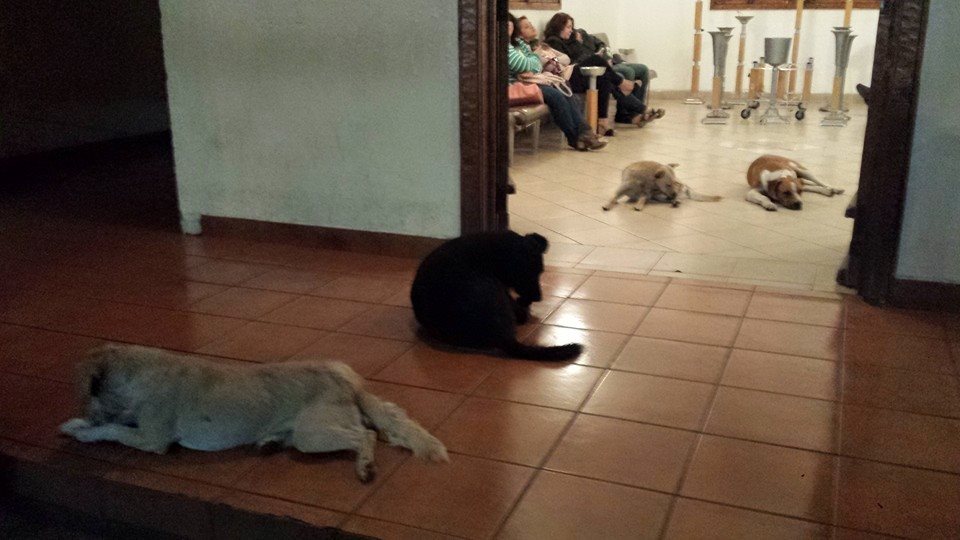
Once the dogs entered the funeral home, they did not simply pass through or linger briefly before wandering back outside. According to Urrutia’s account, which she shared with both ABC News and in a widely circulated Facebook post, the animals stayed. Hour after hour, through the long afternoon and deep into the evening, the dogs remained near the coffin, resting on the floor and interacting with the family members who moved through the room. Some sat close to the casket in what onlookers described as a guard-like posture, their bodies oriented toward Suárez as though keeping watch.
“They stayed with my mother all day, and then at night they all stayed- but in the morning all the dogs vanished but one, but one hour before we brought my mom to be cremated the dogs came back and grouped around as if to say goodbye,” Urrutia told ABC News.
A single dog had remained through the early hours when the others disappeared at dawn. For a brief window, it seemed as though the strange vigil had ended. But just before the family prepared to transport the coffin for cremation, the full group returned, assembling once more around Suárez as if aware that time was running short. For the family, already raw with loss, watching the dogs return for what appeared to be a final farewell proved to be an overwhelming experience.
Joy in a Moment of Grief
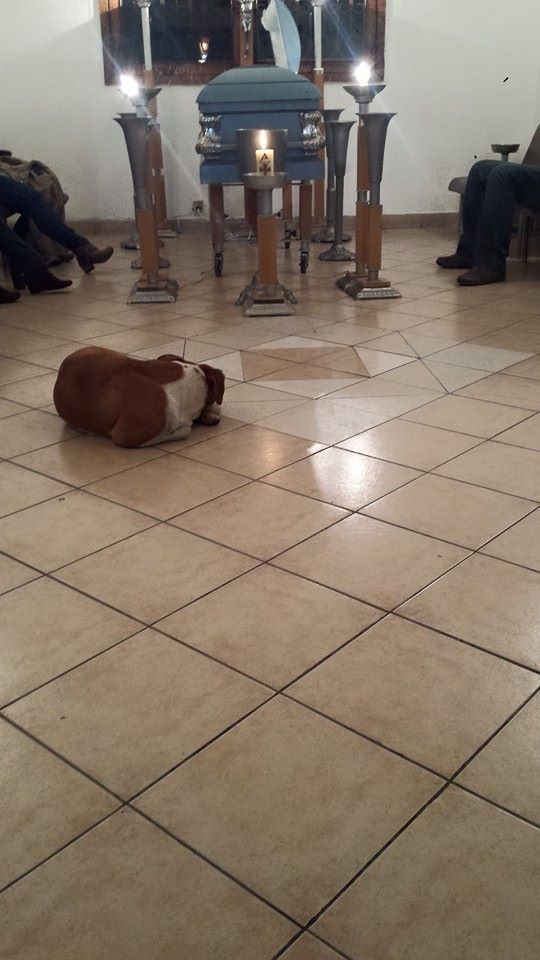
As the ceremony drew closer to its end, something shifted in the dogs’ behavior. Where they had been calm and watchful for most of the vigil, they began to move with a different energy, jumping and circling in a way that Urrutia interpreted not as agitation but as celebration. Rather than mirroring the sadness in the room, the animals seemed to inject a sense of lightness into a space heavy with grief. Urrutia later described the shift in her Facebook post, writing that “in the middle of our pain, they jumped for joy. It was wonderful.”
Animals were not finished paying their respects, either. At approximately three in the morning, while the family kept their overnight vigil beside the coffin, a bird flew through an open window. According to Urrutia, it glanced down at her mother’s casket, paused briefly, and then flew back out into the darkness while singing. On its own, such a moment might have gone unnoticed. Paired with the hours-long vigil of the stray dogs, however, it became part of a larger emotional experience that the family would carry with them long after the funeral ended.
Grief, in its rawest form, can narrow a person’s world to the point where comfort feels impossible. Urrutia, who had been bracing for devastation, found herself experiencing something she had not anticipated. Rather than sinking under the weight of loss, she found that the animals had given her a reason to look up, to notice, and to feel something beyond pain.
“When I was in a moment of so much pain these dogs that came, they showed me that everything was going to be okay,” Urrutia told ABC News.
On March 15, 2015, Urrutia posted the photographs she had taken during the vigil to her Facebook profile. Images of the dogs lying beside the coffin, sitting near the family, and gathered in a loose semicircle around the casket spread across social media at a pace that reflected how deeply the story resonated with audiences far beyond Mexico. Within days, her post had been shared more than 50,000 times and had collected over 192,000 likes. News organizations across the globe picked up the story, each one struck by the same central tension that made it so difficult to dismiss. A woman who had spent her life feeding animals nobody else cared about had, in death, received exactly the kind of farewell her quiet kindness deserved, delivered by creatures who seemingly had no reason to be there.
For Urrutia, the viral attention was secondary to what the experience meant in personal terms. Her mother had lived without fanfare, giving daily meals to strays who could never thank her in any language she spoke. Yet somehow, in a chapel 830 miles from home, surrounded by dogs she had never met, Margarita Suárez received a sendoff that said more about the life she lived than any eulogy could have. Her daughter, who had expected only tears that day, walked away with something else entirely.
What the dogs gave the family was not an explanation. It was not a miracle that could be catalogued or verified. It was simply a moment of strange, unearned grace during the hardest hours of their lives, and for Urrutia, that was more than enough. In her own words, the dogs “made a sad situation an incredible one.” And for the thousands of strangers who later encountered the story online, it served as a quiet reminder that kindness, even when given freely and without expectation of return, has a way of finding its way back.
Featured Image Source: Facebook/Patricia Urrutia https://www.facebook.com/photo/?fbid=10152741121583231&set=pcb.10152741121658231