
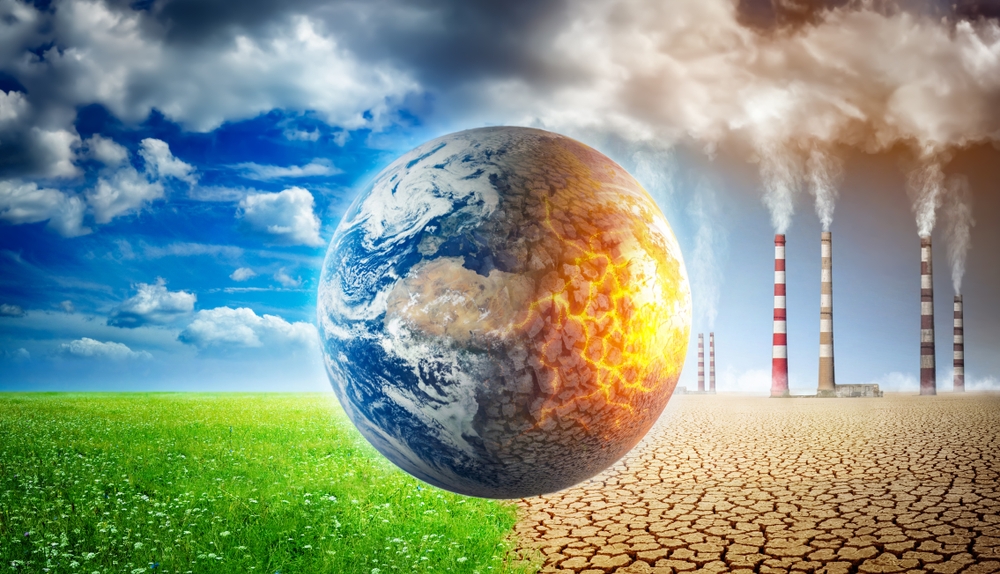
Earth could be heading towards another temperature record, and the latest climate predictions suggest things could get considerably worse before they improve. Three major climate monitoring organizations have reached a concerning conclusion: 2026 is virtually certain to become either the hottest or second-hottest year ever recorded. The projections come as global temperatures continue climbing, extreme weather puts millions of people at risk, and scientists warn that the planet is experiencing increasingly rapid warming.
The outlook for 2027 is even more alarming, with one climate analysis giving next year a 96% chance of becoming the hottest year on record. A powerful El Niño event is expected to add further heat to an already warming planet, potentially pushing global temperatures to approximately 1.74°C above pre-industrial levels. Meanwhile, communities across several continents are already experiencing the consequences, from deadly heatwaves to droughts and devastating wildfires.
Three Major Climate Organizations Are Predicting Another Record
The latest temperature projections from Copernicus, Berkeley Earth, and Carbon Brief paint a remarkably similar picture of the planet’s warming trajectory. Although their calculations produce slightly different probabilities, all three organizations expect 2026 to finish among the two hottest years since records began. Berkeley Earth’s analysis gives the year a 95% chance of becoming the hottest ever recorded, while Copernicus’s ERA5 analysis puts that likelihood at approximately 20%. However, Copernicus still considers a ranking of at least second place virtually certain.
Carbon Brief has reached a similarly concerning prediction after combining information from six temperature datasets with forecasts and statistical analyses. Its calculations give 2026 a 67% chance of surpassing 2024 as the hottest year on record. The differences between these estimates largely reflect how researchers calculate global temperatures, particularly when dealing with regions where direct measurements are limited. Antarctica, for example, presents challenges because scientists must estimate temperatures across areas with relatively sparse measurement coverage.
Dr Robert Rohde of Berkeley Earth explained that the differences partly come down to small variations in estimating year-to-date warmth and the previous record set in 2024. Even hundredths of a degree can influence the final ranking when two exceptionally hot years are being compared. Despite these differences, the central message remains consistent across all three analyses: another year of exceptional global warmth is almost certain.
El Niño Could Make 2027 Even Hotter Than 2026
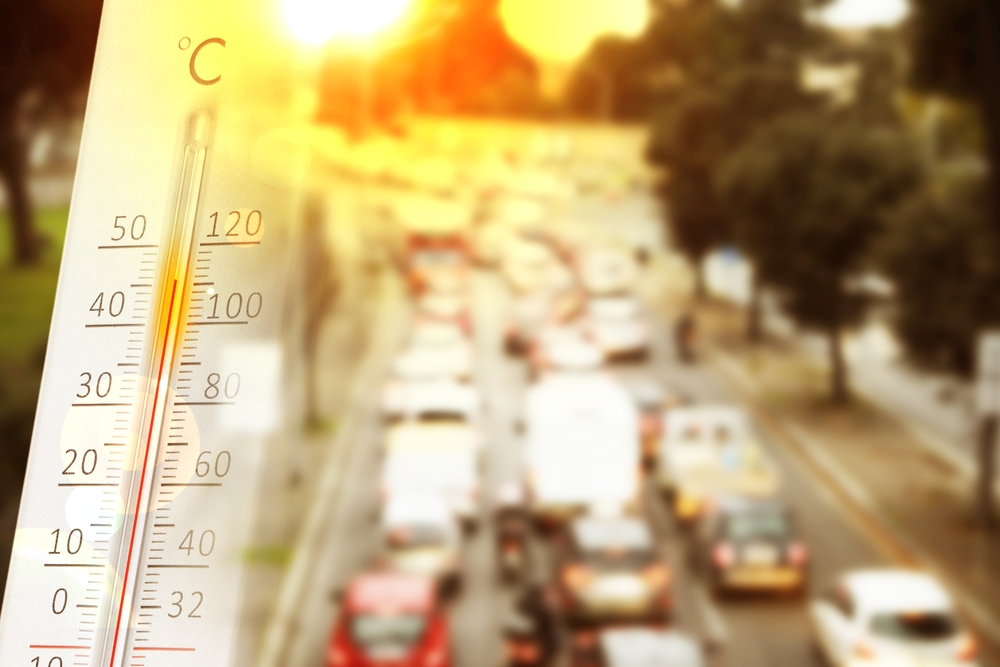
The temperature outlook becomes considerably more concerning when scientists look towards 2027. Carbon Brief projects that the global average temperature could reach approximately 1.74°C above pre-industrial levels next year. Although this estimate comes with a relatively wide uncertainty range, the organization is 90% confident the final figure will fall between 1.54°C and 1.95°C. Its analysis also gives 2027 a 96% chance of being warmer than every previous year, including 2026.
A major factor behind this forecast is the powerful El Niño event developing in the tropical Pacific Ocean. El Niño is a recurring climate pattern associated with unusually warm ocean temperatures that can influence weather conditions across several continents. During an active event, heat stored in the ocean moves into the atmosphere, temporarily adding to global average temperatures. The current event has attracted particular attention because the ocean temperatures being recorded are exceptionally high.
In September, the average sea surface temperature in the Niño 3.4 region surpassed the previous record of 2.72°C established in November 2015. Temperatures have reportedly remained above that previous record since then. Climate researcher Zeke Hausfather described the development as staggering, explaining that the event was developing unusually quickly and reaching exceptionally warm sea surface temperatures. He also suggested it could become the strongest El Niño event in the past millennium.
Forecast models expect the event to peak around November or December, potentially reaching temperatures close to 4°C. That would be approximately one degree warmer than the previous record. Global temperatures also tend to respond to El Niño with a delay of around three months after the ocean reaches its peak warmth. This means the strongest influence could become visible during 2027, helping explain why scientists expect another temperature record.
The Planet Is Approaching Another 1.5°C Milestone
Another major concern involves the 1.5°C temperature threshold associated with international climate goals. The latest projections suggest that the annual global average for 2026 will exceed 1.5°C above the pre-industrial average. If that happens, it will be only the second year to cross this level after 2024, which averaged approximately 1.55°C according to the World Meteorological Organization.
The WMO’s latest assessment found that the average global temperature through September 2026 had reached approximately 1.47°C above the pre-industrial baseline. Temperatures were expected to rise further during the final two months of the year because of the developing El Niño event. These measurements show how close the planet is moving towards another exceptionally warm annual average, even before the full effects of the current ocean warming become apparent.
There is, however, an important scientific distinction between an individual year exceeding 1.5°C and permanently crossing the long-term warming threshold. The internationally recognized 1.5°C goal refers to long-term average warming rather than a single unusually hot year. One year above that level does not automatically mean the long-term threshold has been permanently breached. Nevertheless, repeated years of exceptional warmth demonstrate how much pressure climate change is placing on natural systems and human communities.

Extreme Heat Is Already Causing Deadly Consequences
The latest temperature projections are particularly concerning because the effects of extreme heat are already being felt across the world. The WMO report documented serious consequences associated with this year’s temperatures, including an estimated 30,000 excess deaths linked to European heatwaves. In India, approximately 146.5 million people were exposed to extreme heat during April. These figures demonstrate how quickly unusually high temperatures can become a public health crisis.
Prolonged heat can place enormous pressure on the human body, particularly among older people and those already vulnerable to high temperatures. Outdoor workers and agricultural communities can face especially difficult conditions when temperatures remain dangerously high for extended periods. People without reliable access to cooling are also at greater risk during severe heatwaves. Beyond immediate health emergencies, extreme temperatures can increase electricity demand, damage crops, and disrupt essential services.
The consequences are expected to become more complicated if the current El Niño event produces major changes in rainfall patterns. Zeke Hausfather identified precipitation changes across tropical regions as one of the most concerning potential impacts. He specifically highlighted the possibility of substantial rainfall reductions in Indonesia, the Maritime Continent, the Philippines, the Amazon, and South Africa. These regions could experience serious drought conditions, creating additional problems for communities already exposed to environmental pressures.
Drought And Wildfires Could Become Another Major Threat
Reduced rainfall can have consequences that extend far beyond water shortages. When prolonged drought combines with high temperatures, vegetation becomes increasingly dry and vulnerable to fire. Hausfather pointed to the association between El Niño-related droughts and severe fires in Indonesia and the Amazon. Such fires can release additional emissions into the atmosphere while creating dangerous air pollution that threatens communities across large areas.
The potential effects are particularly concerning because several environmental problems can develop together. Drought can damage agricultural production and reduce the availability of water for households and businesses. Wildfires can destroy forests and release pollutants, while smoke can travel considerable distances and affect people who live far from the original fires. These conditions can also place additional pressure on local economies and public health services.
Some of the regions identified in the climate projections are particularly important for global ecosystems. The Amazon contains enormous areas of tropical forest, while Indonesia and surrounding parts of Southeast Asia support diverse natural habitats. Extended drought and severe fires can damage these environments and create additional environmental pressures. Although the exact effects will depend on how the current El Niño develops, scientists are watching rainfall patterns closely as the event approaches its expected peak.
Human-Caused Greenhouse Gas Emissions Remain The Main Problem
El Niño helps explain why temperatures could rise sharply over the next year, but it does not explain the planet’s long-term warming trend. Human activities remain overwhelmingly responsible for the continuing increase in global temperatures. Carbon dioxide and other greenhouse gases trap heat within the Earth’s climate system, increasing the amount of energy retained by the planet. Their accumulation has steadily pushed global temperatures higher, even during periods when natural climate patterns temporarily produce cooler conditions.
Dr Robert Rohde warned that the underlying problem is the rapid and accelerating rate of warming. He explained that this trend will continue until humanity meaningfully reduces greenhouse gas emissions produced by human activities. He also warned that continued emissions mean the world should expect many more temperature records. His assessment draws attention to the difference between temporary natural climate fluctuations and the longer-lasting influence of greenhouse gases.
An El Niño event will eventually weaken, but the greenhouse gases already accumulating in the atmosphere will continue influencing the climate. A future transition towards La Niña, the cooler phase of the Pacific climate pattern, could temporarily affect global temperatures in the opposite direction. However, even a cooler year would not reverse the long-term warming trend. Scientists therefore examine temperature patterns across several years rather than treating one annual ranking as a complete picture of climate change.
Climate Change Is Becoming A Serious Global Health Emergency
The health consequences of rising temperatures are receiving increasing attention from researchers and international organizations. In October 2026, the Lancet Countdown on Health and Climate Change called for climate change to be formally recognized as a global health emergency. The assessment was produced in collaboration with the World Health Organization, highlighting the growing concern surrounding the effects of environmental changes on human health.
Heat exposure is among the most immediate dangers. People working outdoors, living in poorly insulated buildings, or lacking access to reliable cooling can face particularly difficult conditions during prolonged heatwaves. Drought and changing rainfall patterns create additional risks through their effects on food production and water availability. Wildfire smoke can also worsen air quality, exposing people to harmful pollution even when fires are burning hundreds of miles away.
These problems can spread across national borders and affect communities that may not experience the original extreme weather event. Disrupted agricultural production can place pressure on food supplies, while prolonged drought can affect industries that depend on reliable water resources. Rising temperatures can also increase the strain on electricity networks as more people require cooling during dangerous heat. The combination of these pressures makes climate change an increasingly serious challenge for governments and health systems.
The Next Temperature Record Is Already A Warning
The forecasts for 2026 and 2027 point towards another period of exceptional global warmth, with El Niño potentially pushing temperatures even higher. Droughts, extreme heat, and changing rainfall patterns could create additional pressure on millions of people, particularly in vulnerable regions. Although natural climate patterns influence individual years, the underlying warming trend remains closely connected to human greenhouse gas emissions.
The next temperature record may arrive sooner than expected, but the number of future records will depend heavily on decisions made about emissions. Reducing greenhouse gas pollution will not immediately reverse the warming already experienced, but it can limit how much additional heat accumulates in the climate system. The planet is already showing what sustained warming looks like, and allowing emissions to continue unchecked risks making those consequences increasingly severe.
Sources:
2026 and the 4-year global temperature average on track to exceed 1.5°C above pre-industrial levels. (n.d.). Copernicus. https://climate.copernicus.eu/2026-and-4-year-global-temperature-average-track-exceed-15degc-above-pre-industrial-levels
Rohde, R., & Rohde, R. (2026, November 19). October 2026 Temperature update. Berkeley Earth. https://berkeleyearth.org/october-2026-temperature-update/