
Your cart is currently empty!
Scientists Warn Earth Has Crossed Seven Critical Environmental Limits
Earth has remained habitable for thousands of years because its climate, oceans, freshwater systems and natural ecosystems have operated within conditions that support life. Scientists now warn that humanity is pushing several of these systems beyond the limits associated with a stable planet, raising concerns about the future conditions on which modern civilisation depends.
Contents
show
The 2026 Planetary Health Check, published by the Planetary Boundaries Science Lab at Germany’s Potsdam Institute for Climate Impact Research (PIK), finds that seven of nine planetary boundaries have been breached. All seven are showing worsening trends, while researchers warn that continued pressure could increase the risk of lasting environmental damage.
Seven Of Nine Planetary Boundaries Have Been Breached
The latest Planetary Health Check identifies seven major Earth system processes that have moved beyond their defined safe operating space. These include climate change, biosphere integrity, biogeochemical flows, novel entities, land system change, freshwater change and ocean acidification.
The findings build on an assessment first introduced by scientists in 2009. When researchers published the first Planetary Health Check in 2023, they identified six breached boundaries. Ocean acidification joined the list in 2025, bringing the total to seven.
According to the 2026 report, four of the breached boundaries are now in the high-risk zone, while the other three have entered a zone of increasing risk. These classifications indicate that pressure on Earth’s natural systems has reached levels associated with a greater likelihood of harmful changes.
Boris Sakschewski, the report’s lead author and a scientist at PIK, described the findings in a statement: “The diagnosis is unambiguous. Pressure is rising across every Planetary Boundary already outside the safe operating space.”
Sakschewski also warned that the risks of large-scale, persistent and potentially irreversible change are increasing as humanity’s margin for correcting these problems becomes smaller. The assessment does not predict an immediate planetary collapse, but it does identify a growing threat to the systems that sustain life.
What The Nine Planetary Boundaries Actually Mean
The planetary boundaries framework identifies nine critical processes that help maintain Earth’s stability, resilience and life-support functions. Scientists use measurable indicators to determine whether these processes remain within conditions considered relatively safe for humanity and the wider natural world.
The framework is based partly on the environmental conditions of the Holocene, the geological epoch that began approximately 11,700 years ago following the last major ice age. During this period, comparatively stable climate patterns and functioning natural systems helped support agriculture, permanent settlements and the development of modern societies.
Earth’s natural systems provide several essential functions, including regulating temperatures, cycling freshwater, maintaining fertile soils and supporting biodiversity. Oceans also regulate climate and sustain marine food webs, while forests and other ecosystems absorb carbon and help maintain the balance of nutrients throughout the environment.
Scientists established boundaries to identify when human pressure begins moving these systems away from their safer operating conditions. Crossing a boundary means entering a zone where the risks of environmental disruption increase, rather than reaching a point where disaster automatically becomes inevitable.
The report also stresses that the nine boundaries are interconnected. For example, rising carbon dioxide concentrations affect the climate and ocean chemistry, while deforestation can reduce carbon absorption and disrupt freshwater cycles. These connections mean that damage in one area can intensify existing problems elsewhere.
The Seven Environmental Systems Under Growing Pressure
Each breached boundary reflects a different type of human pressure, ranging from greenhouse gas emissions to the destruction of natural habitats and the release of synthetic chemicals. Together, they provide a broader picture of how human activity is changing the planet’s physical and biological systems.
The seven boundaries identified in the 2026 assessment are climate change, biosphere integrity, biogeochemical flows, novel entities, land system change, freshwater change and ocean acidification. Four are classified as being in the high-risk zone, while the other three have crossed into the increasing-risk zone.
Climate change is driven by rising greenhouse gas concentrations that alter Earth’s energy balance and increase temperatures. Biosphere integrity concerns the condition of ecosystems and the loss of species, while biogeochemical flows focus on the disruption of natural nutrient cycles through substances such as nitrogen and phosphorus.
Novel entities include human-made chemicals and materials that enter the environment, including plastics and persistent industrial pollutants. Land system change measures pressure from the conversion of natural landscapes, while freshwater change concerns alterations to the water systems that support people and ecosystems.
Ocean acidification occurs as seawater absorbs carbon dioxide from the atmosphere, changing its chemistry. The effects can make it more difficult for corals and shell-building organisms to maintain their structures, threatening marine ecosystems and the communities that depend on them.
These pressures are not isolated from one another. Declining biodiversity can weaken natural carbon storage, while changes in water availability can affect agriculture and vegetation. As multiple boundaries deteriorate together, the possibility of cascading environmental consequences becomes more concerning.
Rising Carbon Dioxide Is Accelerating Climate Change
Climate change remains one of the clearest examples of human activity pushing Earth beyond its safe operating space. The 2026 Planetary Health Check reports that atmospheric carbon dioxide concentrations reached a record 426 parts per million, compared with approximately 280 parts per million before the Industrial Revolution.
Many scientists identify 350 parts per million as a proposed safe boundary for atmospheric carbon dioxide. The concentration surpassed that level in 1987 and has continued rising as fossil fuels are burned for electricity, transport, industry and other activities.
Carbon dioxide traps heat within the climate system, contributing to warming across the atmosphere and oceans. The resulting changes affect weather patterns, sea levels and ecosystems, increasing risks to infrastructure, food supplies, water resources and human health.
The report highlights how quickly warming has accelerated in recent years. Between 2016 and 2025, global temperatures increased at an observed rate of approximately 0.30 degrees Celsius per decade, compared with an average rate of 0.19 degrees Celsius per decade over the 1980 to 2020 period.
The assessment also points to exceptional temperatures across western Europe during June and July 2026, alongside drought conditions in France, Spain, Germany and the United Kingdom. Major wildfires were also reported in Europe and Canada during the period discussed in the report.
Individual heatwaves, droughts and wildfires have different causes, so the planetary boundaries findings do not establish that climate change alone caused every event. However, rising global temperatures can increase the likelihood or severity of certain extreme conditions, adding pressure to communities already exposed to environmental hazards.
Researchers are particularly concerned about changes that reinforce themselves. Continued warming can weaken natural carbon sinks, while the loss of forests and other ecosystems can reduce the amount of carbon absorbed from the atmosphere. Such interactions could make it harder to limit future warming.
Ocean Acidification Is Adding Pressure To Marine Life
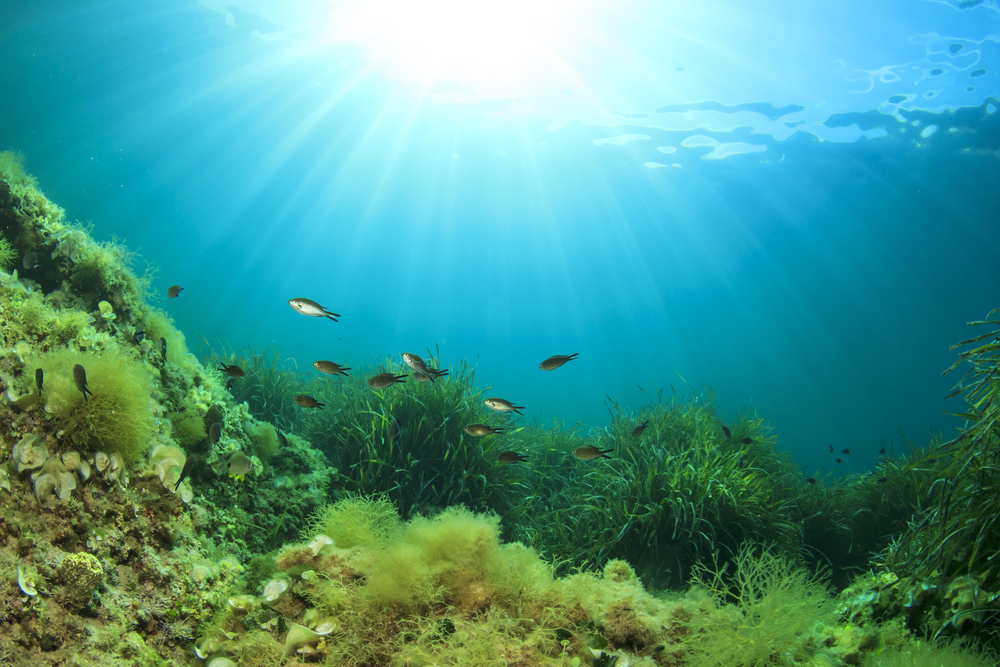
The oceans absorb a portion of the carbon dioxide released into the atmosphere, helping limit the amount that remains in the air. However, this process also changes seawater chemistry, increasing acidity and creating difficult conditions for some marine organisms.
Corals and many shell-building species depend on carbonate minerals to construct and maintain their protective structures. As ocean chemistry changes, obtaining the materials needed for these structures can become more difficult, potentially affecting growth, survival and reproduction.
These impacts can spread through marine ecosystems because many species depend on coral reefs and other ocean habitats for food and shelter. Damaged reefs can also threaten fishing industries, tourism and coastal communities that rely on healthy marine environments.
The 2026 Planetary Health Check highlights the scale of recent coral bleaching. According to the PIK press release, bleaching-level heat stress affected approximately 84.4% of the world’s coral reef area between January 2023 and September 2025, making it the largest global coral-bleaching event observed to date.
Global ocean heat content also reached a record in 2025, according to the report. Warmer oceans can influence tropical cyclone intensity and other weather patterns, although the development and strength of individual storms depend on several environmental conditions.
Ocean acidification and ocean warming are distinct processes, but they can place overlapping pressure on marine life. Pollution, destructive fishing practices and habitat damage add further stress, leaving some ecosystems with less capacity to withstand environmental changes.
Why Scientists Fear A Chain Reaction Across Earth
One of the most concerning aspects of the planetary boundaries findings is the possibility that environmental damage could spread across several interconnected systems. Earth does not function as a collection of independent parts, and changes in one process can affect the stability of others.
Forests, wetlands and other natural ecosystems help absorb carbon dioxide, regulate freshwater cycles and maintain soil fertility. When these environments are destroyed or degraded, their ability to perform those functions can decline, increasing pressure on climate systems and agricultural production.
Biodiversity loss creates another concern because different species contribute to the functioning of ecosystems. Declining populations and extinctions can disrupt food webs, pollination, nutrient cycling and other processes that help maintain natural environments.
The report identifies three wider areas of concern: the vulnerability of land-based carbon sinks, the health and protection of seafloor ecosystems amid destructive fishing and potential deep-sea mining, and the uncertain consequences of pollution from human-made chemicals and materials.
The risks associated with novel entities are particularly difficult to assess because some substances can persist in the environment long after their release. Their effects may remain poorly understood until contamination becomes widespread, making prevention and careful management especially important.
Scientists also warn about the possibility of tipping points, which occur when a system moves beyond a threshold and begins shifting toward a different state. Some changes can become self-reinforcing, making it difficult to restore the previous conditions even if the original pressure is reduced.
The report does not suggest that every breached boundary will trigger an irreversible tipping point. Instead, it warns that continued transgression increases the risks of large-scale and difficult-to-reverse changes, especially when multiple Earth systems are under pressure simultaneously.
Two Planetary Boundaries Remain Within Safe Limits
Despite the worsening findings, two boundaries remain within their defined safe operating space: atmospheric aerosol loading and stratospheric ozone depletion. Both areas offer useful insights into environmental protection, although neither is free from concern.
The ozone layer protects life on Earth by absorbing much of the Sun’s harmful ultraviolet radiation. Its protection has improved through international action, particularly the Montreal Protocol, which established a global framework for phasing out substances responsible for ozone depletion.
This agreement demonstrates how coordinated policies can reduce pressure on an important Earth system. However, the 2026 report warns that ozone recovery has slowed and the layer remains below mid-20th-century levels, making continued monitoring and compliance necessary.
Atmospheric aerosol loading also remains within the global safe operating space, although regional transgressions persist. Aerosols are tiny particles suspended in the atmosphere that can affect air quality and climate, and high concentrations can cause serious environmental and health problems.
South Asia is among the regions highlighted for aerosol-related concerns. The fact that the global boundary remains within its safe range does not mean local pollution is harmless, particularly for communities exposed to high concentrations of airborne particles.
The progress made on ozone depletion shows that international cooperation can produce measurable environmental improvements. It also illustrates why action must continue even after progress begins, especially when natural systems require time to recover from past damage.
Scientists Say Humanity Still Has Options To Reduce The Risks
The Planetary Health Check identifies growing pressure from energy use, industrial production, fertiliser consumption, land conversion, water use, transport and material consumption. These activities have expanded substantially since the middle of the 20th century, increasing demands on natural resources and the environment.
Reducing the risks requires action across multiple sectors. Lowering greenhouse gas emissions can limit further climate pressure, while protecting forests and other natural ecosystems can support biodiversity and preserve important carbon sinks.
More careful management of fertilisers can reduce excess nitrogen and phosphorus entering rivers, lakes and oceans. Better controls on human-made chemicals and materials can also help limit pollution, particularly where the long-term environmental effects remain uncertain.
Protecting freshwater systems and restoring degraded landscapes can help maintain the natural processes that support agriculture, communities and wildlife. Marine conservation measures can also reduce pressure on vulnerable habitats, although individual interventions need to reflect the conditions of the ecosystems involved.
Johan Rockström, director of PIK and a co-author of the report, stressed that solutions remain available despite the urgency of the findings. He said: “We do not have the luxury of time, but we do have the knowledge, capacity and solutions to change course.”
The report calls for accelerated action to return the breached boundaries toward their safe operating space. Achieving that goal will require sustained efforts to address the causes of environmental degradation rather than focusing on one problem while leaving others to worsen.
The seven breached boundaries do not mean Earth is destined to collapse, but they indicate that humanity is increasing the risks to the natural systems that support civilisation. The challenge is to reduce those pressures before environmental changes become harder to reverse, while protecting the systems that continue to keep the planet habitable.