
Your cart is currently empty!
Egyptian Teen Dies After Eating Three Packets of Raw Noodles in Viral Social Media Challenge
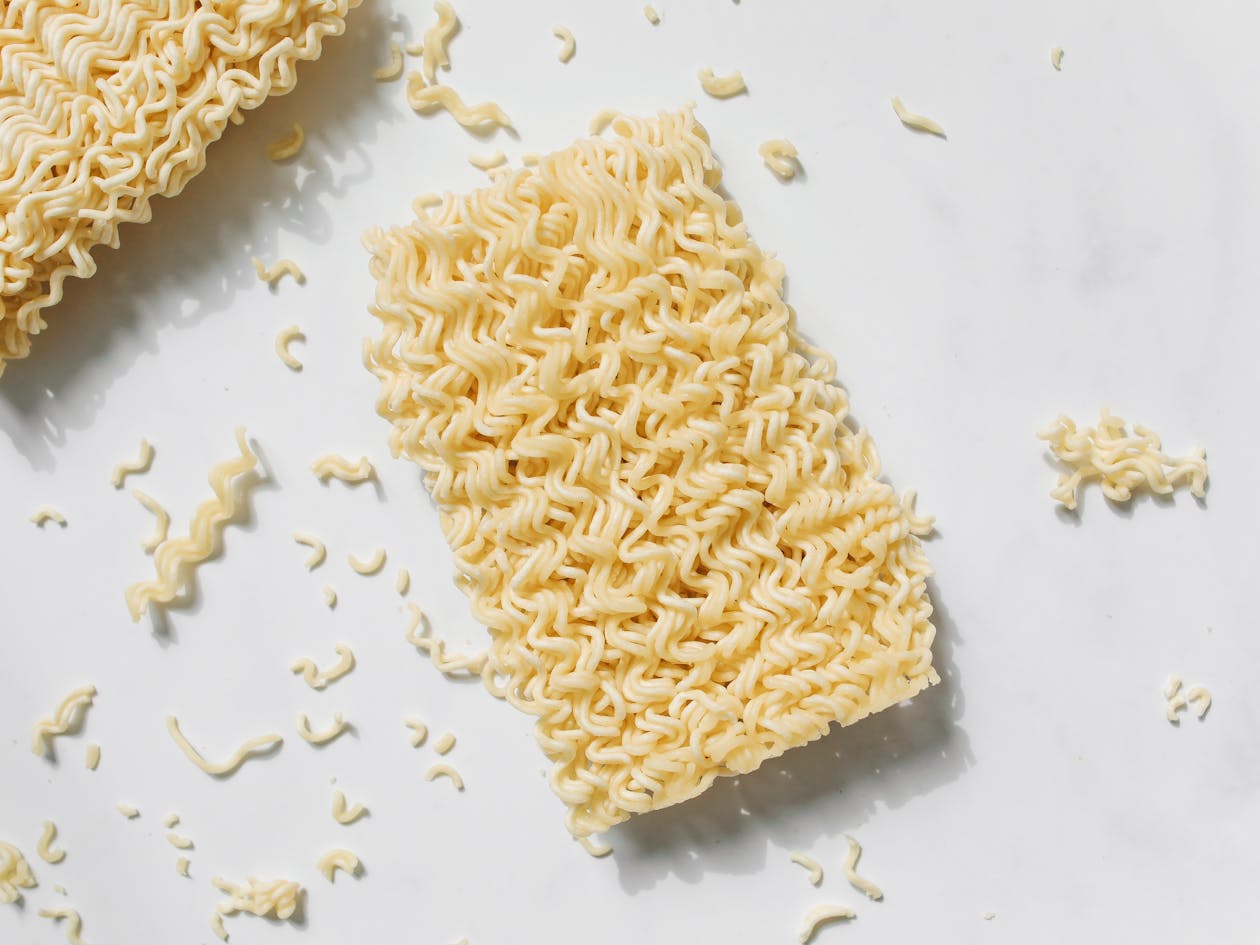
On an ordinary afternoon in Cairo’s El-Marg district, a 13-year-old boy reached for a snack. Like millions of young people across Egypt and beyond, he chose instant noodles, a cheap and convenient food that has become a dietary staple for younger generations. But unlike most, he did not boil water or reach for a pot. Instead, he tore open not one but three packets and ate them dry, uncooked, straight from their packaging. Within 30 minutes, something had gone terribly wrong.
Contents
show
What began as a casual snack quickly became a medical emergency. Soon after finishing his meal, his body began to reject what he had consumed. Severe abdominal pain set in, followed by profuse sweating and repeated bouts of vomiting. His family watched in alarm as his condition deteriorated with frightening speed.
By the time help could arrive, it was too late. Authorities later confirmed that he had passed away, his death tied to a viral online challenge that has been gaining traction for months. Videos tagged with “Eat Ramen Raw” have amassed millions of views across social media platforms, with users, often teenagers and young adults, filming themselves eating dry instant noodles on camera.
For one Egyptian family, a trend designed to generate clicks and views ended in unimaginable tragedy.
What Happened in Cairo
Security forces from Cairo’s directorate responded to a report of a death at a residential address in El-Marg. When officers arrived at the scene, they discovered the boy’s body. No visible injuries marked his skin. No signs of foul play presented themselves. By all appearances, nothing external had harmed him.
Yet his family’s account painted a disturbing picture. Just half an hour before his death, he had consumed three full packets of dry instant noodles. Almost immediately afterward, intense stomach cramps had seized him. Vomiting followed. His body temperature fluctuated. Every symptom pointed toward a severe internal reaction to something he had eaten.
Arabic media outlets reported that his condition had worsened so quickly that medical intervention could not save him. For his parents, the loss came without warning. One moment, their son was snacking. Less than an hour later, he was gone.
Early Suspicions and Investigation

News of the death spread quickly, and with it came speculation. Had the noodles been poisoned? Had they been stored improperly, leading to contamination? Instant noodles are ubiquitous in Egypt, sold at small shops and supermarkets alike. If a tainted batch had entered circulation, public health officials needed to know immediately.
Authorities moved swiftly. Police detained the shopkeeper who had sold the noodles to the boy, questioning him about his storage practices and supply chain. Samples of the product were collected and sent to laboratories for analysis. Meanwhile, prosecutors ordered an autopsy to determine the precise cause of death.
For days, the investigation remained open. Families across Egypt wondered whether the instant noodles sitting in their own kitchens posed a hidden danger. Social media buzzed with theories, some reasonable and others veering into conspiracy. Everyone wanted answers.
Autopsy Results Rule Out Contamination

When laboratory results finally arrived, they offered a measure of relief to the broader public, though no comfort to the grieving family. Testing confirmed that the noodles met standard safety specifications. No foreign substances had been introduced. No bacteria or toxins had contaminated the product. By every measurable standard, the noodles were safe for consumption when prepared according to manufacturer instructions.
Medical examiners reached a different conclusion about why the boy had died. According to autopsy findings, he most likely suffered an acute bowel emergency. Eating three packets of dry, uncooked noodles at once had overwhelmed his digestive system. Physicians believe an intestinal obstruction may have formed, blocking normal digestive function and triggering a cascade of severe symptoms.
His death, investigators determined, resulted not from a defective product but from consuming an excessive quantity of raw noodles in a single sitting. Authorities released the detained shopkeeper after finding no evidence of wrongdoing on his part.
Why Raw Noodles Pose Serious Health Risks
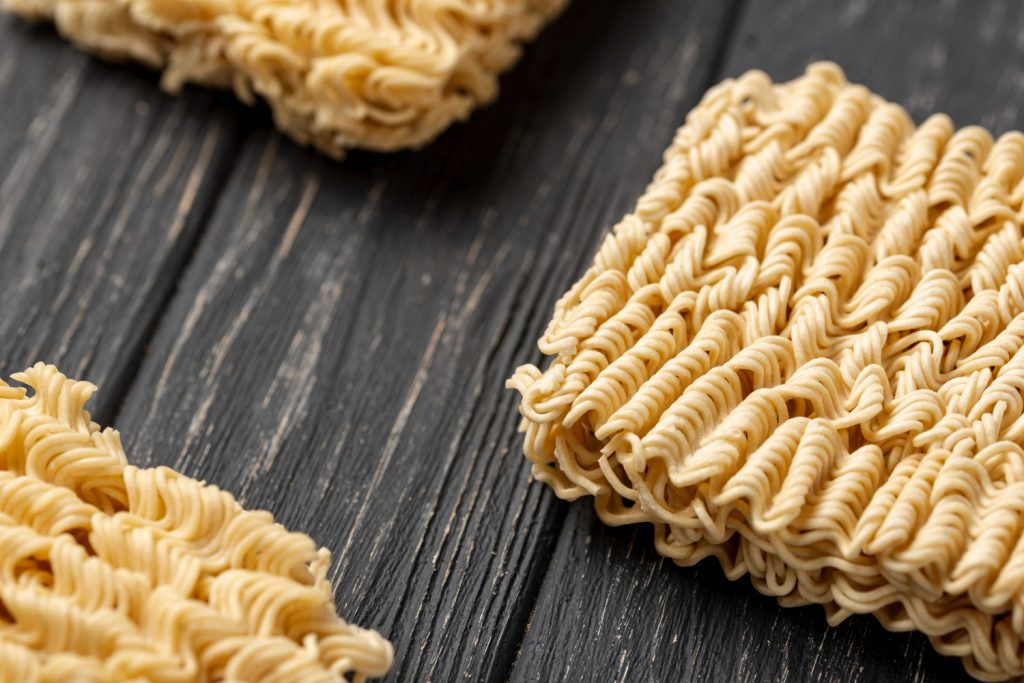
Instant noodles undergo a manufacturing process that technically pre-cooks them before packaging. Many social media users have seized on this fact to argue that eating them raw is harmless. After all, if the noodles are already cooked, what difference does boiling water make?
Medical professionals disagree strongly with this logic. While instant noodles may be technically edible without further preparation, eating them dry carries real dangers that many consumers do not understand.
Dry noodles absorb liquid. When consumed without water, they begin absorbing fluids inside the stomach and intestines. In small quantities, the body can usually manage this process without issue. But when someone consumes multiple packets at once, as happened in Cairo, the noodles can expand significantly within the digestive tract. Severe dehydration can result as the body loses fluids to the expanding mass of noodles. Worse still, a blockage can form, preventing food and waste from moving through the intestines normally.
Dr. Ruchi Gupta, speaking to Pune Pulse about the dangers of uncooked noodles, offered a clear warning. “Instant noodles are processed to be consumed after cooking. Eating them raw in large quantities can put serious strain on the digestive system.”
Her words carry particular weight given recent events. What might seem like a harmless snack can become a medical emergency when consumed in ways the product was never designed to accommodate.
Inside the “Eat Ramen Raw” Trend

Viral challenges have long posed risks to young people eager to participate in online trends. From dangerous stunts to questionable consumption challenges, social media platforms have repeatedly served as vectors for behaviors that put participants in harm’s way.
“Eat Ramen Raw” represents the latest iteration of this troubling pattern. Videos posted under related hashtags show users, predominantly teenagers and young adults, crunching through dry instant noodles directly from the packet. Some sprinkle the included seasoning powder over the uncooked noodles for added flavor. Others eat them plain. Nearly all film themselves doing so, uploading the content in hopes of attracting views, likes, and followers.
Millions of people have watched these videos. Many have attempted to replicate what they see on screen. For most, a single serving of dry noodles may cause nothing more than minor digestive discomfort. But the trend normalizes a practice that can become dangerous when taken to extremes, and young viewers often lack the judgment to recognize where harmless fun ends and genuine risk begins.
Content creators participating in the trend often justify their behavior by pointing out that instant noodles are pre-cooked during manufacturing. Product labels, however, tell a different story. Every major instant noodle manufacturer includes cooking instructions on packaging and recommends that consumers prepare the product with boiling water before eating. None endorses consuming their products dry.
Health Authorities Sound the Alarm
Medical professionals and public health officials have grown increasingly vocal about the risks associated with raw noodle consumption. Concerns center not only on the physical dangers but also on how viral trends can shape behavior among young people who may not fully understand the consequences of their actions.
Egypt’s National Nutrition Institute has reportedly addressed the issue, stressing that no scientific evidence directly links properly stored instant noodles to death when consumed as directed. However, officials noted that misuse or excessive consumption can trigger serious health complications, including the acute intestinal problems that appear to have caused this latest fatality.
Similar warnings have emerged from health experts around the world. Eating raw noodles in large quantities raises the risk of intestinal blockage, a condition that can require surgical intervention and, in severe cases, prove fatal. Dehydration compounds the danger, particularly for young people whose bodies may not yet signal distress effectively.
Parents and guardians face a difficult task in monitoring their children’s exposure to online trends. Many viral challenges spread rapidly and disappear just as quickly, making it hard for adults to stay informed about what young people are watching and attempting to imitate. Health authorities urge families to maintain open conversations about online content and to discuss the real-world consequences that can follow from seemingly harmless internet trends.
A Pattern of Food Safety Concerns
Recent months have seen multiple food-related tragedies make headlines around the world, raising broader questions about product safety and consumer awareness.
Earlier in 2024, Nate’s Fine Foods, a U.S.-based food company, expanded a recall of pre-cooked pasta products after a sample tested positive for Listeria monocytogenes, a bacterium that can cause severe illness. In a press statement, company representatives addressed the situation directly.
According to data from the U.S. Food and Drug Administration, 27 people across 18 states became infected in connection with the outbreak. Of those with available information, 25 required hospitalization. Six deaths were reported, and one pregnancy-associated illness resulted in fetal loss.
While the listeria outbreak involved different products and different circumstances than the Egyptian teen’s death, both incidents serve as reminders that food safety requires vigilance from manufacturers, regulators, and consumers alike.
A Preventable Loss and a Lasting Warning

For the family in Cairo’s El-Marg district, no investigation findings or public health warnings can undo their loss. A 13-year-old boy is gone, his death tied to a social media challenge that treats dangerous eating habits as entertainment.
Instant noodles remain a popular and affordable food option for millions of people across Egypt and beyond. When prepared according to manufacturer guidelines, they pose no unusual risk to healthy consumers. Problems arise when products are misused, when excessive quantities are consumed at once, or when viral trends encourage behaviors that manufacturers never intended.
Health officials continue to urge consumers to follow cooking instructions printed on packaging. Parents are encouraged to discuss online challenges with their children and to help young people understand that what appears fun or harmless on video can carry real consequences.
As for the “Eat Ramen Raw” trend, medical professionals hope that news of this tragedy will prompt reconsideration among those who might otherwise participate. Social media challenges come and go. Lives lost to preventable accidents do not return.