
Your cart is currently empty!
The Elk Who Spent 15 Minutes Trying To Save A Trapped Marmot
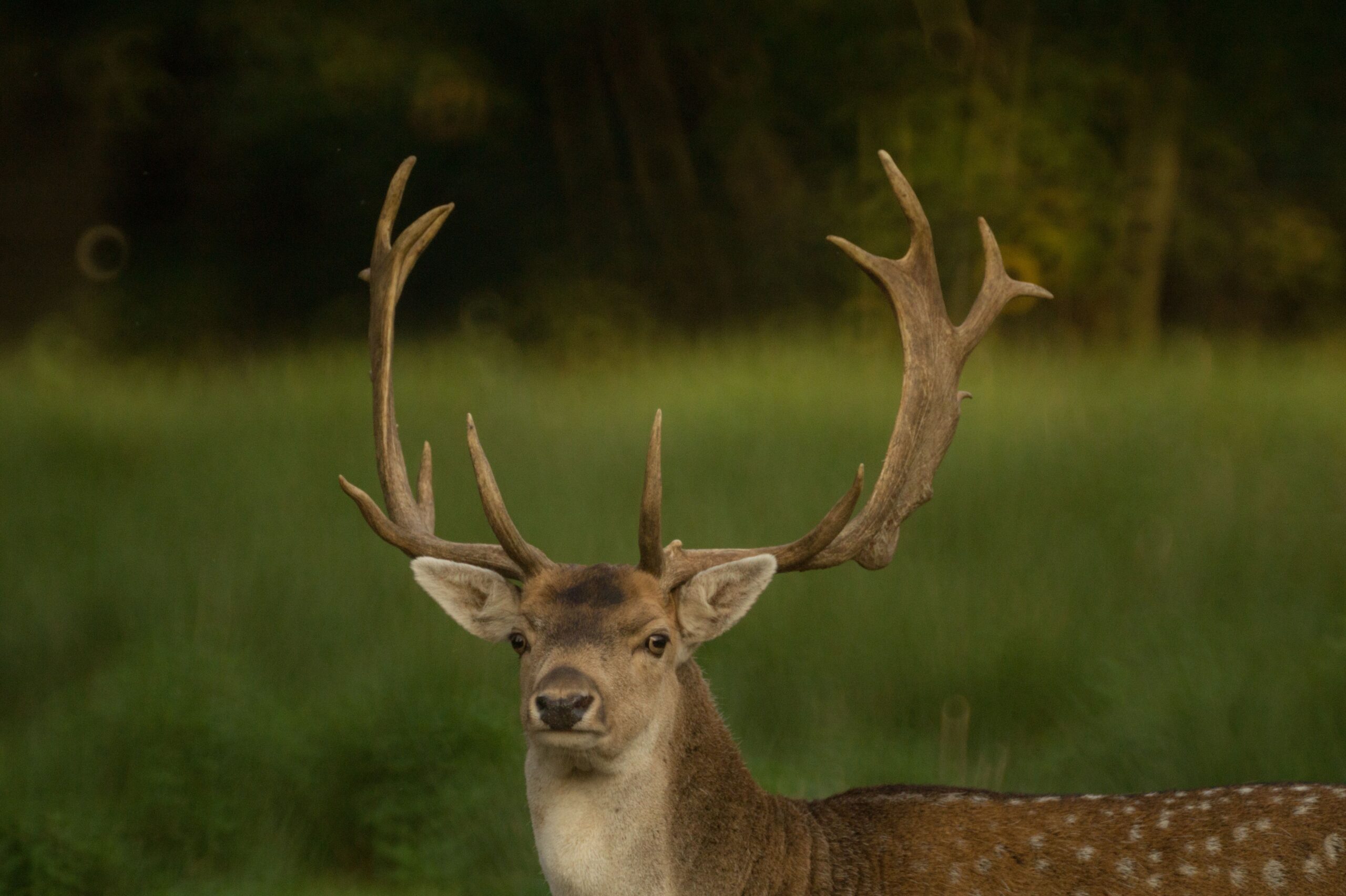
Nobody at the Pocatello Zoo could work out why Shooter had suddenly become obsessed with his water tank. The four-year-old bull elk kept circling it, sniffing around the edges and dipping his hooves into the water, leaving staff wondering what had caught his attention.
Contents
show
They watched for around 15 minutes before the mystery finally became clear. A yellow-bellied marmot had fallen into the tank and was struggling to get out, while Shooter appeared determined to reach it.
Shooter Had Staff Watching His Every Move
It was late June 2011 when zoo education coordinator Joy Fox noticed the unusual behavior. She had a camera with her, but she had no idea the footage would capture a moment that would later spread far beyond Idaho.
“Shooter is like playing in the water tank,” Fox told a television crew at the zoo. “What’s he doing and I was like ‘Oh, let’s look,’ so I grabbed my camera.”
At first, the staff had a simple explanation for Shooter’s behavior. They thought the massive elk might be preparing to climb into the tank, especially because he kept sniffing, pawing and shifting around the water.
“We thought he was just going to climb in the tank because he was sniffing and pawing and he kept shifting around and looking in the tank,” Fox said. Shooter never climbed inside, though. Instead, he repeatedly adjusted his position and tried different ways to reach into the water.
His Antlers Made The Job Much Harder
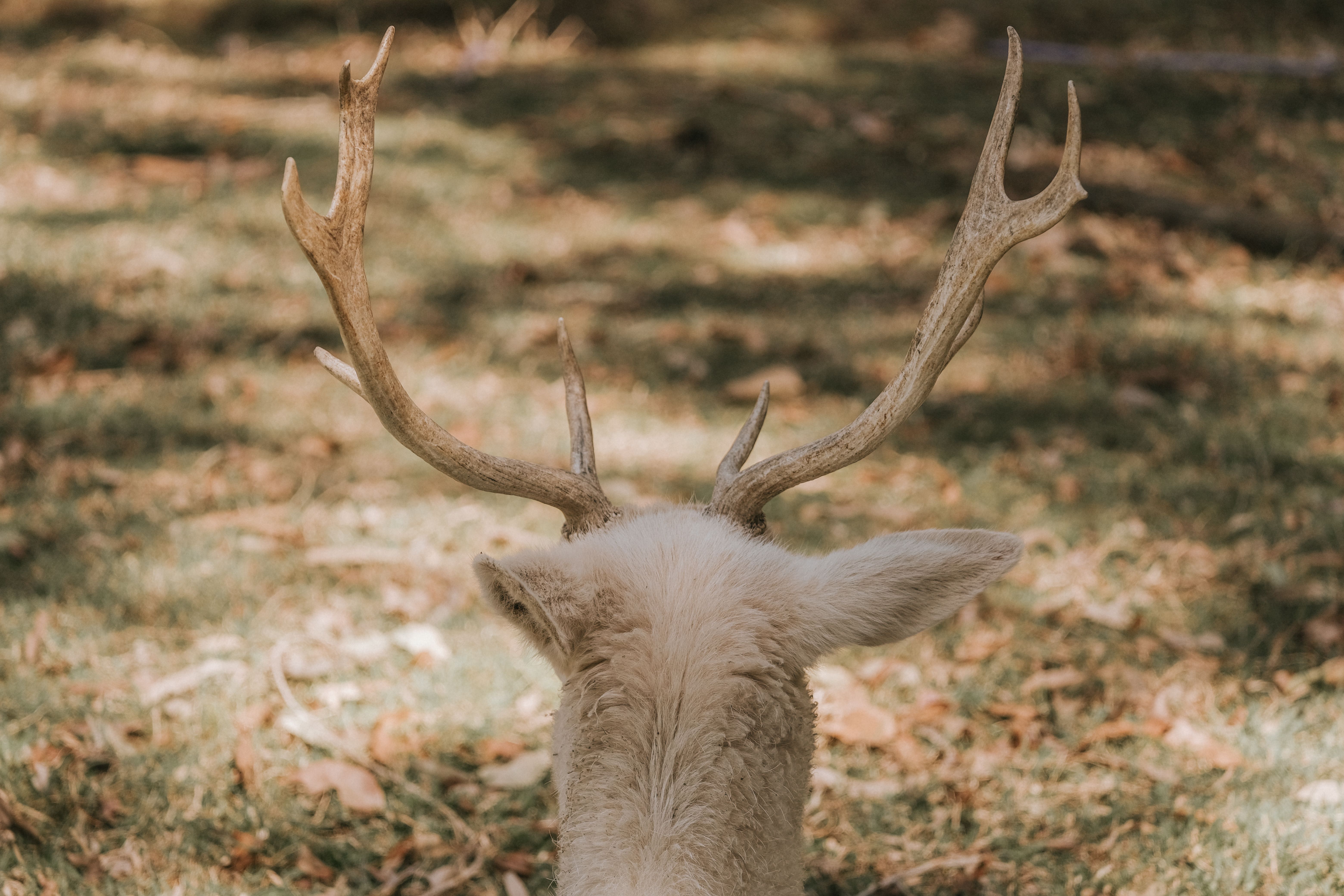
Shooter’s size was part of the problem. Zoo education coordinator Kate O’Conner said the elk stood about six feet tall without his antlers, while another four feet could be added to his height when measuring to the highest tine.
When Shooter lowered his head toward the water, his huge antlers prevented him from easily reaching whatever was below the surface. He backed away, changed his position and tried again before eventually using his hooves.
“Nobody could figure out why he was trying to get his head in, and then he started dipping his feet in,” O’Conner said.
The staff were still trying to understand what they were seeing when the answer finally appeared. Shooter had a small animal in his mouth, and the animal had been trapped inside the water tank.
A Marmot Was Trapped Under His Nose
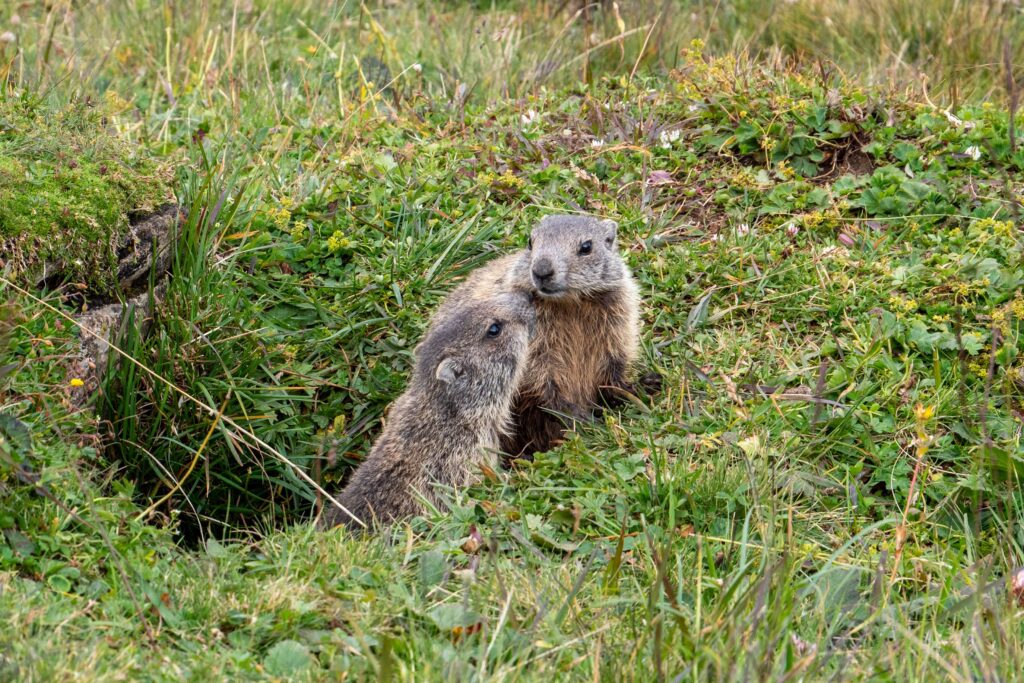
The animal was a yellow-bellied marmot, a stocky ground squirrel that is commonly called a rock chuck in Idaho. According to zoo superintendent Scott Ransom, marmots lived wild around the zoo grounds, which explained how one had ended up inside an elk’s drinking supply.
The marmot had apparently fallen into the tank and could not climb back out. Shooter seemed to have noticed the animal and spent several minutes working out how to reach it despite his antlers.
O’Conner believed the elk had first nudged the marmot away from the edge with his antlers and hooves. That may have positioned the animal where Shooter could finally reach it with his mouth.
“I think he had nudged the animal away from the edge of the bucket with his antlers and hooves so he could reach it with his mouth without his antlers getting in the way,” O’Conner said. “It was very sweet.”
Shooter eventually pulled the marmot from the water. The staff now had a much better explanation for all those strange movements they had been watching.
The Tiny Animal Survived The Encounter
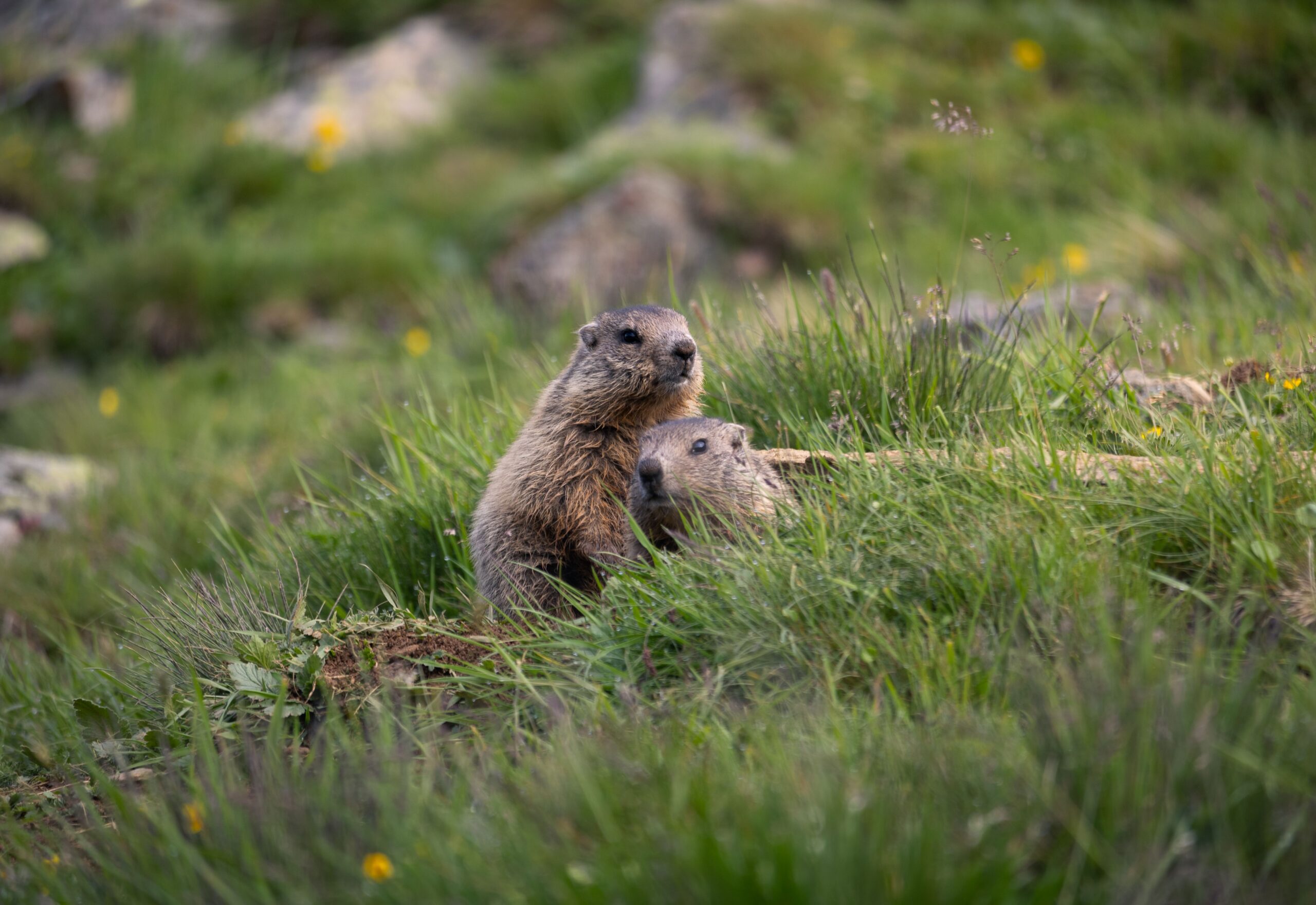
Ransom later said Shooter dropped the marmot from about a foot above the ground. The soaked animal appeared stunned at first, but Shooter then began nudging it with his nose.
The marmot eventually came around and scurried away. Fox was still processing what she had just watched when she described the moment to reporters.
“I can’t believe he did that, he just pulled that marmot out,” Fox said. O’Conner was similarly struck by what happened after the rescue.
“When we saw it down on the ground and he was nudging it and it was moving, it was like ‘that’s incredible,’” she said. “He deliberately took that animal out of the tank.”
That last interpretation was never scientifically established, however. The zoo could describe what Shooter did, but nobody could know exactly why he did it.
Shooter Was A Powerful Elk, Not A Gentle Pet
The rescue was even more unusual because Shooter was not considered an especially easy animal to handle. O’Conner said some staff members did not like entering his enclosure because of his size and strength.
The bull had also previously punctured car tires with his antlers, according to O’Conner. Rocky Mountain elk bulls can reach around 700 pounds, while their antlers can grow to roughly four feet and weigh as much as 40 pounds.
By that summer, Shooter was also a father. Zoo records listed a calf named Apple, born on June 6, 2011, to Shooter and a cow named Freda.
So the animal caught on camera helping the trapped marmot was a large, powerful bull elk. Whatever motivated him, the behavior was unexpected enough to leave the staff searching for an explanation.
The Rescue Spread Around The World
Once photographs and reports of the incident appeared online, the story quickly moved beyond the zoo. Ransom said Google had tracked almost two million hits on the story, while newsrooms across the United States and several foreign countries contacted the zoo.
The footage continued attracting attention years later. One YouTube upload of the rescue has passed 1.2 million views since it was posted in 2013.
The reason for that fascination is easy to understand. Viewers can watch Shooter struggle around the tank, see the problem emerge and then watch the marmot make it back onto dry ground.
The footage captures an unusual animal interaction, but it leaves the biggest question unanswered.
Animal Researchers Have A Term For Helping Behavior
Researchers studying animal behavior have documented cases where animals appear to assist others according to their specific circumstances. Primatologist Frans de Waal described one form as “targeted helping,” meaning assistance that is tailored to another animal’s particular situation and goals.
There are limits to what can be concluded from individual observations. De Waal noted that evidence for this behavior often comes from striking anecdotes that can have multiple interpretations, with some of the strongest examples outside great apes involving dolphins and elephants.
Shooter’s rescue was not a controlled experiment, and researchers were not able to test what the elk understood about the marmot. The footage shows a sequence of actions, but it cannot establish the animal’s intentions.
O’Conner suggested that captivity may also give animals opportunities to display more complicated behavior. “The basic needs are being met, so you start to see a little bit more elaborate behavior,” she said.
She explained that animals may use their brains differently when they are not constantly occupied with survival. “They’re engaging their brains in different ways that would have been basically for survival in the wild, but now is a little more complicated and advanced,” O’Conner said.
Even The Zoo Could Not Explain His Motive
Fox never claimed to know exactly what Shooter was thinking. She offered two possibilities: he may have sensed that the marmot was in distress, or he may simply have disliked having another animal swimming in his water.
“We’re not sure if he just sensed that this marmot was in distress or whether he didn’t like it in his way,” Fox said. Ransom expressed the same uncertainty, noting that it was difficult to tell whether Shooter was helping or objecting to the animal in his water.
Fox eventually favored the more generous explanation. “We think Shooter sensed that the animal was in distress and decided to help,” she said.
O’Conner also wondered whether the incident revealed something new about an elk the staff already knew well. “We all know he’s a real character, but I think he must have a soft side we didn’t know about,” she said.
The Zoo Made The Tanks Safer
The unusual rescue also led to a practical change at the zoo. Ransom said safety ramps would be installed in the larger drinking tanks so small animals that accidentally fell inside could escape without assistance.
The marmot had survived, but relying on a bull elk to notice a trapped animal was hardly a sensible safety system. The ramps offered a much simpler solution for future accidents.
Nobody ever settled the question of whether Shooter understood that he was saving a life. What the camera captured was enough to make the incident unforgettable: a powerful elk spent 15 minutes trying to reach a tiny animal that could not escape, and the marmot eventually walked away alive.
Whatever Shooter meant to do, he changed the outcome for the animal in that tank. That is the part of the story that does not require interpretation.