
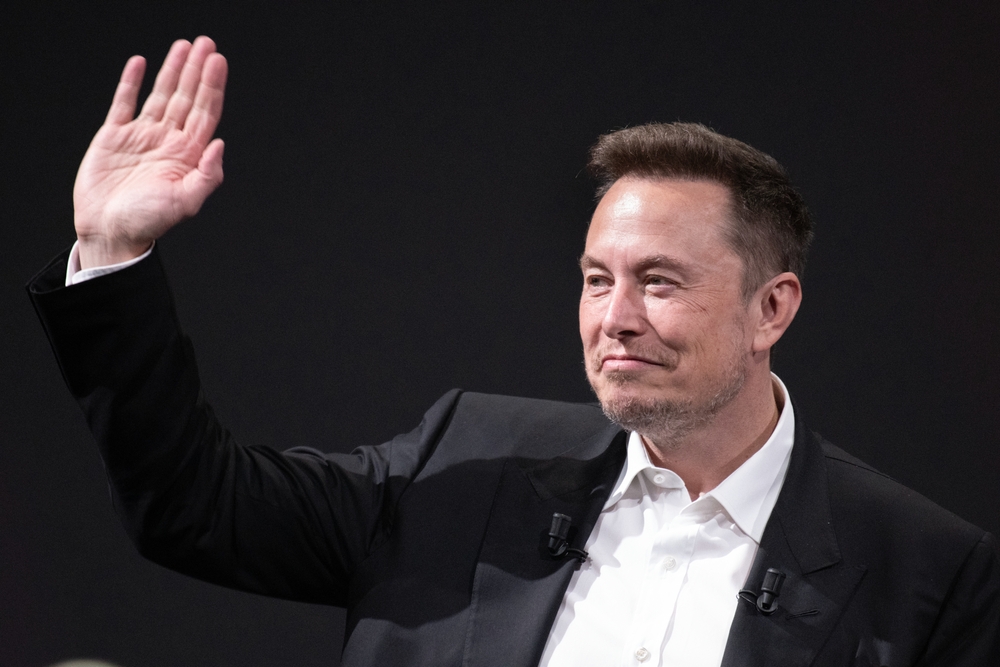
Elon Musk has admitted that spending $446 million supporting Republican candidates during the US midterm elections was “pretty foolish” after the party suffered major defeats across the country. The Tesla and SpaceX chief executive, who became one of Donald Trump’s most prominent financial backers, acknowledged that he had not seen much return from the enormous amount he invested in the campaigns. His comments have now raised fresh questions about his political involvement and whether his influence within Republican circles has changed following the election results.
Musk also made another unexpected admission during his appearance at the New York Times DealBook Summit, declaring that he was no longer part of the MAGA movement associated with Trump. The billionaire’s remarks represent a noticeable change from his previous public support for the president and his Republican allies. Meanwhile, Democrats have secured control of both chambers of Congress, setting up a different political environment for Musk and the companies he leads.
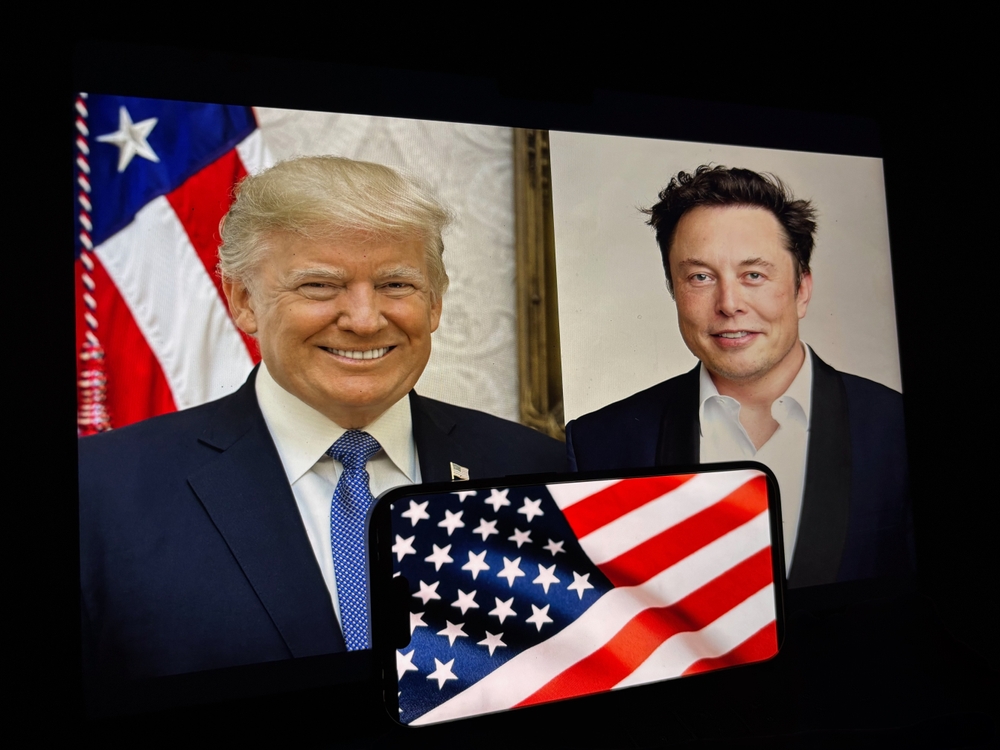
Elon Musk Admits His $446 Million Political Spending Was Foolish
Musk made the admission while speaking virtually at the New York Times DealBook Summit, an annual conference attended by prominent business and political figures. During the discussion, he reflected on the extraordinary amount of money he had contributed to Republican campaigns ahead of the midterm elections. His response was direct, as he described the spending decision as something that now made him feel “pretty foolish.” The billionaire had invested $446 million in supporting candidates from Trump’s party, making him the election’s leading individual donor.
The amount represented a substantial financial commitment to Republican political campaigns, particularly in states where Musk’s companies have significant operations. Texas received considerable attention because it is home to important facilities belonging to Tesla and SpaceX. Musk also directed substantial financial support toward Republican candidates competing in closely watched races. Despite the scale of his contributions, the election results did not deliver the outcome he had supported, with Democrats securing victories across several important contests.
Musk acknowledged that he had not seen much for the money he spent, although he suggested that some candidates might have performed even worse without his financial backing. His comments offered an unusually candid assessment of an enormous political investment. The Republican defeats also raised questions about the effectiveness of campaign spending by wealthy individuals when voters ultimately make their decisions at the ballot box. For Musk, the results have created an opportunity to reconsider how closely he wants to associate himself with Republican political campaigns.
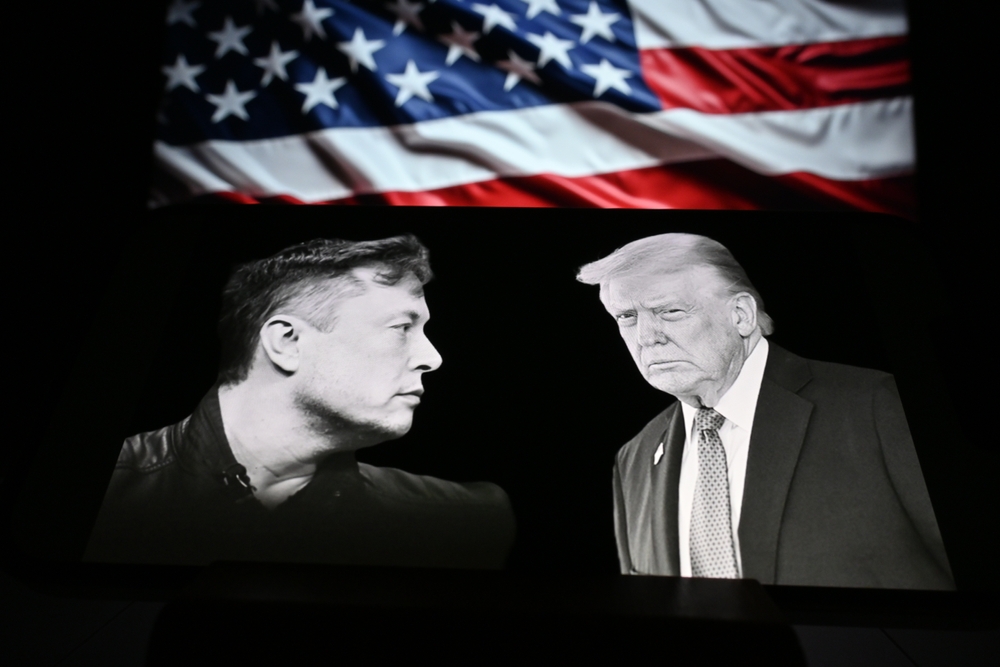
Musk Makes A Dramatic Statement About His MAGA Identity
Another significant moment from the conference came when Musk discussed his relationship with the MAGA movement. Despite previously being closely associated with Trump’s political base, the billionaire made it clear that he no longer considered himself part of the movement. “I’m not Maga,” Musk said during the conversation. He then explained that he did not necessarily agree with the idea of automatically following every position promoted by the Republican Party, questioning what the MAGA label actually represented.
“I’m not sure what Maga means… if that means sort of blind adherence to a set of policies by the Republican Party, then I certainly don’t have that,” he added. The statement marked a noticeable difference from his earlier public appearances, where he had embraced the movement’s identity. At a Trump rally in 2024, Musk had joked about his political affiliation by declaring, “I’m not just Maga, I’m dark, gothic Maga.” He had also appeared wearing MAGA hats on several occasions, making his latest comments particularly striking.
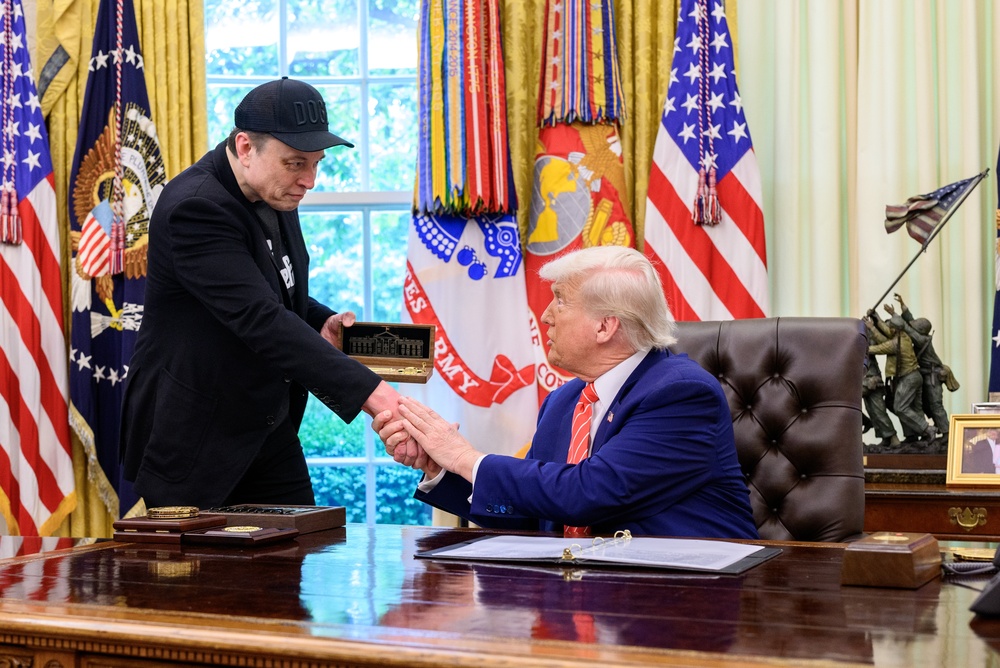
His explanation suggests that Musk wants to distinguish his personal political views from automatic loyalty to Republican policies. However, his remarks do not establish that he has abandoned every position associated with Trump or that he intends to support Democrats in future elections. The distinction is important because rejecting a political label does not necessarily mean rejecting every policy or politician connected to it. For now, Musk has publicly distanced himself from the MAGA identity while acknowledging disappointment with the financial outcome of his Republican campaign spending.
Texas Election Results Deliver A Major Blow To Republican Candidates
Texas became one of the most closely watched states during the midterm elections, partly because of Musk’s substantial financial involvement in Republican campaigns. One of the most significant contests involved Democrat James Talarico and Republican Ken Paxton, who were competing for a US Senate seat. Talarico defeated Paxton, delivering a Democratic victory in a state that has traditionally been a Republican stronghold. Musk had reportedly spent at least $45 million supporting Paxton’s campaign, making the result particularly relevant to the billionaire’s political investment.
The state’s gubernatorial election also produced a major change in political leadership. Democrat Gina Hinojosa defeated Republican Greg Abbott, ending more than three decades of Republican control of the governorship. The outcome added another setback for Republicans in a state where Musk has considerable business interests. His companies depend on the political and economic environment surrounding major operations, making changes in state leadership worth watching as the incoming administration begins establishing its priorities.
Musk subsequently shared his assessment of Hinojosa and appeared confident that the new governor would take a moderate approach. “I don’t think she’s a far-left governor. And based on everything I’ve heard about her, I think things will be fine in Texas with Gina as governor,” he said. He also indicated that he believed she would be quite moderate. His comments suggest that he does not automatically expect a Democratic administration to create difficulties for his businesses. However, the policies introduced by the incoming governor will ultimately determine how the transition affects companies operating throughout the state.
Democrats Could Increase Scrutiny Of Musk’s Business Interests
The Democratic victories have implications beyond the political careers of individual Republican candidates. With Democrats taking control of both chambers of Congress, lawmakers will have greater opportunities to examine major businesses and government agreements. Musk’s companies could attract particular attention because of their involvement in industries that regularly interact with federal and state authorities. SpaceX, for example, has received an estimated $10 billion in new government contracts since Trump’s re-election, according to the supplied information.
Democratic lawmakers have suggested that SpaceX should face investigation, bringing the company’s government relationships into the political discussion. Such scrutiny could examine the arrangements surrounding federal contracts and the company’s position as a major government contractor. However, suggestions of an investigation do not establish that wrongdoing has occurred. Any formal examination would depend on the actions lawmakers decide to pursue and the evidence available to them.
Several issues involving Musk’s companies could receive attention from Democratic lawmakers:
- Government contracts: SpaceX’s substantial federal agreements could attract closer examination as Democrats take control of Congress.
- Data centre expansion: Lawmakers have expressed concerns about the development of large facilities operated by technology companies.
- Tax incentives: Democratic officials have discussed limiting financial incentives provided to companies building major data centre projects.
- Corporate influence: Musk’s record-breaking campaign contributions could remain part of discussions about the political influence of wealthy donors.
These issues could create a different operating environment for Musk’s businesses. Companies that depend on government contracts, regulatory decisions, and state-level incentives can be affected by changes in political leadership. However, the extent of any impact will depend on specific policy decisions rather than the election results alone.
Georgia’s Data Centre Plans Create Another Political Challenge
Georgia is another state where changing political leadership could affect the interests of major technology companies. SpaceX has data centre operations there, and the state’s newly elected Democratic governor has promised to limit the expansion of massive facilities. Her proposed approach also includes restrictions on the tax breaks that technology companies frequently receive when developing these projects. This could become relevant to businesses planning substantial investments in computing infrastructure.
Data centres have become an increasingly important part of the technology industry because they provide the computing capacity required for digital services and artificial intelligence systems. However, developing large facilities can also raise questions about local infrastructure, electricity demand, land use, and the financial incentives offered by state governments. These issues have become part of wider discussions about how communities should manage the expansion of major technology projects.
Georgia’s proposed restrictions could therefore introduce additional considerations for companies seeking to develop or expand their facilities. The precise consequences for SpaceX’s existing operations and future projects remain unclear. Nevertheless, the incoming administration’s position creates another example of how the Democratic election victories could affect the business environment surrounding Musk’s companies. Alongside the possibility of increased congressional scrutiny, developments in Georgia could become an important issue for the billionaire’s business interests.
Musk’s Relationship With Trump Enters A Different Political Period
Musk’s latest comments come after a period of unusually close involvement with Trump and his administration. Following his financial support for Trump’s second presidential campaign, the billionaire became one of the president’s most visible allies. For several months at the beginning of Trump’s second term, Musk served as an unpaid special government employee and senior adviser to the president. He also led the Department of Government Efficiency, commonly known as DOGE, which was tasked with pursuing reductions in federal government spending.
His involvement in government gave him a prominent position in discussions about federal spending and administrative changes. It also placed his political activities alongside his responsibilities as the head of major technology companies. The relationship attracted attention because Tesla and SpaceX operate in industries affected by government policies, contracts, and regulations. His substantial campaign contributions further connected his business profile with the wider political developments surrounding the Trump administration.
The latest election results have changed the political environment in which that relationship operates. Democrats now have control of both chambers of Congress, while several Republican candidates supported by Musk failed to secure victories. At the same time, Musk has publicly rejected the MAGA label and expressed disappointment about the amount he spent supporting Republican campaigns. His remarks do not establish a complete break with Trump, but they indicate that he is drawing a distinction between his political identity and the Republican movement.
The Election Leaves Musk Facing Questions About Political Influence
Musk’s admission has brought renewed attention to the relationship between enormous campaign contributions and election outcomes. His $446 million investment made him the leading individual donor during the midterms, yet the Republican candidates he supported suffered significant defeats. His own assessment that the spending felt “pretty foolish” suggests that he was dissatisfied with the results, even while acknowledging that his contributions may have helped some candidates.
The election has also created a new set of questions surrounding his companies. Democrats have indicated that they want greater scrutiny of technology businesses, government contracts, and data centre development. Meanwhile, political changes in Texas and Georgia could affect the conditions under which some of Musk’s companies operate. None of these developments automatically means that his businesses will face new restrictions or lose government agreements, but they have placed several important issues on the agenda of incoming political leaders.
Musk’s next decisions will reveal whether he intends to reduce his involvement in Republican campaigns or continue contributing to political contests despite the disappointing results. For now, his comments have made one thing clear: spending hundreds of millions of dollars on political candidates does not guarantee the victories that wealthy donors hope to secure. The billionaire may have helped finance a major Republican campaign effort, but the voters delivered a result that has left Washington’s political balance looking very different.