
Your cart is currently empty!
How Eight Miles Of Wildflowers Changed One Town Forever

England Town Turned Eight Miles of Grass Into Wildflower Meadows. It Cut Costs, Brought Wildlife Back, and Inspired a Growing Movement
Contents
show
For years, the solution seemed obvious. Keep roadside grass short, neat, and carefully trimmed. Councils spent thousands each year mowing verges to maintain an orderly appearance, even as wildflowers disappeared and pollinator numbers continued to decline.
Then one town decided to try something different.
Instead of cutting the grass six times a year, Rotherham transformed eight miles of ordinary roadside verges into vibrant wildflower meadows. The results reached far beyond brighter roadsides. The project reduced maintenance costs by around £23,000 during each two-year maintenance cycle, attracted bees, butterflies, birds, and other wildlife back into the area, and earned praise from residents across the country. What began as a local landscaping experiment has since become one of Britain’s best-known examples of how small changes in land management can deliver environmental and financial benefits at the same time.
A Simple Change That Produced Unexpected Results
Roadside verges are easy to overlook. For decades they have largely been treated as strips of grass that require regular mowing to keep roads looking tidy and to prevent vegetation from becoming overgrown.
In 2013, Rotherham Council’s Streetpride Team questioned whether those spaces could serve a greater purpose.
Working with Pictorial Meadows, the council began replacing large stretches of frequently mowed grass with carefully designed wildflower seed mixes. The initiative covered approximately eight miles of roadsides and central reservations stretching between Rotherham town centre, Catcliffe, and Bramley.
The project soon became known as the “River of Flowers.”
Rather than creating a random patch of tall grass, the council developed a managed landscape that would change throughout the growing season. Different species were selected to flower at different times, ensuring colour, nectar, and habitat remained available for months rather than weeks.
Before the transformation, maintaining those roadside verges cost around £80,000. Contractors were required to close roads, provide traffic management, and mow the grass six times every year.
Once the meadows became established, maintenance requirements dropped significantly. Instead of constant cutting, the verges only needed seasonal management, allowing much of the maintenance work to be handled directly by the council.
The result was lower costs alongside a far richer natural environment.
Why Britain Needed More Wildflowers

The success of Rotherham’s project reflects a much larger environmental challenge facing the United Kingdom.
According to conservation charity Plantlife, Britain has lost around 97 percent of its wildflower meadows in less than a century. Habitat loss, intensive farming, development, and changes in land management have steadily reduced areas where native flowers once flourished.
Roadside verges have become increasingly important because they now represent some of the country’s remaining strips of uncultivated land.
Although narrow, these corridors stretch for hundreds of thousands of kilometres across Britain, linking habitats that would otherwise remain isolated from one another.
Plantlife launched its roadside verge campaign in 2013 with a straightforward message.
Instead of cutting every roadside verge repeatedly throughout spring and summer, councils could adopt what it called a “cut less, cut later” approach. Allowing flowers to bloom before mowing would give bees, butterflies, hoverflies, beetles, and other insects access to nectar while also allowing plants to produce seeds for future years.
The organisation argued that a change in mowing schedules could improve biodiversity while reducing maintenance costs.
Its vision extended far beyond isolated projects.
“There are nearly 500,000 km of rural road verge in the UK,” Plantlife explained while encouraging councils to rethink how they manage these spaces. Those verges collectively represent an area comparable to roughly half of Britain’s remaining flower-rich grasslands, giving them enormous ecological potential.
Instead of seeing roadsides simply as infrastructure, conservationists increasingly view them as connected wildlife corridors capable of supporting countless species.
Nature Responded Faster Than Many Expected
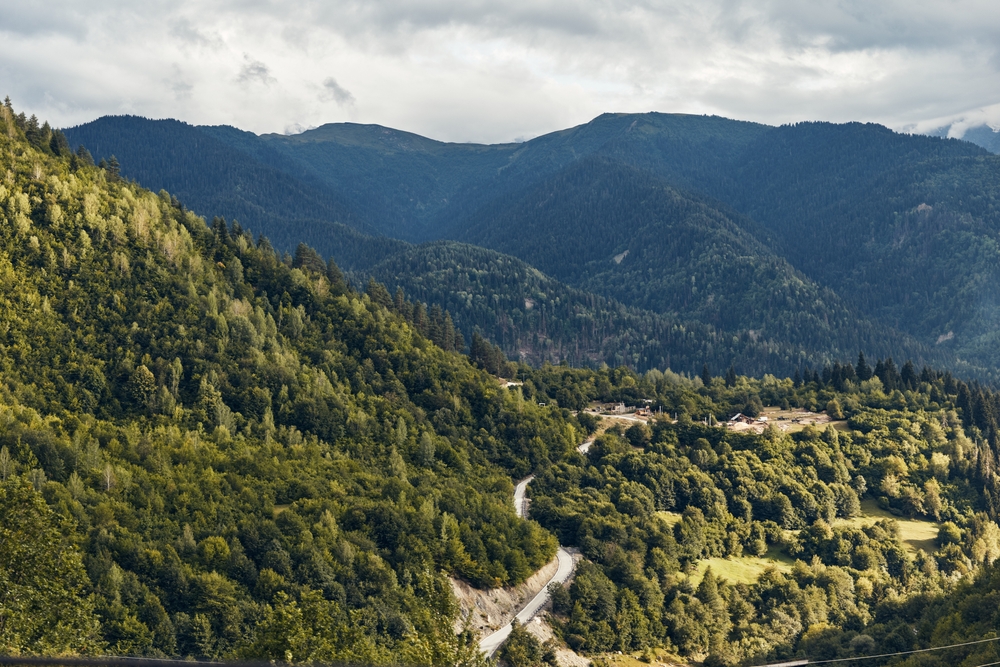
Perhaps the most striking outcome of Rotherham’s experiment was how quickly wildlife returned.
As the wildflowers matured, roadside verges began attracting increasing numbers of bees and butterflies searching for nectar. Other beneficial insects followed, creating food sources for birds that had become less common in heavily managed urban environments.
What had once been ordinary grass became functioning ecosystems.
These strips of vegetation also provide shelter, breeding areas, and feeding opportunities for many insects whose natural habitats have steadily declined across the country.
Pam Hunter, Head of Research at the British Beekeepers’ Association, believes roadside verges represent one of Britain’s greatest untapped opportunities for supporting pollinators.
“The amount of area covered by verges and also parks and gardens that the local authorities have is enormous and this constant hacking them back all the time really is a great shame because they could provide a tremendous amount of food for such a wide range of beneficial insects,” she said.
Pollinators play a critical role in maintaining ecosystems.
Many flowering plants depend on bees, butterflies, moths, hoverflies, and other insects to transfer pollen between flowers. That process supports seed production, plant diversity, and food supplies for wildlife throughout the food chain.
Without healthy pollinator populations, both natural ecosystems and agricultural production face increasing pressure.
The River of Flowers demonstrated that roadside land, often overlooked in conservation planning, could make a meaningful contribution.
Creating a Meadow Takes More Than Simply Stopping the Mower
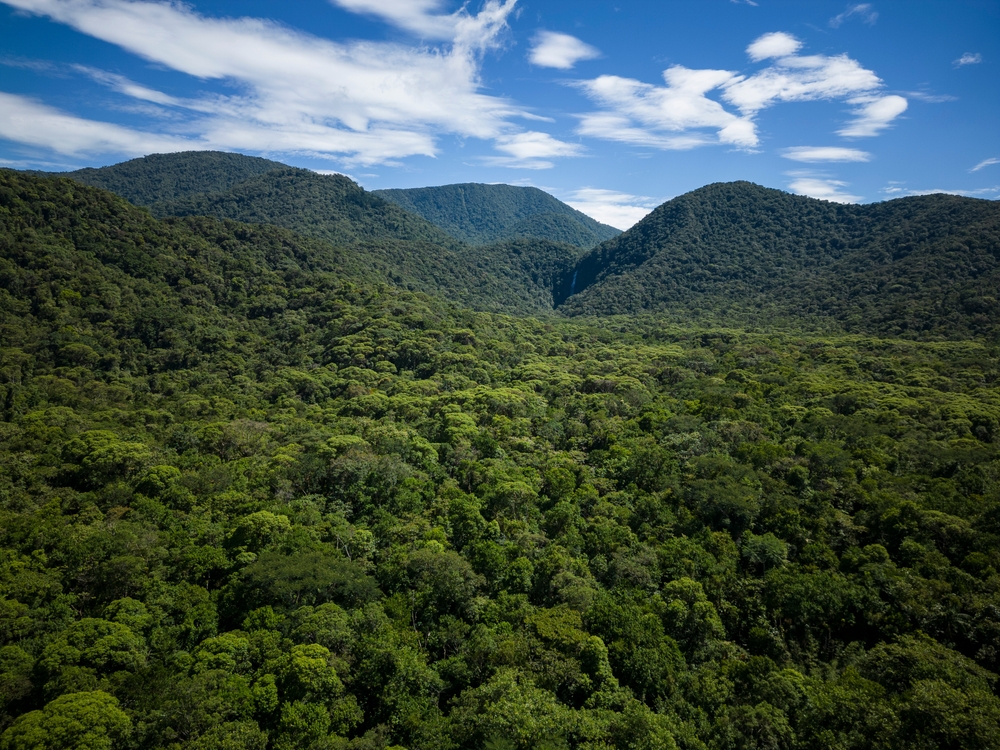
One common misconception is that wildflower meadows appear naturally once grass cutting stops.
Experts say the reality is more complicated.
Pam Hunter cautioned that leaving a verge untouched does not automatically produce colourful displays of native flowers.
“You can’t just leave them,” she explained. “You might get very lucky if you leave a verge and get some lovely plants growing back.”
Some roadside locations already contain dormant wildflower seeds that can flourish once mowing is reduced. Others have lost much of their native seed bank over decades of intensive maintenance or soil disturbance.
In those cases, active restoration becomes necessary.
That is why Rotherham’s project relied on specially designed seed mixtures rather than simply abandoning maintenance.
Richard Jackson, Streetpride Manager at Rotherham Council, explained that the planting scheme was carefully engineered to ensure continuous flowering throughout the year.
The first burst of colour appears in early spring, featuring reds and purples from species such as poppies and red orach.
As those flowers fade, cornflowers emerge with striking shades of blue, growing taller and naturally concealing the earlier plants.
Later in the season, Californian poppies and corn marigolds bring yellow and orange tones that extend colour well into autumn.
The carefully planned succession keeps the roadsides attractive while maintaining nectar supplies for insects across multiple seasons.
The result is not an untidy verge but a landscape that changes naturally over time.
Rethinking What a Well-Kept Roadside Looks Like

Projects like Rotherham’s are also changing public attitudes toward urban landscapes.
For generations, freshly mowed grass became associated with cleanliness, order, and civic pride.
Longer vegetation often attracted criticism because it appeared neglected, regardless of its ecological value.
That perception is gradually shifting.
When Rotherham’s meadows first bloomed in 2013, the council received more than 250 emails, letters, and phone calls praising the transformation. Residents appreciated both the colourful display and the renewed sense of life along roads that had previously offered little visual interest.
Visitors noticed as well.
According to Councillor Gerald Smith, compliments arrived from people travelling from Scotland, Cornwall, and even Australia.
The project also received a Green Apple Award for Environmental Best Practice, recognising both its environmental achievements and innovative approach to public landscaping.
Scientific research suggests this growing appreciation may not simply reflect changing tastes.
Franziska Schrodt, an ecosystems expert at the University of Nottingham, notes that roadside meadows can have measurable psychological benefits.
She explained that while some people still prefer neatly mowed verges, studies have found that many drivers actually find flowering roadsides more visually appealing. Research has also suggested these natural landscapes can help reduce driver stress while delivering additional environmental benefits such as improved soil health, reduced pollution, and lower flood risk.
As public awareness of biodiversity loss continues to grow, what once appeared messy increasingly looks like thoughtful environmental stewardship.
Other Councils Are Following the Same Path

Rotherham’s success has encouraged other local authorities to reconsider how they manage roadside verges.
Several councils across England have launched their own wildflower initiatives, although each has taken a slightly different approach depending on local conditions.
Nottinghamshire County Council introduced a trial that reduced mowing at several roadside locations. The goal was to determine whether the approach could lower maintenance costs while improving biodiversity.
The financial savings during the first year were relatively modest, estimated at around £150. Council officials explained that mowing teams still had to visit each site to trim vegetation near junctions and areas where visibility could affect road safety.
The trial also coincided with an unusually hot summer, making it difficult to judge the long-term performance of the newly managed verges. Rather than abandoning the idea, Nottinghamshire decided to continue the project for another year to collect more evidence.
Elsewhere, similar roadside meadows have appeared in Derbyshire, Birmingham, Sheffield, Newcastle, and other parts of England. Some councils have focused on sowing wildflower mixes, while others have simply adjusted mowing schedules to allow naturally occurring plants to flower before being cut.
Each project looks slightly different, but they all reflect the same shift in thinking.
Instead of asking how often roadside grass should be cut, councils are beginning to ask how these overlooked strips of land can provide greater value for people and wildlife alike.
Balancing Biodiversity With Road Safety
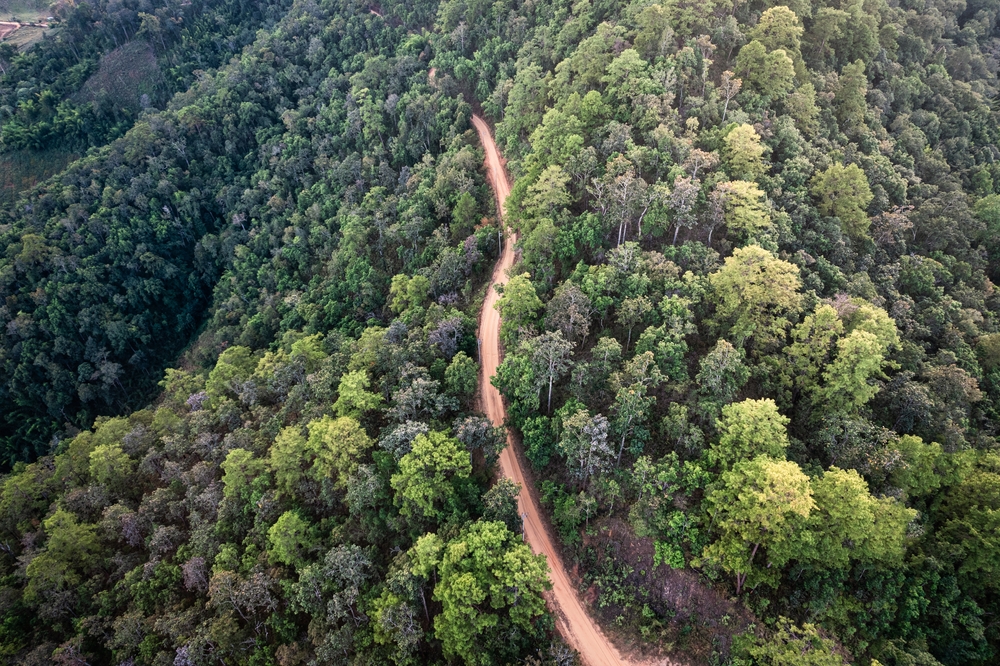
Allowing grass and flowers to grow naturally does not mean abandoning maintenance altogether.
Road safety remains the highest priority for local authorities, and every successful meadow project continues to include regular management where necessary.
Visibility at junctions, bends, pedestrian crossings, and road signs cannot be compromised. Areas close to the carriageway also require careful maintenance to prevent vegetation from obstructing drivers’ views.
Martin Tett, environment spokesman for the Local Government Association, stressed that point while supporting the wider environmental goals.
“It is crucial that verges are cut to ensure roads are safe for all road users and to prevent road drainage damage.”
He added that councils also recognise the importance of roadside habitats and take wildlife into account wherever it is practical to do so.
National Highways has adopted a similar position.
The organisation manages around 30,000 hectares of green space alongside England’s motorways and major A-roads. Its biodiversity strategy aims to improve habitats while maintaining clear visibility and safe areas for pedestrians where pavements are absent.
This balanced approach has become central to the meadow movement.
The objective is not to eliminate mowing completely. Instead, it is to mow strategically, only where safety requires it, while allowing nature to thrive elsewhere.
That distinction helps explain why projects like Rotherham’s have gained support from both environmental groups and local authorities.
Why Wildflower Verges Matter More Than They Appear
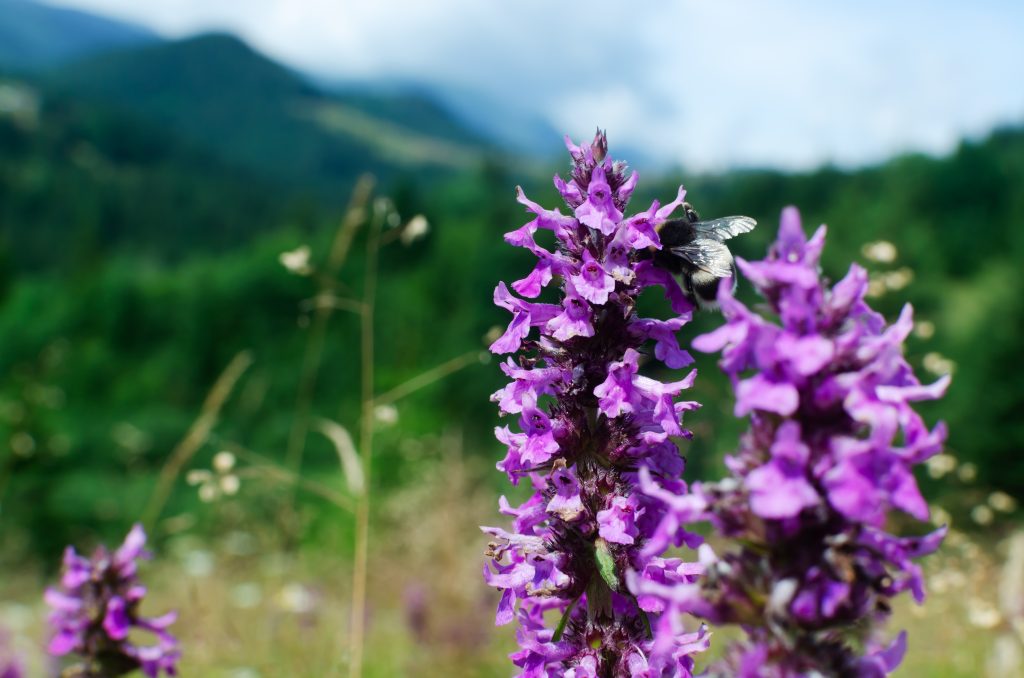
The appeal of roadside meadows goes well beyond colourful displays during spring and summer.
Every patch of flowering habitat contributes to a much larger ecological network.
Across Britain, many traditional meadows have disappeared under housing developments, roads, intensive agriculture, and commercial land use. As these habitats vanished, insects lost reliable food sources, while birds and small mammals found fewer places to feed and reproduce.
Road verges may seem insignificant individually, but together they form one of the country’s largest connected green networks.
Unlike isolated parks, roadside habitats often link towns, villages, woodlands, and farmland. This connectivity allows insects and other wildlife to move across landscapes that would otherwise be fragmented.
Healthy pollinator populations benefit more than wild plants.
Many crops depend on insects for pollination, making biodiversity an important part of food production as well as conservation.
Wildflower meadows also provide environmental services that are less obvious but equally valuable.
Longer-rooted plants improve soil stability, helping reduce erosion during heavy rainfall.
Healthier soils absorb more water, which can lessen surface runoff and contribute to reducing local flood risks.
Vegetation also captures airborne pollutants and stores carbon while helping moderate temperatures in urban areas during warmer months.
Scientists increasingly recognise these functions as essential parts of resilient landscapes, particularly as climate change places additional pressure on ecosystems and infrastructure.
Small Changes at Home Can Make a Difference

The success of Rotherham’s River of Flowers has inspired more than councils.
Homeowners have also begun experimenting with smaller wildflower spaces in gardens that were once dominated by neatly trimmed lawns.
One of them is Peter Thain from Cheltenham.
Rather than maintaining a traditional front garden, he removed much of his lawn and sowed native wildflower seeds instead.
He admitted that some neighbours initially thought he was “nuts.”
Months later, the transformation spoke for itself.
His once ordinary garden became a colourful patch filled with flowering plants that attracted insects throughout the growing season.
The idea behind urban meadows is surprisingly accessible.
Even a modest garden can provide food and shelter for pollinators if it includes suitable flowering plants and avoids excessive mowing.
People interested in creating their own wildlife-friendly spaces often begin with a few straightforward changes:
- Reduce mowing frequency during spring and summer to allow flowers to bloom naturally.
- Plant native wildflower species that are adapted to local conditions and provide nectar throughout the season.
- Leave small patches of longer grass to create shelter for insects and other wildlife.
- Avoid unnecessary pesticide use that can harm beneficial insects.
- Maintain pathways or borders so the space still appears intentionally managed.
These small actions may not transform entire ecosystems on their own, but collectively they can create thousands of miniature habitats across towns and cities.
As more people adopt similar practices, urban landscapes become increasingly connected, providing pollinators with the continuous food sources they need to survive.
A Growing Movement With National Potential
The River of Flowers began as a practical solution to rising maintenance costs, yet it has become an example of how environmental improvements can emerge from relatively simple policy decisions.
Instead of requiring major engineering projects or expensive new infrastructure, the initiative asked whether existing green spaces could perform more than one function.
The answer appears to be yes.
Roadside verges can remain safe while supporting wildlife.
They can reduce maintenance costs while improving biodiversity.
They can brighten everyday journeys while contributing to healthier ecosystems.
These combined benefits explain why the meadow movement continues to attract attention across Britain.
Plantlife believes the opportunity extends far beyond individual success stories.
With nearly 500,000 kilometres of rural roadside verges across the United Kingdom, conservationists see enormous potential to restore habitats without acquiring new land or undertaking large-scale construction projects.
Every council will face different challenges, from local climate and soil conditions to traffic levels and maintenance budgets. Even so, Rotherham has demonstrated that thoughtful planning can produce results that satisfy environmental goals without placing additional financial strain on public services.
The project also highlights an important shift in how communities define well-maintained public spaces.
For generations, neatly trimmed grass symbolised care and order.
Today, increasing numbers of people recognise that carefully managed wildflower meadows can represent something equally valuable: landscapes that support wildlife, reduce costs, improve biodiversity, and make everyday surroundings more vibrant.
Sometimes progress does not begin with building something new. Sometimes it starts by allowing nature a little more room to do what it has always done best.