
Your cart is currently empty!
Experts Say Your Favorite Color Might Reveal Your Emotional Intelligence Level
For years, intelligence has been boxed into numbers, grades, and standardized tests. People have been taught to believe that being smart means being quick with logic, good at memorization, or academically successful. But that definition has slowly been expanding, and experts are now placing increasing importance on something far more human and deeply personal. Emotional intelligence is now recognized as a powerful form of intelligence that shapes how we connect, respond, and navigate everyday life. It is not about how fast you can solve a problem, but how well you understand emotions, both your own and those of others, and how effectively you respond in real situations.
Contents
show
Interestingly, this shift has opened the door to exploring unexpected indicators of emotional awareness, including something as simple as color preference. While it may sound surprising, psychologists and color experts suggest that the colors we are drawn to can reflect patterns in our emotional world. As color psychology expert Michelle Lewis explains, “Emotionally intelligent people are often more aware of the environments they create around themselves, and color is one of the most powerful tools shaping those environments.” This does not mean your favorite color defines you completely, but it can offer subtle insight into how you think, feel, and regulate emotions in your daily life.
What Emotional Intelligence Really Means And Why It Matters
Emotional intelligence, often referred to as EQ or EI, goes far beyond simply being in touch with feelings. According to the American Psychological Association Dictionary of Psychology, people with high emotional intelligence “can accurately identify, express and regulate their own and others’ emotions.” This ability influences everything from how we handle stress to how we build relationships, make decisions, and communicate with others in both personal and professional settings.
At its core, emotional intelligence includes several interconnected abilities that work together. Self awareness allows individuals to recognize their emotions in real time rather than being overwhelmed by them. Self regulation helps manage reactions, especially in stressful or emotionally charged situations. Empathy allows people to understand the feelings of others, while strong social skills help maintain healthy and meaningful relationships. These abilities are not fixed traits, but skills that can grow over time through experience and reflection.
Unlike traditional intelligence, emotional intelligence is deeply connected to everyday life. It affects how we respond to challenges, how we interpret the behavior of others, and how we create environments that support emotional well being. This is where the connection to color becomes relevant, because the environments we build are often influenced by the colors we choose to surround ourselves with.
The Science Behind Color Psychology
Color psychology is the study of how different hues influence human emotion, cognition, and behavior. As Michelle Lewis explains, “Color psychology is the study of how different hues influence human emotion, cognition and behavior.” This field explores how visible light interacts with the brain and nervous system, shaping how we feel and respond even before we consciously process what we are seeing.
Research suggests that color is one of the fastest signals the brain processes. It can influence physiological responses such as heart rate, blood pressure, attention levels, and emotional arousal. This means that colors are not just visual experiences, but physical and emotional ones as well. For example, cooler tones like blue and green are often associated with calmness, while warmer tones like red and yellow can feel energizing or intense depending on the context.
At the same time, experts emphasize that color is not purely biological. Michelle Lewis notes that “that’s why the same color can feel calming in one context and stimulating in another.” Cultural background, personal memories, and environmental factors all play a role in shaping how we respond to color. This makes color psychology both fascinating and complex, as it blends science with lived human experience.

Can Your Favorite Color Really Reveal Your Personality
The relationship between personality and color preference is real, but it is not absolute. As Helen Plehn explains, “Yes, but it’s layered.” Research shows that there is a modest connection between personality traits and the colors people prefer, but it is not strong enough to draw definitive conclusions about who someone is based on color alone.
Michelle Lewis approaches this topic from a holistic perspective, considering both the biological effects of color and the psychological associations we develop over time. She explains that color psychology is “a combination of physiology, psychology and lived human experience.” This means that our preferences are shaped by a mix of how our bodies respond to color and what we have learned to associate with it throughout our lives.
However, one key overlap between color preference and emotional intelligence is self awareness. People who are emotionally intelligent tend to be more intentional about the environments they create. They recognize how colors influence their mood and how others perceive them, and they make choices accordingly. This intentionality is where color becomes a meaningful reflection of emotional awareness rather than a fixed personality trait.
1. Green The Color Of Balance And Emotional Stability
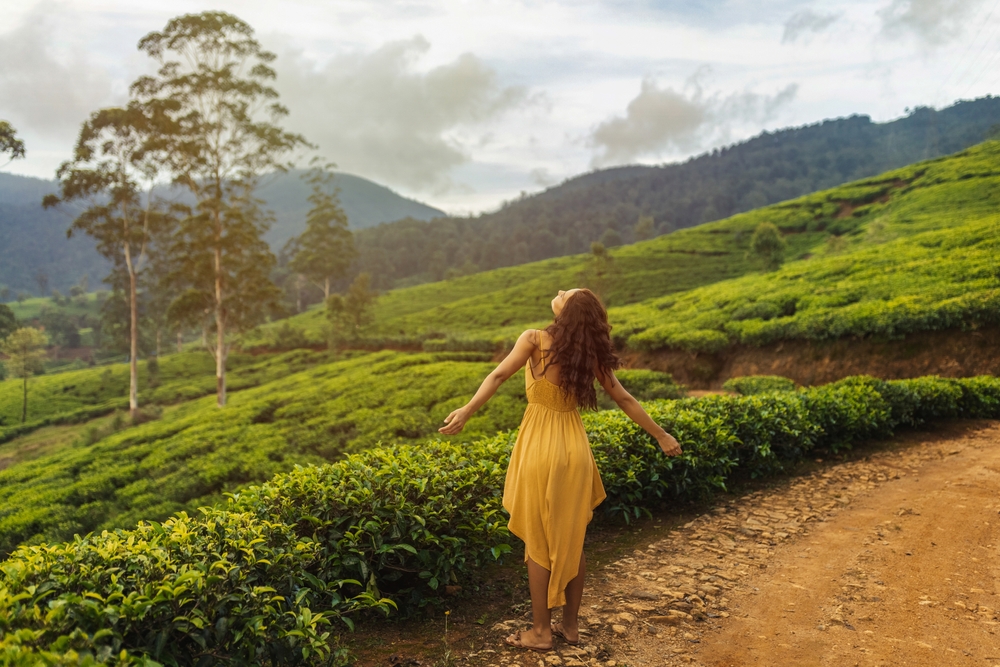
Green is often described as one of the most visually comfortable colors for the human eye because it sits near the center of the visible spectrum. This natural balance is reflected in the way people experience the color, which is commonly associated with restoration, calmness, and emotional equilibrium. In many environments, green is used to create a sense of peace and stability, whether in nature, interior design, or everyday surroundings.
According to psychological and environmental research, green is linked to feelings of balance and harmony. It creates a sense of grounding that allows people to process emotions without becoming overwhelmed. This makes it particularly appealing to individuals who value emotional stability and seek environments that feel safe and steady.
Because emotional intelligence involves balancing logic, empathy, and self regulation, people who prefer green often reflect those same qualities in their behavior. They may be more likely to pause before reacting, consider different perspectives, and maintain composure in stressful situations. Their preference for green can signal a desire for emotional equilibrium and a deeper understanding of how to stay centered in a fast moving world.
2. Blue The Color Of Calm Thinking And Trust
Blue is one of the most widely recognized colors in color psychology, often associated with calmness, reflection, and thoughtful decision making. Michelle Lewis explains that “Blue is frequently associated with calm, reflection and thoughtful decision-making.” This connection is not just symbolic, as research has shown that exposure to blue can lower pulse rates and reduce physiological arousal.
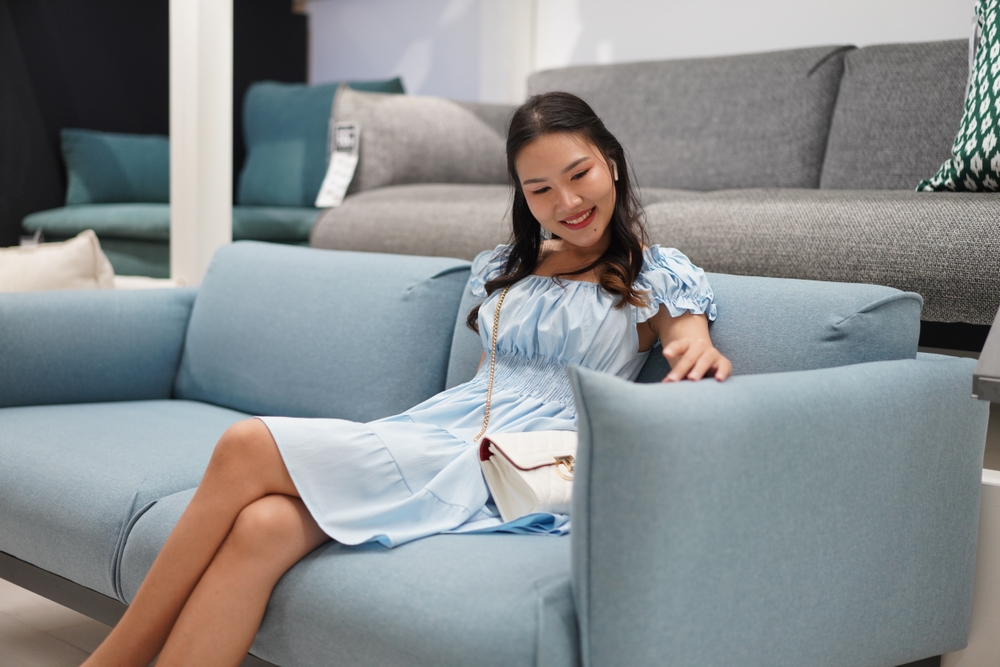
This calming effect creates an environment that supports focus and introspection. People who are drawn to blue often prefer spaces that allow them to think clearly and communicate effectively. Blue is also strongly linked to trust and stability, which is why it is commonly used in professional settings and leadership branding.
Because emotional intelligence relies heavily on self awareness and emotional regulation, a preference for blue often aligns with these traits. Individuals who favor blue may be more inclined to think before they speak, engage in meaningful conversations, and approach situations with a sense of calm and clarity. Their connection to this color reflects a deeper appreciation for emotional control and thoughtful interaction.
3. Yellow The Color Of Curiosity And Optimism
Yellow is one of the most visually stimulating colors, often associated with energy, optimism, and intellectual engagement. Michelle Lewis notes that “Yellow is closely tied to mental stimulation, optimism and forward thinking.” Its brightness makes it highly noticeable, and in moderate amounts, it can encourage creativity and open minded thinking.
Psychologically, yellow has long been linked with hope, curiosity, and the exploration of new ideas. It activates the mind in a way that promotes flexibility and innovation. People who are drawn to yellow often enjoy learning, exploring new perspectives, and embracing change rather than resisting it.
In terms of emotional intelligence, this openness plays a crucial role. Understanding emotions requires curiosity and a willingness to explore both positive and challenging experiences. Individuals who favor yellow may be more adaptable, optimistic, and willing to grow. Their preference reflects a mindset that values possibility and sees emotional awareness as an ongoing journey rather than a fixed state.
What About Black White And Gray
While green, blue, and yellow are often linked to traits associated with emotional intelligence, experts are clear that no color directly signals lower emotional intelligence. Michelle Lewis states that “It would be inaccurate to say that any color preference directly signals lower emotional intelligence.” Emotional intelligence is a complex skill set that cannot be reduced to a single preference.
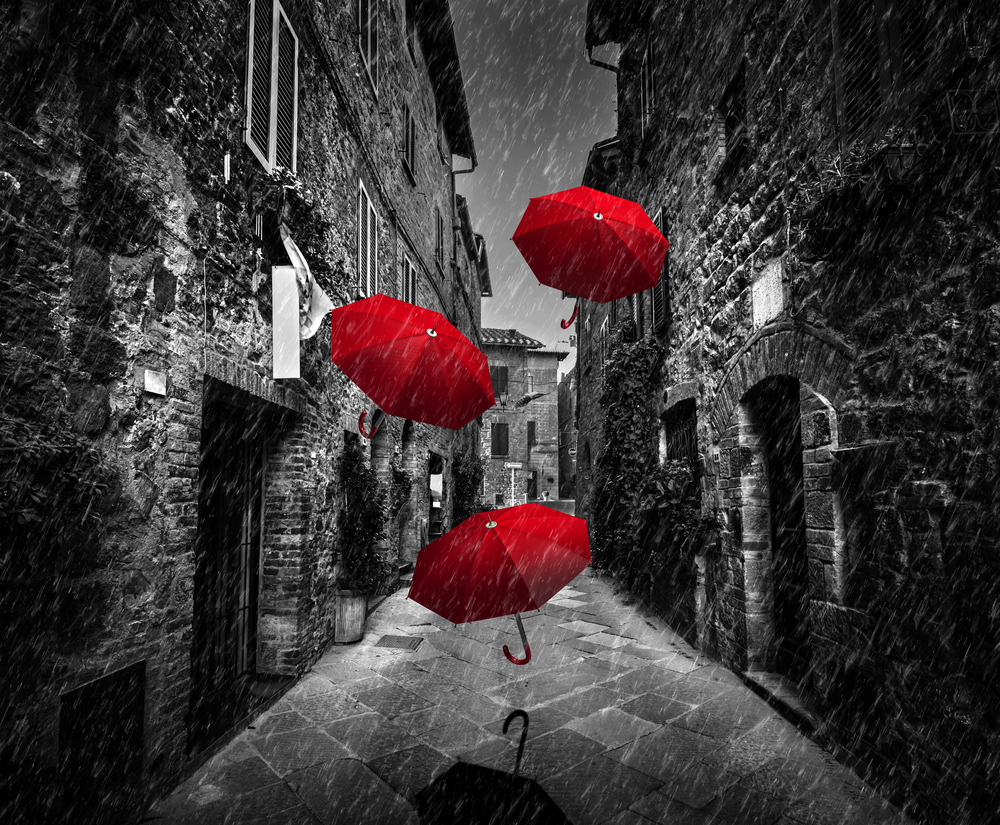
Black, white, and gray are considered achromatic colors, meaning they do not correspond to a single wavelength in the visible spectrum. Because of this, our responses to them are more influenced by cultural meaning and symbolism than by biological reactions. For example, black may represent mourning in some cultures but authority and sophistication in others, while white can symbolize purity or mourning depending on the cultural context.
In environments dominated by these colors, people sometimes report feeling emotionally muted due to reduced visual stimulation. However, this does not reflect a lack of emotional intelligence. These colors are often chosen intentionally for their neutrality, structure, and clarity. Their meaning depends entirely on context, making them just as valid as any other color preference.
The Bigger Picture Why Context Matters More Than Color
One of the most important insights from color psychology is that context shapes everything. The same color can evoke completely different emotions depending on cultural background, personal experiences, and the environment in which it appears. This is why experts emphasize that color should never be interpreted in isolation.
Research in this field is still developing, and while patterns exist, many findings are not definitive. Some associations appear to be universal, while others vary widely across cultures and individuals. This complexity makes color psychology both intriguing and difficult to generalize.
Ultimately, color can influence mood and behavior, but it does not define personality or emotional capability. It is one piece of a much larger puzzle that includes experiences, relationships, and personal growth. Understanding this helps prevent oversimplification and encourages a more thoughtful approach to interpreting color preferences.
How To Use Color More Intentionally In Your Life
Even though color does not determine emotional intelligence, it can still be used as a tool to support emotional well being. Being mindful of the colors around you can help create environments that align with your emotional needs and goals. Small changes can have a meaningful impact on how you feel throughout the day.
One practical approach is to match colors to your desired mood. Cooler tones like blue and green can help create calm and focus, while brighter tones like yellow can encourage energy and creativity. Paying attention to how different colors affect you personally can also provide valuable insight into your emotional patterns.
It is also helpful to use color in subtle ways, such as through clothing, decor, or digital spaces. Balance is important, as too much of any one color can feel overwhelming. The goal is not to follow strict rules, but to develop awareness and make intentional choices that support your overall well being.
Final Thoughts It Is Not About The Color It Is About Awareness
In the end, your favorite color does not define your emotional intelligence, but it can offer insight into how you experience the world. The real connection lies in awareness. People with high emotional intelligence tend to notice how their environment affects them and make choices that support their emotional balance.
Color becomes meaningful when it is used intentionally. It reflects preferences, experiences, and the ways individuals choose to shape their surroundings. Whether you are drawn to green, blue, yellow, or any other color, what matters most is understanding why and how it influences you.
That awareness is what truly sets emotionally intelligent people apart. It is not about the color itself, but the ability to reflect, adapt, and grow. And sometimes, even the smallest choices, like the colors you love, can reveal something deeper about how you navigate the world.
Sources:
- Palmer, S. E., & Schloss, K. B. (2010). An ecological valence theory of human color preference. Proceedings of the National Academy of Sciences, 107(19), 8877–8882. https://doi.org/10.1073/pnas.0906172107
- Küller, R., Mikellides, B., & Janssens, J. (2009). Color, arousal, and performance—A comparison of three experiments. Color Research & Application, 34(2), 141–152. https://doi.org/10.1002/col.20476