
Your cart is currently empty!
Fast Walking and What It Reveals About Your Personality

Most people never think twice about how quickly they move from one place to another. Walking feels automatic, shaped by habit and environment rather than conscious choice. Yet once you start paying attention, differences in pace become impossible to ignore. In airports, city sidewalks, office buildings, schools, and grocery stores, some people drift slowly while others move with steady momentum, almost as if pulled forward by an invisible thread.
Contents
show
These differences often spark irritation, jokes, or quiet judgments. Fast walkers are sometimes labeled as impatient or intense, while slow walkers may be seen as relaxed or distracted. But psychology suggests walking speed is far more than a surface-level habit. It reflects how people relate to time, responsibility, emotion, and direction.
Researchers studying human behavior have increasingly found that walking pace connects to personality traits that shape daily decision-making and long-term patterns. Rather than being random, speed of movement can mirror how someone approaches challenges, processes stress, and engages with the world around them.
Fast walking in particular is frequently misunderstood. It is often associated with anxiety, pressure, or a constant need to hurry. Yet scientific research and clinical observation paint a more nuanced picture. For many individuals, walking quickly is not about racing the clock. It is about alignment between thought and action. Their bodies move at the same rhythm as their minds.
Below are eight personality traits commonly associated with fast walkers. Each trait stands on its own, offering insight into how a brisk pace may quietly reflect deeper psychological tendencies and lived experiences.
Purpose Driven Orientation
A strong sense of purpose is one of the most defining characteristics associated with fast walking. People who walk quickly are rarely wandering aimlessly. Even when the destination is ordinary, their movement tends to reflect intention rather than drift.
Purpose does not always show up as a grand ambition or lifelong mission. More often, it appears in small, practical moments. A fast walker heading to the store usually knows what they are there to buy. A fast walker at work transitions between tasks without lingering or second-guessing. Their pace reflects mental clarity more than urgency.
Psychologists describe this tendency as goal orientation. When a person focuses on outcomes, even minor ones, the body naturally supports that focus through movement. Lingering without reason can feel uncomfortable, not because of stress, but because it disrupts a sense of direction.
Over time, this pattern reinforces agency. Each completed task strengthens the belief that action leads somewhere meaningful. Walking quickly becomes one physical expression of a broader mindset that values progress and intentional engagement with life.
This sense of purpose often extends beyond schedules. Fast walkers may feel most comfortable when they are actively moving toward something, even if that something is simply the next small step in the day. Motion becomes a way of affirming direction.
Strong Conscientious Tendencies

Conscientiousness is one of the personality traits most consistently linked to faster walking speeds. This trait involves reliability, organization, discipline, and personal responsibility.
Fast walkers high in conscientiousness often structure their days internally. Even without written schedules, they think in terms of priorities and sequences. Their walking pace reflects an internal order that favors efficiency and follow-through.
Importantly, this behavior is not always driven by external pressure. Many conscientious fast walkers move quickly during leisure activities as well. Their pace comes from internal standards rather than fear of consequences.
Research has long associated conscientiousness with healthier habits, consistent routines, and goal completion. Walking briskly fits naturally into this pattern. It supports both physical movement and mental organization.
For these individuals, efficiency does not feel rushed. It feels calming. Moving steadily through space reinforces a sense of competence and reliability that extends into other areas of life.
Elevated Energy and Engagement

Fast walking is often associated with higher baseline energy levels. People who move quickly tend to feel stimulated by activity rather than drained by it.
This trait overlaps with extraversion but extends beyond social interaction. High-energy individuals respond actively to their environment. Noise, movement, and visual stimulation tend to engage them rather than overwhelm them.
Fast walkers often navigate crowded spaces with ease. Their bodies adjust fluidly to obstacles and shifting conditions. This physical responsiveness reflects mental alertness and engagement.
Rather than conserving energy, these individuals often generate momentum through movement. Walking becomes a way to stay mentally sharp and physically connected to the world.
For some, slowing down too much can feel uncomfortable or dull. Movement helps maintain focus and emotional balance. Their pace reflects an active relationship with their surroundings.
Emotional Steadiness Under Pressure
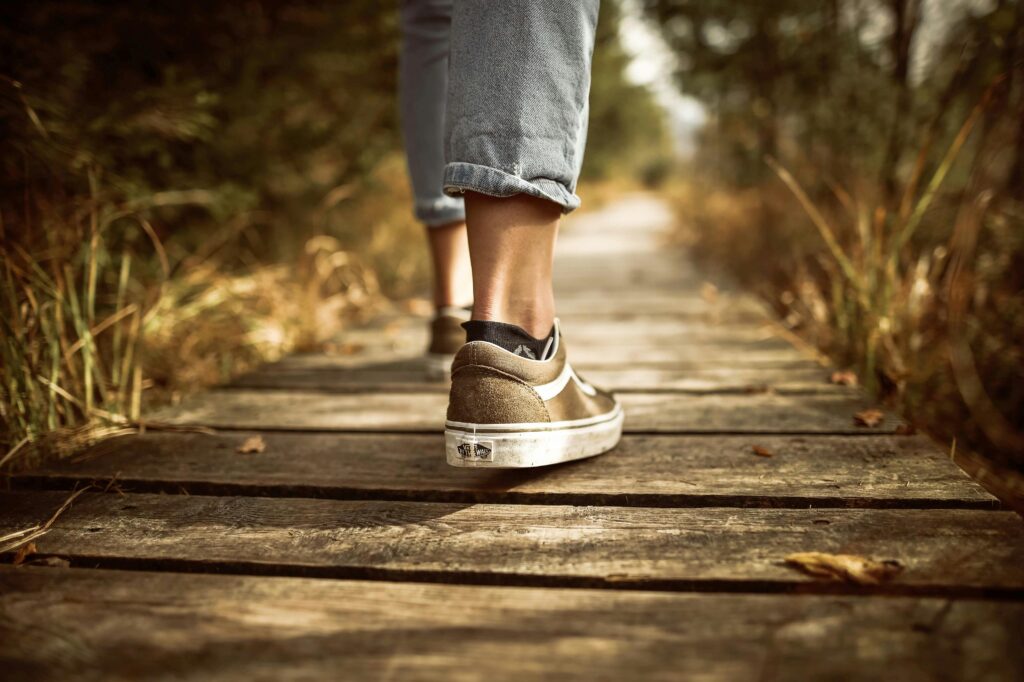
Another trait frequently linked to fast walking is emotional stability. Studies suggest that individuals who walk faster tend to score lower in neuroticism, which involves worry and emotional reactivity.
Emotionally steady individuals process stress without becoming stuck. When challenges arise, they adapt rather than freeze. This mindset often appears physically as continuous forward motion.
Fast walkers with emotional resilience typically show smooth, consistent strides. Their pace lacks the hesitation and stop-and-start patterns often associated with anxiety. Even in unfamiliar or stressful situations, movement remains steady.
Walking itself can serve as a regulating tool. Physical motion helps discharge stress, organize thoughts, and restore emotional balance. For these individuals, movement supports calm rather than signaling distress.
This resilience does not mean they avoid difficult emotions. Instead, they tend to process them through action and adaptation rather than rumination.
Comfort With Novelty and Uncertainty
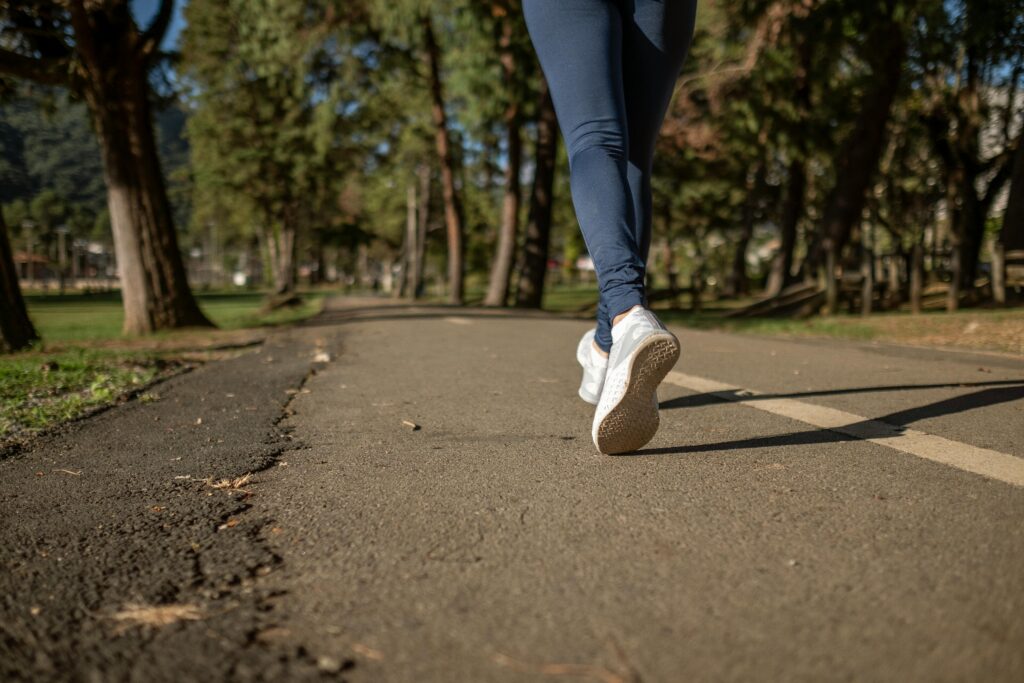
Openness to experience is another trait commonly associated with fast walking. This dimension of personality involves curiosity, adaptability, and willingness to engage with the unknown.
Fast walkers who exhibit openness often move quickly because they are eager rather than impatient. New environments stimulate interest rather than hesitation. Unexpected changes are approached with flexibility.
These individuals tend to trust their ability to adjust. Getting lost, changing plans, or encountering obstacles does not derail them for long. Their walking pace reflects confidence in navigation and problem-solving.
Movement becomes a form of exploration. Each step forward signals readiness to learn and adapt rather than fear of making mistakes.
This comfort with uncertainty often extends beyond physical space into life decisions. Fast walkers may be more willing to experiment, revise plans, and move forward without complete certainty.
Awareness of Social Flow

Fast walking is often mistaken for self-focus, yet many fast walkers demonstrate strong social awareness. This trait aligns with agreeableness, which involves cooperation and sensitivity to others.
In shared spaces, socially aware fast walkers often move efficiently to avoid blocking or inconveniencing others. Their speed can function as courtesy rather than dominance.
They tend to read environmental cues quickly. If someone is behind them, they adjust their position. When walking with others, they often slow down to maintain connection.
Their movement reflects understanding of collective rhythm. Walking faster becomes a way to support smoother interaction in crowded or shared environments.
This social awareness challenges the stereotype that fast walking is inconsiderate. In many cases, it reflects attentiveness rather than disregard.
Decisiveness and Assertive Action
Fast walking frequently aligns with decisiveness and assertiveness. Assertive individuals are comfortable making choices and acting on them without excessive hesitation.
This confidence shows physically. Fast walkers often maintain an upright posture, clear direction, and consistent momentum. Their bodies communicate certainty even when circumstances are unfamiliar.
Decisiveness often extends into other areas of life. These individuals tend to make timely decisions and refine them through experience rather than endless analysis.
Their walking pace signals trust in judgment. Instead of waiting for perfect conditions, they move forward and adjust as needed.
This approach allows progress without paralysis. Movement becomes a way of learning rather than a response to complete certainty.
A Proactive Relationship With Time

Perhaps the most defining trait of fast walkers is their relationship with time. Many experience time as something to be actively managed rather than passively endured.
Fast walkers often feel ownership over their schedules. Walking faster supports momentum and preserves a sense of agency over the day.
This does not necessarily indicate impatience. Instead, it reflects a belief that time is meaningful and deserves intention.
Their pace aligns action with values. Small movements reinforce the idea that progress matters, even in ordinary moments.
This proactive relationship with time often brings a sense of control and fulfillment rather than stress.
What Fast Walking Does Not Indicate
It is important to clarify what fast walking does not automatically mean. A brisk pace does not inherently signal anxiety, aggression, or inability to slow down.
Context plays a significant role. Many fast walkers slow easily when situations call for rest, reflection, or connection.
Likewise, slower walking styles offer strengths of their own, including mindfulness, patience, and observational awareness. Psychology recognizes variation rather than hierarchy.
Walking as an Expression of Identity
Walking is one of the few behaviors repeated daily with little conscious thought. Over time, these movements form patterns that reflect deeper tendencies.
Fast walking often reflects engagement rather than avoidance. It signals readiness to participate and adapt.
Still, no single habit defines a person. Walking speed offers insight, not identity.
Finding Alignment in Movement
Ultimately, the significance of walking speed lies in alignment. The question is not whether walking fast is better than walking slow, but whether movement reflects personal values and energy.
For those who naturally walk fast, that pace often expresses purpose, confidence, and resilience. It is less about rushing through life and more about engaging fully with it.
Slower walkers bring balance and presence. Both rhythms matter.
When movement aligns with mindset, walking becomes expression rather than habit. Each step, taken at any pace, becomes part of how people navigate their lives.