
Your cart is currently empty!
Five Common Infections Were Linked To 2.3 Million Cancer Cases In 2024
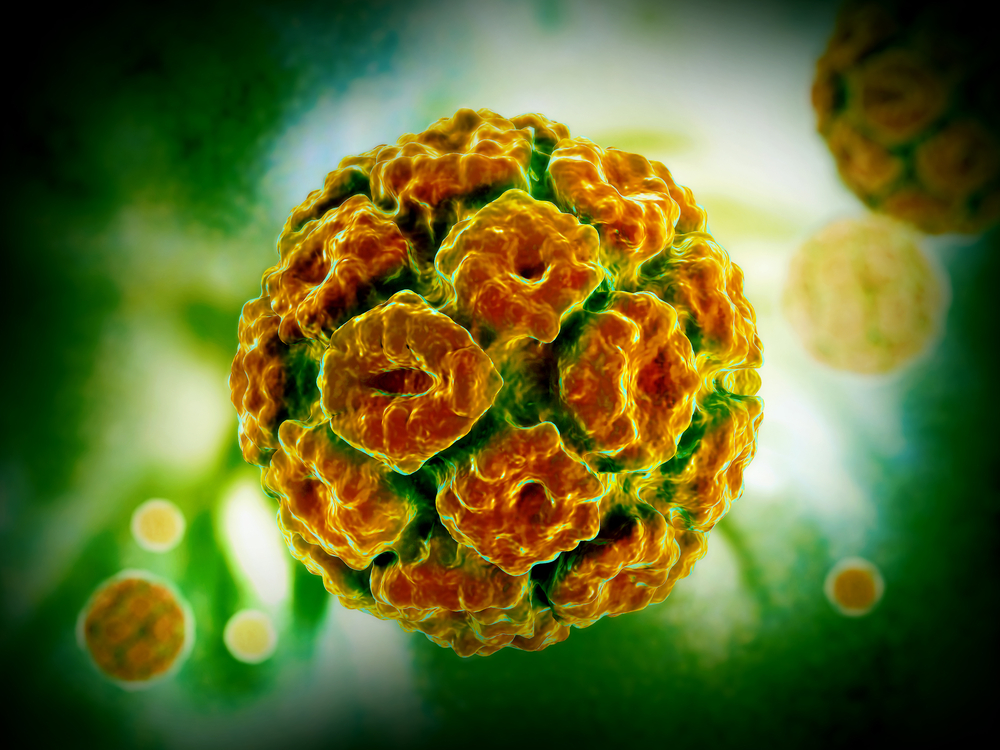
Cancer prevention advice usually focuses on familiar targets such as smoking, alcohol, diet, exercise and sun exposure. But a new global analysis has identified another major piece of the puzzle, and it involves infections that millions of people carry without necessarily realizing they could contribute to cancer years later.
Contents
show
Researchers estimate that infections were responsible for around 2.3 million new cancer cases worldwide in 2024, representing about 12% of all new cancer diagnoses. Five pathogens accounted for almost all of those infection-related cases, turning a group of familiar infections into a much bigger cancer-prevention story.

The Numbers Are Bigger Than Many People Realize
The study, published in The Lancet Oncology, was led by researchers from the International Agency for Research on Cancer. Instead of examining one country or a single type of cancer, the researchers used global cancer data to estimate how many cases could be attributed to infectious agents that are known to cause cancer in humans.
The result was striking. About one in eight new cancer cases worldwide in 2024 was linked to an infection, according to the analysis. That translates to roughly 2.3 million diagnoses in a single year, showing that infection control can play a significant role alongside more familiar cancer-prevention strategies.
Dr Harriet Rumgay, an IARC scientist and study co-author, said the findings demonstrate the potential impact of controlling cancer-causing infections. The researchers argue that prevention measures already available in many countries could reduce part of this cancer burden if they become more widely accessible.
“The findings underscore the major role that infection control can play in reducing the global cancer burden,” Rumgay said.
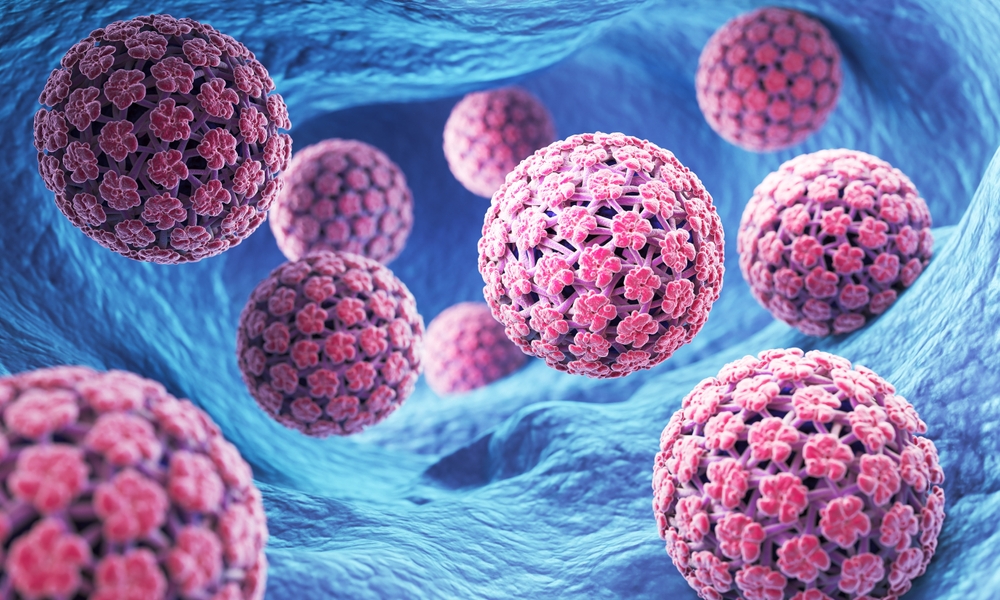
The researchers assessed 12 infectious agents known to cause cancer in humans. Almost all of the infection-related cases, however, came from five pathogens: Helicobacter pylori, human papillomavirus, hepatitis B virus, Epstein-Barr virus and hepatitis C virus.
Five Infections Accounted For Nearly All The Cases
The five pathogens identified in the study include both bacteria and viruses, and they do not all affect the body in the same way. Some can cause chronic inflammation, while others can interfere with cells or create conditions that increase the risk of specific cancers over time.
Together, these five infections were associated with nearly all of the cancer cases attributed to infectious agents in the researchers’ analysis. Their estimated contributions in 2024 were:
- Helicobacter pylori: About 760,000 cancer cases.
- Human papillomavirus: About 750,000 cases.
- Hepatitis B virus: About 360,000 cases.
- Epstein-Barr virus: About 260,000 cases.
- Hepatitis C virus: About 160,000 cases.
The first two alone, H. pylori and HPV, were associated with more than 1.5 million cancer cases. That puts two very different infections at the center of the global infection-related cancer burden, while the hepatitis viruses and EBV account for hundreds of thousands of additional cases.
The figures also show why researchers are interested in prevention rather than focusing exclusively on cancer treatment. Several of these infections can already be vaccinated against, detected through testing or managed with treatment, meaning some infection-related cancers may be preventable before cancer ever develops.
H. Pylori Was The Biggest Contributor
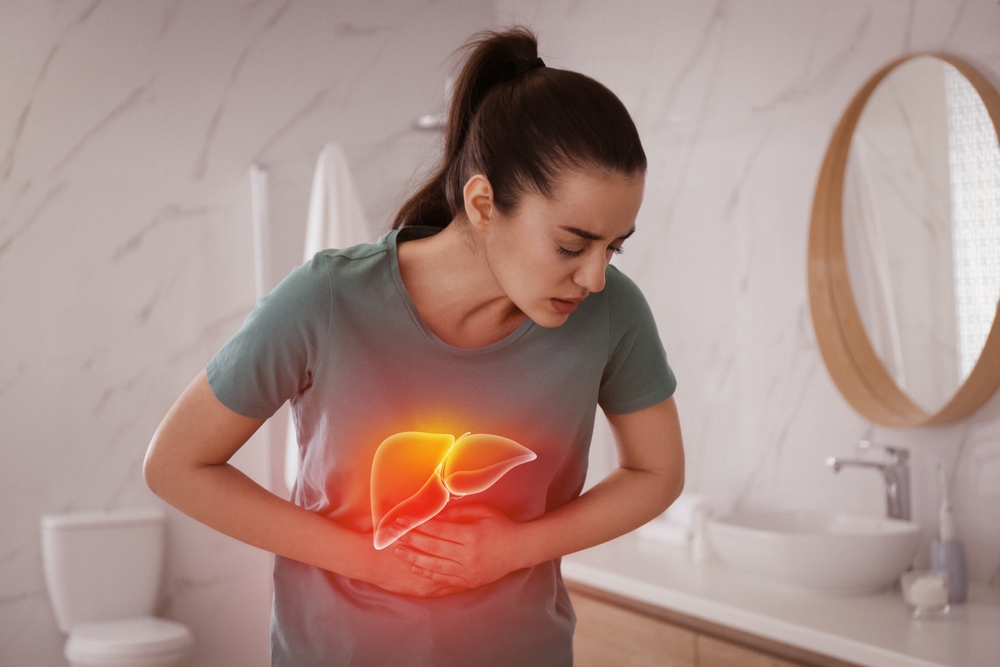
The top spot went to Helicobacter pylori, a bacterium that can live in the human stomach. The researchers estimated that it was associated with approximately 760,000 cancer cases globally in 2024, making it the single largest infectious contributor identified in the analysis.
The bacterium is extremely common worldwide, and being infected does not mean a person will automatically develop cancer. Many people have no obvious symptoms, while others can develop stomach inflammation, ulcers and other complications. Over time, certain infections can contribute to conditions associated with stomach cancer.
That makes diagnosis and treatment an important part of prevention. The IARC analysis identifies testing and treatment for H. pylori as an established strategy that can help reduce the risk associated with the infection.
There is still a major obstacle, though. Unlike HPV and hepatitis B, there is currently no widely used vaccine that prevents H. pylori infection, and researchers say more effective treatment approaches are needed to limit unnecessary antibiotic exposure while successfully clearing the bacterium.

HPV Was Close Behind
Human papillomavirus, better known as HPV, was associated with approximately 750,000 cancer cases in 2024. HPV refers to a large group of viruses, and while many infections cause no lasting problems, certain types can cause cancer, including cervical cancer and several other cancers.
The IARC researchers point to vaccination and screening as major tools for reducing the burden of HPV-related cancers. These measures provide public health systems with ways to intervene before an infection develops into a serious cancer problem.
HPV vaccination is already available in many countries, while cervical screening can identify abnormal changes before they become invasive cancer. Together, those strategies offer opportunities to reduce both infections and cancers associated with them.
The study therefore places HPV among the pathogens where existing prevention measures could have a substantial effect. The researchers also point to the importance of reaching populations that have historically had less access to vaccination and screening.
Hepatitis Viruses Add Hundreds Of Thousands More Cases
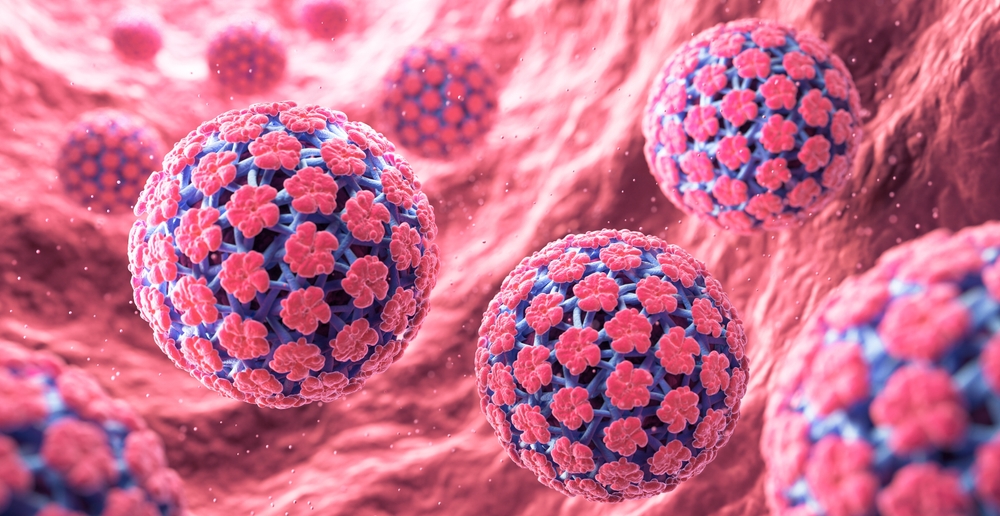
The next two pathogens on the list are hepatitis B and hepatitis C. Hepatitis B virus was associated with approximately 360,000 cancer cases in 2024, while hepatitis C virus was associated with about 160,000, with both infections linked to cancers affecting the liver.
Both viruses can cause chronic liver infection, and long-term infection can increase the risk of developing liver cancer. The two viruses are different, however, and the prevention options available for each are not identical.
A vaccine exists for hepatitis B, giving public health programmes a proven way to reduce infection and its long-term consequences. Hepatitis C does not currently have a vaccine, but testing and treatment can help identify and manage infections before they contribute to serious disease.
The IARC researchers include vaccination against hepatitis B and testing and treatment for viral hepatitis among the measures that can already help prevent infection-related cancers. Expanding access to those measures could therefore address part of the cancer burden without requiring new cancer drugs or procedures.
EBV Has Become A Bigger Part Of The Picture
The fifth infection is Epstein-Barr virus, or EBV. The virus was associated with approximately 260,000 cancer cases globally in 2024, according to the new analysis, placing it ahead of hepatitis C in the estimated number of infection-related cases.
EBV is already known to be associated with certain lymphomas and nasopharyngeal cancer. The evidence connecting EBV with some stomach cancers has also grown, which has changed how researchers account for its contribution to the global cancer burden.
Dr Gary Clifford, senior co-author of the study, said the updated analysis reflects changes in the scientific evidence surrounding infection-related cancers.
“This updated analysis shows that the landscape of infection-related cancers continues to evolve as scientific evidence advances,” Clifford said.
There is currently no widely available vaccine that can prevent EBV infection, although researchers are working on potential vaccines and other preventive approaches. That makes EBV one of the pathogens where future research could potentially add another tool to the cancer-prevention toolkit.
The Burden Is Not Spread Evenly Around The World
One of the most striking findings was the geographic distribution of infection-related cancer. Eastern Asia accounted for 42% of infection-attributable cancers worldwide in 2024, with H. pylori and hepatitis B among the major contributors to the regional burden.
The researchers also found a substantial burden in sub-Saharan Africa, where HPV and Kaposi sarcoma-associated herpesvirus played important roles. Across the world, more than three-quarters of infection-related cancer cases occurred in low-income and middle-income countries.
That does not mean people in wealthier countries face no risk. Instead, the figures show how strongly access to vaccination, testing, treatment and cancer screening can influence the number of preventable cases within different populations.
IARC says financial and health-system barriers continue to limit access to these measures in many parts of the world. The researchers argue that existing prevention strategies are often underused in the places where the potential benefit could be particularly significant.
Several Prevention Tools Already Exist
The headline number may sound alarming, but the researchers also point to an important distinction. Many of the infections responsible for these cancers can already be prevented, detected or treated, meaning the scientific challenge is not always about inventing an entirely new solution.
The IARC identifies several measures that can help reduce infection-related cancer:
- Vaccination: HPV and hepatitis B vaccines can prevent infections linked to cancer.
- Testing and treatment: Identifying H. pylori and viral hepatitis can allow infections to be addressed before they contribute to serious disease.
- Cancer screening: Screening programmes can identify HPV-related changes and cancers at earlier stages.
- HIV prevention and care: Managing HIV can reduce risks associated with several infection-related cancers.
- Safer medical practices: Safe injection practices can help prevent transmission of blood-borne viruses.
The problem is that having an effective prevention measure available does not guarantee that everyone who needs it can access it. Cost, healthcare infrastructure, vaccination coverage, screening programmes and public awareness can all influence whether these interventions reach people.
That is particularly important because the global cancer burden linked to infections is concentrated in regions where healthcare resources may already be under pressure. Expanding access could therefore become an important part of reducing cancer inequalities between countries and populations.
Scientists Want More Than Better Treatment
Cancer research often focuses on detecting tumors earlier or developing treatments after cancer has already appeared. This study puts another part of the process under the spotlight: stopping some cancer-causing infections before they have a chance to contribute to disease.
If an infection contributes to cancer, preventing that infection can potentially prevent the cancer from developing in the first place. That is particularly relevant for HPV and hepatitis B, where vaccines already provide a way to reduce exposure to viruses associated with cancer.
For H. pylori and EBV, researchers say new preventive tools could make a substantial difference. IARC specifically highlights the need for continued investment in vaccines against EBV, H. pylori and other cancer-causing infections for which effective preventive measures remain limited.
The researchers also stress that existing strategies need to be implemented more widely. Dr Rumgay noted that infection-related cancers remain a major global challenge despite progress in vaccination and screening, with the burden falling disproportionately on low-income and middle-income populations.
The Cancer Prevention Conversation Is Getting Bigger
The new findings do not mean that infections explain most cancers. The majority of cancer cases are not attributed to the five pathogens identified in this analysis, and infection is only one of many factors that can contribute to cancer risk.
What the study does show is that infections represent a substantial and partly preventable contributor to the global cancer burden. The estimated 2.3 million cases linked to infections in 2024 demonstrate how vaccination, screening, testing and effective treatment can become part of cancer prevention long before a tumor is diagnosed.
For individuals, the appropriate prevention steps depend on factors such as age, vaccination history, location and personal medical circumstances. For public health systems, the message is broader: preventing cancer can sometimes begin by preventing or treating an infection years before cancer itself appears.
The number that stands out is 2.3 million. Behind it are millions of people whose cancer was associated with an infection, and a growing body of evidence showing that some of those cases may be preventable.