
Your cart is currently empty!
Forgotten Camera in Yellowstone Cave Delivers Decade of Never-Before-Seen Wildlife Footage
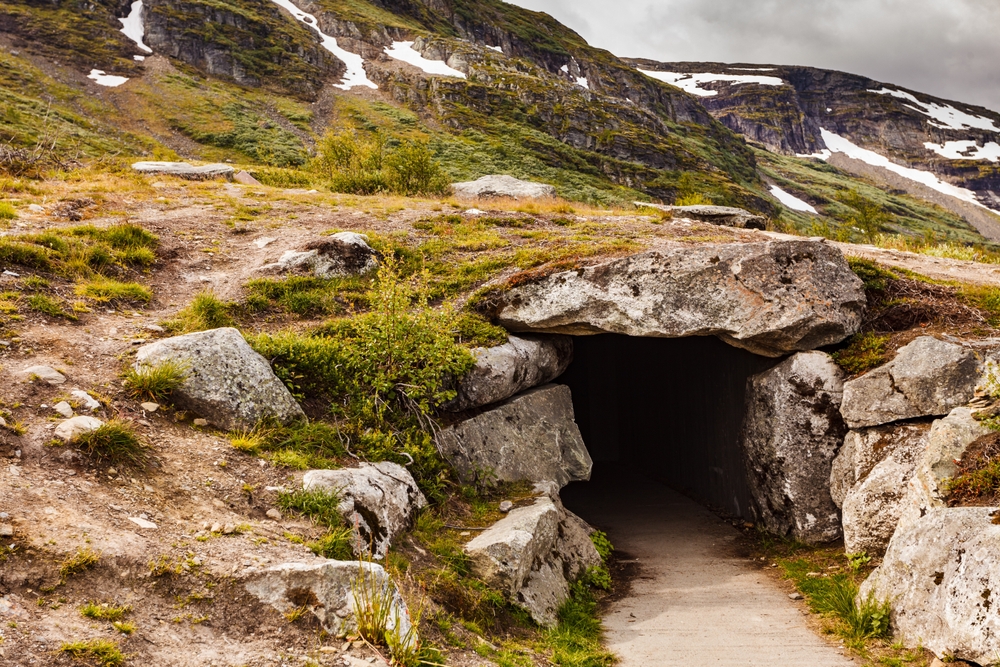
For most people, a camera is something you set up for a weekend trip or a family getaway. Very few imagine leaving one deep inside a wild cave for a full decade. Yet that is exactly what a man did in Yellowstone National Park, according to reports from PetaPixel and Newsweek . What followed was a ten-year wait filled with curiosity, a touch of uncertainty and a hope that the camera would survive long enough to reveal something worthwhile.
Contents
show
When he finally returned to retrieve the small weathered trail camera, he expected a few seconds of grainy footage at best. Instead, he discovered an extraordinary visual record of life inside an untouched grizzly bear den, a record that captured not only wildlife behavior but also the passage of time in one of the most protected ecosystems in the United States.
This discovery has since captured the attention of wildlife experts, conservationists and nature lovers around the world. Beyond its viral appeal, the ten-year project offers sincere insight into how animals adapt, survive and coexist within spaces that humans rarely witness.

The Beginning of a Decade Long Experiment
The story begins with a simple idea rooted in curiosity. According to PetaPixel, the man had first discovered the cave while hiking near the outskirts of a known wildlife corridor. Rangers had long believed that grizzlies used the area for seasonal shelter, although few people had ever seen inside these hidden dens. Driven by a lifelong interest in wildlife documentation, he decided to place a compact trail camera inside the cave, hoping it might capture occasional visitors.
At the time, the experiment seemed unlikely to succeed. Trail cameras are usually designed for relatively short periods of monitoring. Batteries drain, memory cards fill and environmental damage is inevitable. The setup in this cave had none of the advantages usually present in structured research. There were no backup systems, no automated retrieval, and no routine maintenance. Only a single camera was left behind, with no certainty about what conditions would bring.
Newsweek reports that the camera was placed in a secure corner of the cave where it had a clear view of the entire inner chamber. The man had attempted to camouflage it with loose stones and dirt in order to avoid startling any wildlife. After that, he simply walked away, knowing it could be years before he returned.
What made the decision even more remarkable was that he had no guarantee the cave would remain undisturbed. Heavy winters rock shifting and soil collapse are each significant threats in the Yellowstone region. It would have been unsurprising if the cave had washed out or if animals had pushed the camera aside out of curiosity. Yet he trusted the environment to take its course.
A Silent Witness to Grizzly Life
When he finally returned ten years later, the camera was dusty but still intact. The real surprise emerged when he transferred the files. The footage captured a detailed visual timeline of a mother grizzly and her cubs using the cave as a den across multiple seasons. Instead of random glimpses, the camera recorded sequences showing repeated habitation by the same family line, something extremely rare in amateur wildlife projects.
The early footage showed the mother grizzly entering the cave to prepare it for winter. She carried bedding materials, scratched at the ground and tested the space before settling in. Moments like these are seldom recorded in the wild due to the difficulty of placing equipment inside an active den without disturbing the animals.
Over the years, the camera documented the growth of her cubs from fragile newborns to confident young bears. The young bears played and climbed over their mother and occasionally inspected the camera itself. Their movements revealed behavioral patterns that conservation biologists often attempt to study through far more complex and expensive research projects.
Another remarkable element of the footage came from the environmental details. Seasonal shifts in light moisture and cave structure were captured unintentionally yet provided valuable insight into how dens evolve over long stretches of time. Small changes, such as the relocation of loose soil or the appearance of new debris, helped researchers better understand how grizzlies maintain and modify their dens.
Scientific and Conservation Value
While the story has gone viral for its novelty, the conservation impact of the footage may be even more significant. Yellowstone is one of the most carefully protected regions in the country, yet researchers still struggle to monitor grizzly denning behavior safely and ethically. Human presence near a den can cause stress, which may lead a mother bear to abandon her cubs. This makes non-intrusive methods critical.
The footage from this camera provided an unusually long observational window without a single moment of human interference. According to wildlife experts cited by Newsweek, this makes the recordings unusually valuable. Long-term den studies typically require annual visits or the use of specialized remote sensors. In contrast, this simple camera produced nearly continuous seasonal snapshots for a full decade.
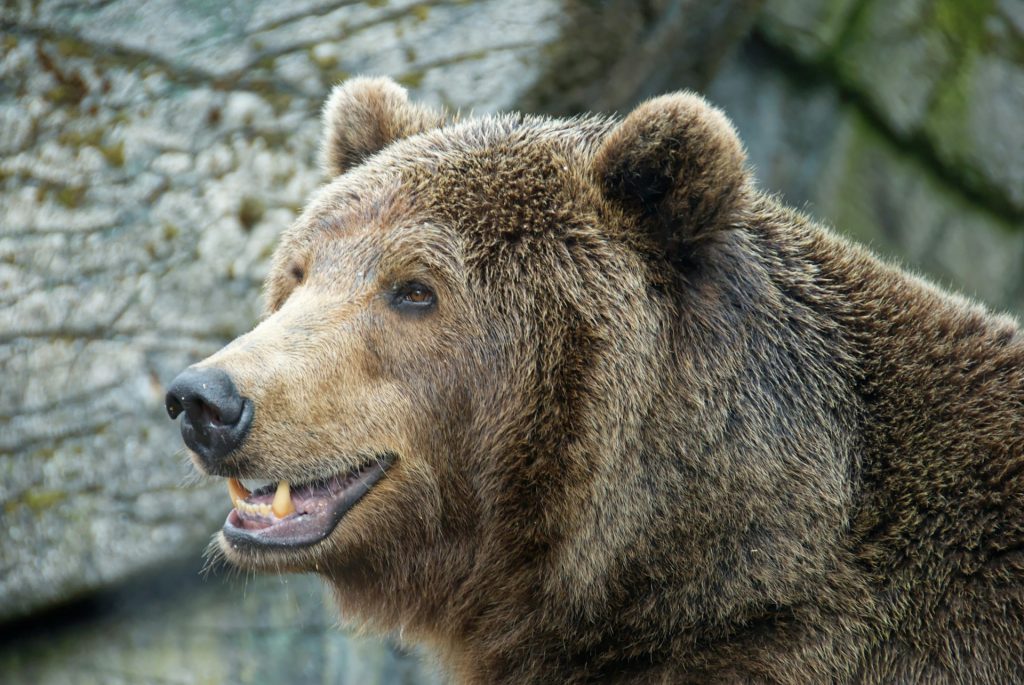
For conservationists, the footage may also serve as an important advocacy tool. Grizzly bears remain a species of concern throughout the United States. Their population has recovered significantly over the past several decades, yet they still face threats from habitat loss, roadway expansion, and climate-driven changes to food availability. Demonstrations of how grizzlies use and rely on stable denning spaces can help guide policy decisions.
Moreover, the footage offers a perspective that many people rarely see. Instead of portraying grizzlies as aggressive or unpredictable, the recordings reveal their family-oriented nature. A mother caring for her cubs, cleaning the den, and ensuring their safety shows a side of the species that fosters greater empathy and understanding among the public.
Human Curiosity and the Power of Long Term Patience
Beyond its biological significance, the decade-long project highlights something deeply human. In a world where people desire instant results, this experiment proved the value of waiting and trusting the unknown. Leaving the camera behind without certainty required patience and hope. The man invested effort with no promise of a payoff.
He had initially forgotten about the camera for several years before finally deciding to return. Life responsibilities and other commitments had taken priority. Yet the fact that he remembered and chose to hike back to the cave shows how curiosity often resurfaces even after long periods of distraction.

The emotional impact of discovering the footage also cannot be understated. After ten years of environmental wear, the camera should have been destroyed. Instead, it unlocked an intimate chronicle of life that few people ever see firsthand. The man described shock and awe while reviewing the reactions that resonate with anyone who has ever stumbled upon an unexpected moment of beauty.
The story encourages people to imagine what other long term projects might uncover if given enough time. Sometimes nature reveals itself slowly and only rewards those who are willing to commit to the long wait.
What This Means for the Future of Wildlife Monitoring
While the camera was originally placed as a personal experiment, its success has sparked broader conversations within the wildlife community. Researchers have begun to consider whether similar methods could provide insights without costly installations. Although technology has advanced rapidly since the camera was placed in the cave, the principle behind the project remains important. Long-term passive observation can reveal patterns that short-term studies miss.
According to experts referenced by PetaPixel, modern trail cameras now have better sensors, improved battery life, and more resilient casings. Combining these improvements with strategic placement in natural habitats could lead to significant discoveries. The key is ensuring the process does not disrupt the animals being observed.
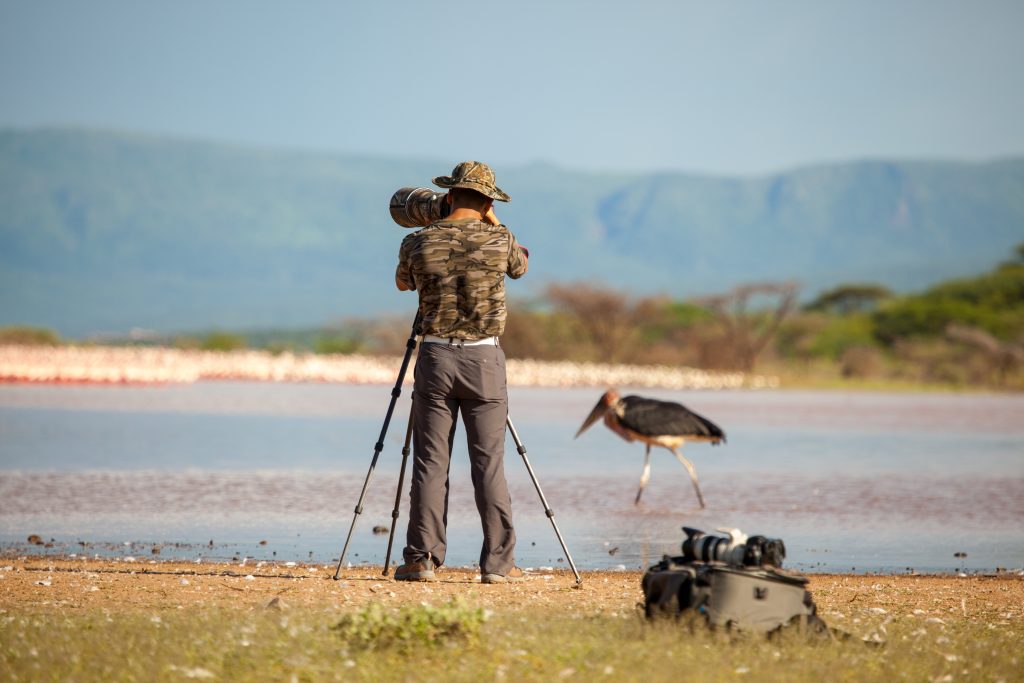
Additionally, the story highlights the importance of respecting habitats. The cave remained undisturbed for ten years because the man avoided repeated visits. Had he checked on it frequently, the mother grizzly may have abandoned the space. True conservation requires allowing nature to follow its own rhythm.
There is also discussion about introducing similar passive monitoring in other ecosystems. For instance, forest canopies, deserts and wetlands all contain hidden spaces that animals use, but scientists rarely observe. Cameras placed responsibly and left alone for extended periods may offer critical data.
Final Thoughts on a Decade of Wildlife Discovery
The discovery inside the Yellowstone cave is more than a viral curiosity. It is a testament to patience, respect for wildlife and the value of observing nature without interference. The footage captured the private world of a grizzly family across multiple seasons, something that even professional researchers seldom witness so clearly.
This story invites readers to reflect on the connections between humans and wildlife. While people often view wild animals from a distance, the camera revealed how similar their lives can be to our own. Mothers protect their young families grow and environments shift over time. These parallels carry lessons about compassion and shared existence.
In the end, the ten-year camera experiment demonstrates that sometimes the greatest discoveries happen when we step back rather than step in. Nature has stories to tell and when given space, it reveals them in remarkable ways.