
Your cart is currently empty!
From Captivity to the Ocean Mexico Begins Releasing 350 Dolphins
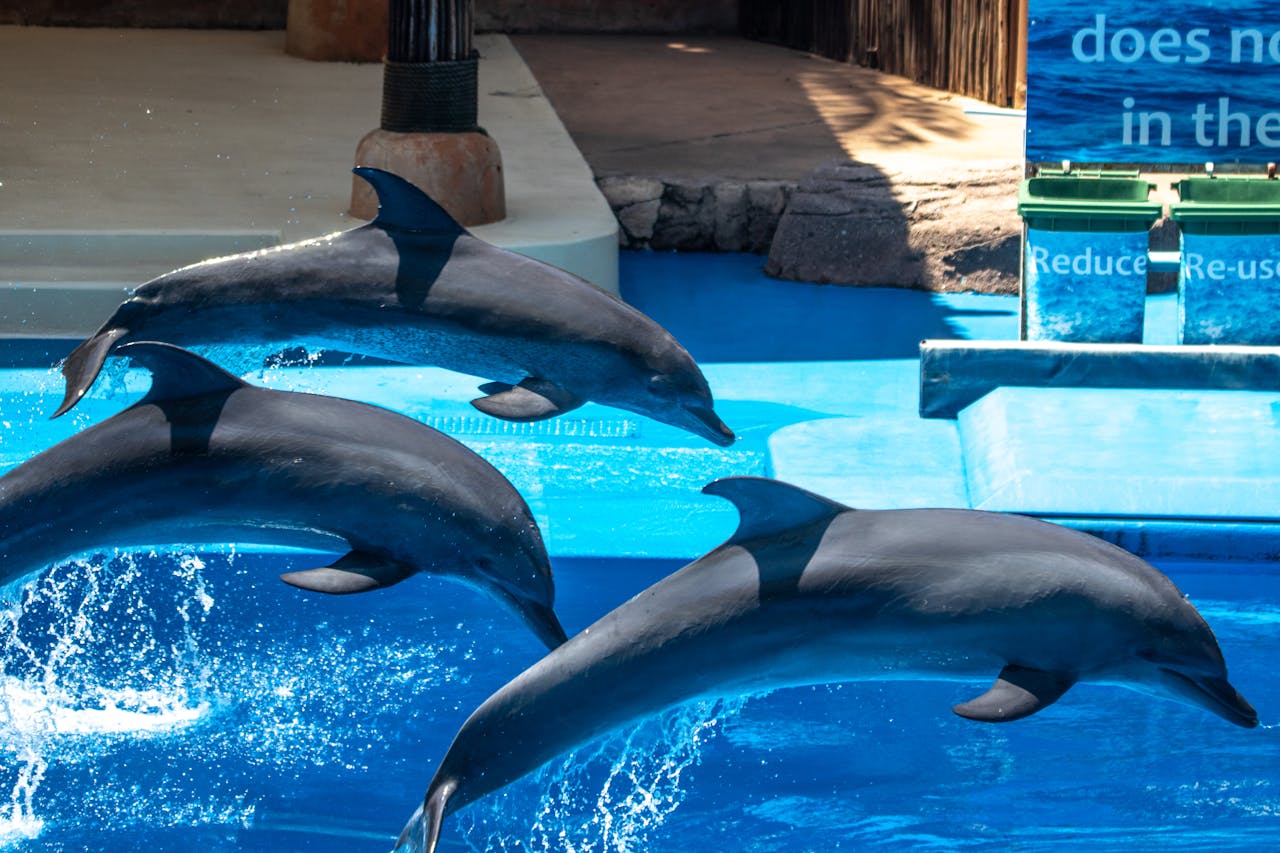
Mexico has taken a historic step that is rippling across the globe. After officially banning the use of captive marine mammals for entertainment, the country has begun the process of releasing approximately 350 dolphins from tanks and show facilities back into natural environments and protected sanctuaries.
Contents
show
For decades, dolphin shows drew tourists with promises of smiles, acrobatics, and close encounters. Yet behind the applause was a growing movement questioning whether highly intelligent marine mammals should spend their lives performing for crowds. Now, that debate has turned into action.
According to Humane World for Animals and World Animal Protection, Mexico’s legislative decision represents one of the most significant marine welfare reforms in recent years. The transition from concrete tanks to open waters is not only symbolic, it signals a cultural shift in how entertainment, tourism, and animal welfare intersect.
A Landmark Ban That Changed the Industry
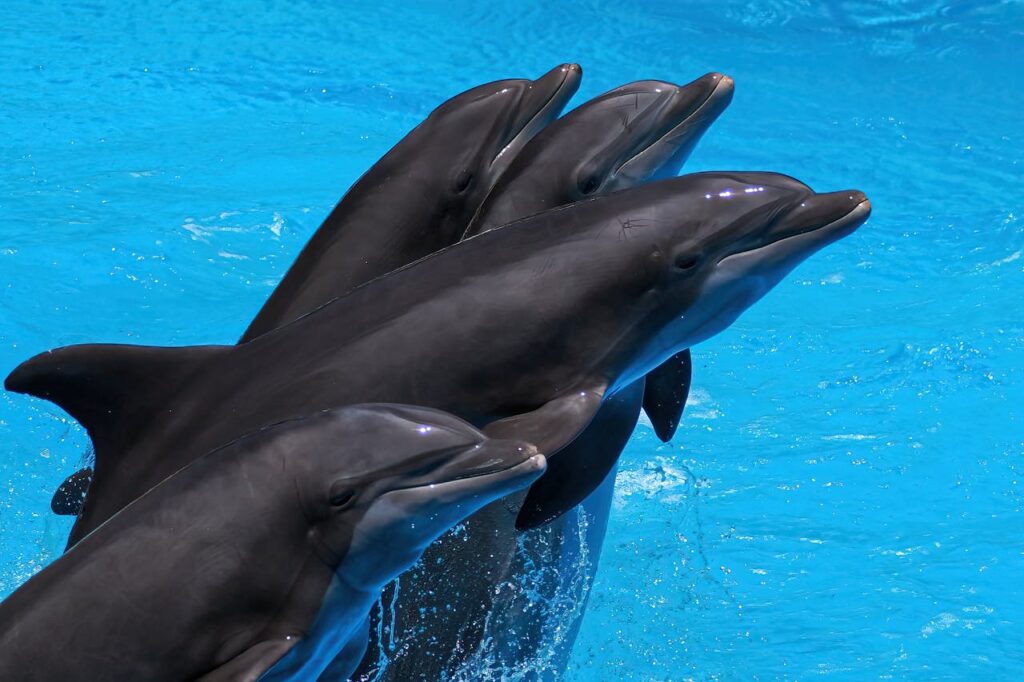
Mexico’s decision to prohibit the use of captive marine mammals in entertainment did not happen overnight. Advocacy groups, marine biologists, and animal welfare organizations spent years compiling research, gathering testimonies, and urging lawmakers to reconsider the ethics of dolphin shows. The final vote marked what many are calling a historic victory for animal protection.
The new legislation effectively bans the breeding and acquisition of marine mammals for entertainment purposes. Facilities that previously relied on dolphin performances are now required to transition away from these practices. According to reporting from Humane World for Animals, this shift could affect hundreds of animals currently held in captivity across the country.
World Animal Protection described the decision as a turning point not just for Mexico but for Latin America as a whole. By enshrining animal welfare protections into law, Mexico has positioned itself as a regional leader in marine conservation reform. Advocates argue that such legislation creates a precedent that neighboring nations may soon follow.
The law also reflects changing public sentiment. Tourists and local residents alike have become increasingly aware of the psychological and physical toll captivity can impose on dolphins. Public pressure played a significant role in driving political action, demonstrating how consumer awareness can influence national policy.
From Concrete Tanks to Open Waters
Releasing approximately 350 dolphins is a complex and carefully managed process. Contrary to popular belief, it is not as simple as opening a gate and letting animals swim free. Many dolphins born or kept in captivity require gradual rehabilitation to adapt to natural conditions.
According to Save Dolphins, the legislation includes pathways for transferring dolphins to seaside sanctuaries where they can live in more natural marine environments while still receiving care. These sanctuaries provide larger spaces, natural seawater, and opportunities for social interaction that more closely resemble life in the wild.
Marine biologists emphasize that rehabilitation often includes reintroducing hunting skills, building muscle strength, and reducing dependence on human feeding schedules. Some dolphins may eventually be released into protected wild areas, while others may remain in sanctuaries for life if full release is not deemed safe.
This careful approach balances compassion with practicality. Animal welfare experts stress that the ultimate goal is to prioritize each dolphin’s health and safety rather than rush the process for symbolic reasons. The transition represents hope, but it also requires patience, funding, and scientific oversight.
Why Dolphin Shows Became Controversial
Dolphins are widely regarded as some of the most intelligent animals on Earth. Research has shown that they possess complex social structures, demonstrate problem solving abilities, and communicate using intricate vocalizations. These characteristics have led many scientists to argue that captivity can severely limit their natural behaviors.
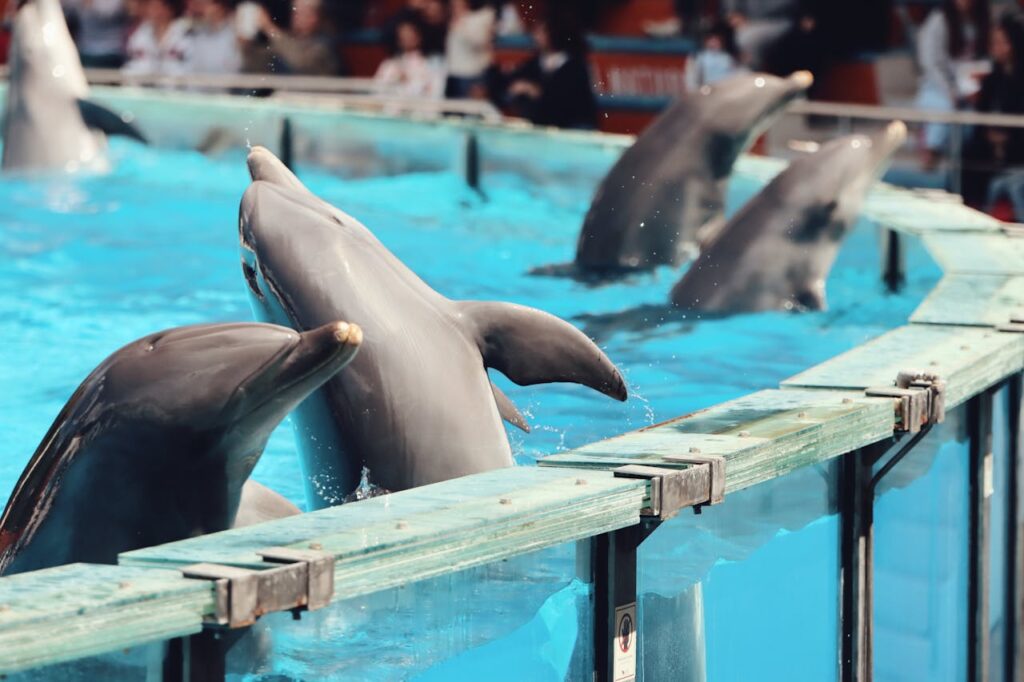
Animal advocacy organizations have long raised concerns about the confined spaces of performance tanks. Compared to the vast distances dolphins travel in the wild, captive environments are drastically smaller. Critics argue that repetitive performances and artificial routines can contribute to stress and abnormal behaviors.
According to World Animal Protection, studies have documented health issues among captive dolphins, including dental problems from chewing on tank enclosures and stress related conditions. While facilities often maintain veterinary care, critics maintain that medical treatment does not compensate for the absence of natural habitats.
The controversy intensified in recent years as documentaries and investigative reports shed light on training practices and breeding programs. Public opinion began to shift from seeing dolphin shows as harmless fun to questioning whether entertainment justified lifelong confinement. Mexico’s new law reflects that evolving perspective.
The Role of Advocacy and Public Pressure
Behind every legislative victory is a coalition of voices that refused to stay silent. Humane World for Animals was among the organizations that campaigned tirelessly for reform. They presented research to lawmakers, organized public awareness campaigns, and highlighted global trends away from marine mammal entertainment.
Grassroots movements also played a crucial role. Social media campaigns amplified personal stories and scientific findings, making complex policy discussions accessible to everyday citizens. As public awareness grew, so did political will.
According to Karmactive, lawmakers cited growing ethical concerns and international standards when debating the bill. The momentum was part of a broader reevaluation of animal welfare laws in Mexico, which has seen increasing attention in recent years.
The collaborative nature of the campaign underscores an important lesson. Meaningful change often requires cooperation between scientists, activists, policymakers, and the public. The dolphin ban is not the result of a single organization’s effort but rather a collective shift in values.
What Happens to the Facilities and Trainers
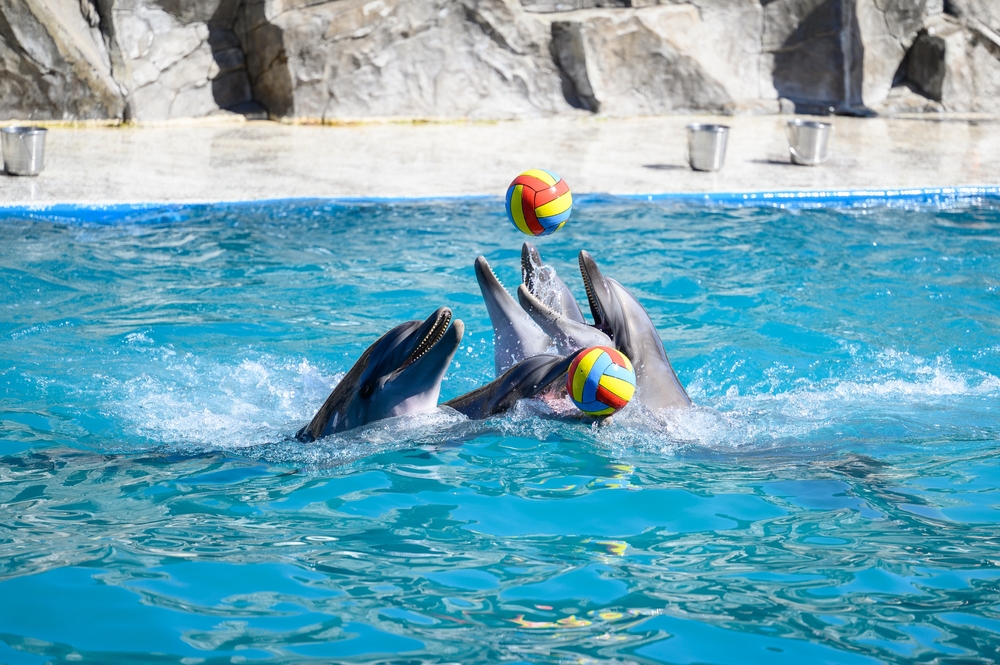
The ban does not only affect dolphins. It also reshapes an entire industry built around marine entertainment. Facilities that once relied on daily shows must now pivot toward alternative attractions or educational programming.
Some marine parks are exploring eco tourism models that emphasize conservation, rescue operations, and immersive learning experiences without live performances. This shift may open new employment pathways for trainers and staff members whose expertise can be redirected toward rehabilitation and sanctuary care.
Economic concerns were part of the legislative debate. Supporters of the ban argue that sustainable tourism centered on natural habitats and wildlife observation can generate long term economic benefits without compromising animal welfare.
Transition periods can be challenging, but they also present opportunities. By investing in conservation based tourism, facilities may align more closely with evolving traveler expectations. Increasingly, tourists are seeking ethical experiences that support rather than exploit wildlife.
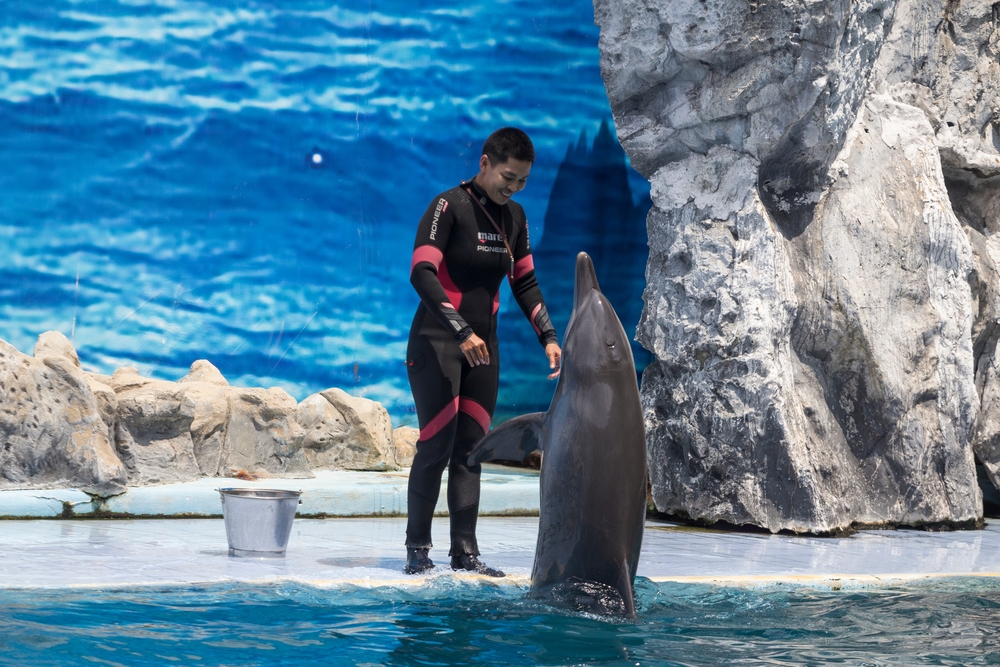
Choosing Ethics Over Entertainment
The story of Mexico releasing 350 dolphins into the wild is about more than policy. It is about evolving values and humanity’s relationship with the natural world. What once seemed normal is now being reconsidered through a more compassionate lens.
For readers, this moment invites reflection on everyday choices. Tourism decisions, entertainment preferences, and consumer habits all contribute to shaping industries. Public demand can reinforce systems or help transform them.
There are practical steps individuals can take to support ethical wildlife treatment. These include researching attractions before visiting, supporting accredited sanctuaries, and staying informed about local animal welfare legislation.
Ultimately, the image of dolphins moving from confined tanks to open waters symbolizes possibility. It reminds us that progress is achievable when awareness meets action. Mexico’s bold move may not solve every challenge facing marine life, but it marks a hopeful chapter in the ongoing effort to balance human enjoyment with respect for the creatures that share our planet.