
Your cart is currently empty!
Toxic Waters Linked to Alzheimer’s Signs in Dolphins, Scientists Warn

In a discovery that has stunned both marine biologists and environmental scientists, new research suggests that dolphins living in heavily polluted waters are exhibiting signs of Alzheimer’s-like brain degeneration. The findings, drawn from examinations of beached dolphins in regions such as Florida and the United Kingdom, have opened a worrying window into how human pollution may be influencing the neurological health of some of the ocean’s most intelligent creatures.
Contents
show
For decades, dolphins have been admired for their remarkable cognitive abilities, complex social behavior, and emotional intelligence. Yet now, their brains may be mirroring the very human diseases that pollution and environmental neglect have helped to create. According to studies, researchers identified biological markers in dolphin brains that resemble the plaques and tangles associated with Alzheimer’s disease in humans. The implications reach far beyond marine biology, raising urgent questions about how environmental toxins might be silently eroding neurological health across species.
This discovery, while shocking, may not be entirely surprising. Dolphins, as apex predators, accumulate high concentrations of toxins from the fish they eat, a process known as biomagnification. Their environment is a reflection of ours, and as pollutants infiltrate the oceans, they eventually infiltrate the dolphins’ systems as well. The outcome is a haunting echo of our own struggles with neurodegenerative disease, but magnified by decades of industrial and chemical runoff that continues to poison the seas.
The Study That Changed Everything
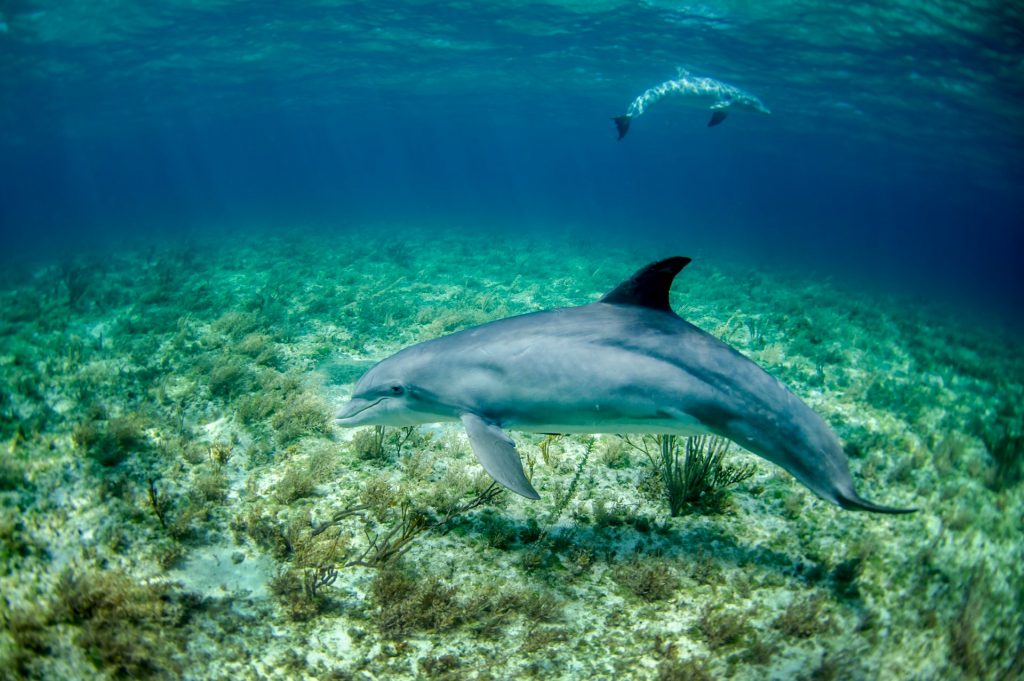
The research referenced by New Atlas centers on post-mortem examinations of dolphins found stranded along polluted coastlines. Scientists from several universities, including the University of Florida and the University of St. Andrews, analyzed brain tissue samples from multiple dolphin species. To their astonishment, they found the presence of amyloid plaques and tau tangles, two hallmark features of Alzheimer’s disease in humans. These microscopic structures disrupt communication between neurons, eventually leading to cognitive decline and memory loss.
The dolphins studied were primarily older individuals, many of them found in areas where chemical pollution is known to be particularly severe. This correlation has raised alarms about the potential impact of environmental toxins on neurological health. Unlike humans, dolphins cannot escape their ecosystem. They are bound to the quality of the water they swim in, and their exposure to pollutants is both chronic and unavoidable. Researchers concluded that the findings might represent the first solid evidence that non-human species can develop Alzheimer’s-like pathologies naturally, without genetic manipulation or experimental induction.
While the study was initially aimed at understanding mass stranding events, the results have expanded its scope far beyond that. If pollution can contribute to neurodegenerative damage in dolphins, it may also be influencing a host of other marine species. Scientists are now beginning to wonder if similar patterns exist in whales, seals, and other long-lived ocean mammals that share similar diets and habitats. Each new sample collected is a piece of a growing puzzle that links ocean contamination to biological breakdown at the cellular level.
The research is still ongoing, but what is already clear is that this is not an isolated case. Similar pathologies have been documented in dolphins from both sides of the Atlantic, suggesting a global pattern. This revelation emphasizes that the effects of pollution are not confined to geography or politics. They spread across oceans, invisibly connecting industrial waste in one nation to ecological damage in another.
The Pollutants Behind the Problem
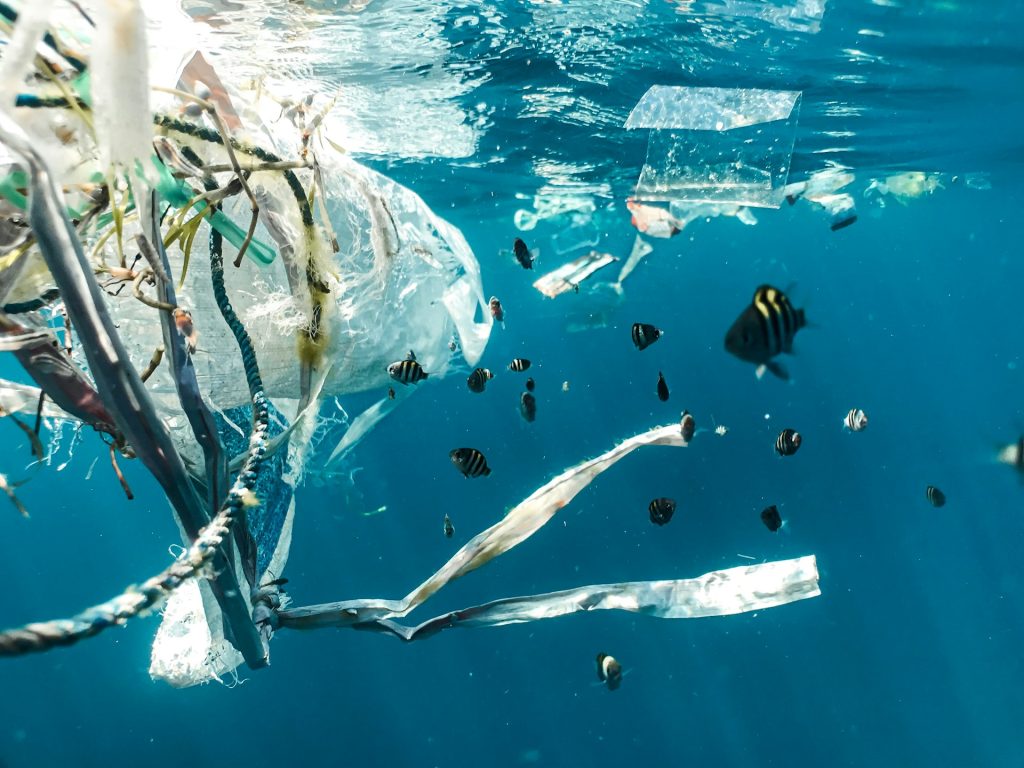
To understand why dolphins might be developing Alzheimer’s-like symptoms, scientists have turned their attention to the types of toxins accumulating in marine environments. Among the chief suspects are heavy metals like mercury and lead, as well as persistent organic pollutants such as polychlorinated biphenyls (PCBs). These substances, once widely used in manufacturing and agriculture, continue to linger in the environment long after their official bans. They seep into waterways through runoff, industrial discharge, and improper waste disposal, eventually concentrating in marine life.
Dolphins, sitting near the top of the food chain, absorb these toxins through their prey. Over time, the accumulation becomes significant enough to interfere with normal brain function. Studies have shown that PCBs in particular can disrupt hormonal systems, damage neural pathways, and impair cognitive development. When the researchers examined the dolphins’ brains, they found patterns of neural damage that mirrored those found in humans exposed to high levels of environmental toxins.
Beyond PCBs and heavy metals, other chemical contaminants may also play a role. Flame retardants, pesticides, and plasticizers such as bisphenol A (BPA) have been detected in the tissues of marine mammals worldwide. These chemicals can cross the blood-brain barrier, triggering inflammation and oxidative stress, two biological processes known to contribute to neurodegenerative disease. In dolphins, chronic exposure to these compounds could accelerate aging and cognitive decline, making them more vulnerable to disorientation, beaching, and reduced survival rates.
The interconnected nature of pollution makes the problem even more complex. Pollutants often act synergistically, meaning their combined effects can be more damaging than their individual impacts. The result is a toxic cocktail that seeps into every aspect of marine ecosystems, from plankton to apex predators. The dolphins’ brains may simply be the latest and most visible victims of a crisis that has been building silently for decades.
What This Means for Marine Ecosystems
Scientists now view the presence of Alzheimer’s-like disease in dolphins as both a medical finding and an indicator of environmental stress. Dolphins are considered sentinel species, meaning their health reflects the condition of the wider environment. When dolphins fall ill, it signals that the ecosystem they inhabit is under severe stress. This connection allows scientists to use dolphins as early indicators of environmental problems that might eventually affect other species, including humans.
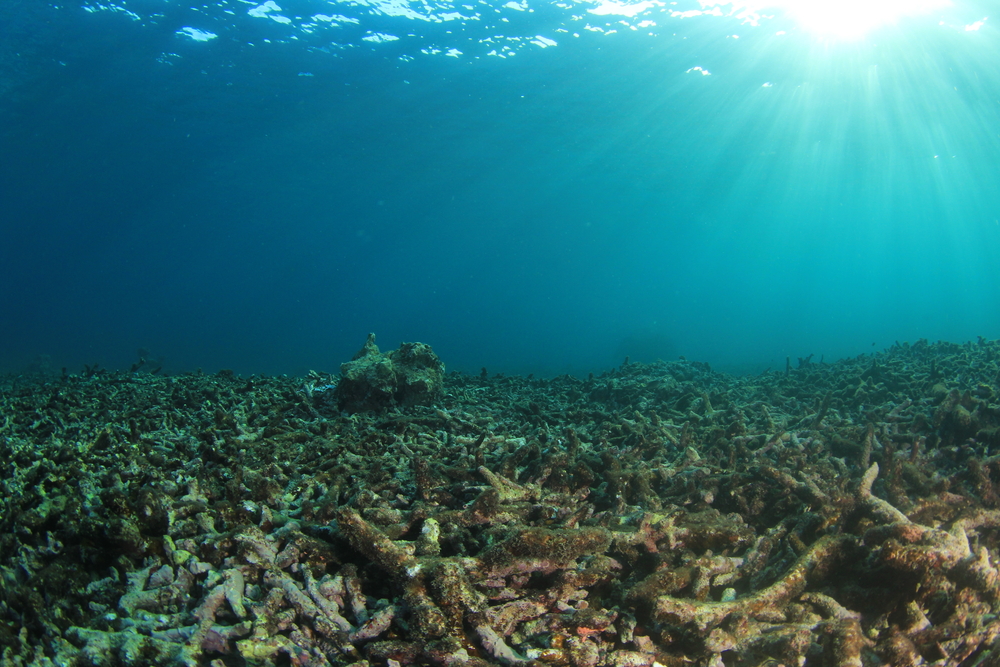
In polluted coastal areas, the decline in dolphin health is often mirrored by reductions in fish populations, coral reef degradation, and rising disease rates among marine organisms. The same pollutants that infiltrate dolphin tissues also affect the reproductive systems and immune responses of other sea creatures. Over time, this leads to cascading effects throughout the food web, altering predator-prey dynamics and reducing biodiversity.
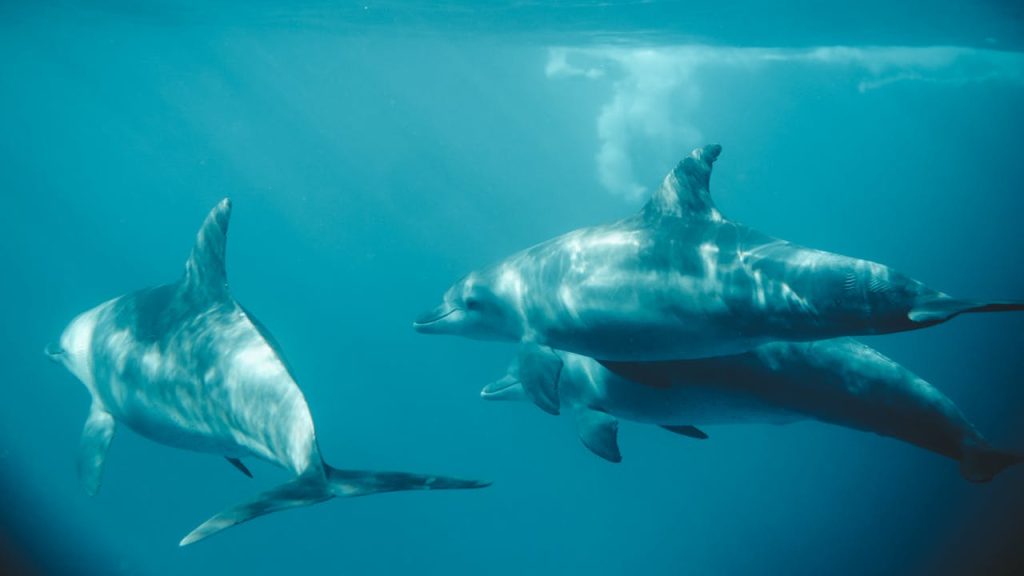
From an ecological perspective, the neurological decline observed in dolphins could also alter their social structures and behaviors. Dolphins rely heavily on complex communication and cooperation for hunting, navigation, and social bonding. Cognitive impairment could disrupt these behaviors, leading to increased strandings, weaker group cohesion, and reduced ability to adapt to environmental changes. This, in turn, can accelerate population decline and threaten the stability of entire marine ecosystems.
The broader concern is that if dolphins, with their relatively large and advanced brains, are succumbing to neurodegenerative conditions linked to pollution, smaller and less resilient species might already be suffering even more severe consequences. The ocean’s capacity to sustain life depends on the health of its interconnected inhabitants. As the top layers begin to show signs of collapse, the entire system becomes more fragile.
Reflections on Human Responsibility
What makes this discovery particularly sobering is the way it mirrors the human experience. Alzheimer’s disease affects millions of people worldwide, and while genetics plays a significant role, environmental factors such as pollution and diet are increasingly being recognized as contributing influences. The dolphins’ plight may therefore serve as both a mirror and a warning, illustrating how deeply human activity has infiltrated the natural world and how inescapable its consequences have become.
Human society has long treated the oceans as an endless dumping ground for waste and chemicals, assuming that the vastness of the sea would dilute whatever we poured into it. But this assumption has proven catastrophically wrong. The toxins do not disappear; they accumulate, concentrate, and resurface in the bodies of creatures that depend on the ocean for survival. Eventually, those same pollutants make their way back to humans through seafood consumption and atmospheric cycles.
Addressing this crisis requires scientific study, but real progress depends on collective action. Stronger environmental protections, tighter regulation of industrial waste, and global cooperation to reduce chemical runoff are all essential steps. Individuals can also contribute by reducing plastic use, supporting sustainable seafood choices, and advocating for cleaner production practices. Every decision made on land eventually ripples through the oceans.
At a deeper level, the dolphins’ story challenges us to rethink our relationship with nature. Far from being distant or separate, it forms part of the same biological and ecological network we depend on. The brain of a dolphin showing signs of Alzheimer’s is, in a sense, a reflection of the same vulnerabilities that affect our species. The boundary between human health and planetary health is far thinner than we once believed.
A Warning Worth Heeding
The neurological damage seen in dolphins illustrates how environmental pollution penetrates biological systems. Chemicals and toxins once restricted to the ocean now circulate through life itself, altering neural processes tied to cognition and communication. In the dolphins’ condition, we see the culmination of decades of disregard for the health of our planet’s most vital ecosystems and the creatures that inhabit them. This discovery forces us to confront an uncomfortable truth: the boundaries between human and environmental health have all but vanished. What harms the oceans will eventually harm us, whether through the food we eat, the air we breathe, or the stability of the ecosystems that sustain life on Earth.
The dolphins’ suffering is not an isolated tragedy but a reflection of our collective neglect. Their decline stands as both a warning and an opportunity, a call to change the way we live, consume, and govern our relationship with nature. The choice before us is clear: continue on the path of indifference and watch the oceans grow silent, or act decisively to restore the balance that life itself depends on.
If we choose awareness over apathy, there is still time to heal what has been broken. The dolphins’ story reminds us that protecting the planet is not an act of charity toward nature, it is an act of survival for our own future.