
Your cart is currently empty!
High-Fat Cheese and Cream Linked to Lower Dementia Risk

For years, health-conscious eaters have been told to put down the brie and step away from the cream. Saturated fat, after all, has long been cast as the villain in our dietary narratives. But what if everything we thought we knew about fat and brain health was wrong? What if that wheel of Gouda in your refrigerator might actually be doing your brain a favor?
Contents
show
A new study from Sweden is challenging conventional wisdom about dairy and cognitive decline, and the findings might surprise anyone who has ever felt guilty about reaching for a second slice of cheddar. Researchers at Lund University spent more than two decades tracking the eating habits and health outcomes of tens of thousands of adults, and what they discovered could reshape how we think about cheese, cream, and the aging brain.
Before you raid the cheese aisle, though, there are important caveats to consider. Science rarely delivers simple answers, and brain health is far more complicated than any single food choice. Still, the results are intriguing enough to warrant a closer look at what exactly these researchers found and why it matters.
A Quarter Century of Data

Researchers drew their findings from the Malmö Diet and Cancer cohort, a long-running observational study that has tracked Swedish residents for decades. More than 27,670 participants enrolled in the study between 1991 and 1996, with an average age of 58 at the start. Over a median follow-up period of roughly 25 years, 3,208 of those participants developed dementia.
What makes this research particularly robust is the detailed nature of the dietary data collected at baseline. Participants kept 7-day food diaries, completed extensive questionnaires about their eating habits over the previous year, and sat down with researchers to discuss how they prepared their meals. Rather than relying on vague recollections, the study team gathered specific information about what people actually ate daily.
Dementia diagnoses came from Swedish national health registries, and cases identified through 2014 underwent additional validation. Dementia specialists reviewed medical records, brain imaging, and cognitive test results to confirm diagnoses, adding an extra layer of accuracy to the findings.
Lead researcher Emily Sonestedt, a nutrition epidemiologist at Lund University, wanted to investigate whether dairy products had any relationship with dementia risk. Her team set out to examine different types of dairy separately, recognizing that cheese, milk, cream, and yogurt might have very different effects on health.
“For decades, the debate over high-fat versus low-fat diets has shaped health advice, sometimes even categorizing cheese as an unhealthy food to limit,” Sonestedt explained. “Our study found that some high-fat dairy products may actually lower the risk of dementia, challenging some long-held assumptions about fat and brain health.”
Two Slices of Cheese Daily May Make a Difference
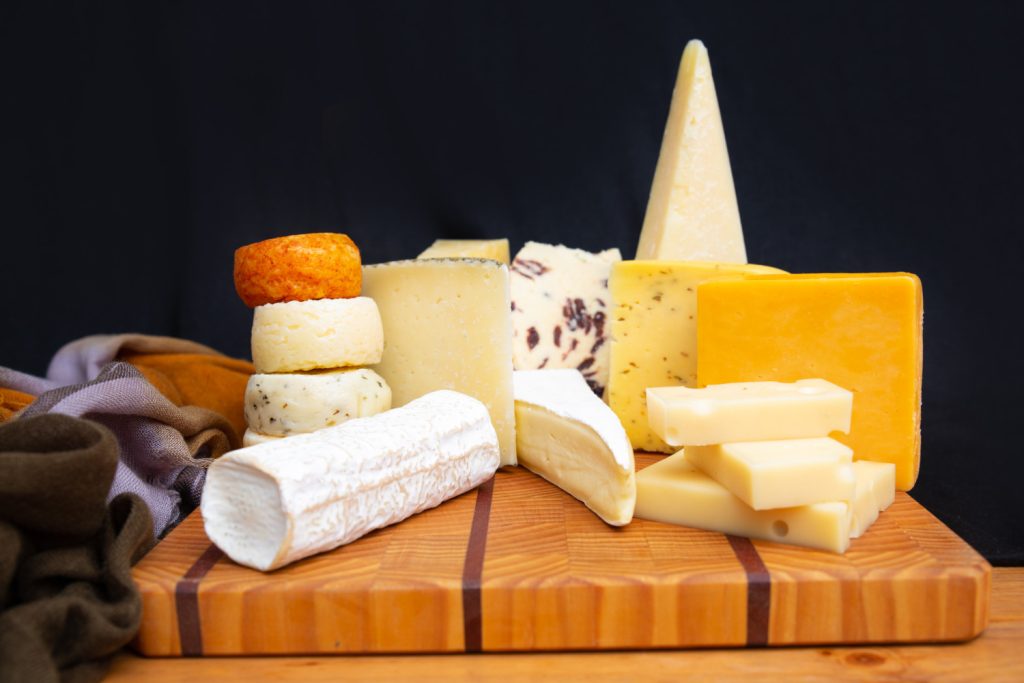
After crunching the numbers and adjusting for factors like age, sex, education level, smoking status, physical activity, and overall diet quality, the researchers found a striking pattern. Participants who ate 50 grams or more of high-fat cheese every day had a 13 percent lower risk of developing dementia compared to those who consumed less than 15 grams daily.
Fifty grams amounts to roughly two slices of cheddar or a modest wedge of brie. About a quarter of the study participants ate this much or more daily, meaning the protective threshold is hardly an extreme amount.
High-fat cheese, for this study, included any variety containing more than 20 percent fat. Cheddar, Gouda, Parmesan, gruyere, mozzarella, and brie all fall into this category. In other words, the cheeses most people actually enjoy eating are precisely the ones that showed a potential benefit.
Interestingly, around 10 percent of participants who ate 50 grams or more of high-fat cheese daily eventually developed dementia, compared to about 13 percent of those who ate less than 15 grams per day. While the difference might seem modest, applied across millions of people, such a reduction could have meaningful public health implications.
Vascular Dementia Risk Dropped Dramatically
When researchers broke down the results by specific types of dementia, the findings became even more compelling for certain conditions.
“When we went on to look at specific types of dementia, we found that there was a 29 percent lower risk of vascular dementia in people who ate more full-fat cheese,” Sonestedt noted. “We also saw a lower risk of Alzheimer’s disease, but only among those who did not carry the APOE e4 gene variant, a genetic risk factor for Alzheimer’s disease.”
Vascular dementia occurs when blood flow to the brain becomes impaired, damaging brain tissue over time. It represents the second most common form of dementia after Alzheimer’s disease. A nearly 30 percent reduction in risk is a substantial finding, though researchers caution that observational studies cannot prove cause and effect.
Alzheimer’s disease showed a more complicated picture. People without the APOE e4 gene variant, a well-established genetic risk factor for Alzheimer’s, appeared to benefit from higher cheese consumption. Those carrying the variant did not see the same protective association. Genetics, it seems, may play a role in how our bodies respond to dietary fat.
Cream Showed Promise Too
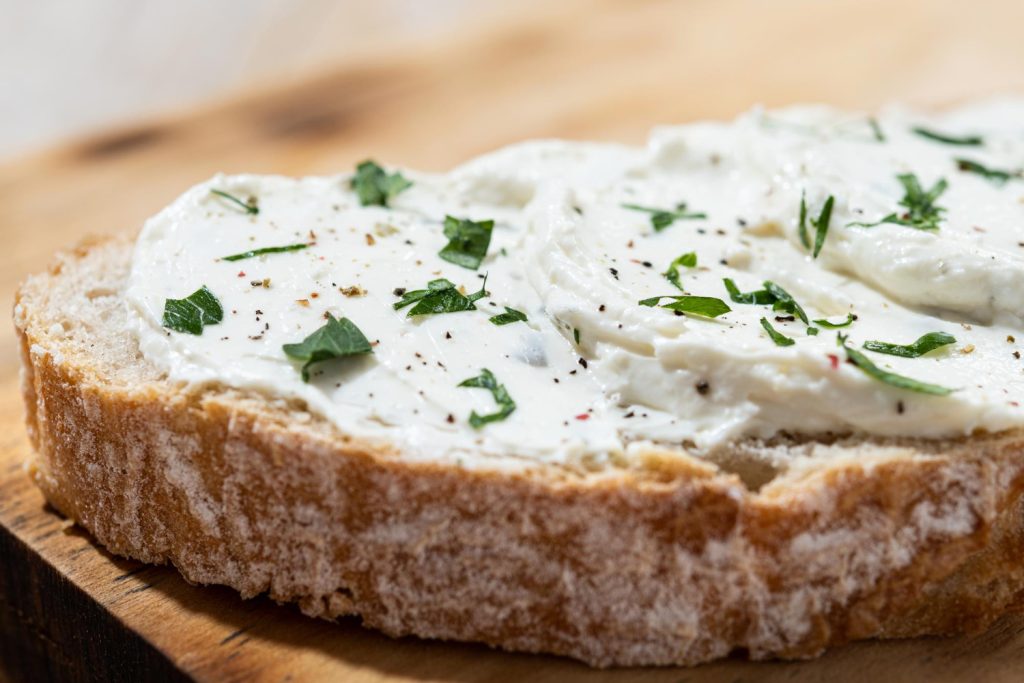
Cheese was not the only high-fat dairy product linked to lower dementia risk. Participants who consumed 20 grams or more of high-fat cream daily, roughly one to two tablespoons, had a 16 percent lower risk of dementia compared to those who consumed none at all.
High-fat cream, defined as containing 30 to 40 percent fat, showed inverse associations with both Alzheimer’s disease and vascular dementia when analyzed as a continuous variable. People who splashed a bit of cream in their coffee or added it to recipes appeared to fare better than those who avoided it entirely.
Researchers acknowledge that the association between cream and dementia seemed to weaken slightly when follow-up was extended from 2014 to 2020, despite the increased statistical power that came with more cases. They urge caution in interpreting these results and call for further studies to replicate the findings.
Low-Fat Alternatives Showed No Similar Benefits
Here is where the story takes an interesting turn. Low-fat cheese and low-fat cream showed no protective association with dementia risk. Neither did milk of any fat content, fermented milk products like yogurt and kefir, nor butter.
Butter, in fact, showed mixed results. At high intake levels, it appeared linked to a possible increased risk of Alzheimer’s disease compared to people who ate no butter at all. However, among individuals with otherwise high-quality diets, butter showed an inverse association with all-cause dementia. Fat intake, it seems, needs to be considered within the broader dietary picture.
Sonestedt emphasized that different dairy products appear to have different relationships with brain health. Not all milk, cheese, and cream are created equal when it comes to cognitive outcomes. Something specific about high-fat cheese and cream, whether the fat content itself, the presence of certain nutrients like vitamin K2, or the unique food matrix, may be driving the observed benefits.
Why Fat Content Might Matter

For decades, dietary guidelines have urged people to limit saturated fat intake, and cheese has often been singled out as a food to reduce. The MIND diet, developed specifically to lower dementia risk, categorizes cheese as an unhealthy food that should be limited. Yet recent evidence has begun to complicate this picture.
Randomized controlled trials have found that regular-fat cheese does not cause the adverse changes in blood lipid profiles that scientists once feared. Animal studies have shown that regular-fat cheese may actually produce greater metabolic health benefits than reduced-fat varieties, including positive changes in gut bacteria and increased fat excretion.
Mendelian randomization studies, which use genetic variants to test causal relationships, have linked cheese consumption to lower risks of diabetes and hypertension. Both conditions are established risk factors for dementia, suggesting a potential pathway through which cheese might protect brain health.
Previous research from the same Lund University team has found links between cheese and fermented dairy consumption and reduced cardiovascular disease risk. Since vascular health and brain health are closely connected, these findings align with the current study’s results. A heart-healthy food may also be a brain-healthy food.
Still, researchers stop short of claiming they understand exactly why high-fat dairy might protect against cognitive decline. More work is needed to identify potential mechanisms and confirm that the associations are real.
Experts Sound Notes of Caution

Not everyone is ready to start prescribing cheese as brain medicine. Several researchers who were not involved in the study have pointed out important limitations that temper the enthusiasm.
Professor Tara Spires-Jones, who leads the UK Dementia Research Institute at the University of Edinburgh, highlighted a significant concern about the study design.
“One of the biggest limitations of this study is the cheese consumption as recorded from a food diary and interview at one time point 25 years before the analysis of dementia diagnosis,” she said. “It is highly likely that diet and other lifestyle factors changed in those 25 years.”
People’s eating habits rarely remain static over decades. Someone who loved cheese in their 50s might have cut back in their 60s due to health concerns, or vice versa. A single dietary snapshot from a quarter century ago may not accurately reflect what people actually ate throughout the study period.
Dr. Richard Oakley from the Alzheimer’s Society cautioned against reading too much into the findings. He emphasized that quitting smoking, staying physically active, eating a balanced diet, managing chronic health conditions, and moderating alcohol intake all play far greater roles in reducing dementia risk than any single food. No strong evidence exists for any individual food protecting people from dementia, he noted.
What Readers Should Take Away
So, should you start eating more cheese? Perhaps, but probably not for the reasons you might hope.
Cheese is a source of protein, calcium, and various micronutrients. Enjoyed as part of a balanced diet, it can certainly be part of a healthy eating pattern. But viewing it as a magic bullet against dementia would be misguided based on current evidence.
Observational studies like this one can identify associations but cannot prove that one thing causes another. People who eat more high-fat cheese might differ from those who eat less in ways that researchers did not measure or account for. They might have different stress levels, social connections, sleep patterns, or genetic predispositions that influence both their food choices and their dementia risk.
What this study does accomplish is adding to a growing body of research questioning blanket restrictions on high-fat dairy. It suggests that the relationship between dietary fat and brain health is more complicated than once believed. It reinforces the connection between vascular health and cognitive function. And it reminds us that nutrition science rarely delivers simple answers.
Researchers at Lund University plan to continue investigating whether certain high-fat dairy products provide genuine brain protection. Until more evidence accumulates, the best advice remains familiar but frustrating in its lack of novelty. Eat a varied diet rich in vegetables, fruits, whole grains, and lean proteins. Stay physically active. Maintain social connections. Manage chronic conditions. Get enough sleep.
And if you want to enjoy some cheese along the way, this study suggests you probably do not need to feel guilty about it.