
Your cart is currently empty!
Psychologists Reveal the Items Commonly Found in the Homes of Highly Intelligent People

Personal expression often extends beyond clothing and appearance, finding its most authentic form within the walls of one’s home. A living space acts as a curated collage of a life, housing not just furniture, but the tangible evidence of deep conversations, quiet reflection, and daily habits.
Contents
show
While one might expect the residence of a highly intelligent individual to resemble a sterile library of textbooks, the reality is often a unique blend of specific tools and environments designed to spark creativity. The objects chosen to fill these rooms offer a fascinating glimpse into how high-functioning minds intuitively organize their surroundings to nurture their intellect and protect their psychological well-being.
1. Indoor Flora and Greenery

Integrating greenery into a living space is frequently observed among highly intelligent individuals who value the psychological benefits of nature. Beyond simple decoration, the presence of indoor plants often signifies a deeper understanding of how environmental factors influence cognitive function and emotional balance. Research conducted by Rutgers University links the presence of flowers and plants to immediate feelings of happiness and increased life satisfaction, suggesting that nature acts as a natural moderator for human emotion.
For those with high cognitive abilities, the act of tending to a garden or even a single potted fern serves a dual purpose. It provides a visual respite from chaotic routines while offering a structured activity centered on caregiving. The responsibility of watering, pruning, and monitoring growth fosters a sense of stewardship that contributes to improved mental health outcomes. This engagement with the natural world helps regulate mood and reduce stress, creating an atmosphere conducive to clear thinking and problem-solving.
Rather than viewing plants merely as stagnant decor, these individuals often treat them as living components of their home ecosystem. The cycle of nurturing a seedling into maturity mirrors the intellectual growth they often seek in other areas of life. Whether it is a low-maintenance succulent or a complex arrangement of blooms, the inclusion of botanical elements suggests a mind that prioritizes tranquility and sustained well-being.
2. Jigsaw Puzzles

Walk into a home and you might find a complex landscape spread across the coffee table, waiting for the next piece to be snapped into place. While this might look like simple leisure, the habit of engaging with puzzles is a common trait among those with high intellectual capabilities. These individuals often leave puzzles out in the open, not purely for entertainment, but as a regular mental exercise.
According to research published in Frontiers in Aging Neuroscience, regularly working on jigsaw puzzles serves as a protective practice against cognitive decline. The activity demands a complex interplay of mental faculties, requiring the brain to engage in high-level visual-spatial reasoning and short-term memory simultaneously. It acts as a gymnasium for the mind, where the challenge lies in bringing order to chaos.
Beyond the cognitive boost, puzzles also offer emotional regulation benefits. The singular focus required to match colors and shapes allows for a form of meditative escapism, reducing stress levels while sharpening focus. For someone with a high IQ, a puzzle is rarely just a game. It represents a tangible problem to solve, satisfying a deep-seated need for analysis and resolution while keeping the mind agile and resilient.
3. Musical Instruments and Audio Equipment

A guitar resting in the corner or a collection of vinyl records often signals more than just a casual hobby. For individuals with high intelligence, music serves as a critical conduit for emotional processing and cognitive maintenance. Research in music therapy suggests that the act of creating or intentionally listening to music supports emotional intelligence by aiding in stress regulation and facilitating self-reflection.
The home environment of a highly intelligent person frequently includes tools to access this auditory stimulation. This might manifest as a dedicated space for practicing an instrument or high-quality noise-canceling headphones designed to create a focused work environment. These tools allow them to curate their sensory experience, blocking out distractions to enter a state of deep focus or using melody to unwind after mentally taxing endeavors.
Furthermore, music acts as a bridge for social connectivity and community building. Whether it is playing a song for friends or discussing the nuances of a composition, these interactions sharpen social bonds. Consequently, the presence of musical gear is not merely aesthetic but functions as a practical resource for maintaining psychological balance and enhancing brain function.
4. Personal Libraries
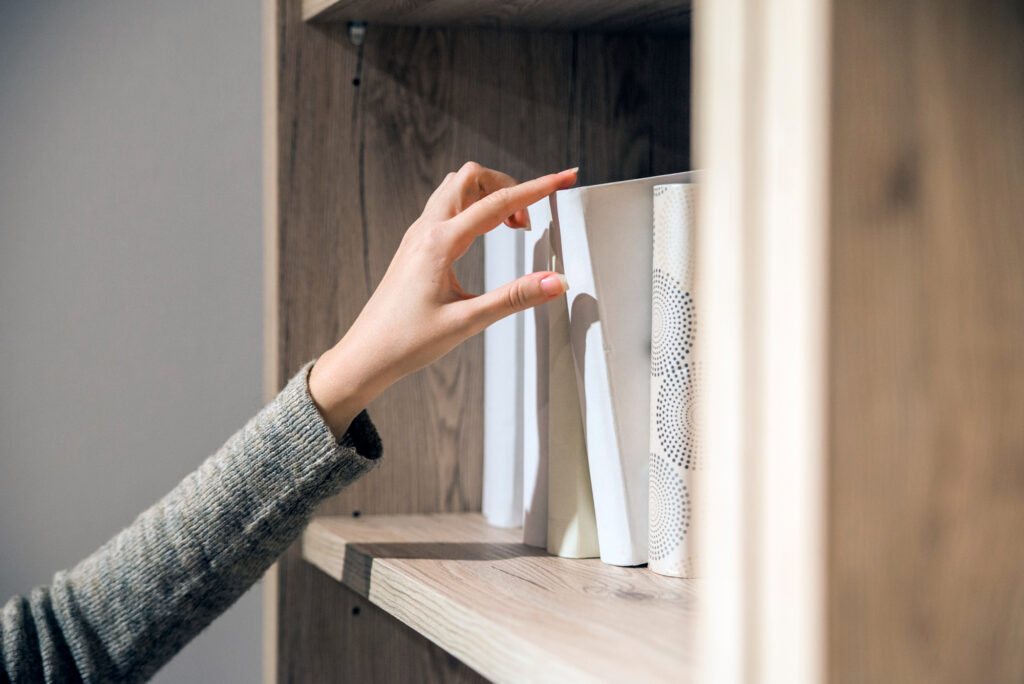
While extensive bookshelves are often associated with academic rigor, the homes of highly intelligent individuals frequently tell a different story. Rather than limiting their collections to heavy textbooks or reference manuals meant solely for acquiring technical expertise, these individuals often prioritize literary fiction and reading for pleasure. This preference highlights a desire to explore different perspectives rather than simply stockpiling facts.
Research highlighted by Scientific American suggests that reading literary fiction is significantly linked to the development of emotional intelligence. By immersing themselves in the narratives of fictional characters, readers practice essential social skills such as empathy and self-reflection. This cognitive simulation allows them to navigate complex emotional landscapes and understand the motivations of others more deeply than non-readers might.
Therefore, a home filled with novels is not just a sign of literacy but an indicator of a mind that values human connection and emotional nuance. The presence of these books suggests that the resident actively engages in exercising their capacity for empathy, which can lead to more balanced and healthy relationships in the real world.
5. Creative Supplies and Ongoing Projects
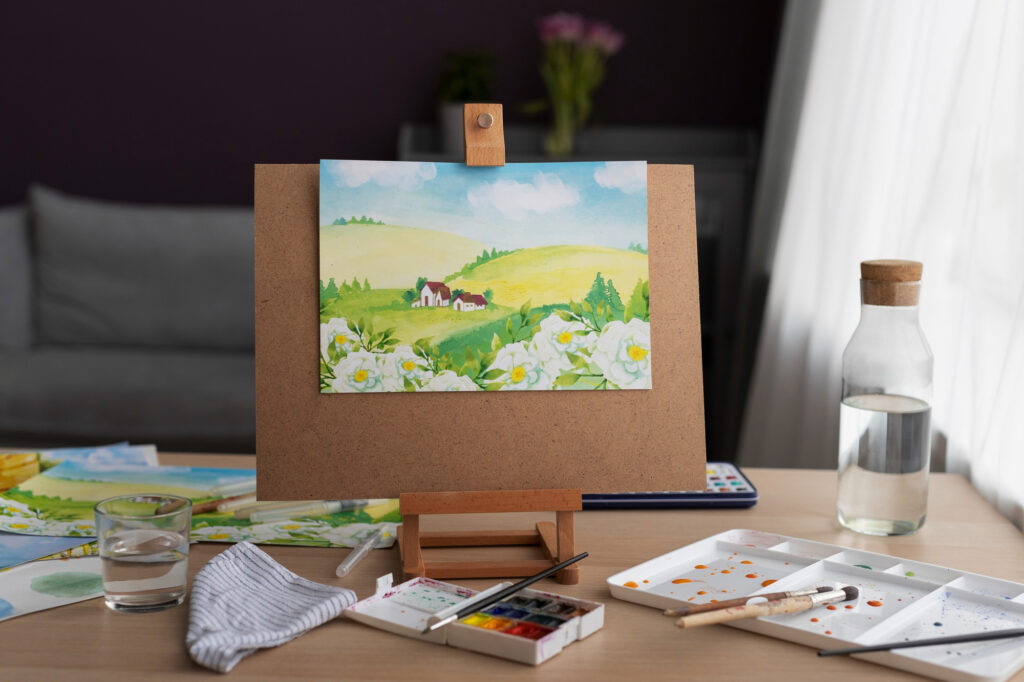
According to a study published in the Journal of Intelligence, there is a strong correlation between high intelligence and creativity. This internal drive to create and explore often spills over into the physical environment, resulting in homes that function as active workshops rather than static showrooms. For these individuals, a living space is not just for rest; it is a laboratory for their curiosity and passions.
You might observe a corner dedicated to a half-finished painting with brushes and canvases left out, or perhaps a yoga mat and incense permanently stationed in the living room. These items are not clutter in the traditional sense but are evidence of an active mind engaging with the world. The creative process is rarely tidy, and those with high cognitive abilities often prioritize the accessibility of their tools over pristine organization.
This “overflow” of hobbies and interests allows for spontaneous engagement. By keeping their materials visible and within reach, they lower the barrier to entry for their creative pursuits. Whether the outlet is tangible, like sculpture, or intangible, like meditation, the presence of these supplies indicates a person who actively nurtures their intellectual and artistic growth on a daily basis.
6. A Little Bit of Clutter
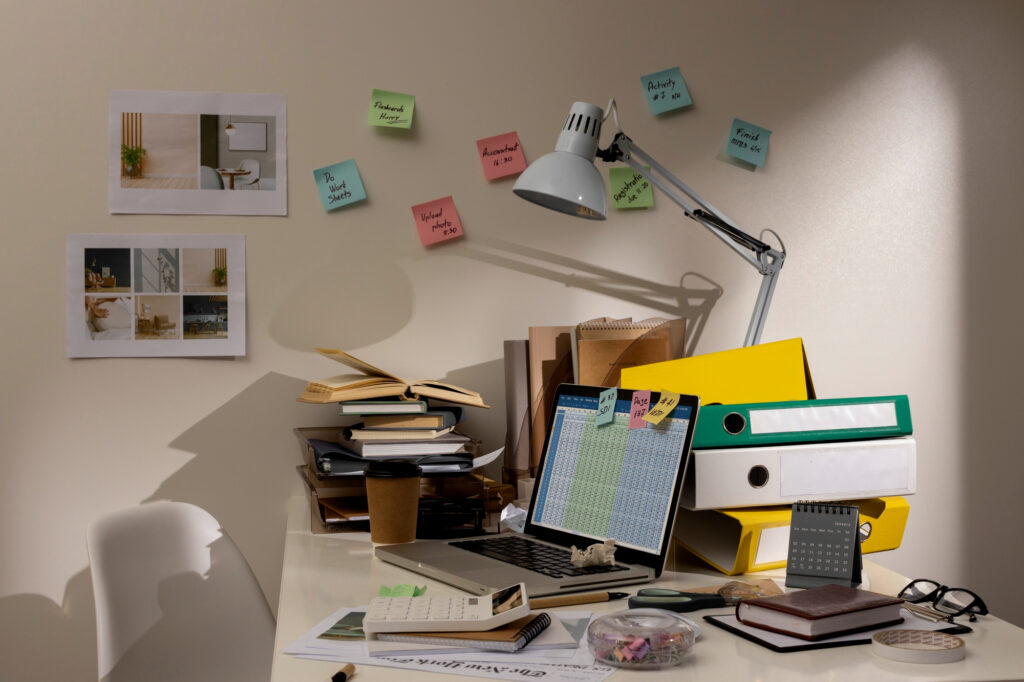
Contrary to the minimalist ideal of a spotless home, a certain degree of disorder is often a hallmark of a highly intelligent mind. According to research published in Psychological Science, a slightly cluttered environment can actually stimulate creativity and innovation. For individuals with high IQs, maintaining a pristine space often takes a backseat to their internal thought processes and intellectual curiosity.
It is not necessarily a lack of discipline that leads to piles of papers or scattered objects, but rather a prioritization of ideas over aesthetics. These individuals tend to derive inspiration from their surroundings, and a sterile, empty room may feel stifling to their creative flow. The visible disarray often represents a workspace in motion, where materials are kept accessible rather than hidden away in drawers or bins.
Furthermore, high-IQ individuals are generally less prone to anxiety caused by minor messes. While a chaotic environment can generally inhibit productivity for some, these individuals often find comfort and motivation within their personalized disorder. They function effectively amidst the clutter, utilizing it as a dynamic backdrop for problem-solving rather than viewing it as a chore that needs to be immediately addressed.
7. Board Games and Strategy Sets

Finding a closet stacked with board games often signals more than just a love for family game night. A study published in the International Journal of Game-Based Learning indicates that individuals who regularly play board games typically possess a higher IQ. These games function as sophisticated tools that sharpen reasoning capabilities and enhance problem-solving skills in a low-stakes environment.
Engaging in strategic gameplay requires players to anticipate the moves of others and adapt their strategies in real time. This mental agility is a key component of cognitive health. Beyond the logic involved, these activities also provide a platform for practicing conflict resolution. Navigating a tense round of a strategy game like Ticket to Ride forces players to manage their emotions and communicate effectively under pressure.
For highly intelligent people, free time is rarely passive. By keeping board games accessible, they ensure that even their leisure activities contribute to maintaining their mental acuity. It is a protective practice that fortifies their intellect while simultaneously fostering connection with peers, proving that play is an essential component of a smart lifestyle.
8. Journals for Reflection

A notebook resting on a nightstand or tucked into a work bag is a common accessory for those with high cognitive abilities. While often viewed simply as a place for to-do lists, these journals frequently serve a much deeper psychological purpose. Licensed clinical psychologist Jacquelyn Johnson suggests that the act of journaling is one of the most effective ways to cultivate emotional intelligence and improve self-regulation skills.
For highly intelligent individuals, writing offers a structured outlet for “brain dumping,” a method used to clear the mind of accumulating stress and anxiety. Whether they are actively processing past trauma or simply untangling the complex thoughts of the day, the practice allows for a level of introspection that is vital for mental clarity. This habit turns abstract feelings into concrete language, making emotions easier to understand and manage.
Consequently, a journal in the home represents a commitment to internal maintenance. It is a private space where intuition is sharpened and self-awareness is prioritized. By making a habit of recording their thoughts, these individuals ensure they remain psychologically agile and emotionally balanced, proving that intelligence involves understanding oneself just as much as understanding the world.
9. Herbal Teas and Brewing Equipment
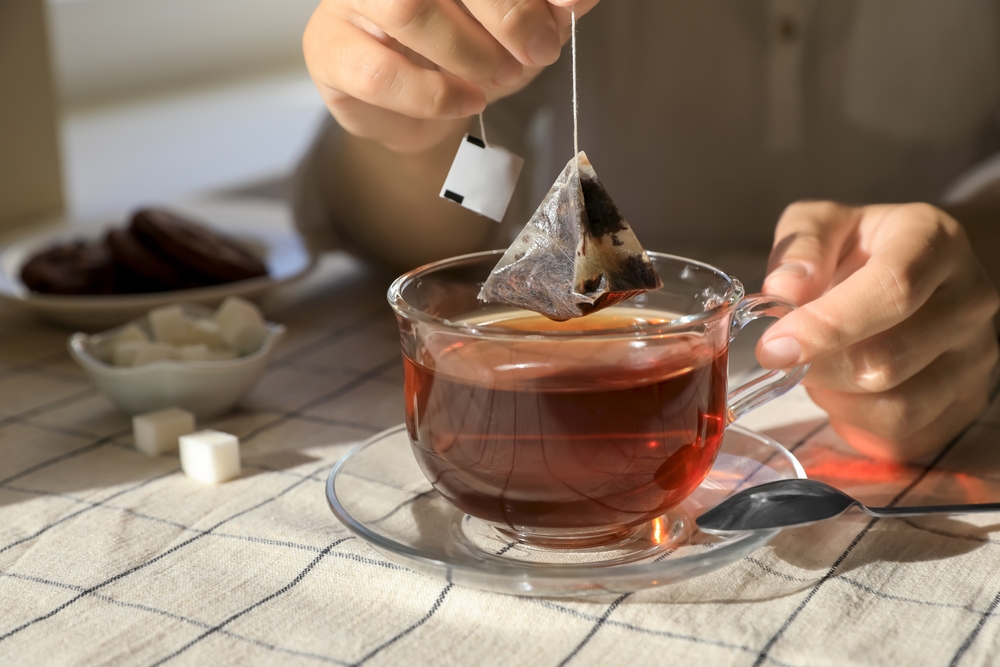
A kitchen cabinet stocked with a variety of herbal teas or a kettle permanently stationed on the stove often points to a resident who values cognitive maintenance. According to a 2019 study, the habitual consumption of tea is associated with better brain health and organized cognition, particularly in aging demographics. This suggests that the ritual of brewing tea is more than just a comforting habit; it is a lifestyle choice that actively supports long-term brain function.
While many associate tea primarily with relaxation, it also serves as a potent tool for focus and productivity. Research indicates that caffeine, when consumed responsibly, can effectively enhance mood, general alertness, and cognitive performance. For individuals with high intellect, a warm cup is often utilized strategically. It serves as a mechanism to regain concentration during sluggish moments or to provide a necessary energy boost when tackling complex mental tasks.
Therefore, a collection of tea blends is rarely just for flavor. It represents a routine designed to stimulate and protect the mind. Whether used as a soothing nightcap to aid rest or a midday stimulant to sharpen focus, the presence of these beverages highlights a subconscious or conscious effort to optimize mental performance through daily rituals.
10. Meaningful Artwork and Sentimental Decor
The walls of a highly intelligent person’s home are rarely bare or filled with generic prints. According to social psychologist Alexander Danvers, PhD, inhabiting a space filled with sentimental photographs and artwork can significantly boost creativity and emotional well-being. This goes beyond simple interior design choices; it reflects a need to engage with visual stimulants that provoke thought and evoke personal memory.
Dr. Danvers explains that engaging with art helps individuals process their internal states. He notes that using art to understand oneself more deeply may eliminate the need to suppress emotions while helping to reinterpret experiences. This process allows for the integration of these events into a cohesive understanding of identity. By surrounding themselves with meaningful imagery, these individuals create an external environment that mirrors and supports their internal emotional landscape.
For those with high IQs, hanging art is often a method of storytelling. It serves as a tangible tool to transform difficult life experiences into a visible narrative. Rather than just decoration, these pieces act as daily reminders of their personal journey, helping them to express themselves and maintain a strong sense of self amidst the chaos of daily life.
11. Cozy Spaces Meant for Conversation
According to a study published in The Lancet Healthy Longevity, individuals facing social isolation are at a markedly higher risk for cognitive decline. Consequently, those with high intelligence often place as much emphasis on their social connections as they do on their solitude. While independent study is a hallmark of intelligence, the maintenance of strong social bonds is equally critical for preserving mental acuity over time.
High IQ individuals typically prioritize meaningful interactions over superficial small talk. They tend to seek out conversations characterized by shared understanding, an exchange of values, or genuine vulnerability. To facilitate this, their homes frequently feature designated spaces designed to foster connection. This might manifest as a cozy corner equipped with comfortable seating or an open-concept living area that encourages fluid communication.
These physical spaces are not merely for hosting guests but serve a specific function in nurturing emotional and intellectual health. By creating an environment that feels safe and inviting, these individuals ensure they have a venue for the types of deep, restorative conversations that sustain their well-being. It is a practical approach to home design that acknowledges the vital role human connection plays in a healthy, intelligent mind.