
Your cart is currently empty!
Japanese Researchers Launch Tooth Regrowth Human Trials
For generations, losing a tooth as an adult has felt final. Once baby teeth fall out and permanent teeth settle in, the human body appears to shut the door on growing replacements. Cavities, accidents, illness, and age slowly chip away at something that never comes back, leaving millions of people reliant on artificial solutions.
Contents
show
That long accepted reality is now being challenged in a way few people ever imagined.
In Japan, scientists have officially begun human clinical trials for a drug designed to help adults regrow teeth naturally, using the same biological mechanisms that allow children to develop their first and second sets. What once sounded like science fiction is now entering hospital wards, clinical protocols, and carefully monitored trials. If the research continues to succeed, it could fundamentally change dentistry within a single generation and alter how people think about aging, loss, and repair.
Why Teeth Do Not Grow Back
Bones can heal themselves. Skin regenerates after injury. Even certain organs can repair limited damage. Teeth, however, are different. Once they form, they lose the ability to regenerate because the cells responsible for building them shut down after development ends.
This biological limitation has shaped modern dentistry for over a century. When teeth are lost, the solutions are mechanical rather than biological. Dentures attempt to replicate chewing and appearance but often feel foreign in the mouth and require frequent adjustments. Implants offer a more permanent option but involve surgery, long recovery periods, and high costs that put them out of reach for many patients. Bridges rely on neighboring teeth, sometimes weakening otherwise healthy structures to compensate for what is missing.
Beyond discomfort and expense, tooth loss has real consequences for overall health. Missing teeth affect speech, digestion, and nutrition. They are linked to jawbone loss, facial structure changes, and even increased risk of systemic conditions associated with inflammation. Despite these impacts, dentistry has long accepted tooth loss as irreversible.
That belief began to change when researchers discovered that the body still carries dormant instructions for making teeth. Those instructions are not erased after childhood. They are simply suppressed.
The Protein That Changed Everything
At the center of this breakthrough is a protein known as USAG-1. For years, researchers suspected that this protein played a role in shutting down tooth development after childhood, but its exact influence remained unclear. In 2007, Japanese scientists made a discovery that reshaped the field.
When they studied mice that lacked the USAG-1 gene, they observed something remarkable. The mice developed extra teeth, sometimes in unexpected locations along the jaw. This finding demonstrated that tooth number is not fixed by fate alone. It can be altered by manipulating a single molecular pathway.
USAG-1 acts as a biological brake. During normal development, it prevents additional tooth buds from forming once the body has produced its intended sets. This mechanism likely evolved to maintain balance in the jaw and prevent uncontrolled growth.
Rather than trying to engineer teeth artificially, researchers asked a more subtle question. What if the brake could be released carefully and temporarily. Instead of forcing new teeth into existence, the body could be allowed to do what it already knows how to do.
How the Tooth Regrowth Drug Works
The experimental drug, known as TRG035, is designed to neutralize USAG-1. It does not contain stem cells, artificial scaffolding, or replacement materials. Instead, it works by removing the signal that keeps tooth development switched off.
Humans naturally grow two sets of teeth. Baby teeth emerge in early childhood and eventually fall out, making room for permanent teeth. After this process is complete, the biological machinery responsible for creating teeth becomes dormant. TRG035 aims to reactivate that machinery.
By blocking USAG-1, dormant tooth buds may begin developing again. These buds follow the same biological processes that occur during childhood tooth formation, including interaction with surrounding bone, nerves, and blood vessels. Researchers believe this approach offers the best chance of producing fully functional teeth rather than partial or malformed structures.
The drug is administered intravenously, allowing it to circulate through the body and reach the tissues involved in tooth development. This delivery method also allows doctors to carefully control dosage and monitor how the drug behaves in the human system.
Years of Animal Research Behind the Scenes

While the idea of tooth regrowth may feel sudden to the public, it is the result of nearly two decades of research and experimentation.
Initial studies focused on mice, which are commonly used in genetic research due to their well understood biology. Scientists observed consistent tooth regeneration without major safety concerns, providing the first proof that targeting USAG-1 could work.
The research then expanded to animals with dental structures more similar to humans. Ferrets played a critical role because their tooth development patterns closely resemble those of people. When ferrets treated with the drug grew functional teeth, confidence in the approach increased significantly.
Dogs were next. Their size, lifespan, and dental complexity offered further insight into how the drug might behave in larger mammals. Once again, researchers observed successful tooth growth.
One key factor supporting human trials is the genetic consistency of USAG-1 across species. The protein shares an extremely high similarity between humans, mice, ferrets, and dogs. This suggested that the drug’s mechanism would likely translate safely to people.
Human Trials Officially Begin

Human clinical trials began in September 2024, marking a historic milestone in dental medicine.
The first phase involves 30 healthy adult men between the ages of 30 and 65 who are missing at least one molar. These participants are not being recruited to regrow a full smile immediately. The primary goal of Phase I is to evaluate safety.
Researchers are monitoring how the drug is absorbed, distributed, and eliminated from the body. They are also watching closely for any adverse effects, even minor ones. Dosage levels are introduced gradually and adjusted based on careful observation.
This cautious approach is standard for first-in-human trials, particularly when a therapy interacts with developmental pathways. Success at this stage does not mean guaranteed tooth regrowth yet. It means the foundation is being laid responsibly.
Why Children Are Central to the Research
One of the most profound implications of the drug involves children born with congenital tooth conditions.
Congenital edentulism and related disorders can result in children missing six or more teeth from birth. These conditions affect jaw development, nutrition, speech, and social confidence. Traditional dental treatments are limited because implants and dentures are difficult to use in bodies that are still growing.
For these children, the inability to chew properly can lead to dietary restrictions and long term health consequences. Jawbones that lack teeth often fail to develop normally, leading to facial asymmetry and additional medical complications.
After safety is confirmed in adults, researchers plan to expand trials to children aged 2 to 7 who were born with multiple missing teeth. For these patients, tooth regeneration could provide a biological solution rather than a lifetime of temporary fixes.
A Shift Away From Artificial Solutions
If tooth regrowth becomes widely available, it could dramatically reshape dental care.
Current treatments focus on replacing what is lost with artificial substitutes. While modern dentistry has made remarkable advances, these solutions are still workarounds. They do not restore the original biological structure.
Natural tooth regeneration offers several advantages. Regrown teeth are expected to integrate fully with the jawbone, nerves, and surrounding tissues. This could reduce infection risks, eliminate the need for repeated adjustments, and restore sensation that artificial replacements cannot provide.
For elderly patients, especially those experiencing oral frailty, regrown teeth could improve nutrition, digestion, and overall quality of life. The ability to eat comfortably has far reaching effects on physical and mental health.
Ethical and Safety Considerations
With any breakthrough that alters developmental biology, caution is essential.
Researchers are carefully evaluating whether reactivating tooth growth could affect other tissues or disrupt biological balance. Regulatory agencies are paying close attention to long term risks and unintended consequences.
Human trials are designed with transparency, informed consent, and extensive follow up. Expansion to children will only occur if safety is clearly established.
Why This Is Not an Overnight Miracle
Despite the excitement, researchers stress that tooth regrowth is not imminent for everyday dental clinics.
Clinical trials typically span many years. Phase I focuses on safety, Phase II on effectiveness, and Phase III on broader validation. Regulatory review, manufacturing standards, and clinical guidelines must follow.
Optimistic estimates suggest the drug could become available around 2030. That timeline reflects scientific discipline rather than delay.
What This Breakthrough Says About Medicine
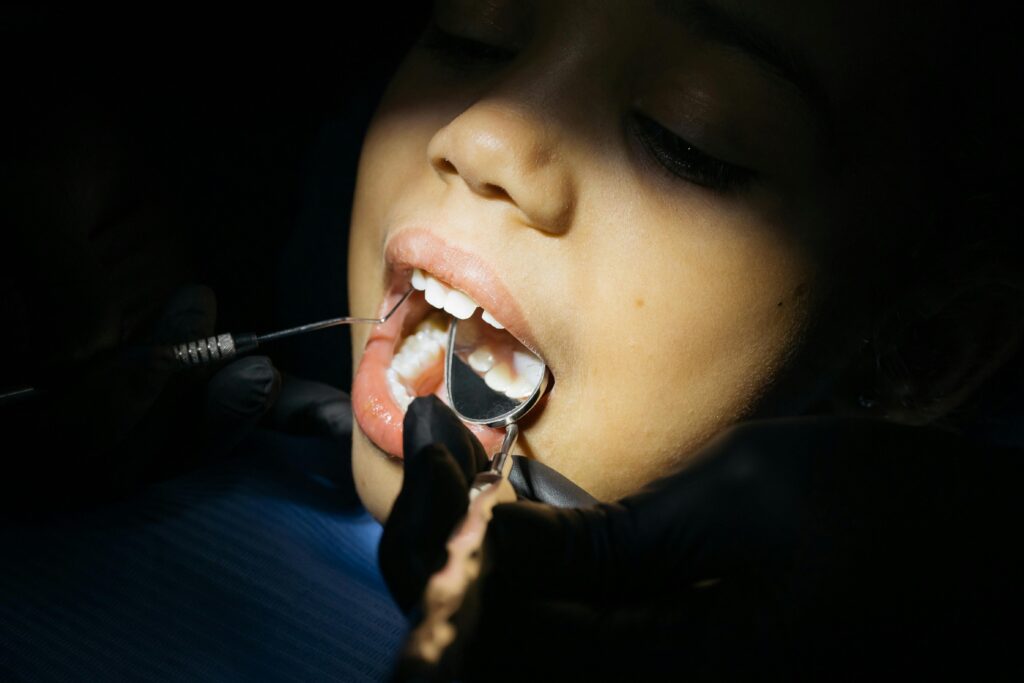
Beyond dentistry, this research reflects a broader shift in medicine toward regeneration rather than replacement.
From tissue engineering to organ repair, scientists are increasingly focused on activating the body’s own healing systems. Teeth were once considered untouchable in this regard. Their potential regeneration signals how far the field has progressed.
Public Reaction And Growing Hope
News of the trials has spread rapidly, sparking excitement, disbelief, and cautious optimism.
Many adults who have lived with missing teeth for decades are watching closely. Parents of children with congenital dental conditions see the possibility of a future that looks very different from their present.
At the same time, researchers emphasize patience. Breakthroughs are built on careful progress, not viral headlines alone.
The Road Ahead
The coming years will determine whether tooth regrowth becomes a widespread medical solution or remains a specialized treatment for certain conditions.
If successful, TRG035 could change how people think about aging, damage, and recovery. It challenges the idea that some losses are permanent.
A Future With Third Teeth
The idea of growing new teeth as an adult once belonged entirely to fantasy. Today, it belongs to clinical research.
Whether or not this drug fulfills its promise, it has already shifted expectations. It reminds us that the human body still holds untapped potential, and that limitations accepted today may become tomorrow’s breakthroughs.
If adults can one day regrow teeth like kids, it will not only change dentistry. It will change how we understand healing itself.