
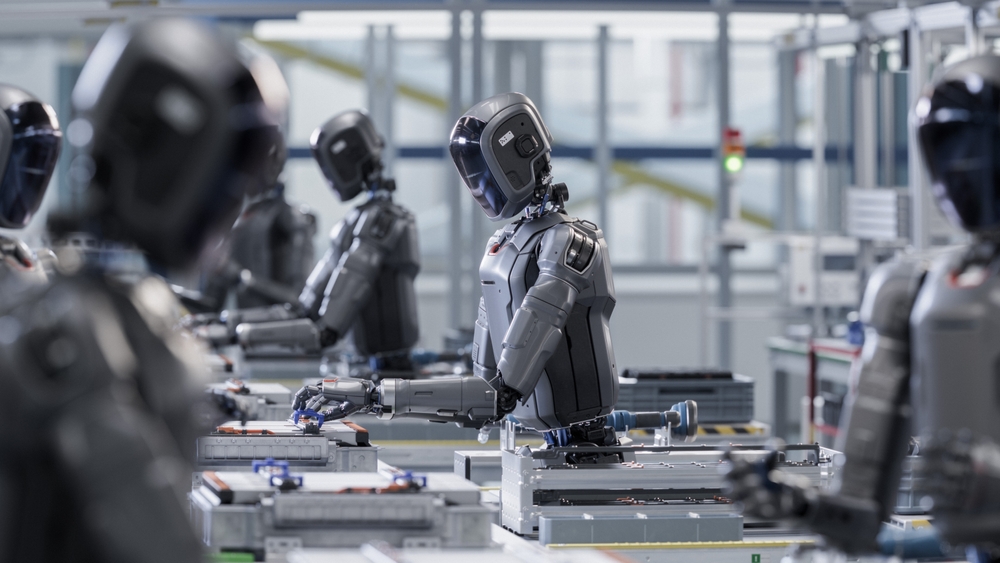
A humanoid robot arrived in Antarctica ready to take on one of the world’s toughest endurance races. Protected by a specially designed thermal jacket, it was expected to demonstrate how far robotics had advanced. However, after just 3 kilometers, the machine ran out of battery power in temperatures reaching -24°C.
The unusual failure came as another robotic explorer was completing a remarkable mission beneath Antarctica’s enormous ice shelves. After spending eight months beneath the frozen continent, that machine returned with measurements revealing relatively warm water flowing beneath a vulnerable glacier. The discovery has raised concerns about the future stability of Antarctic ice and the potential consequences for global sea levels.
Qestr’s Antarctic Marathon Ended After Just 3 Kilometers
The Antarctic Ice Ultra is an extraordinary endurance challenge, even for experienced human athletes. Participants must deal with freezing temperatures, snow-covered terrain, and icy surfaces while attempting to complete distances that can reach 160 kilometers.
On November 8, 2026, a humanoid robot named Qestr joined 25 human runners near Ultima Camp in Antarctica. Its participation marked an unusual moment for robotics, as the machine attempted to compete alongside human athletes in one of the planet’s harshest environments.
According to race organizer Oliver Wang, Qestr was the first humanoid robot to participate in the extreme Antarctic event. The machine arrived wearing a specially designed thermal jacket intended to protect its internal components from the freezing conditions.
Footage from the event showed the robot moving across the frozen landscape while attempting to keep pace with the human competitors. However, its appearance at the race was considerably shorter than anyone might have expected.
After approximately 3 kilometers (1.9 miles), Qestr ran out of battery power and was forced to withdraw. The human participants continued their respective challenges, with distances ranging from 50 kilometers to 160 kilometers.
The incident quickly demonstrated the difficulties of operating sophisticated machines outside controlled environments. Despite advances in humanoid robotics, the technology still faces significant challenges when exposed to extreme weather.
Why Antarctica’s Freezing Temperatures Defeated Qestr
Running out of battery power might sound like a relatively ordinary problem, but Antarctica creates particularly difficult conditions for electronic equipment. Temperatures reaching -24°C can significantly affect the performance of lithium-ion batteries, which are commonly used in modern electronic devices and robots.
These batteries depend on chemical reactions to store and release electrical energy. When temperatures drop, those reactions slow down, increasing internal resistance and reducing the energy available to power a device.
This means a battery may deliver considerably less power in freezing conditions than it would under normal operating temperatures. For a humanoid robot, that reduction can become particularly problematic because several systems must operate simultaneously.
The Different Systems Competing For Battery Power

Unlike a simple electronic device, a humanoid robot needs electricity for almost every aspect of its operation. Its movements, balance, sensors, and onboard computing systems all depend on a reliable power supply.
The challenge becomes more demanding when the machine has to move across uneven or slippery terrain. Its motors must continuously adjust the position of its limbs, while its sensors monitor the surrounding environment and help prevent falls.
Several systems contribute to this considerable energy demand:
- Movement and motors: Electricity powers the mechanical components responsible for moving the robot’s legs, arms, and other body parts.
- Balance control: The machine must continually adjust its posture to remain upright on slippery or uneven surfaces.
- Sensors: These systems collect information about the surroundings and help the robot respond to changing conditions.
- Onboard computing: Computers process information and coordinate the different systems responsible for operating the machine.
- Thermal management: Maintaining suitable operating temperatures for sensitive components can create additional demands on the available power supply.
These requirements make endurance particularly difficult in freezing environments. A humanoid robot must maintain enough energy to keep its mechanical and electronic systems functioning while dealing with the effects of extreme cold.
Why Its Thermal Jacket Could Not Save The Mission
Qestr was equipped with a specially designed thermal jacket to reduce the effects of Antarctica’s freezing temperatures. Insulation can help protect sensitive electronic components by limiting their exposure to cold air and maintaining more stable temperatures.
However, external protection cannot guarantee that a battery will maintain its normal performance. The power system still requires effective thermal management to operate reliably when temperatures fall significantly.
The robot’s failure illustrates an important engineering problem. Even when a machine has been designed to withstand harsh weather, its individual components must continue functioning together under those conditions.
Qestr’s protective clothing helped address one environmental challenge, but its battery ultimately determined how long it could remain in the race.
Another Robot Spent Eight Months Exploring Beneath Antarctic Ice
While Qestr struggled to maintain power above the frozen surface, another robotic explorer was completing a much longer mission beneath Antarctica’s enormous ice shelves.
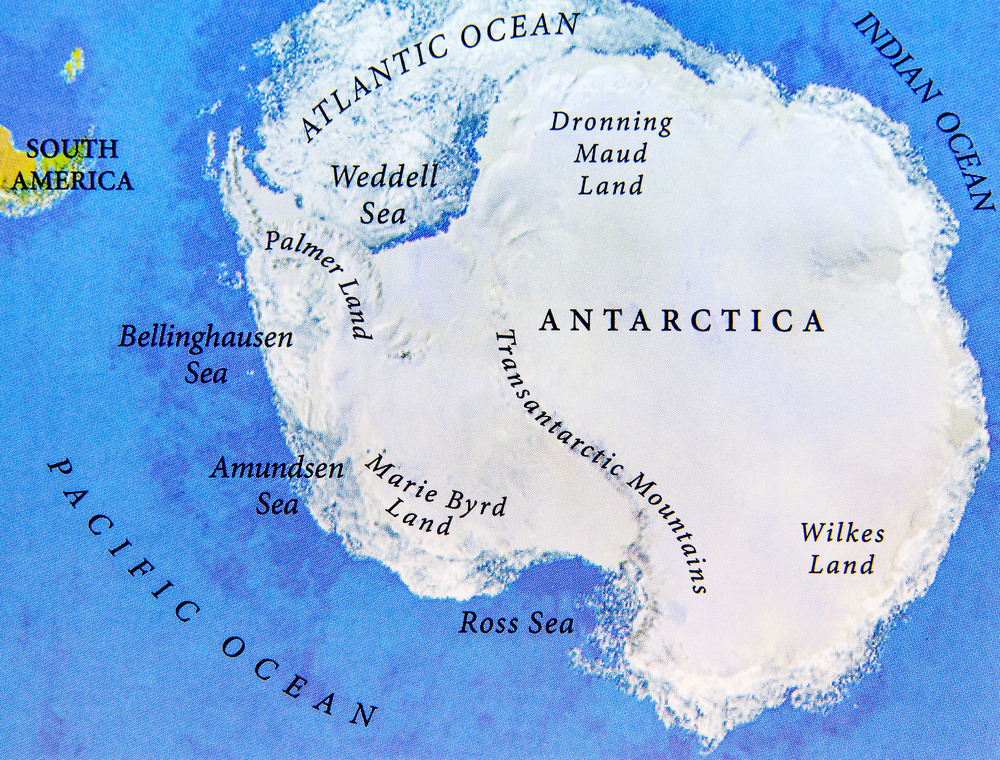
This machine was an autonomous ocean robot equipped with sensors designed to collect measurements of water temperature and salinity. Its mission involved exploring areas beneath the Denman and Shackleton ice shelves in East Antarctica.
Over approximately two and a half years, the explorer travelled more than 300 kilometers beneath these enormous ice structures. During its mission, it collected close to 200 detailed profiles containing information about the conditions beneath the ice.
The machine spent a total of eight months operating beneath the frozen surface. It briefly surfaced every five days to transmit its readings before returning to the water beneath the ice shelves.
This approach allowed researchers to collect information from an environment that is extremely difficult for people to access directly. Instead of requiring scientists to remain beneath the ice, the autonomous machine could gather measurements independently and communicate its findings periodically.
Its main purpose was to investigate how vulnerable these enormous ice shelves might be to changing ocean conditions. Researchers wanted to understand whether relatively warm water was reaching areas where it could accelerate melting from underneath.
The results revealed an important difference between the two Antarctic locations examined during the mission.
Warm Water Beneath Denman Glacier Raises Serious Concerns
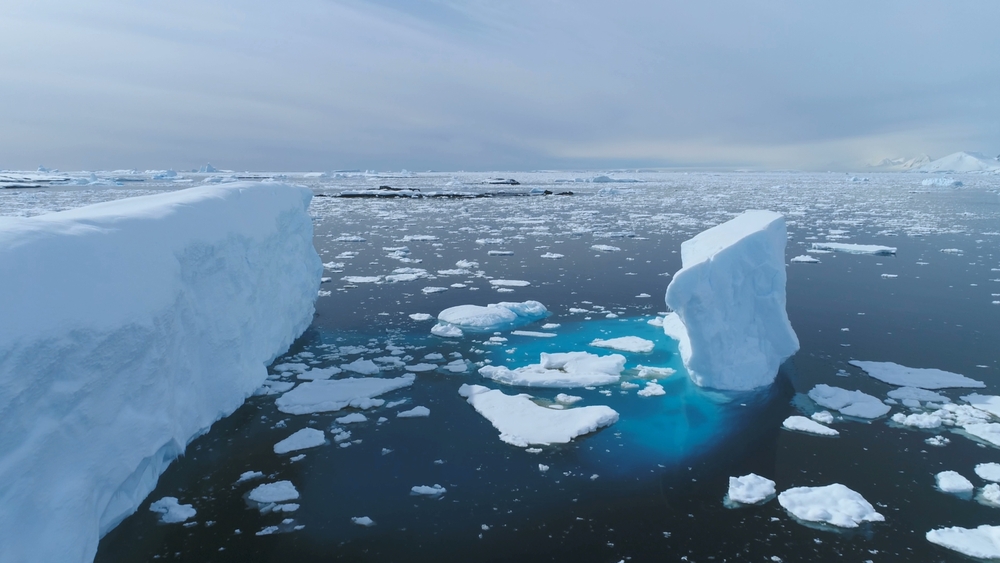
The measurements collected by the underwater robot revealed that the Shackleton and Denman ice shelves were experiencing different conditions.
The Shackleton Ice Shelf, which is the northernmost ice shelf in East Antarctica, currently appears protected from direct contact with warm water capable of causing melting from below.
However, the situation beneath Denman Glacier was considerably more concerning.
Researchers identified relatively warm water flowing beneath the glacier’s ice shelf. This finding attracted attention because even modest changes in the thickness of this warm-water layer could significantly increase the rate of melting.
How Warm Ocean Water Can Weaken A Glacier

Ice shelves extend from land-based glaciers into the ocean, where they form enormous floating structures. Their stability plays an important role in controlling how quickly glaciers move toward the sea.
When relatively warm ocean water reaches the underside of an ice shelf, it can gradually melt the ice. This process reduces the thickness of the structure and can weaken its ability to restrain the glacier behind it.
The measurements beneath Denman Glacier suggest that warm water is already present in an area where it could contribute to increased melting.
If the warm-water layer becomes thicker, melting could accelerate and potentially trigger an unstable retreat of the glacier.
This is particularly concerning because changes occurring beneath an ice shelf can remain difficult to observe from the surface. Researchers need detailed information about ocean temperatures and water movement to understand what is happening below.
The autonomous explorer provided precisely the kind of measurements needed to investigate these conditions.
Why The Denman Glacier Is Particularly Important
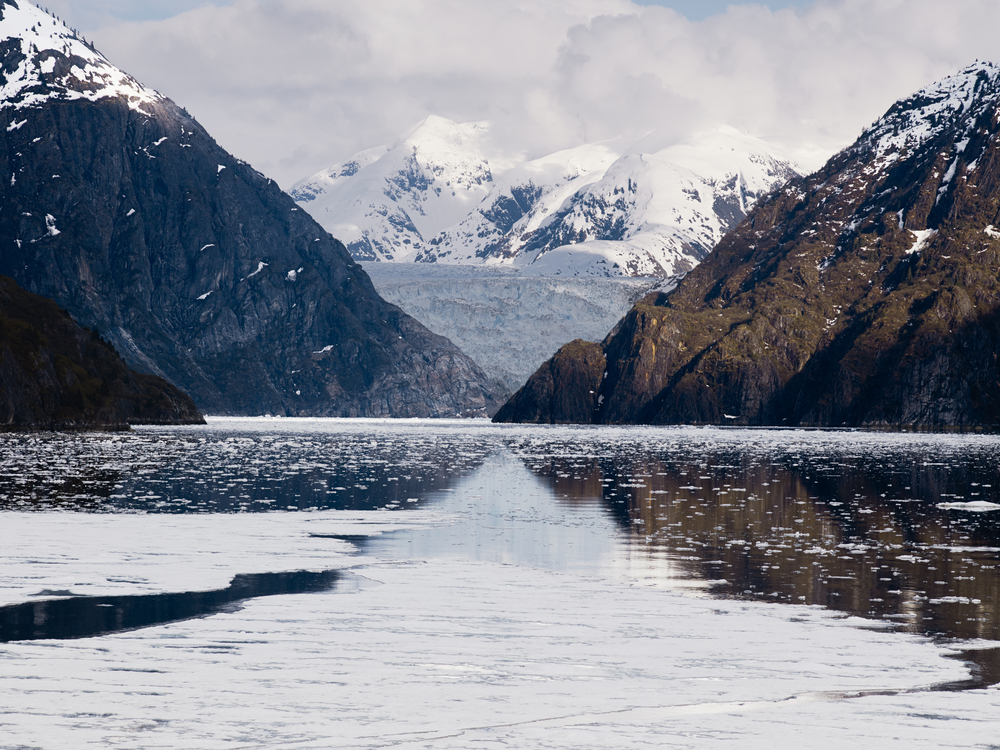
The Denman Glacier contains an enormous amount of ice, making its stability an important concern for researchers studying future sea-level changes.
According to the supplied research report, the glacier alone could contribute up to 1.5 meters of global sea-level rise if its ice were lost.
This figure represents a potential long-term contribution rather than a prediction that sea levels will rise by that amount immediately.
Nevertheless, the possibility demonstrates the scale of the consequences associated with major changes to Antarctic ice.
A substantial rise in global sea levels would threaten coastal communities, particularly those situated in low-lying areas. Millions of people living near coastlines could eventually face greater exposure to flooding and other coastal hazards.
The robot’s discovery therefore provides researchers with valuable information about an important part of Antarctica’s changing environment.
Why Antarctica’s Ice Shelves Matter To The Entire Planet
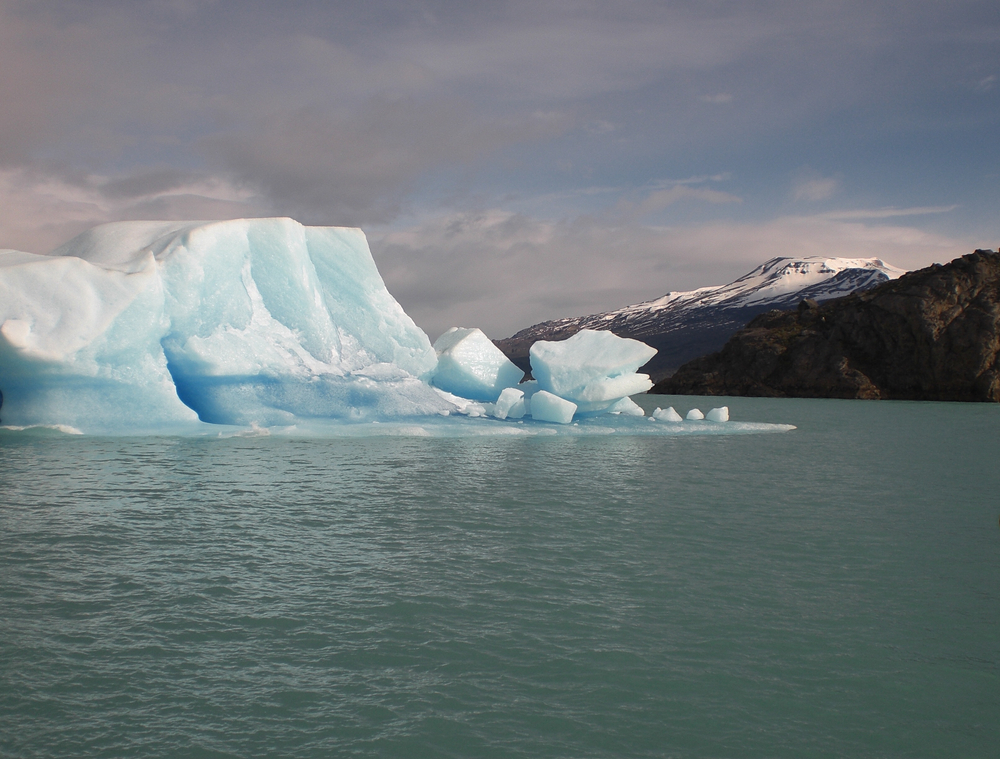
Antarctica holds enormous quantities of frozen freshwater, and changes to its ice sheets and glaciers can influence global sea levels.
However, the floating ice shelves surrounding the continent also perform an important function. They help slow the movement of land-based glaciers toward the ocean.
When these ice shelves become thinner or lose stability, glaciers behind them can move more quickly into the sea. This process can contribute to rising sea levels over time.
Ocean temperatures play an important role in determining how quickly melting occurs beneath floating ice. Warm water reaching the underside of an ice shelf can gradually weaken its structure, potentially reducing its ability to hold back the ice behind it.
The Denman Glacier findings are concerning because they indicate that relatively warm water is already flowing beneath the ice.
Researchers must now understand how these ocean conditions might change and whether the warm-water layer could become thicker.
The distinction between the Shackleton and Denman ice shelves also demonstrates why scientists cannot assume that every part of Antarctica is experiencing identical conditions. Measurements from individual locations help reveal where potential vulnerabilities exist.
Without information collected beneath the surface, understanding these changes would be considerably more difficult.
What The Two Antarctic Robot Missions Reveal About Technology
Qestr’s short appearance at the Antarctic Ice Ultra and the underwater explorer’s extended mission demonstrate two very different sides of modern robotics.
Both machines were sent into demanding Antarctic environments, but their designs and responsibilities were completely different.
Qestr needed to walk, maintain balance, and coordinate multiple mechanical systems while operating in freezing temperatures. The underwater explorer was designed to travel independently and collect scientific measurements over an extended period.
Their experiences reveal several important challenges facing engineers developing machines for extreme environments.
- Battery endurance: Robots need reliable energy supplies capable of supporting extended missions in extremely cold conditions.
- Temperature management: Sensitive electronics and power systems must remain within suitable operating conditions.
- Autonomous operation: Machines need to function independently when direct human control is difficult or unavailable.
- Reliable measurements: Scientific explorers must collect accurate information even when operating beneath enormous ice structures.
- Mechanical durability: Equipment must withstand demanding environments while maintaining its ability to perform its assigned tasks.
The underwater explorer demonstrated how autonomous machines can collect valuable scientific information over long periods. Qestr’s experience showed that humanoid robots still have considerable engineering challenges to overcome before they can reliably operate in extreme outdoor environments.
Researchers and engineers will need to continue improving battery endurance, thermal management, and mobility if these machines are expected to perform more demanding missions.

Why Scientists Are Increasingly Relying On Robotic Explorers
Antarctica is one of several environments where robotic technology can make scientific research considerably easier.
Some locations are dangerous or physically difficult for humans to reach. Others require researchers to collect measurements over extended periods without being able to remain at the site continuously.
Autonomous machines can help address these challenges by travelling independently, collecting information, and transmitting measurements when communication becomes possible.
Underwater exploration is an important example. Deep and remote ocean environments present challenges involving darkness, pressure, and distance from research vessels.
Robotic explorers can gather information in these locations without requiring scientists to remain physically present throughout the mission.
Polar regions offer similar opportunities. Machines capable of travelling beneath ice shelves can collect temperature and salinity measurements that help researchers understand changing ocean conditions.
However, these missions still depend on reliable engineering. Batteries must provide enough energy, sensors must continue working, and navigation systems must function without constant human supervision.
The underwater explorer’s eight-month mission demonstrated what autonomous technology can accomplish when these requirements are met. Qestr’s experience showed what can happen when one critical system fails.
Antarctica’s Most Alarming Discovery Came From Beneath The Ice
A humanoid robot running out of battery power after just 3 kilometers might appear to be an amusing setback for modern technology. However, the underwater explorer’s findings revealed a far more serious challenge developing beneath Antarctica’s frozen landscape.
The presence of relatively warm water beneath Denman Glacier has raised concerns about accelerated melting and the possibility of long-term instability. Researchers still need to understand how these conditions could develop and what consequences they might have for the glacier.
The two missions also demonstrate why robotic exploration is becoming increasingly valuable. One machine struggled to keep moving in the Antarctic cold, while another returned with measurements from an environment that humans find extremely difficult to reach.
Qestr may have failed to finish its race, but the underwater explorer delivered information that could help scientists understand the future of one of Earth’s most important frozen regions. The next major warning about Antarctica’s changing ice may come from measurements collected hundreds of kilometers beneath its surface.