
Your cart is currently empty!
Injured Hornbill Makes History After Scientists Rebuild His Broken Beak
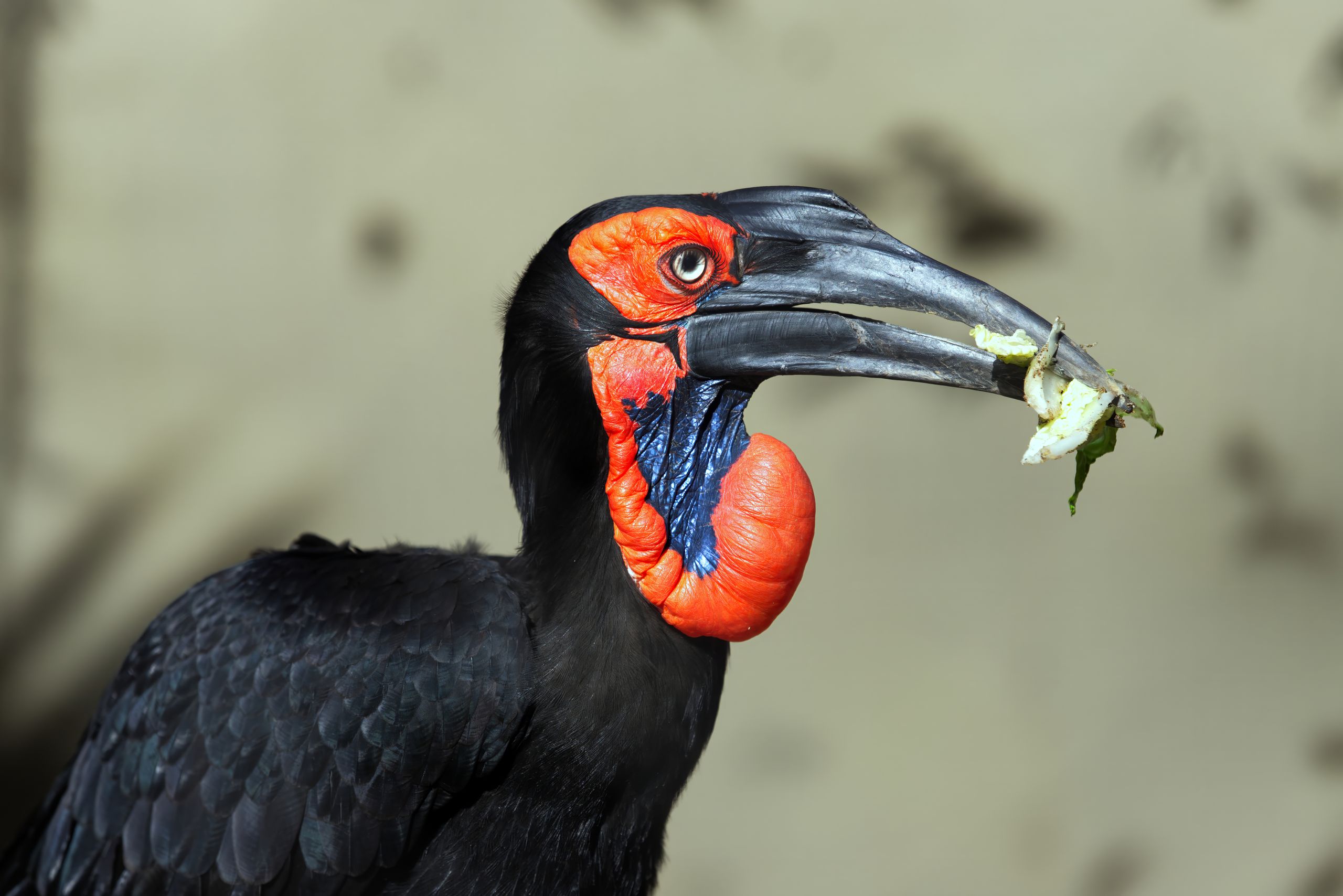
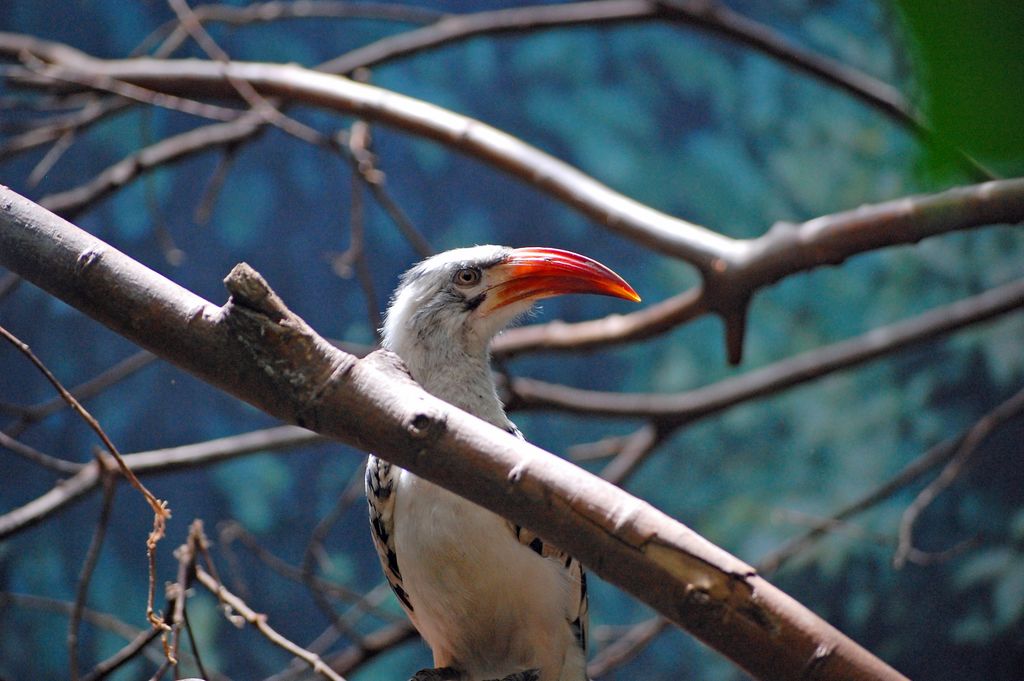
An injured bird at a zoo in Amsterdam has received an extraordinary second chance after veterinarians and researchers fitted him with two custom-made, 3D-printed beak prosthetics. The young southern ground hornbill had broken both the upper and lower parts of his natural beak, leaving him struggling with essential everyday activities.
Contents
show
The operation has already delivered encouraging results, with the bird beginning to use his artificial beak on the very same day. By the following morning, he was picking up mice from the ground again, marking an important step towards regaining his independence.
The Bird’s Injuries Were Affecting His Everyday Life
The southern ground hornbill lives at Artis Zoo in Amsterdam, one of the oldest zoos in the world. Founded in 1838, the institution partnered with Utrecht University to find a way to improve the young bird’s quality of life after his beak was badly damaged.
Although the hornbill had managed to survive before the operation, his injuries significantly restricted his behaviour. The damage affected his ability to feed himself and care for his feathers, making ordinary activities considerably more difficult.
A bird’s beak plays several essential roles throughout its life. It helps the animal grasp food, manipulate objects and maintain its plumage through preening, a process that keeps feathers in good condition.
For this hornbill, the damage meant he could no longer pick up certain pieces of food from the ground. His compromised beak also made looking after himself more difficult, raising concerns about how comfortably he could continue living with the injuries.
Artis Zoo explained the problem in a statement shared on Facebook, saying, “A bird that loses part of its beak loses much more than just a piece of its appearance.” The statement reflected the practical consequences of the injury and the team’s determination to find a workable solution.
The bird’s age also influenced the decision to attempt the procedure. Because southern ground hornbills can live for many years, the veterinary team believed restoring some of his lost abilities could improve his quality of life over a substantial period.
Scientists Designed Two Prosthetics For His Damaged Beak
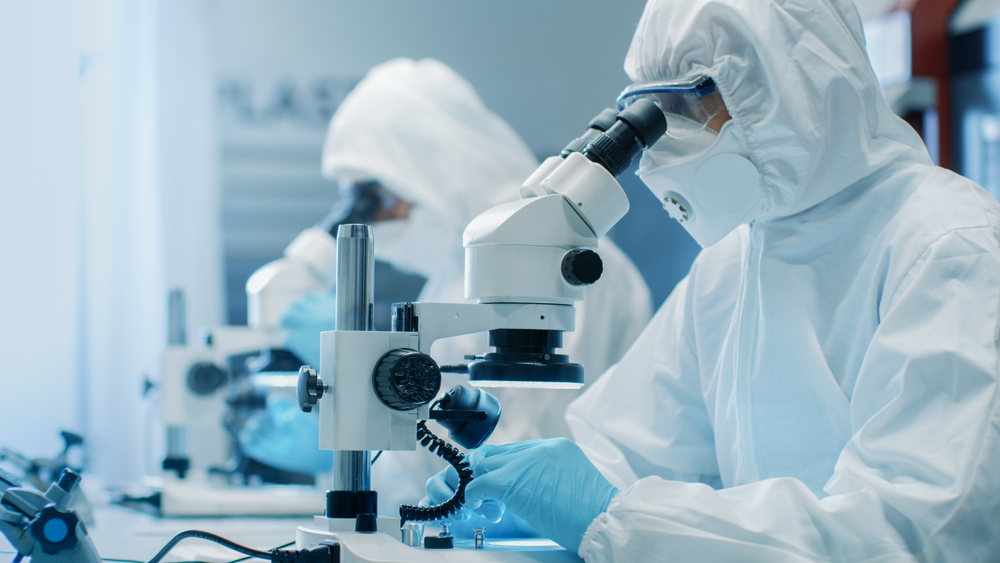
Replacing a damaged beak requires more than creating an artificial structure that resembles the original. The replacement must fit the remaining natural tissue and allow the bird to perform the activities needed to feed and care for himself.
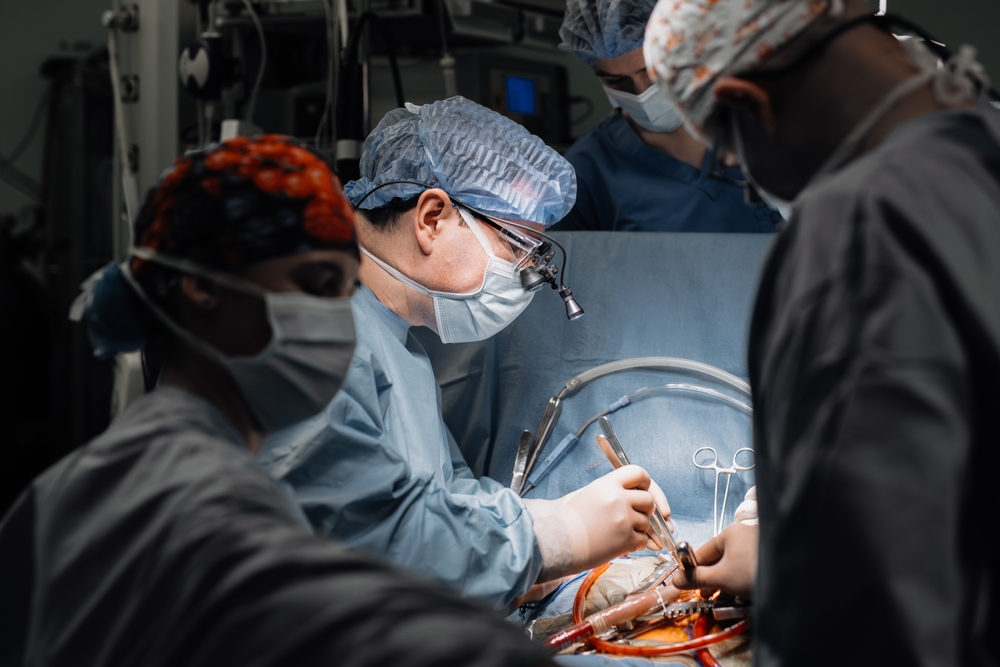
For this operation, Artis Zoo worked with Utrecht University’s Veterinary Medicine department, alongside UMC Utrecht and Amnovis. The collaboration brought together veterinary expertise and specialist manufacturing technology to create a solution tailored to the individual bird.
The researchers used a CT scan of the hornbill’s head to help develop the design. They also worked with the remaining portions of his original beak, including preserved broken sections, to reconstruct the missing structures as accurately as possible.
The information helped the team produce two custom-made artificial replacements. Plastic and titanium elements were incorporated into the prosthetic design, and the artificial components were secured with screws during the operation.
The use of imaging and the bird’s original beak fragments allowed the researchers to develop replacements suited to his particular injuries. Rather than attempting to fit a standard artificial beak, they could account for the shape of his head and the remaining natural structures.
According to Artis Zoo, other birds have previously received artificial beaks. However, the team described this case as the first known instance in which both the upper and lower portions of a bird’s beak were restored using two prosthetics.
That distinction made the procedure particularly noteworthy. The researchers had to address damage affecting both sides of a structure that works together during feeding and other everyday activities.
The Hornbill Started Eating Again On Surgery Day
Before the operation, the veterinary team had concerns about how the bird would respond to his artificial beak. Even if the replacements fitted correctly, there was no guarantee that he would immediately accept their altered shape and additional weight.
The plastic prosthetics also presented a challenge because the artificial material would not provide sensation in the same way as living tissue. The researchers needed to consider whether the unfamiliar structure might make the bird uncomfortable or interfere with his willingness to eat.
Artis Zoo explained that the team’s biggest concern was the possibility of the hornbill becoming so distressed that he stopped eating. To prepare for that possibility, the veterinarians had a backup plan that would allow the prosthetics to be removed if necessary.
Fortunately, the initial outcome was encouraging. The hornbill began using his new beak on the same day as the operation, giving the team an early indication that he could adapt to the replacements.
His First Successful Attempts Came Quickly
By the following morning, the hornbill was already picking up a mouse from the ground. Artis Zoo reported that he was eating independently with his new beak that same day, suggesting the replacements were allowing him to perform an essential activity that his injuries had made difficult.
The early progress was particularly encouraging because the team had prepared for the possibility that he might struggle to adjust. Although he still needed time to become accustomed to the prosthetics, he appeared comfortable using them shortly after surgery.
The zoo’s account indicated that the bird had to adapt to both the shape and the extra weight of his new beak. Nevertheless, his return to independent feeding offered a positive early sign that the procedure was helping him regain some of his previous abilities.
The Veterinary Team Has Prepared For Complications
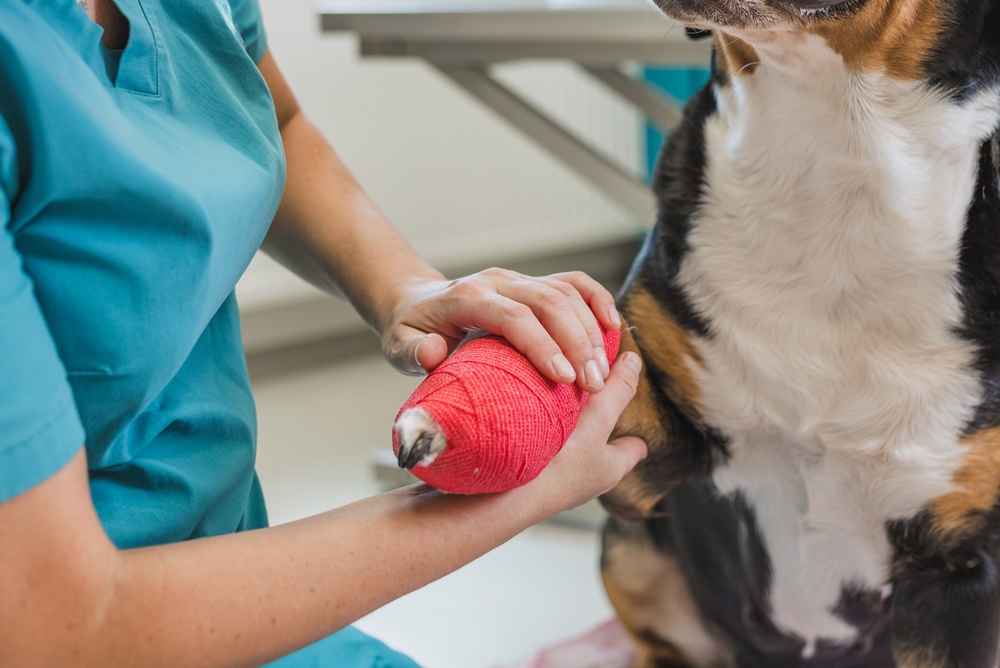
The initial recovery does not mean the prosthetics will necessarily remain problem-free. Artificial components can become damaged, and the team must continue observing how the bird uses them during normal activities.
Artis Zoo has arranged for spare parts to be manufactured so damaged components can be replaced if needed. The screws securing the prosthetics also mean the artificial sections can be removed if complications make that necessary.
The team is monitoring the hornbill’s behaviour as he becomes more familiar with the replacements. Continued observation will help determine whether he maintains his progress and whether the artificial beak affects other aspects of his daily routine.
Why A Functional Beak Makes Such A Difference
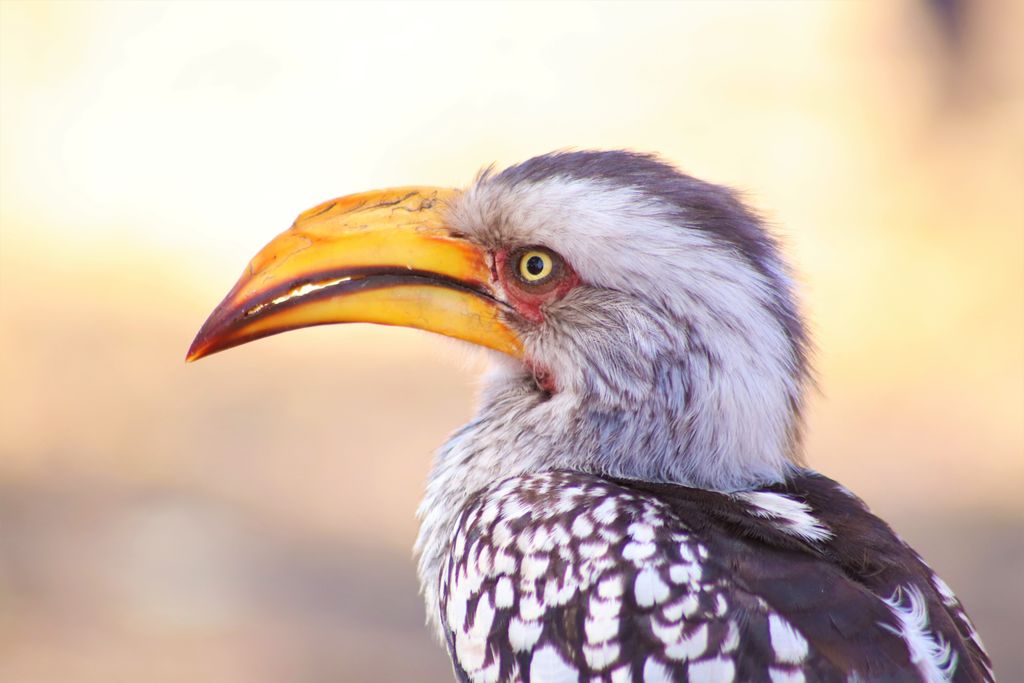
A bird’s beak is central to many activities that support its daily life. Depending on the task, it can be used to grasp food, manipulate objects and help maintain feathers through preening.
The southern ground hornbill is a large bird that spends time on the ground, making the ability to pick up food particularly relevant to this case. When the upper and lower parts of its beak are damaged, performing such tasks can become more difficult.
The Amsterdam hornbill’s injuries affected both sections of the structure. Replacing only one part would not have addressed the full extent of the damage described by the zoo, which is why the team developed two separate prosthetics.
The replacements were designed to help the bird recover practical abilities rather than simply change his appearance. His early return to feeding provides evidence that the artificial structures are already helping with at least one important daily activity.
Preening is another area the team has reason to watch. Because the hornbill previously struggled to care for himself, researchers will be interested in whether he becomes better able to maintain his feathers as he adjusts to the new beak.
The zoo is also observing how the hornbill interacts with his female partner. A functional beak can play a role in mutual interactions and caring for offspring, so the team hopes the procedure may support more of the pair’s normal behaviour over time.
However, the long-term effects remain uncertain. The researchers will need to observe the bird before drawing conclusions about how extensively the prosthetics restore his abilities or whether they influence the pair’s future breeding prospects.
A Brazilian Toucan Also Received A 3D-Printed Beak
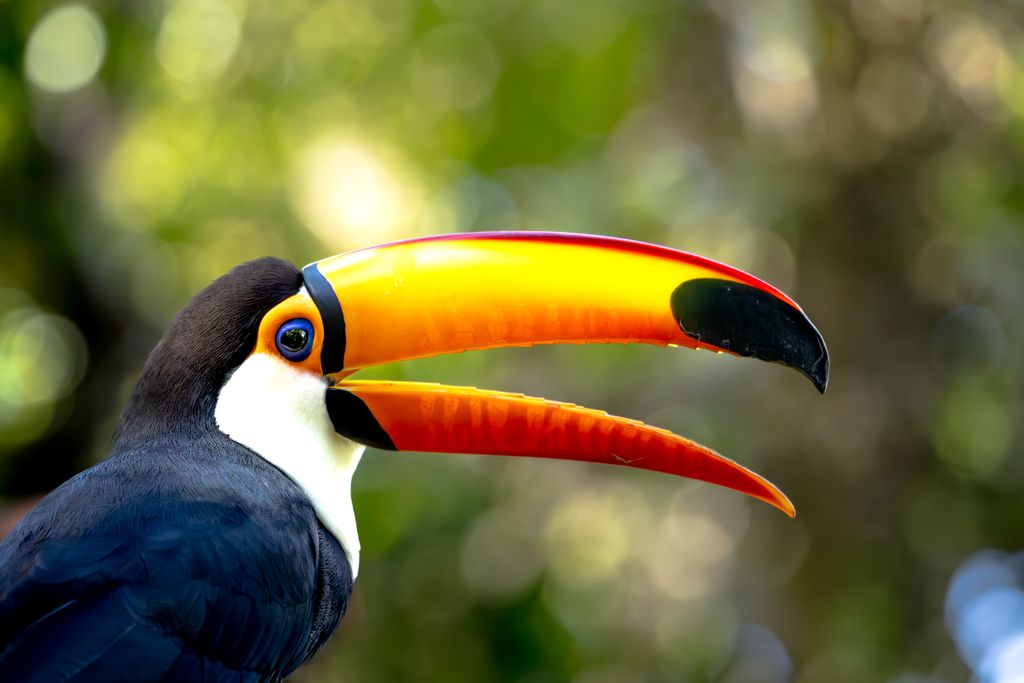
The Amsterdam hornbill is not the only bird to have benefited from a custom-made artificial beak. An earlier case involving a Brazilian toucan named Tieta demonstrated how similar technology can help an injured bird regain important feeding abilities.
Tieta was rescued from a wildlife animal fair in Rio de Janeiro after losing the upper part of her beak. She was reportedly malnourished when she was found, and her injury had left her struggling to obtain food independently.
According to the original account, the circumstances surrounding her injury were unclear. She may have been harmed by animal traffickers or injured during a fight with a larger toucan while confined inside a small box.
The damage made feeding a difficult task. Tieta reportedly used the remaining lower portion of her beak to throw food into the air before attempting to catch it, succeeding only about once in every three attempts.
Wildlife officials and specialists worked to find a way to improve her condition. The project involved Brazil’s wildlife control agency Ibama and Instituto Vida Livre, with a prosthetic developed to replace the missing upper portion of her beak.
Researchers Had To Balance Strength And Weight
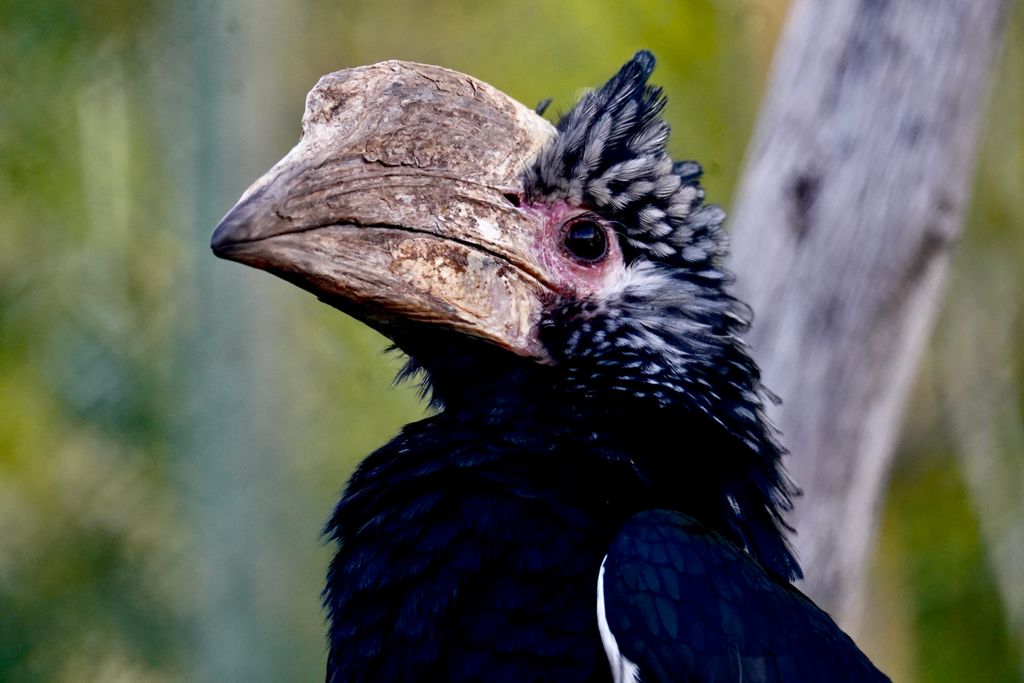
Designer Gustavo Cleinman from Rio de Janeiro’s Federal University worked on the artificial beak. According to the report, the team used the beak of a dead animal as a model and adapted the design to more closely resemble Tieta’s original structure.
The researchers spent three months designing the prosthetic, while the 3D printer needed approximately two hours to produce it. The finished replacement measured four centimetres in length and weighed around four grams.
Creating a structure that was both lightweight and resilient presented a central challenge. The replacement needed to support everyday feeding activities without adding unnecessary weight to an already injured bird.
Tieta received her prosthetic on July 27, although the original report did not specify the year in the supplied text. Her adjustment also showed that a successful operation does not necessarily mean an animal will immediately use every part of its replacement.
Live Food Helped Tieta Adjust
Instituto Vida Livre director Roched Seba explained that Tieta initially ignored the new beak when the team offered her fruit. However, when she was given live animals such as maggots and cockroaches, she began eating normally.
Seba suggested that the food might have reminded her of what she ate before losing her beak. The account described how the bird’s response to familiar food appeared to help her use the prosthetic more effectively.
The replacement also helped Tieta access glands on her body that support the waterproofing of her feathers. It was expected to improve her ability to eat independently and potentially help her feed chicks if she reproduced in the future.
However, the prosthetic did not mean she could return to the wild. Wildlife officials said she would still be unable to live independently, even in captivity, and wanted to place her in an educational zoo where her story could raise awareness about animal trafficking.
What Makes The Hornbill’s Operation Different
The hornbill and Tieta both received custom-made prosthetics designed to compensate for serious beak injuries. Their cases demonstrate how 3D printing can be adapted to individual animals rather than relying on a single replacement design.
However, the Amsterdam operation presented a particular challenge because both the upper and lower portions of the hornbill’s beak needed replacing. The team also had to consider how the two artificial sections would work together during feeding and other activities.
Several details distinguish the hornbill’s procedure:
- Two artificial sections: The team created replacements for both the upper and lower portions of the damaged beak.
- Individualised measurements: CT imaging and preserved fragments of the original beak helped guide the prosthetics’ design.
- Secure attachment: Screws were used to attach the artificial structures, with removal remaining possible if complications arose.
- Early feeding progress: The hornbill began using his new beak on the day of surgery and was picking up mice by the following morning.
- Ongoing veterinary observation: The zoo is monitoring the bird’s behaviour and has spare components available should repairs become necessary.
These details illustrate the planning required to produce a replacement that can function in an animal’s everyday life. Printing the artificial parts was only one stage of the process, with fitting, attachment and post-operative monitoring also playing important roles.
The results from both birds also show that recovery can look different from one animal to another. The hornbill started using his prosthetics quickly, while Tieta needed a few days before she appeared to recognise the usefulness of her replacement.
Neither case establishes that every bird with a damaged beak could benefit from the same approach. The extent of an injury, the remaining natural structure and the animal’s ability to adapt are all relevant considerations for the veterinary team.
The Zoo Hopes The Hornbill Can Regain More Of His Normal Behaviour
Artis Zoo is continuing to monitor the hornbill as he adjusts to his new beak. Researchers want to understand whether his feeding, preening and other behaviours change as he becomes more comfortable using the artificial structures.
His relationship with his female partner is another area of interest. The zoo has noted that a functioning beak can contribute to interactions between partners and the care of young, although the long-term effects of the prosthetics on their relationship remain unknown.
The possibility of future chicks is an additional reason the team is following his progress. A functional beak could help the bird participate in caring for offspring, but the zoo has not established whether the operation will lead to successful breeding.
The team has also prepared for the practical challenges that could emerge during recovery. Spare prosthetic parts are available, and the artificial sections can be removed if the veterinary team determines that they are causing problems.
For now, the most encouraging development is that the hornbill has returned to independent feeding after an injury that affected an essential part of his daily life. His case also provides researchers with an opportunity to study how a bird adapts when both sections of its beak have been replaced.
The coming months of observation will help establish how well the prosthetics hold up and whether the bird can maintain his progress. For the young hornbill, the immediate priority is straightforward: continuing to eat, care for himself and live comfortably with the artificial beak that has given him a second chance.