
Your cart is currently empty!
Inside the Tragic Death of the Worlds Oldest Tree
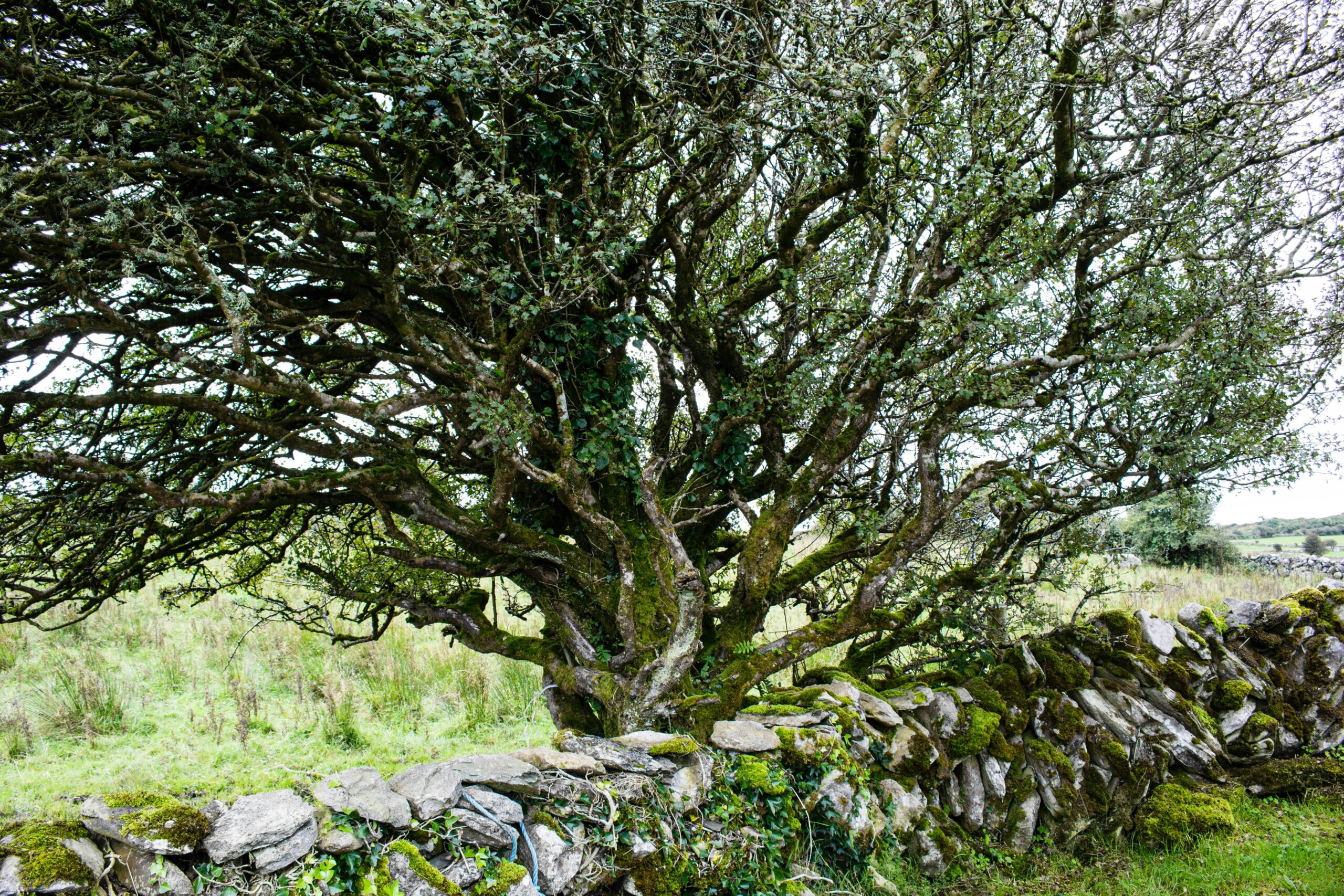
A twisted bristlecone pine stood high on a rocky Nevada mountainside for nearly 5,000 years. It was already ancient when the pyramids were built. It endured droughts, brutal winters, and the rise and fall of civilizations.
Contents
show
Then, in 1964, a graduate student arrived with scientific tools and a research question. Within days, the tree was gone.
The Tree Known As Prometheus
Long before it became the center of one of conservation’s most infamous stories, the tree known as Prometheus lived quietly on Wheeler Peak in eastern Nevada.
The Great Basin bristlecone pine was not especially tall. Compared to towering redwoods or giant sequoias, it looked almost unimpressive from a distance. Its trunk was twisted and scarred by centuries of wind and ice. Much of its wood appeared dead.
But bristlecone pines are unlike most trees.
They grow in some of the harshest environments in North America, often at elevations above 10,000 feet. The soil is rocky and thin. Water is limited. Temperatures swing violently between seasons.
Most species would collapse under those conditions.
Bristlecones adapted instead.
They grow slowly, producing dense wood that resists insects, fungi, and rot. Rather than pouring energy into rapid growth, the trees focus on survival. Over centuries, they can lose large portions of bark and branches while keeping a narrow strip alive.
That small surviving ribbon continues transporting water and nutrients through the tree.
Some bristlecones have lived for thousands of years because of this strategy.
Prometheus was one of them.
Local mountaineers already knew the tree before scientists fully understood its significance. The bristlecone grove near Wheeler Peak had become known for its haunting appearance. Trees looked frozen in time, sculpted by storms into shapes that resembled weathered statues.
Prometheus stood among them, carrying a silent record of nearly every major era in human civilization.
Why Scientists Became Fascinated With Bristlecones
By the mid-20th century, researchers had become increasingly interested in ancient trees.
Scientists studying climate history discovered that tree rings could reveal environmental conditions from the past. Wet years often created wider rings. Drought years left narrower ones.
This field, known as dendrochronology, became a powerful tool.
Researchers could compare ring patterns across different trees and reconstruct climate events stretching back thousands of years. Ancient forests suddenly became living archives.
Bristlecone pines were especially valuable because of their age.
One researcher who helped bring attention to the species was Edmund Schulman. In the 1950s, he studied ancient bristlecones in California’s White Mountains and found trees that were already older than almost anything previously recorded.
His work stunned the scientific community.
The idea that a living organism could survive for more than 4,000 years changed how people viewed forests and ecological time.
These trees were not just plants.
They were biological time capsules.
Scientists also used bristlecone samples to help calibrate radiocarbon dating, a method used to determine the age of ancient organic materials. The trees helped researchers create more accurate historical timelines.
At the time, however, conservation rules surrounding ancient trees were far looser than they are today.
Researchers often took core samples by drilling into trees to remove thin cylinders of wood. The process usually caused little damage.
Sometimes, entire trees were cut down for study.
Few people objected.
The broader public had not yet fully embraced environmental conservation in the way later generations would.
That mindset shaped the events that followed on Wheeler Peak.
Donald Currey’s Research Expedition
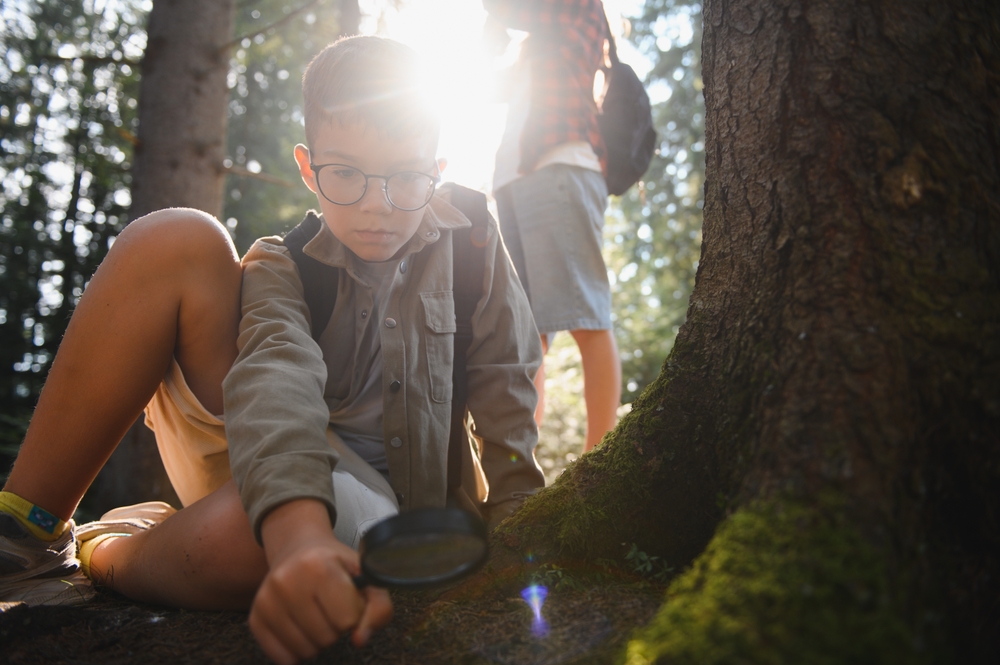
In the summer of 1964, a 30-year-old graduate student named Donald Rusk Currey arrived in Nevada.
Currey was studying geography at the University of North Carolina. He became interested in bristlecone pines after reading about their extraordinary ages and climate records.
He believed the trees could help him understand ancient glacial activity and climate shifts during the Little Ice Age.
Armed with an increment borer, Currey began sampling bristlecone pines around Wheeler Peak.
The tool worked by extracting narrow core samples from the trunk. Scientists could then count and analyze the rings without destroying the tree.
Prometheus quickly caught his attention.
The tree appeared unusually old. Its thick trunk and weathered form suggested it had survived for thousands of years.
Currey attempted to take core samples from it, but something went wrong.
Accounts differ.
One version claims the core drill became stuck inside the tree. Another says the available borers were too short to reach the center from multiple angles.
Currey later explained that traditional coring methods simply were not working.
Eventually, with permission from the United States Forest Service, the decision was made to cut the tree down.
At the time, no one involved understood exactly what they were destroying.
That detail matters.
Prometheus was not intentionally sacrificed as the world’s oldest tree. Researchers suspected it was ancient, but they did not realize just how ancient.
After the tree was felled, Currey collected cross-sections from the trunk and brought them back for analysis.
Then came the counting.
The Moment Scientists Realized What They Had Done
The ring count became an unfolding shock.
Currey reportedly sat with magnification tools, slowly tracing the dense growth rings through history.
The numbers kept climbing.
Four thousand years.
Then 4,500.
Then even higher.
By the end of the process, Prometheus was estimated to be around 4,900 years old.
Some analyses placed the confirmed count at 4,862 years, with researchers believing additional missing rings likely pushed the total closer to 4,900.
That made Prometheus the oldest known non-clonal tree ever recorded at the time.
The realization transformed an ordinary research project into one of science’s most haunting conservation stories.
Currey later admitted the moment was devastating.
“I knew it was a pretty old tree,” he told the San Francisco Chronicle decades later. “However, I didn’t know how old.”
The discovery triggered outrage among many environmentalists and scientists.
People struggled to comprehend that a living organism that had survived nearly five millennia had been cut down during a research project.
Prometheus had already been alive before Stonehenge was completed.
It survived the rise of ancient Egypt, the Roman Empire, medieval plagues, industrial revolutions, and world wars.
Then modern curiosity ended its life in a matter of minutes.
For many people, the emotional response went beyond environmental loss.
The tree became symbolic.
Humans had destroyed something almost impossible to replace.
How Bristlecone Pines Survive For Thousands Of Years
The story of Prometheus captured global attention partly because bristlecone pines seem almost supernatural.
Their survival mechanisms are remarkably effective.
Several traits help explain their extraordinary lifespans:
- They grow extremely slowly, which creates dense, durable wood.
- Their high-elevation habitats reduce exposure to insects and disease.
- Large portions of the tree can die while a narrow strip remains alive.
- Harsh weather limits competition from faster-growing species.
- Their resin-rich wood resists decay even after parts of the tree die.
Many bristlecones look half-dead to casual observers.
In reality, that appearance is often part of their survival strategy.
A tree may sacrifice entire sections during periods of drought or damage while preserving enough living tissue to continue functioning.
Researchers have described ancient bristlecones as “strip-bark” trees because living bark sometimes narrows to only a few inches.
Prometheus reportedly had just a small surviving section of living bark when it was cut down.
Yet that tiny lifeline could potentially have kept the tree alive for centuries more.
Scientists today believe some undiscovered bristlecones may still exceed Prometheus in age.
One famous living tree, known as Methuselah, is estimated to be more than 4,800 years old. Its exact location remains secret to protect it from vandalism and excessive tourism.
That secrecy reflects how dramatically attitudes changed after Prometheus.
The Fallout From Prometheus’ Death
The backlash following the tree’s destruction lingered for decades.
Donald Currey became permanently linked to the incident.
People often portrayed him as the scientist who killed the world’s oldest tree.
The reality was more complicated.
Currey had official permission from the Forest Service. At the time, environmental protections were weaker, and ancient bristlecones had not yet become internationally recognized conservation icons.
He also believed his work would help establish the scientific importance of the Wheeler Peak grove.
Ironically, he succeeded.
Prometheus’s death drew worldwide attention to bristlecone pines and helped spark stronger conservation efforts.
Still, the emotional weight followed Currey for the rest of his life.
In later years, he reportedly avoided discussing the incident publicly.
Some accounts describe him abruptly leaving interviews when the topic came up.
There was even folklore within parts of the bristlecone research community that Prometheus carried a curse.
One story claimed a Forest Service ranger suffered a fatal heart attack while attempting to move part of the tree after it was cut down.
Whether or not people believed those stories, the sense of tragedy remained powerful.
Prometheus became more than a tree.
It became a warning about scientific arrogance, human impatience, and the danger of treating ancient ecosystems as expendable.
The Environmental Lessons Hidden Inside The Story

The destruction of Prometheus happened during a period when environmental awareness was beginning to grow in the United States.
Rachel Carson’s Silent Spring had been published only two years earlier in 1962. Public concern about pollution, habitat destruction, and industrial damage was slowly increasing.
Prometheus entered that conversation at exactly the right moment.
The story forced people to think differently about old-growth ecosystems.
For decades, many forests had been viewed mainly as resources.
Trees were lumber.
Land was inventory.
Ancient groves were often cut without much public resistance.
Prometheus challenged that mindset.
The idea that a living organism older than recorded history could disappear because of a preventable decision felt deeply unsettling.
Environmental historians later argued that the incident helped strengthen support for greater protection in the Great Basin region.
In 1986, Great Basin National Park was officially established.
The park preserved Wheeler Peak, the surrounding bristlecone groves, and the fragile alpine ecosystem around them.
Today, visitors can still see a cross-section of Prometheus at the park’s visitor center.
The rings form an almost unbelievable visual timeline.
Each narrow line represents another year the tree survived harsh winters, lightning storms, drought cycles, and changing climates.
The slab also forces visitors to confront a difficult contradiction.
The scientific curiosity that helped humans understand climate history also destroyed one of the greatest climate records on Earth.
Ancient Trees And Climate Change

The story feels even more significant today because ancient trees have become critical to climate research.
Bristlecone pines helped scientists reconstruct long-term climate patterns that extend far beyond modern weather records.
Tree-ring studies contributed to broader climate science, including work connected to Michael Mann’s famous “hockey stick” graph, which illustrated rapid human-driven global warming.
Ancient trees provide researchers with evidence stretching back thousands of years.
They reveal drought cycles, volcanic cooling events, changing rainfall patterns, and temperature shifts.
In other words, they preserve environmental memory.
That memory matters more than ever.
Modern climate change is now threatening forests across the world through rising temperatures, prolonged droughts, insect outbreaks, and extreme wildfires.
Even resilient species like bristlecone pines face growing pressure.
Researchers have warned that warming conditions could alter the fragile high-elevation ecosystems where these trees survive.
Ironically, the same species that helped humans understand climate history may now become casualties of the climate crisis itself.
Some scientists remain cautiously optimistic because bristlecones have already endured dramatic environmental shifts over thousands of years.
Still, survival is never guaranteed.
The death of Prometheus showed how quickly something ancient can disappear.
Why People Still Obsess Over The Oldest Living Things
Part of the fascination surrounding Prometheus comes from humanity’s strange relationship with time.
People are naturally drawn to extremes.
The biggest animal.
The deepest canyon.
The oldest living organism.
Ancient trees create a rare sense of perspective.
A nearly 5,000-year-old bristlecone compresses human history into something tangible. Civilizations rise and collapse while the tree continues standing on a mountainside through snow and silence.
That scale can feel almost impossible to process.
Prometheus existed before written language spread across much of the world.
It was already ancient when many modern religions emerged.
The tree survived long enough to witness thousands of generations of human life.
Then one decision erased it.
That tension still unsettles people.
Some environmental writers have argued that Prometheus changed how society emotionally understood conservation.
The loss was not abstract.
People could imagine the years disappearing ring by ring.
Unlike statistics about deforestation or extinction rates, Prometheus felt personal.
The tree became a symbol of irreversible loss.
Visiting The Bristlecone Groves Today
The Wheeler Peak groves inside Great Basin National Park remain among the most remarkable landscapes in North America.
Visitors who hike into the high alpine terrain often describe the experience as eerie and almost timeless.
The trees grow far apart from one another, shaped by wind into contorted forms that look ancient even to people who know nothing about botany.
Many appear partially dead.
Silver wood twists around thin strips of bark carrying sparse clusters of green needles.
Some trunks resemble exposed bone.
Others look polished by centuries of storms.
The silence at those elevations adds to the atmosphere.
There are no dense forests overhead. No crowded tourist viewpoints.
Just isolated trees surviving in stone and sunlight.
Prometheus’ stump still exists in the Wheeler Peak grove, though many hikers pass it without realizing what they are seeing.
The larger cross-section displayed at the visitor center tells the story more clearly.
Standing in front of it creates a strange emotional reaction.
The slab looks enormous, yet it represents only a fragment of a living organism that once survived nearly 50 centuries.
Visitors often count the rings with their eyes, tracing backwards through human history.
The tree silently recorded everything.
Empires.
Famines.
Wars.
Industrialization.
Then, abruptly, the record ends.
A Tree That Changed Conservation Forever
Prometheus could have remained an anonymous bristlecone on a lonely Nevada ridge.
Instead, its death transformed it into one of the most famous trees in modern environmental history.
The irony is impossible to ignore.
The graduate student who cut down Prometheus wanted to prove the scientific importance of Nevada’s bristlecone pines.
He accomplished that goal more dramatically than anyone expected.
Today, ancient trees receive protections that barely existed in the early 1960s. Researchers use far more careful methods when studying rare ecosystems. Conservation laws have become stronger.
That progress emerged partly because people saw what happened to Prometheus and decided they never wanted to repeat it.
The tree itself is gone.
But its story still shapes how humans think about age, science, and the fragile living archives rooted in the natural world.
Somewhere in the White Mountains or another isolated ridge, there may still be an older bristlecone quietly growing against stone.
If there is, perhaps the greatest lesson from Prometheus is that not every ancient mystery needs to be cut open before we learn to value it.