
Your cart is currently empty!
Judge Orders Trump To Stop White House Ballroom Construction
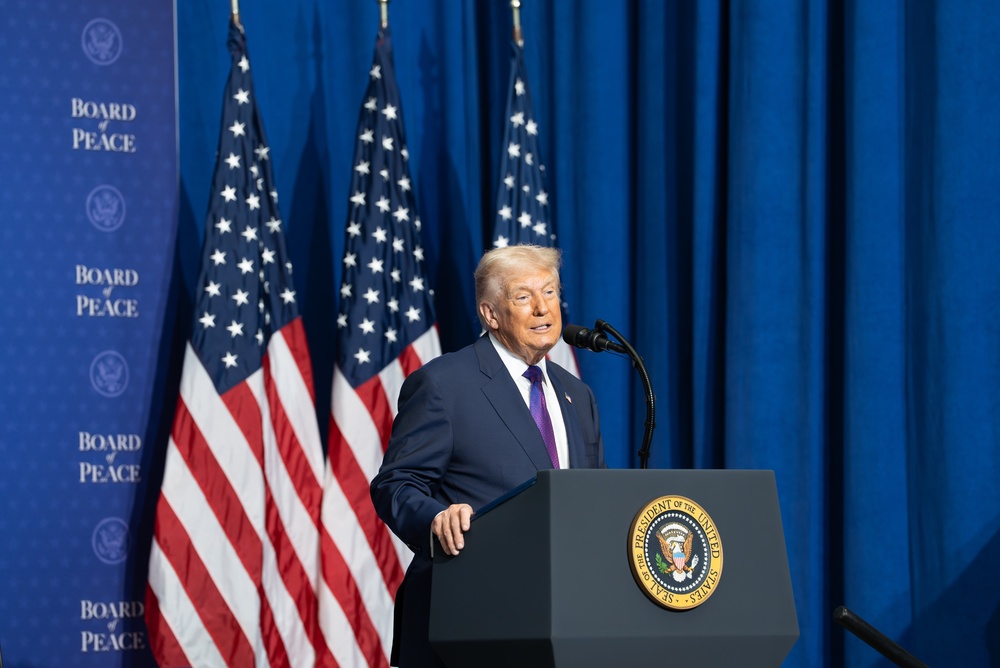
A federal judge has halted one of the most controversial construction plans tied to the White House in recent years, stopping further work on a proposed $400 million ballroom project that had already sparked intense debate across political, legal, and public circles. The ruling immediately shifted attention from architectural ambition to constitutional authority, raising deeper questions about who truly controls one of the most symbolic buildings in the United States. At the center of the decision was a clear and forceful reminder that even the president operates within limits when it comes to altering national property that represents more than just a residence.
Contents
show
The project itself had been positioned as a bold addition that would redefine how large-scale events could be hosted at the White House, but critics saw something very different unfolding. They viewed it as an overreach that blurred the line between public stewardship and personal legacy. That tension became impossible to ignore once the court stepped in, especially after the judge delivered a line that quickly captured national attention: “The President of the United States is the steward of the White House for future generations of First Families. He is not, however, the owner!” With that statement, the legal dispute transformed into a wider conversation about power, limits, and accountability.

A Judge Draws A Firm Legal Boundary
Judge Richard Leon made it clear that the administration could not continue with above-ground construction unless proper legal authorization was obtained. His ruling did not focus on design preferences or political disagreements, but instead on whether the law had been followed. He concluded that it had not, and that alone was enough to stop the project in its current form. The decision included a temporary delay to allow for appeal, but also carried a warning that any construction moving forward outside the ruling could be undone later.
The legal argument centered on how far presidential authority extends when it comes to modifying the White House. The administration had relied on existing law that allows for maintenance, repair, and alteration of the building. However, the court determined that those terms could not reasonably be stretched to justify demolishing an entire structure and replacing it with something significantly larger. That distinction became the foundation of the ruling and the reason construction was halted.
Leon also highlighted the potential consequences of accepting a broader interpretation of the law. He warned that if such reasoning were allowed, almost any major change could be justified under the label of improvement. In a pointed observation, he wrote, “Under defendants’ reading, virtually any change to the White House could be framed as an ‘alteration’ or ‘improvement.’” The concern was not just about this project, but about what it could allow in the future.
The Scale Of The Ballroom Sparked Concern
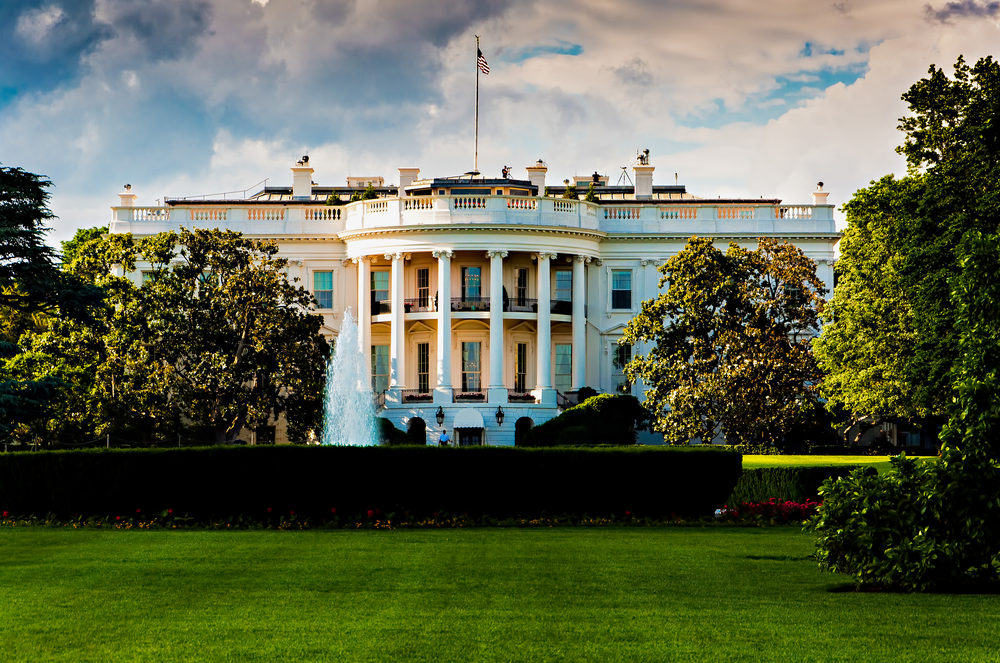
The proposed ballroom was not a minor addition tucked away from public view. It was described as an approximately 89,000 square foot structure, making it significantly larger than the White House’s main Executive Mansion, which stands at about 55,000 square feet. That size difference alone became a major talking point for critics who argued that the project would dramatically reshape the physical and symbolic balance of the property.
For supporters, the ballroom represented modernization and functionality. Large-scale events, state functions, and diplomatic gatherings often require space that the current White House layout struggles to accommodate. From that perspective, the project was framed as a practical upgrade that could serve future administrations for decades. The argument was that expanding capacity was not inherently inappropriate if it met evolving needs.
Opponents, however, viewed the scale as excessive and unnecessary. They questioned whether such a large structure aligned with the historical character of the White House and whether it reflected broader national interests. The contrast between the size of the proposed ballroom and the existing building reinforced the perception that this was not simply an update, but a transformation.
Trump’s Personal Role In The Project
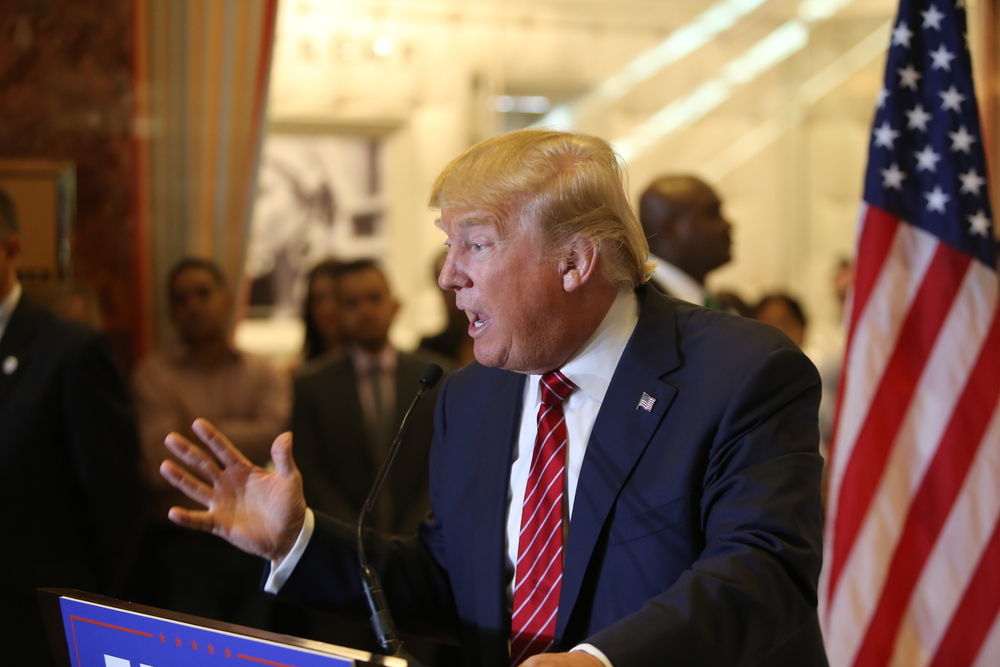
The project carried an added layer of attention because of how personally involved Donald Trump was in its development. Reports indicated that he took an active role in decisions ranging from layout planning to material choices. That level of involvement was consistent with his background in real estate and development, where hands-on control over design has often been a defining feature.
Speaking about the project, he emphasized its long-term importance despite the demands of his role. “I’m so busy that I don’t have time to do this, but – I’m fighting wars and other things, but this is very important, because this is going to be with us for a long time,” he said. The statement reflected how he viewed the ballroom as something lasting beyond his presidency, rather than a temporary initiative.
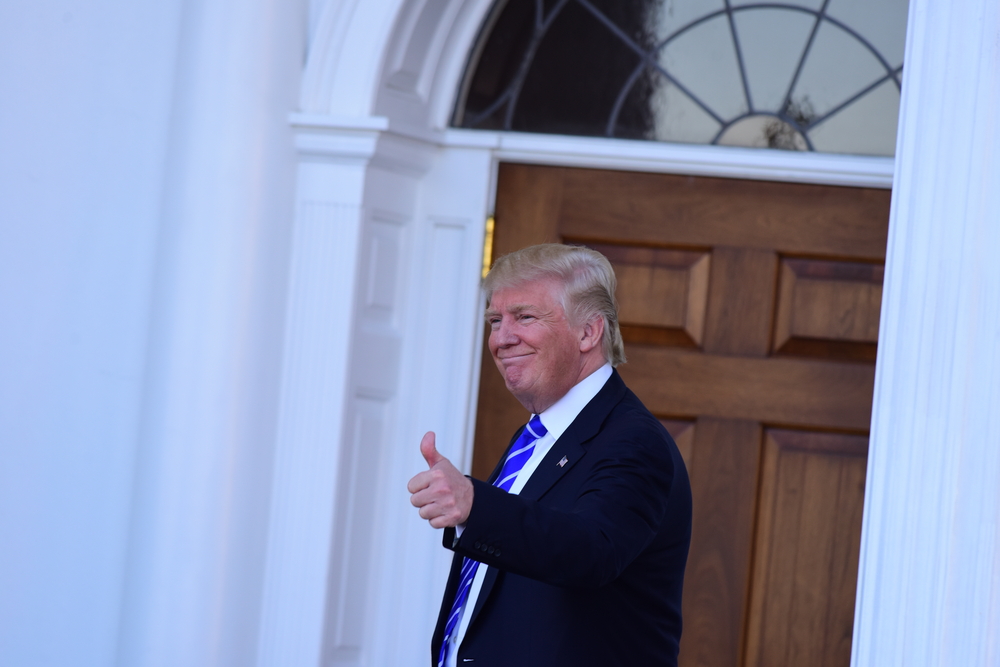
He also expressed confidence in the final result, adding, “I think it’ll be the greatest ballroom anywhere in the world.” For supporters, this kind of ambition signaled confidence and vision. For critics, it reinforced concerns that the project was driven more by personal branding than by institutional necessity.
Congress Emerges As The Key Decision Maker
A central theme in the ruling was that Congress has a decisive role to play in projects of this scale. The judge did not reject the idea of a ballroom outright, but instead stated that it must go through the proper legislative process. That point was repeated several times throughout the decision, making it clear that the issue was procedural as much as it was substantive.
Leon explained that approval from lawmakers would restore the balance intended by the Constitution. “(U)nless and until Congress blesses this project through statutory authorization, construction has to stop!” he wrote. The wording left little ambiguity about what needed to happen next if the project were to move forward legally.
He also pointed out that Congress has multiple ways to approach the issue, including authorizing private funding or allocating public funds. “Either way, Congress will thereby retain its authority over the nation’s property and its oversight over the Government’s spending,” he noted. This framing shifted the conversation from executive action to shared governance.
Preservation Groups Frame The Ruling As A Public Win
The legal challenge that led to the ruling was brought by the National Trust for Historic Preservation, a group focused on protecting historically significant sites. Their argument was rooted in the belief that the project moved forward without proper authorization and risked setting a precedent that could weaken protections for national landmarks.
Following the decision, the organization described the outcome as a positive step for public accountability. Its leadership emphasized that the ruling reinforces the principle that major changes to national symbols must follow established legal processes. The response reflected a broader concern about maintaining consistency in how historic properties are managed.
The case also gained support from lawmakers who argued that Congress should not be bypassed. One member of the House made the point directly, stating, “I think there’s no other way to read this; they have to come to Congress. I know they hate doing this, but we are not potted plants in the legislative.” That comment captured frustration over what some see as executive overreach.
A Larger Debate About Power And Public Space
Beyond the legal specifics, the ruling has prompted a wider conversation about how public institutions are treated by those in power. The White House is not just a residence or an office. It is a symbol that carries historical, cultural, and political meaning for the entire country. That status complicates any effort to significantly alter its structure.
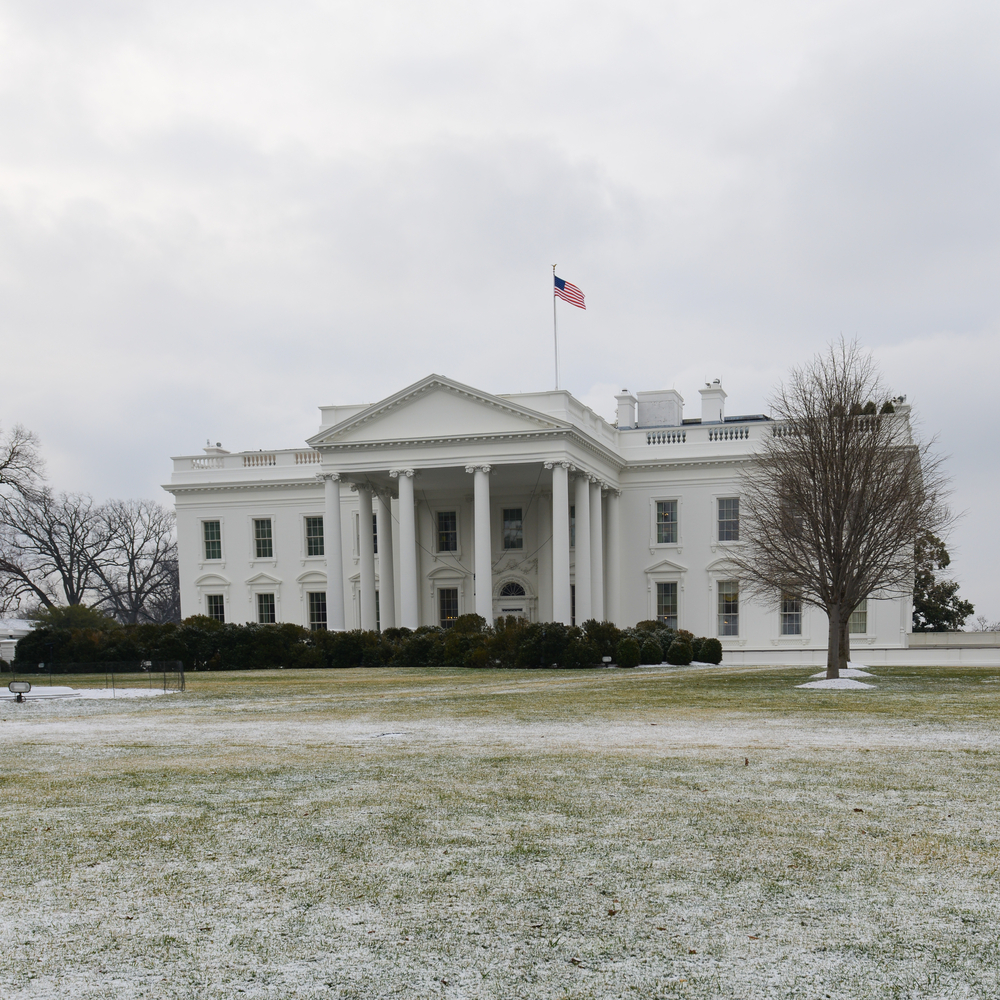
The debate highlights an ongoing tension between modernization and preservation. While change is inevitable over time, the process by which those changes occur remains critical. Decisions that affect national symbols tend to carry more weight because they reflect collective identity rather than individual preference.
This case underscores the importance of checks and balances in maintaining that balance. It demonstrates that even high-level initiatives can be challenged and reviewed when questions arise about legality or process. In that sense, the ruling is not just about one construction project, but about how authority is exercised.
Congress approval, courtroom ruling, Donald Trump, federal judge ruling, Historic Preservation, Jared Huffman, Judge Richard Leon, Mike Johnson, National Trust for Historic Preservation, Political News, Trump administration, Trump construction project, Trump legal battle, Trump White House ballroom, US Politics, White House ballroom construction, White House East Wing, White House expansion, White House news, White House renovation