
Your cart is currently empty!
The Surprising Aging Clue Researchers Found In Your Leg Muscles

Two identical sisters can share the same DNA, childhood and early environment, yet still age differently. Researchers found one surprisingly useful clue in the difference: how much explosive power their legs could produce.
Contents
show
The finding emerged from a long-running study of female twins and raised an intriguing possibility. A simple measurement of leg strength may reveal something about how the brain changes with age.
Researchers Put Identical Twins To The Test
In 1999, researchers studied 324 healthy female twins with an average age of 55. The women ranged from 43 to 73 and completed computer-based tests designed to measure memory and processing speed.
Researchers also measured each woman’s leg extensor power. The test recorded how forcefully and quickly she could push with her legs, producing a result measured in watts.
The twins made the research particularly interesting because identical sisters share much of their genetic background and early-life environment. Differences that appeared later in life could therefore offer clues that would be harder to spot in unrelated people.
Ten years later, the researchers tested the women again. This time, the physical measurement taken years earlier appeared to have a connection with how their thinking had changed.
The Stronger Twin Tended To Keep A Younger Mind

Greater leg power at the beginning of the study was associated with better cognitive outcomes over the following decade. The relationship remained after researchers adjusted for factors including age, illness and blood pressure.
The researchers described baseline leg power as the strongest and most consistent predictor of cognitive change among the lifestyle and health factors included in their analysis.
The numbers were especially striking when researchers compared differences in leg power. A 40-watt difference at the start of the study corresponded to roughly 3.3 years of cognitive age.
The researchers also noted that a 25-watt difference represented a clinically meaningful change in leg power. For women in this age range, that was roughly comparable to the amount of leg-power decline associated with a decade of ordinary aging.
Brain Scans Revealed Another Difference

The researchers later examined a smaller group of the twins using MRI scans. Twelve years after the original leg-power measurements, they studied 20 pairs whose physical abilities had diverged.
The weaker twins had lateral ventricles that were 26% larger than those of their stronger sisters. These fluid-filled spaces can become larger as surrounding brain tissue decreases, making ventricular size one measure researchers can use when examining brain structure.
Baseline leg power was also positively associated with total gray matter volume 12 years later. The result added a physical marker to the cognitive differences already observed.
Claire Steves, the study’s lead author, said, “It’s compelling to see such differences in cognition and brain structure in identical twins, who had different leg power ten years before.” She added that lifestyle changes that increase physical activity may help maintain both mental and physical health.
Why Researchers Keep Looking At Muscle Strength

Leg power measures more than the ability to produce force. Everyday movements such as standing from a chair, climbing stairs and recovering from a stumble require muscles and the nervous system to work together quickly.
Physical strength can also influence how active someone remains as they age. A person who finds everyday movement easier may be able to stay active, while declining physical function can make activity increasingly difficult.
Other research has found similar associations using grip strength. A UK Biobank analysis of 466,788 adults found that people in the weakest fifth for grip strength had a 72% higher risk of developing dementia than those in the strongest fifth.
The same analysis found an 87% higher risk of dying from dementia among people in the weakest fifth. A separate review of 15 longitudinal studies involving 27,588 people also linked poorer grip strength with higher risks of cognitive decline and dementia.
The Research Does Not Prove Strong Legs Prevent Dementia
There is an important limitation behind the headline. The twin study found an association between physical power and cognitive aging, but it did not prove that building stronger legs protects the brain.
The relationship could potentially run in the opposite direction. Early changes in brain health might cause someone to become less active, which could then lead to declining strength and physical performance.
The researchers also identified limits in their own study. All participants were women, they were generally better educated and somewhat healthier than the wider population, and the findings do not establish what happens at much older ages.
The authors also noted that observational research has repeatedly linked physical activity with healthier cognitive aging, while intervention trials have produced less consistent evidence.
That distinction is important because an association can reveal a useful warning sign without proving cause and effect.
A Resistance Training Trial Adds Another Piece
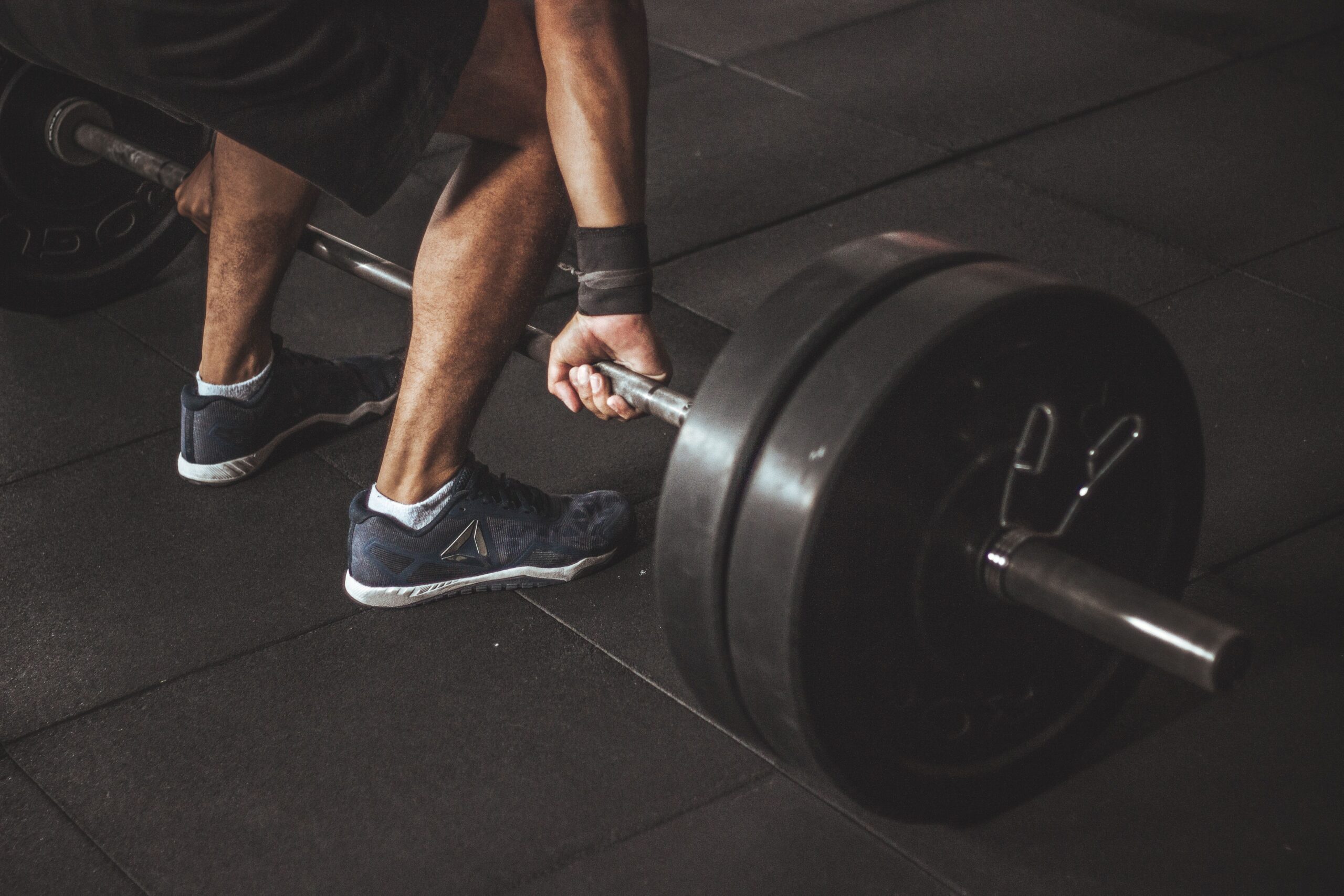
Another study offers a different kind of evidence because it involved an intervention rather than simply observing people.
The Study of Mental and Resistance Training followed 100 older adults with mild cognitive impairment. Participants were randomly assigned to six months of high-intensity progressive resistance training or a sham version of the program.
The resistance-training group improved on measures of global cognitive function. Researchers then examined which physical changes were associated with those improvements.
Gains in lower-body, upper-body and overall strength were associated with improvements in global cognition and executive function. Changes in aerobic capacity, however, were not associated with improvement on the cognitive measures.
The results still do not prove that strength training prevents dementia. They do, however, give researchers another reason to investigate the relationship between muscle strength and cognitive health.
What Strong Legs Can Tell Us About Aging
The biggest takeaway may have less to do with predicting dementia and more to do with maintaining physical function.
Lower-body strength becomes increasingly important as people age because ordinary movements depend on it. Getting out of a chair, climbing stairs and catching yourself after a stumble all require coordinated strength and balance.
Maintaining that physical ability can also help people remain active and independent. Even if future research shows that muscle strength is primarily a marker rather than a cause of healthier cognitive aging, preserving strength still has clear physical benefits.
The twin study simply adds an unexpected dimension to that picture. A difference in leg power that looked insignificant in 1999 was associated years later with differences in cognition and brain structure.
Researchers still need to determine whether improving leg strength can actually alter the course of cognitive aging. Until then, the evidence supports a straightforward idea: your brain and body age together, and your legs may reveal more about that process than anyone once expected.