
Your cart is currently empty!
Man Cuts Off His Own Finger After Snake Bite, Only to Learn the Snake Was Not Deadly

When 60-year-old farmer Zhang from Zhejiang province felt the unmistakable sting of a snakebite on his finger, he made a split‑second decision that would change his life forever. Convinced he had only moments before deadly venom overtook his body, he did something both shocking and brutally decisive: he chopped off his own finger. To him, it was the line between life and death.
Contents
show
But once he arrived at the hospital-exhausted, bleeding, and missing a digit-doctors delivered news that left everyone stunned: the dramatic amputation had been completely unnecessary. The snake, a locally feared “five-step snake,” was venomous, yes, but nowhere near as lethal as the folklore suggested. Zhang’s extreme reaction, while startling, reflects something deeper about fear, misinformation, and survival instinct-especially in rural communities where legends can outweigh science.
In many ways, Zhang’s story also shines a light on how individuals in remote regions often rely on instinct when proper guidance isn’t available. His split-second reaction stemmed not just from fear, but from a lifelong understanding shaped by survival stories, cultural beliefs, and the unpredictable realities of working in nature. This adds a layer of nuance to his decision-one that reminds us how important accessible education and healthcare resources remain.
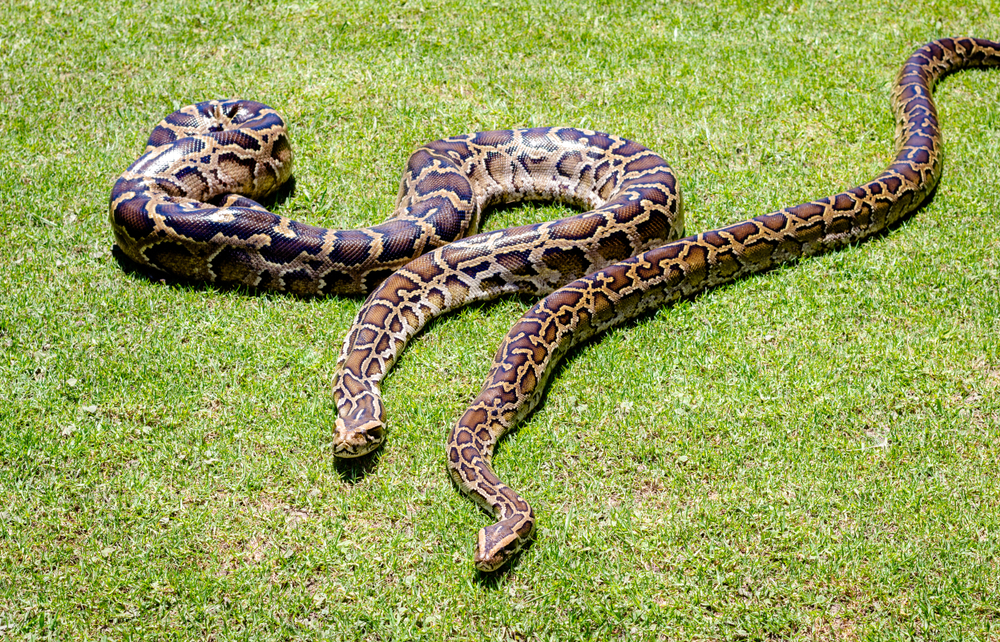
The Bite That Sparked a Drastic Decision
Zhang had been tending to work in the mountainous Shangyu district when he encountered the snake believed to be a “five-step snake,” a pit viper with a reputation that has survived generations. According to local lore, once bitten, a victim can walk just five steps before collapsing-an image scary enough to incite panic in anyone, let alone someone hours from advanced medical care. Feeling the sharp puncture and seeing the snake slither away, Zhang believed he had mere seconds to act. His mind raced through stories he had heard over the years, memories of neighbours harmed by venomous animals, and the distance he would need to travel for help.
In that moment, fear made the choice for him. With no immediate medical aid nearby and a belief that he was living on borrowed seconds, he severed the bitten finger to stop the supposed rapid spread of poison. It was a brutal, instinctive act performed not out of recklessness, but out of desperation and conviction-an attempt to survive an enemy he couldn’t see but fully believed was racing through his bloodstream. With his finger gone, he wrapped the wound tightly and began the long 80‑kilometre journey to Hangzhou, hoping he had made the right call.
What makes this moment even more striking is how it encapsulates the fragile intersection between instinct and misinformation. Zhang’s decision, though severe, emerged from a place of sincere belief and urgent fear-a mindset many individuals might also fall into under similar pressures. His reaction was not an act of recklessness, but a reflection of the survival strategies passed down through generations in rural communities.
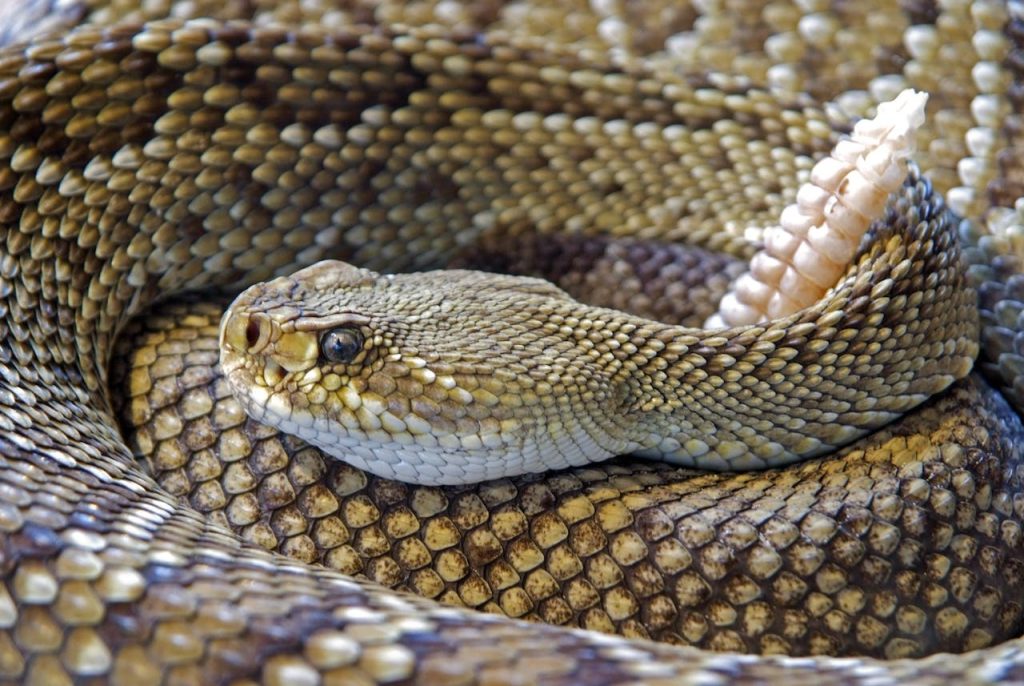
Myth vs. Reality: The Truth Behind the “Five-Step Snake”: The Truth Behind the “Five-Step Snake”
The reality of the so-called “five-step snake,” scientifically known as Deinagkistrodon acutus, is far more nuanced than legend suggests. While the species is venomous and capable of delivering a dangerous haemotoxic bite, most bites do not result in immediate fatality-nor do they cause victims to drop dead after just a few steps. Doctors at Hangzhou Hospital of Traditional Chinese Medicine quickly noticed that Zhang wasn’t showing the severe symptoms expected from a high‑toxicity bite. There was no breathing difficulty, no gum bleeding, and no signs of systemic failure.
This discrepancy highlights how deeply folklore shapes public perception of wildlife dangers. For decades, the five-step snake has been portrayed as a near-instant killer, and that fear has held strong in rural areas where education about modern medical treatment is less accessible. While the danger is real-larger pit vipers can be life‑threatening-the automatic assumption of imminent death is incorrect. This gap between myth and biology often leads individuals to take drastic, sometimes catastrophic actions in the frantic aftermath of a bite.
These myths persist because they serve as simplified warnings-stories designed to keep people cautious in environments where danger truly does exist. Yet the exaggeration within them can create a false sense of urgency that leads to harmful decisions. Understanding the distinction between legend and fact becomes crucial, not to diminish caution, but to ensure that responses to danger remain grounded in real science rather than fear.
A Finger Lost, But Was It Necessary?, But Was It Necessary?
Zhang’s arrival at the hospital left physicians both shocked and sympathetic. They understood the fear he must have felt, but also knew immediately that his drastic self-amputation hadn’t been necessary. Doctor Yuan Chengda clarified that while the snake is venomous, its bite rarely requires such extreme measures. The absence of major symptoms meant the venom either wasn’t delivered in significant quantity or wasn’t as severe as Zhang had feared. His neighbour’s earlier death from a snakebite-an event that weighed heavily on him-likely amplified his sense of impending doom.
The medical team administered antivenom, cleaned and dressed the wound, and ensured he remained stable. Though Zhang ultimately recovered, the inability to reattach his finger added a permanent consequence to an already traumatic event. He had left the severed finger on the mountain, never imagining it might still be salvageable. His story illustrates the burden of rural medical gaps-where knowledge passed down through generations sometimes replaces formal training, and fear becomes a more powerful motivator than reason.
His story also reveals the emotional toll such incidents take, particularly when individuals feel they must rely solely on themselves to survive. The isolation of rural life often forces people into making difficult, uninformed choices because professional help feels out of reach. Zhang’s experience underscores the need for community outreach and education so that others don’t feel compelled to make similarly extreme decisions.
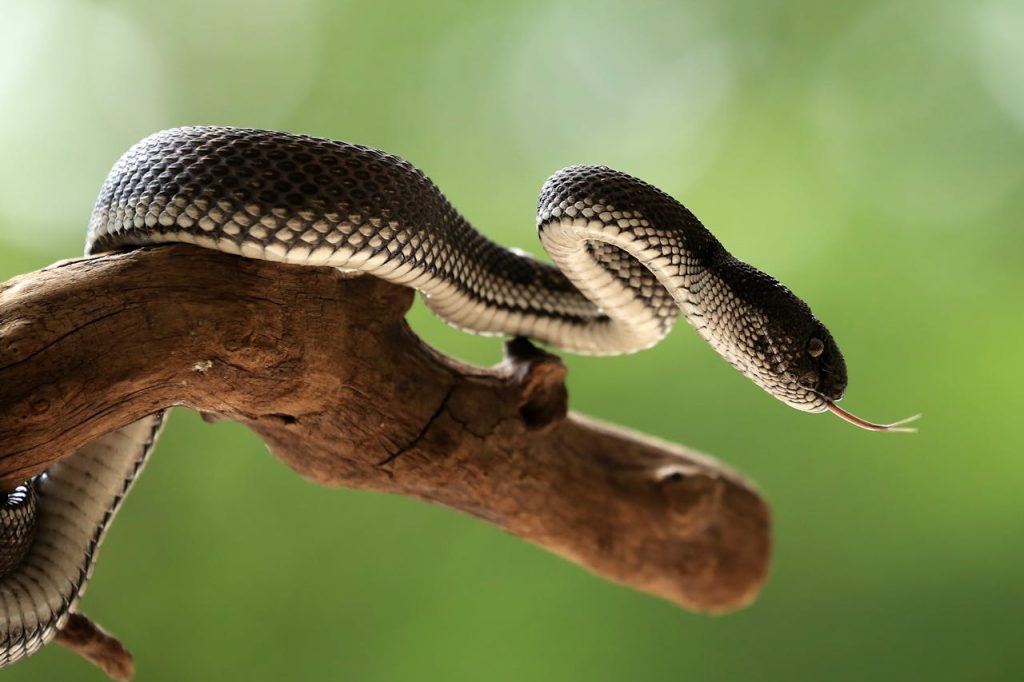
The Problem With Dangerous DIY Snakebite Treatments
Zhang’s case, while extreme, is not isolated. According to the treating physicians, nearly a third of the snakebite patients they see arrive at the hospital after attempting some form of harmful self-treatment. These methods range from limb‑tightening tourniquets to incisions meant to “drain” venom-practices rooted more in outdated survival myths than in science. Many arrive with infections, tissue damage, or even early signs of gangrene caused not by the snake, but by their own interventions.
The misconception that venom can be sucked out or neutralized through burning persists widely despite medical evidence to the contrary. Some patients bind their limbs so tightly that they cut off circulation entirely, risking permanent nerve or tissue damage. Others cut deep into their wounds believing they are excavating poison, only to create wider entryways for bacteria. These actions often cause more harm than the bite itself, leading to longer recoveries, more complicated medical interventions, and sometimes irreversible consequences.
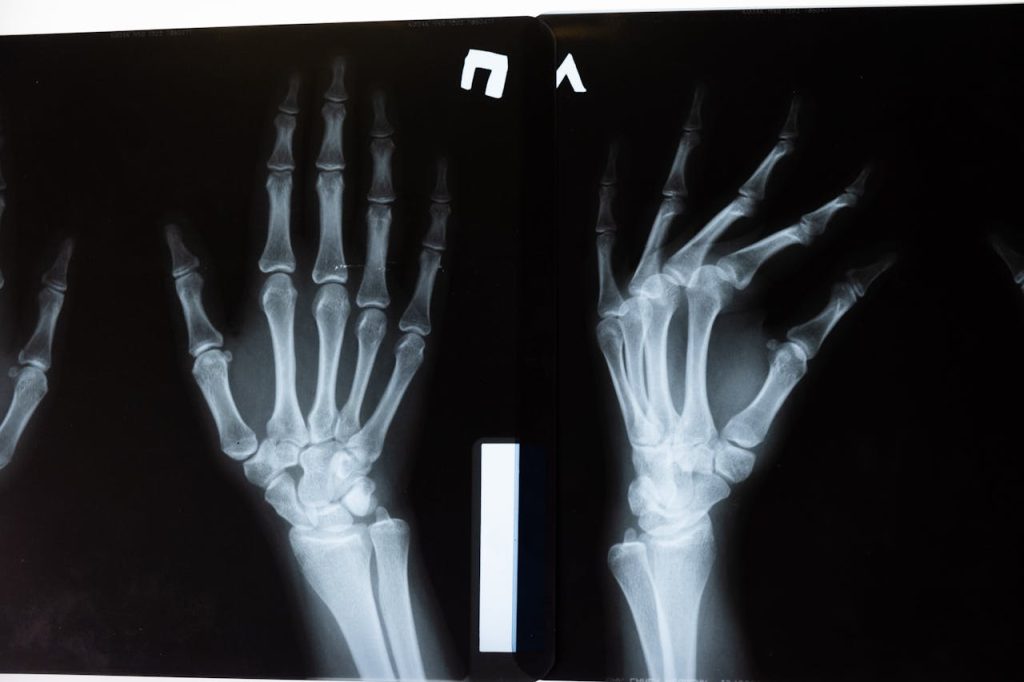
Medical authorities emphasize that proper snakebite treatment is far simpler and far less dramatic: applying pressure bandaging, keeping still, and seeking professional care as quickly as possible. Washing the wound or cutting into it is discouraged, not only because it’s ineffective, but because the venom residue at the site helps doctors determine which antivenom to use. This scientific approach stands in stark contrast to the folklore-driven reactions many rural victims resort to.
Beyond the immediate physical consequences, these outdated techniques often contribute to long-term anxiety and misconceptions within communities. When harmful methods are repeatedly shared as “proof of survival,” they become normalized, making it harder for accurate medical information to take root. Bridging this gap requires culturally sensitive education that respects local traditions while correcting dangerous myths.
The Aftermath: Recovery, Reflection, and a Viral Moment
After receiving treatment, Zhang was eventually able to return home, his wound healing steadily despite the absence of his finger. His story spread quickly across Chinese and international media not simply because it was shocking, but because it struck a chord between tragedy, misunderstanding, and the incredible human instinct to survive. In a world overflowing with medical misinformation-both old and new-Zhang’s ordeal became a symbol of how vital accurate knowledge can be.

For many who read his story, the mixture of disbelief and empathy was unavoidable. His choice, though extreme, wasn’t made lightly. It sprang from the fear of a threat he believed could end his life within moments, fed by stories passed down through generations and reinforced by the very real dangers present in his rural environment. His experience now stands as a modern reminder that even in the age of global information, cultural myths remain powerful forces that shape behaviour in critical moments.
What amplifies the emotional weight of Zhang’s situation is how quickly such stories can spread online, often without the context that explains why people in rural regions make such decisions. While the viral nature of the story sparks conversation, it also highlights how easily audiences can overlook the systemic challenges-limited healthcare, lack of transportation, and deep-rooted beliefs-that influence actions in emergencies.