
Your cart is currently empty!
Man With Blackout Tattoos Shares What He Wishes He Knew Before Starting
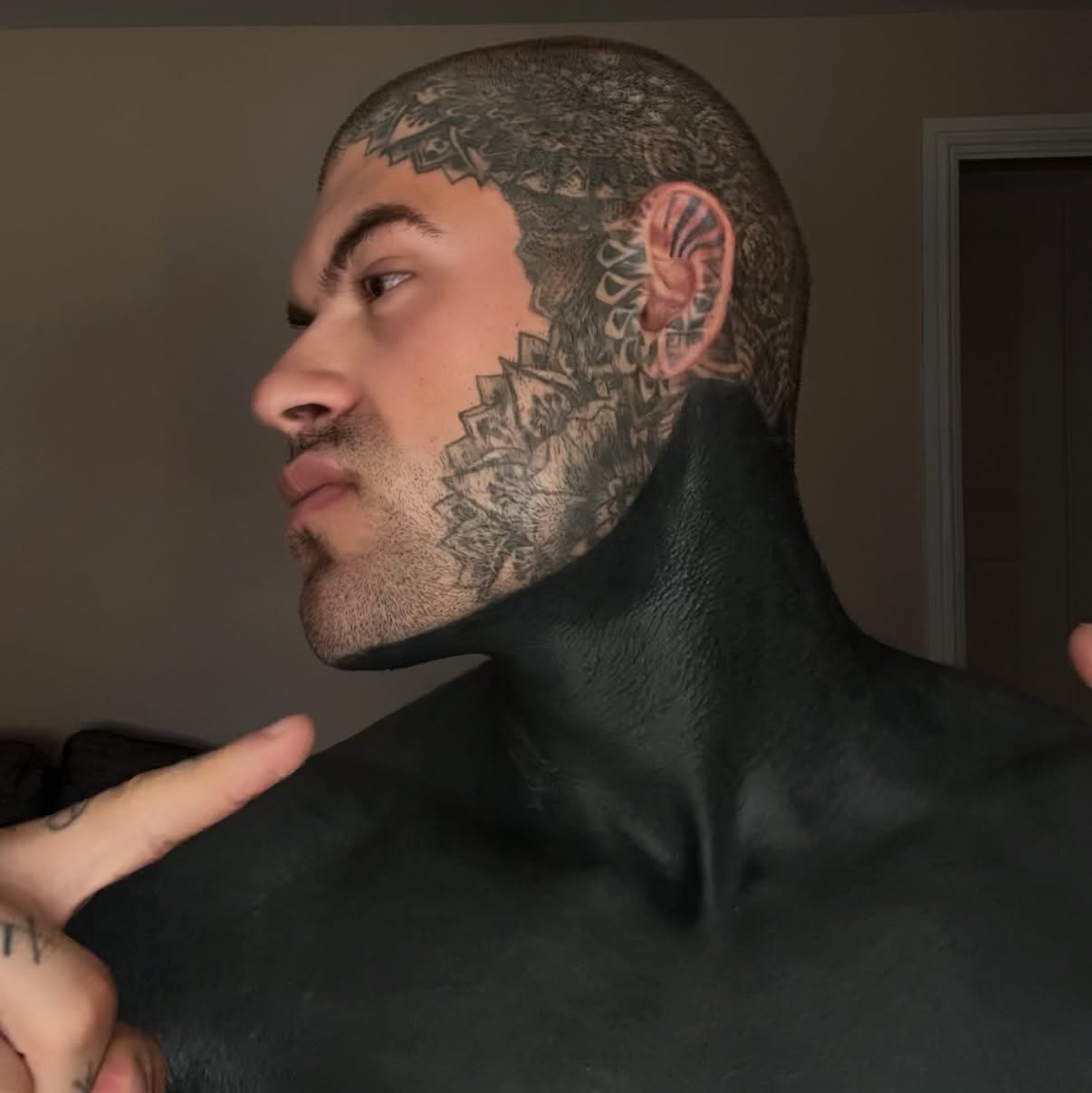
Blackout tattoos can look deceptively simple from a distance. Large sections of skin appear covered in solid black, with no visible linework, shading, or detailed image to study. For some people, that bold finish makes the style feel cleaner and more direct than traditional tattoo work.
Contents
show
Dave Chudley learned that the reality behind the look was far more demanding. He began his blackout tattoo process in 2020, before the style had moved as widely through social media and celebrity culture. Over time, his body became a record of trial, removal, correction, and hard-won judgment.
Now, after years of coverage and public attention, Chudley has a clear message for anyone tempted to treat blackout tattooing as a quick aesthetic decision. What looks like solid black ink can carry lessons that only arrive after the needle, the healing, and the regret.
A Tattoo Style That Looks Easier Than It Is
For people unfamiliar with the style, blackout tattooing means covering large areas of skin in solid black ink. Some people use it to cover older tattoos. Others choose it for the graphic look, especially when the final result creates a uniform surface across an arm, chest, back, or leg.
From the outside, the process can seem basic. A viewer may assume that an artist simply fills in skin until the area turns black. Chudley admits he once underestimated the work in a similar way, especially when he first began.
Dave Chudley explained the mistake in blunt terms: “‘It’s just colouring it in.’ No, it’s not just colouring it in. There’s so much to it, because it’s not just about colouring the skin in, it’s about not damaging the skin in the process, achieving that smooth finish, complete saturation.”
That distinction sits at the center of his warning. Blackout work depends on consistency, judgment, and restraint. An artist must pack ink deeply enough to create an even finish while avoiding damage that can affect healing or texture. A patchy area will show. Skin trauma can change the result. Poor planning can turn one session into months of correction.
Dave Chudley’s First Blackout Mistake
Chudley began with his forearm in 2020. He did not start with the full level of coverage he has now, and like many people approaching a large body project, he learned through the first area he chose.
Once the forearm settled, the result did not match what he wanted. It also did not sit well with the rest of his body. Rather than accept the outcome, Chudley eventually had the work removed and started again from scratch.
Laser removal changed the project from a single tattoo decision into a longer and more expensive correction process. Anyone who sees blackout work as an easy cover-up should understand that a poor first attempt can create another problem rather than solve an old one.
That early mistake shaped the advice Chudley now gives to others. Blackout tattooing leaves little room to hide uneven choices because a large flat area draws attention to saturation and finish. A small traditional tattoo can sometimes disguise flaws with shading, texture, or new design elements. Solid black coverage has fewer places for mistakes to disappear.
Early Blackout Work Had More Guesswork
Chudley began at a time when blackout tattooing had not yet gained its current visibility. Machine Gun Kelly and other high-profile figures later pushed the style into public conversation, but in 2020, clients and artists often had less shared information to rely on.
Dave Chudley said, “We didn’t know a lot about it back in 2020. It was more the artist will experiment along with you as they’re doing the work, maybe we need two passes, maybe this needle, maybe that needle,”
That kind of trial and error may sound normal in a creative field, yet it carries a different weight when the work covers large areas of skin in dense black ink. Every test can leave a lasting mark. Needle choice, machine setup, ink selection, pressure, session length, and healing instructions all affect the final result.
A client may not know enough to judge those decisions while sitting in the chair. By the time the tattoo heals, the evidence becomes clear. Chudley’s experience shows why early research matters before anyone commits to a blackout project.
Why He Now Says A Specialist Matters
Chudley has become firm on one point. A blackout tattoo should not be treated as a side service for any artist willing to try it. In his view, the style demands someone who understands dense saturation and skin response from repeated experience.
He now travels to work with Johnny Ransom in Berkshire, an artist he says focuses on blackout work. Chudley has praised Ransom’s saturation and skill, making clear that specialization changed the quality of his own project.
Specialist work matters because blackout tattoos are less forgiving than many people expect. An artist has to know how much trauma the skin can take, how long to work one area, and when to stop. Overworking can leave the skin angry and uneven. Underworking can leave gaps, shadows, or lighter areas after healing.
Researching an artist should go beyond looking at fresh photos online. Fresh black ink can appear smooth under good lighting, while healed work gives a more honest view. Anyone considering the style should ask to see healed blackout tattoos, not just day-of-session images.
Pain Becomes Part Of The Decision
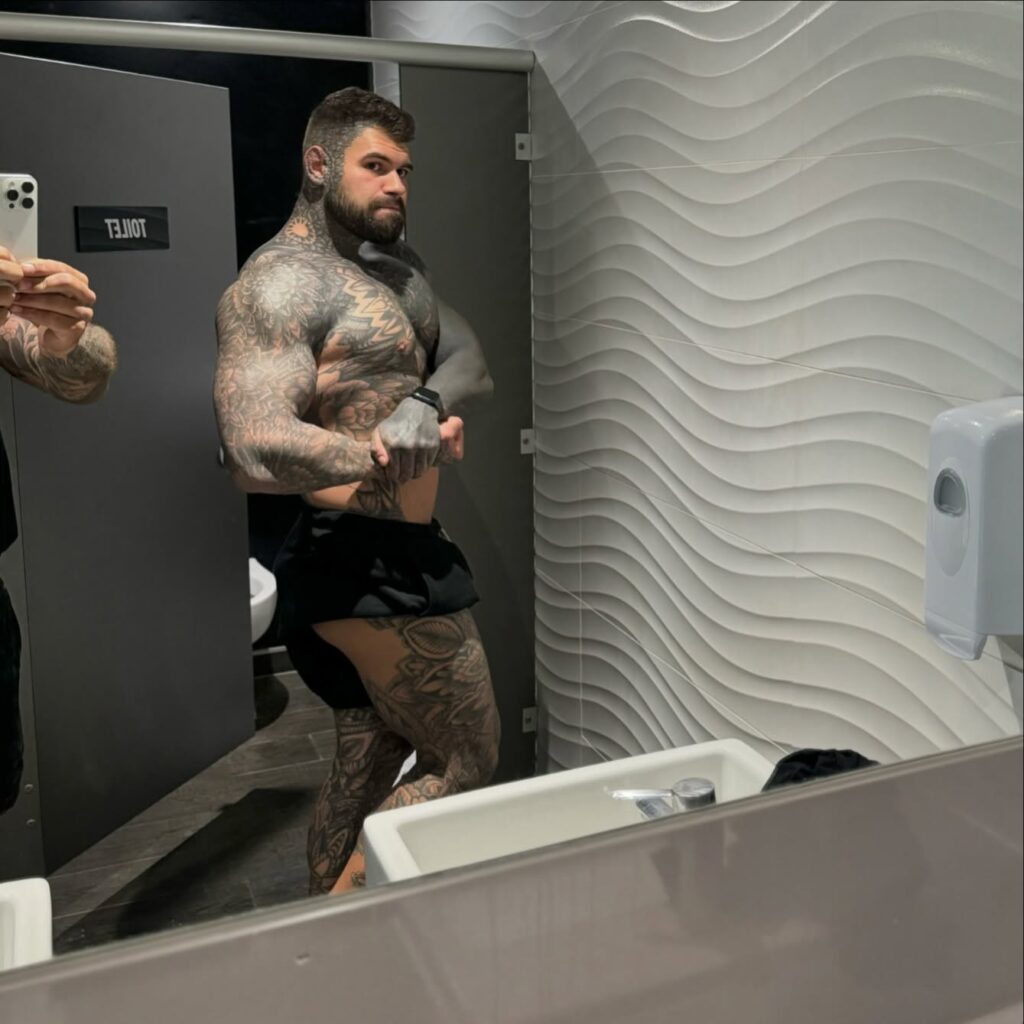
Blackout tattooing can place heavy physical demands on the person receiving it. Chudley has described the process as more intense than regular tattooing because the artist works the same area again and again to reach full coverage.
That repetition separates blackout work from a smaller design. A traditional tattoo may move between lines, shading, and open skin. Dense black coverage can keep the needle focused on one region for long stretches, which many clients experience as a deeper test of endurance.
Long sessions can also create mental fatigue. A person may begin the project with excitement and then realize that the finished look requires hours of repeated discomfort, followed by days or weeks of careful healing.
Pain alone should not decide whether someone gets a tattoo, but a realistic sense of the pain can prevent rushed choices. Chudley’s story makes clear that blackout work should be approached as a long body project rather than a casual appointment.
Healing Can Change The Final Result
Healing decides far more than many first-time clients expect. Redness, swelling, peeling, itching, and sensitivity can all appear after a major session, and poor aftercare may affect the smoothness of the final black surface.
Chudley has said that the process has become more standardized since he began. Artists who focus on blackout work now have clearer preferences around inks, needles, machines, and aftercare. That progress does not remove risk, but it gives clients a better chance of getting an even result when they choose an experienced artist.
Aftercare matters because black saturation depends on how the skin recovers. Large areas of solid ink can heal unevenly if the skin has been pushed too hard or if the client ignores aftercare instructions. Some people may need touch-ups to correct lighter patches. Others may need more sessions than expected.
A person thinking about blackout work should plan for healing time, not just appointment time. Work, sleep, exercise, clothing, and hygiene can all become part of the practical burden after a large session.
Machine Gun Kelly Brought More Attention To Blackout Tattoos
Blackout tattooing gained a much larger public audience after Machine Gun Kelly revealed extensive black coverage across his upper body in 2024. His chest and arms became part of a widely discussed celebrity body-art moment, drawing attention from fans who may not have followed the tattoo world closely.
That visibility helped push blackout tattoos beyond niche circles. Once celebrities take on a style, people often encounter it through entertainment coverage rather than tattoo culture, and the image can spread faster than the caution behind it.
MGK later described a difficult physical process. According to the supplied sources, his artist had suggested a much longer timeline, while the musician compressed the work into a far shorter period. He later said he felt serious physical strain during and after the tattooing process, including illness, sleep problems, and difficulty moving parts of his upper body.
His experience added another warning to the conversation. Large blackout work can take a toll even when a person has access to known artists and major resources. Speed can increase the burden, especially when dense coverage sits over older tattoos or scar tissue.
Doctors Have Raised Medical Concerns
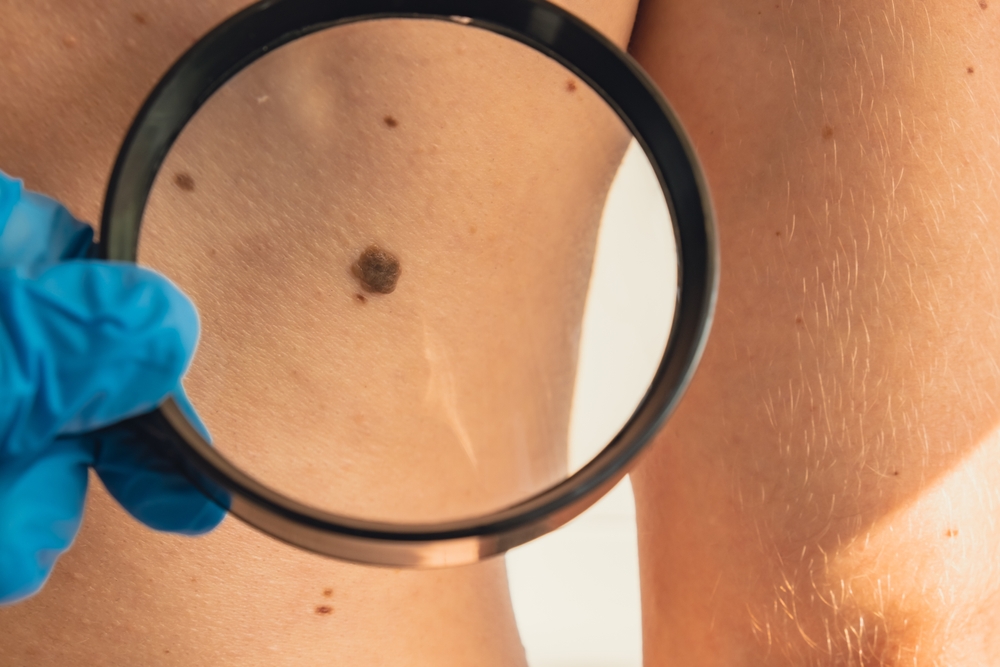
Medical professionals have also raised concerns about large dark tattoos. Dermatologists quoted in the provided sources warned that heavy black coverage can make skin checks harder because doctors may struggle to distinguish a normal mole from an abnormal one when dark ink covers the area.
MRI concerns have also been discussed in relation to black ink that contains iron oxide. Doctors have warned that some tattooed areas may swell or feel like they are burning during a scan, and dark ink may make certain readings more difficult.
Those warnings do not mean every person with blackout tattoos will face a medical issue. Still, large body coverage can add complications that clients may not consider when they focus only on the look. Anyone with skin concerns, a family history of melanoma, or regular medical imaging needs should speak with a qualified clinician before starting.
Medical planning may feel far removed from tattoo planning, yet blackout work covers skin in a way that can affect future exams. Chudley’s experience with regret and correction already shows how one decision can last beyond the first appointment.
Public Reactions Are Quieter In Person
Given Chudley’s level of coverage, many people might assume that strangers react strongly when they see him. His experience appears more restrained in everyday life.
Dave Chudley said, “The reactions come from online. When a video reaches viral status, it tends to get pushed out to audiences that aren’t involved in the tattoo industry. To people in the tattoo industry, it’s like, whatever, just blackout.”
That gap between real life and social media matters. In person, many people simply move on. Online, a clip can reach viewers with no background in tattoo culture, and the comments can become stronger because the image arrives without a full story.
For people inside the tattoo world, blackout work may look like one more style choice. For outside audiences, the same image can seem extreme. Chudley’s comments show how much the setting shapes reaction. A body on the street receives one kind of attention. A viral clip receives another.
Tattoo Regret Often Starts With Poor Planning
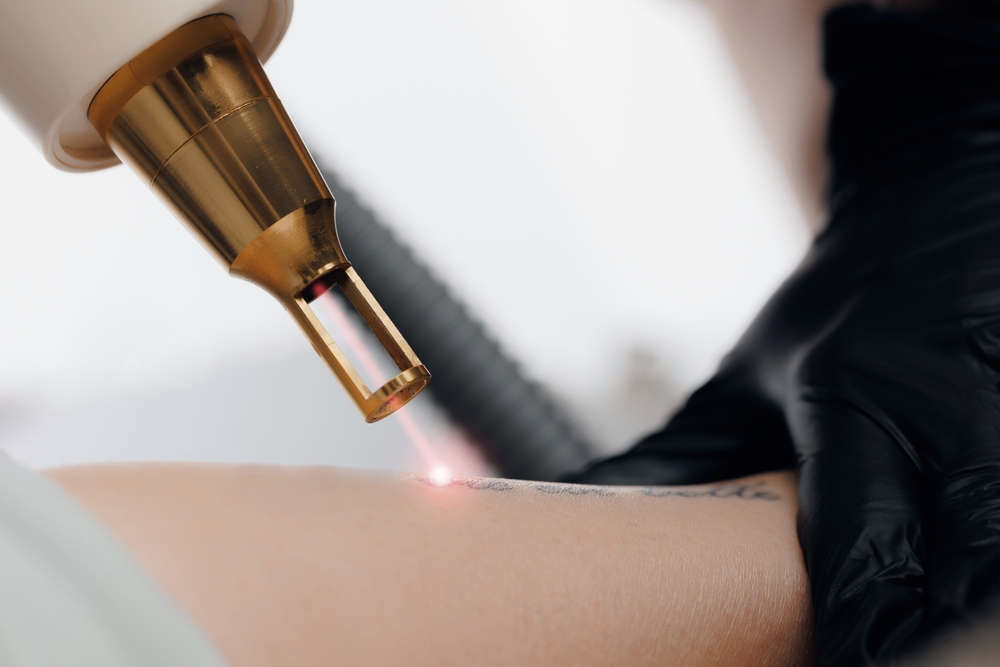
Chudley has also spoken about tattoos people commonly remove, including names, face tattoos, and tribal designs. Those comments fit the larger lesson of his blackout experience. Tattoo regret often comes less from ink alone and more from timing, motive, and poor planning.
Names can become painful when relationships change. Face tattoos can limit options because they are so visible. Tribal tattoos can be difficult to cover because older designs often use bold black shapes. Blackout tattoos enter that same conversation because they require serious commitment and can be hard to reverse cleanly.
Laser removal may help some people, and black ink can respond well compared with certain colors. Even so, removal takes time, money, pain, and patience. Chudley’s first forearm experience shows that starting again may be possible, but it is far better to start with stronger information.
What He Wishes People Knew Before Starting

Chudley’s main lessons are practical rather than dramatic. Blackout tattoos are technically demanding. Specialist experience matters. Early choices can shape years of work. Healing can decide the finish. Pain can be greater than expected.
Most of all, solid black ink should not be mistaken for a simple shortcut. A person may choose the style because they love how it looks, as Chudley has said about his own choice. That preference can be valid, but it should come with clear expectations.
Before starting, clients should study healed work, ask direct questions, research the artist’s blackout background, understand aftercare, and consider medical concerns. They should also think about pace. A major blackout project does not need to happen quickly to be meaningful.
Chudley’s body now reflects both his taste and the lessons he learned through mistakes. His warning is not that no one should get blackout tattoos. Instead, his story argues for respect toward a process that looks simple only to people who have never lived through it.
Featured Image Source: David Chudley/Facebook
https://www.facebook.com/photofbid=2543515806067027&set=pb.100012258969864.-2207520000
black ink tattoos, blackout tattoos, body art, celebrity tattoos, Dave Chudley, extreme tattoos, full body tattoos, laser tattoo removal, Machine Gun Kelly tattoos, skin health, tattoo advice, tattoo aftercare, tattoo artist, tattoo culture, tattoo healing, tattoo mistakes, tattoo regret, tattoo removal, tattoo safety, tattoo trends