
Your cart is currently empty!
Scientists Say Just Five Minutes Of Prayer Reduced Anxiety For Weeks In Medical Trial

A five-minute prayer session inside a medical clinic is drawing major attention after researchers found it appeared to reduce pain and anxiety more effectively than listening to music. The randomized controlled trial involved 180 adult patients who had already reported moderate to severe anxiety, pain, or both before their appointments. While both groups showed some improvement, the patients who received face-to-face prayer reported stronger relief immediately afterward, and some of those effects were still measurable six weeks later. Researchers said the findings could open the door for more conversations about spiritual care inside healthcare settings, especially as anxiety and chronic pain continue affecting millions of Americans.
Contents
show
The study focused on something called proximal intercessory prayer, also known as PIP, which involves praying directly with another person in a face-to-face setting. Patients who participated received five minutes of in-person Christian prayer from trained volunteers after their medical appointments, while another group spent five minutes listening to music. Researchers tracked pain and anxiety levels immediately after the session, then again two weeks later and six weeks later. The results surprised even the research team because religious background, intensity of belief, and even expectations about prayer did not appear to predict who improved most.

Researchers Compared Prayer To Music In Clinical Setting
The study was led by researchers from the University of Maryland School of Medicine’s Department of Family and Community Medicine and later published in The Annals of Family Medicine. Participants were recruited from a family medicine waiting room after reporting moderate to severe symptoms connected to pain or anxiety. After completing their regular appointments, they were randomly divided into two groups. One group received five minutes of direct prayer from trained volunteers while the second group listened to music for the same amount of time. Researchers then followed both groups for weeks to measure whether any improvements lasted beyond the initial session.
The findings showed that both groups experienced some relief, but the prayer group consistently reported stronger results. Patients who received prayer described larger drops in pain intensity immediately after the session compared to those who listened to music. Researchers also found the anxiety improvements lasted significantly longer in the prayer group. Those reductions remained statistically significant at both the two-week and six-week follow-up periods, which became one of the most striking outcomes in the trial.

Most Patients Supported Prayer During Medical Visits
Researchers said the response from participants was overwhelmingly positive. Katherine Jacobson, assistant professor of family and community medicine at the University of Maryland School of Medicine, said, “It was very well-received.” She also noted that 97% of participants said they were either neutral or supportive when asked about making this type of prayer available during healthcare visits. That number stood out because conversations around spirituality in medical settings can often become controversial or uncomfortable depending on the patient population.
The researchers also discovered something unexpected while reviewing the data. Many people assumed patients with strong religious beliefs would benefit most from the sessions, but the results did not follow that pattern. Jacobson said, “We expected that patients who expected prayer to work would benefit more, but that wasn’t what we found.” Researchers later found that religious affiliation, religious intensity, and even expectations of healing failed to predict who improved most after the sessions.
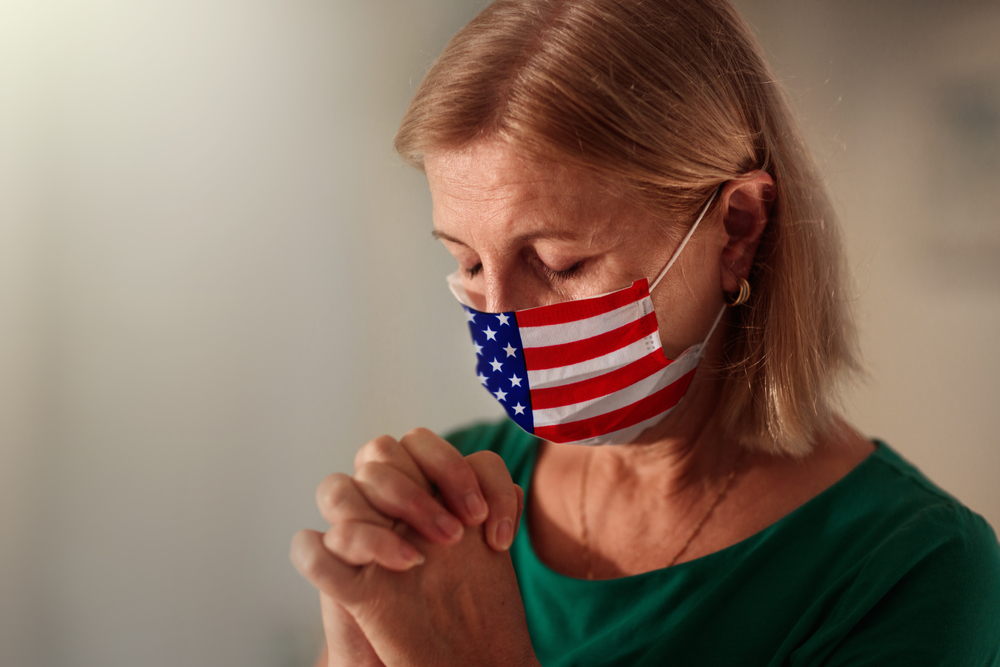
Benefits Appeared Across Different Types Of Patients
Researchers said the positive effects appeared across a broad range of participants, including people who were not Christian and others who did not believe the intervention would help them at all. That finding became one of the most discussed parts of the study because it suggested the effects could extend beyond religious belief itself. The team acknowledged there is still no clear explanation for exactly why the prayer group experienced stronger improvements, especially over a relatively short five-minute interaction.
The study also raised questions about the role of human connection during stressful medical experiences. Unlike the music group, patients receiving prayer had direct interaction with another person. Volunteers maintained eye contact and sometimes gently placed their hands on participants while praying. Researchers acknowledged this could have influenced the results because physical touch and supportive human interaction have already been linked to lower stress levels and reduced pain in previous studies.

Researchers Admit Prayer Alone May Not Explain The Results
The study authors made it clear that the trial does not prove prayer itself directly caused the improvements. They said the personal interaction involved during prayer sessions may have contributed to the emotional response patients experienced afterward. Researchers now hope to conduct future studies using a different control group that includes interpersonal contact without prayer in order to separate the effects more clearly. Even with those limitations, the results still attracted attention because improvements continued weeks after the brief sessions ended.
Researchers described proximal intercessory prayer as a low-cost and non-pharmacologic intervention that could potentially work alongside traditional medical treatment instead of replacing it. They also said healthcare providers may want to continue discussing spiritual care preferences with interested patients as part of a broader whole-person approach to medicine. The researchers stressed that prayer should never replace professional treatment plans, medication, or therapy, but they suggested it may provide additional emotional support for some patients.

Prayer Remains One Of America’s Most Popular Alternative Therapies
The study noted that prayer is already the most commonly used form of complementary medicine in the United States, with 43% of Americans relying on it in some form. That popularity has kept researchers interested in studying whether spiritual practices can influence mental or physical health outcomes. Jesse Bradley, pastor of Grace Community Church in Washington, spoke about the findings and described prayer as something that can help people emotionally during painful periods in life.
Bradley said, “Prayer is powerful and beneficial on many levels.” He also shared his own personal experience recovering from a long and painful health condition, saying, “Daily prayer was essential in my healing journey.” His comments reflected one reason the study gained so much attention online, especially among people interested in non-medication approaches to stress and anxiety management.

Anxiety And Chronic Pain Continue To Affect Millions
The findings arrive during a period when anxiety and chronic pain remain widespread public health concerns across the United States. Millions of adults continue searching for affordable ways to manage stress, discomfort, and emotional strain without relying entirely on medication. Researchers believe that is one reason studies involving meditation, mindfulness, spirituality, and other alternative approaches continue gaining traction inside the medical community.

The researchers behind the study said more work still needs to be done before doctors fully understand why the prayer sessions produced stronger results than music alone. Still, the trial added another layer to the ongoing discussion around how emotional support, spirituality, and human interaction may influence physical and mental well-being in ways scientists are still trying to fully explain.
Alternative Medicine, anxiety relief, Anxiety Treatment, Christian prayer, chronic pain, emotional health, Fox News health, health research, healthcare news, medical study, Mental Health, pain relief, prayer and health, prayer benefits, spirituality, Stress Relief, Tags: prayer study, University of Maryland, viral health news, wellness news