
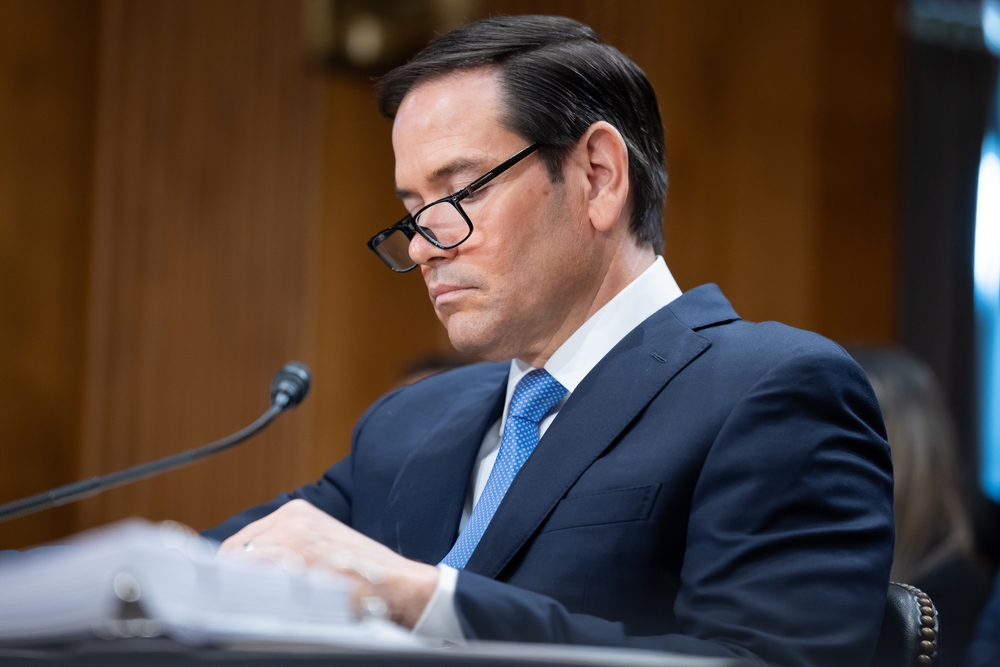
A decision by Donald Trump to bring Nvidia CEO Jensen Huang back to the company has reportedly sparked anger inside his own administration, with Secretary of State Marco Rubio particularly frustrated by how the move unfolded. Rubio had previously warned the president about intelligence suggesting Huang had a close relationship with a woman suspected of having connections to Chinese intelligence. Despite those concerns, Trump and Vice President JD Vance reportedly pushed Nvidia’s board to restore Huang to his leadership position, raising fresh questions about the administration’s handling of national security warnings.
The controversy places one of America’s most influential technology companies at the centre of a growing political dispute involving China, artificial intelligence and government oversight. Huang’s return came less than two weeks after his departure, following allegations surrounding his personal relationship with Alice Huang, a former executive at Singapore-based technology company Megaspeed. The company has faced allegations involving the diversion of advanced Nvidia chips to China, which it denies. With Rubio reportedly excluded from the discussions that secured Huang’s return, tensions over the decision could create further complications for an administration already facing difficult questions about America’s technological security.
Rubio Reportedly Left Furious After Huang’s Return
Rubio was reportedly particularly angry when news emerged on Monday morning that Huang would return as Nvidia’s president and chief executive. The secretary of state had previously prepared a classified memorandum warning the administration about intelligence involving Huang’s relationship with Alice Huang. The information reportedly included intercepted conversations and details suggesting she had contact with an officer associated with China’s Ministry of State Security.
Rubio had also personally briefed Trump about the intelligence aboard Air Force One in May. The briefing took place before Huang joined the presidential delegation travelling to China for a high-stakes meeting involving Chinese President Xi Jinping. Despite having received the information, Trump later supported Huang’s reinstatement and became directly involved in discussions with Nvidia’s board. Rubio and CIA Director John Ratcliffe were reportedly excluded from the weekend discussions that ultimately secured the decision.
The exclusion appears to have been particularly frustrating for Rubio because of his earlier involvement in raising the security concerns. Allies of Rubio and Treasury Secretary Scott Bessent indicated that both officials had privately expressed reservations about aspects of Huang’s return. Neither had publicly broken with Trump over the decision, however. Rubio had also not issued a public statement directly criticising the reinstatement, leaving the reported disagreement largely within the administration.
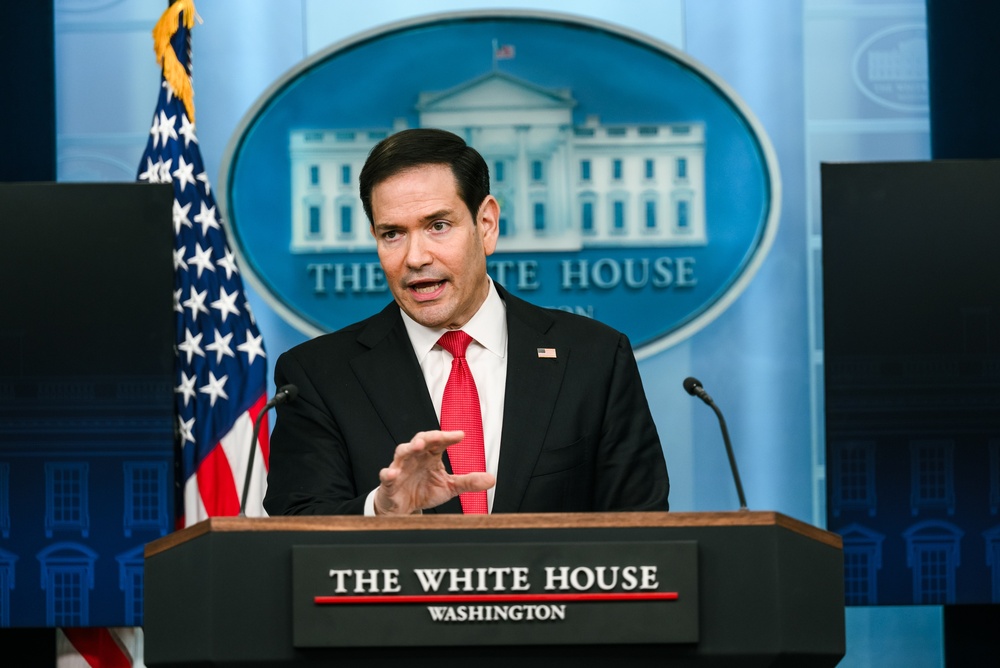
Trump And JD Vance Personally Pushed For Huang’s Return
Trump reportedly made his preference clear to advisers on Friday, expressing his desire to see Huang back at Nvidia. The president had been speaking with influential figures from Wall Street and Silicon Valley about the company’s situation. Their central argument was that America needed a strong Nvidia, particularly as the company played an increasingly important role in the country’s artificial intelligence industry. Trump was also privately concerned about the wider economic consequences if Nvidia’s value continued to collapse.
The president and Vance subsequently held repeated conversations with Huang, members of Nvidia’s board and the company’s legal representatives. Huang reportedly believed the board wanted him back but needed reassurance that the government did not consider his return a national security threat. The administration provided assurances that Huang was not the target of a Justice Department investigation and that officials had no legal objections to his return as chief executive. However, the White House made clear that these assurances did not extend to Alice Huang.
The discussions continued throughout the weekend as Nvidia’s board considered its options. Attorney General Todd Blanche was reportedly comfortable confirming that Jensen Huang was not under investigation. Director of National Intelligence Jay Clayton had also reviewed intelligence involving Alice Huang and her communications with Jensen Huang. By Sunday night, Nvidia’s board had informed Trump and Vance that it planned to announce Huang’s return before the stock market opened Monday. One official involved in the discussions described the moment by saying, “We were told, ‘This is going to happen.’”
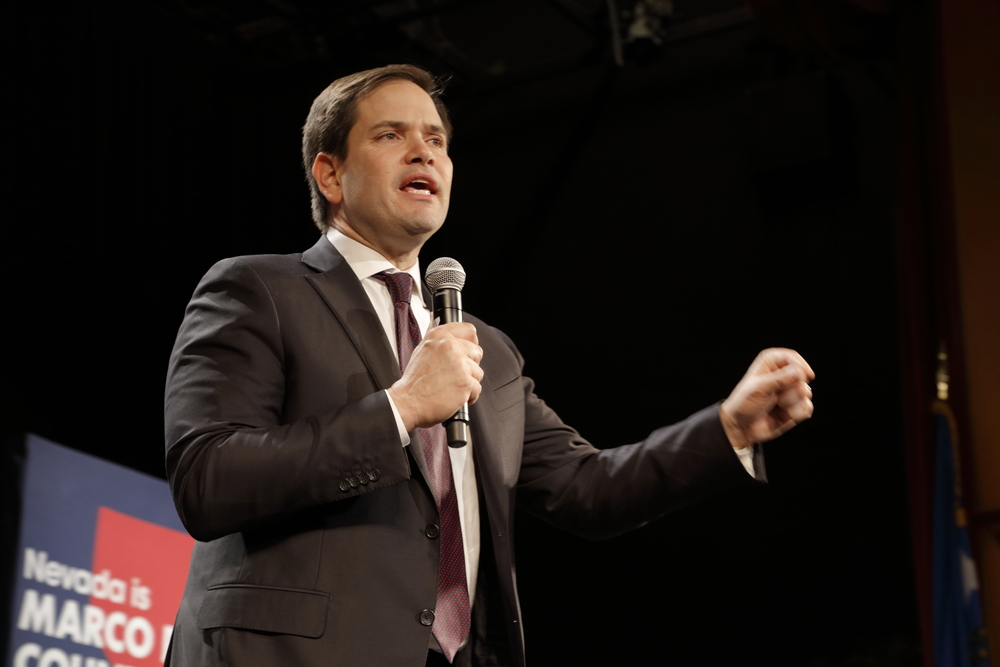
The Chinese Intelligence Allegations Behind The Dispute
The security concerns surrounding Huang’s return are connected to Alice Huang and her former position at Megaspeed International. US intelligence reportedly identified contact between Alice Huang and an officer associated with China’s Ministry of State Security. Rubio’s classified memorandum raised concerns about the relationship and the potential security implications. The information was serious enough for the secretary of state to brief Trump personally months before the latest leadership dispute.
Megaspeed has faced allegations that it helped transfer advanced Nvidia processors to China despite American export restrictions. The company has denied the accusations, and the allegations should not be treated as established criminal findings. The Justice Department and Commerce Department have been investigating potential violations involving the company. Megaspeed was also placed on a US trade blacklist during the week of Huang’s reinstatement, adding another complication to the situation.
Several distinctions remain important when examining the controversy:
- The intelligence concerns: US officials reportedly identified communications between Alice Huang and an individual connected to China’s intelligence service.
- The business allegations: Megaspeed has been accused of transferring restricted Nvidia technology to China, allegations the company denies.
- Jensen Huang’s legal position: The administration assured Nvidia’s board that Huang was not the target of a Justice Department investigation.
- The ongoing scrutiny: Federal authorities continue examining potential export-control violations involving Megaspeed and other companies.
These distinctions explain why Huang’s return has attracted attention beyond Nvidia’s shareholders. The allegations involve technology that Washington considers strategically important, while the intelligence concerns raise questions about how private business relationships can intersect with national security investigations.
Scott Bessent Also Had Reservations About The Decision
Rubio was reportedly not the only senior official who had concerns about Huang’s reinstatement. Treasury Secretary Scott Bessent had previously suggested Nvidia should look outside the company for new leadership. His position appeared to shift during a Sunday television interview, when he was asked about his earlier recommendation. Bessent responded, “Well, Jensen is on the outside now.” The comment came as discussions over Huang’s return were approaching their final stage.
Bessent had also criticised Commerce Secretary Howard Lutnick over the handling of alleged semiconductor transfers to China. The Commerce Department is responsible for enforcing American export controls on advanced chips, making Lutnick’s role central to the wider controversy. Bessent had argued that other government agencies had supported placing Megaspeed on a trade blacklist for months, while the Commerce Department had the authority to take action. His comments exposed disagreements over how quickly officials had responded to the alleged chip transfers.
Lutnick was not involved in the final weekend discussions that secured Huang’s return. However, his department’s responsibility for export-control enforcement places it directly within the wider debate. The disagreement highlights competing priorities among senior officials who must consider America’s technology industry alongside security restrictions. Rubio’s intelligence warnings and Bessent’s criticism of the Commerce Department suggest that concerns about the case extended beyond one department or individual.
Nvidia’s Market Reaction Added Pressure To The Decision
Huang’s reinstatement initially produced a dramatic reaction in financial markets. Nvidia’s shares surged more than 30% on Monday after the company confirmed his return. Investors appeared reassured by the prospect of Huang continuing to lead the business, particularly after uncertainty surrounding his departure had raised concerns about its future direction. His leadership has been closely associated with Nvidia’s growth during the global artificial intelligence boom.
The recovery proved short-lived, however. Nvidia’s share price dropped 5.9% on Tuesday and another 5% on Wednesday, reversing part of the initial gains. Trump reportedly became frustrated when a journalist highlighted the decline, particularly after the president had publicly celebrated the reinstatement. The market movement demonstrated that restoring Huang to his position had not immediately removed investor concerns surrounding the company.
Trump had argued that Huang’s return was necessary to restore confidence in Nvidia and protect the company’s economic position. The president also publicly described the decision as “the correct and proper decision.” His support came after conversations with technology executives and business figures who reportedly believed Huang was essential to Nvidia’s continued strength. Nevertheless, the subsequent share-price declines showed that investors were still assessing the consequences of the controversy.
Huang Faces Questions From Congress Over China And Chip Exports
Huang’s return has not ended the political and regulatory scrutiny surrounding Nvidia. He is scheduled to appear before House and Senate committees in Washington, where lawmakers are expected to question him about export controls, alleged chip smuggling and national security. Members of both political parties have expressed concerns about the circumstances surrounding his reinstatement. The hearings could provide a clearer picture of what Nvidia knew about the allegations involving Megaspeed and how the company handled potential security risks.
The investigations also extend beyond Megaspeed. Federal authorities are examining potential export-control violations involving another company, Super Micro Computer. The FBI and the Justice Department’s National Security Division are involved in examining the wider allegations. These investigations could create further challenges for Nvidia as lawmakers assess whether existing restrictions have adequately protected American semiconductor technology from reaching prohibited markets.
Several issues are likely to attract particular attention during the congressional questioning:
- Export restrictions: Whether advanced Nvidia processors were transferred to China in violation of American controls.
- Megaspeed’s activities: What investigators have established about the company’s alleged involvement in chip transfers.
- Corporate oversight: Whether Nvidia had sufficient safeguards to identify potential risks involving customers and business partners.
- Government assurances: Why the administration considered Huang’s return acceptable despite the intelligence concerns.
- National security: Whether existing export restrictions are sufficient to protect America’s technological advantage.
The hearings could also reveal whether lawmakers believe the administration gave sufficient consideration to Rubio’s earlier warnings. With both Republicans and Democrats raising concerns, Huang may face questions that extend beyond Nvidia’s internal leadership arrangements.
Trump’s Decision Exposes A Difficult Divide Inside His Administration
The reported disagreement places Trump in a difficult position as his administration tries to balance economic priorities against national security concerns. Nvidia is a major player in the American artificial intelligence industry, and its advanced processors are essential to the development of increasingly powerful computing systems. Losing confidence in the company could have consequences for investors, technology businesses and America’s position in the global AI race. Trump reportedly viewed Huang’s return as a way to protect those interests.
Rubio’s concerns, meanwhile, involved intelligence suggesting potential connections between Huang’s personal relationship and Chinese intelligence activity. The administration’s decision to reinstate Huang despite those warnings has raised questions about how classified information is weighed against economic and corporate considerations. The assurances given to Nvidia’s board addressed Huang’s legal position, but they did not end the investigations involving Megaspeed or Alice Huang. Those separate issues remain relevant to the wider security debate.
For now, Huang is back in charge of Nvidia, while the questions surrounding the company continue. Rubio’s reported frustration reveals a disagreement over how the administration should handle a situation involving sensitive intelligence and one of America’s most valuable technology businesses. Congressional scrutiny and ongoing federal investigations will determine how much more the administration, Nvidia and its leadership must explain. The central challenge for Washington is ensuring that America’s race for AI dominance does not come at the expense of the security measures designed to protect it.