
Your cart is currently empty!
Massive Cyber Threat Forces Millions To Restart Their Wi Fi Routers
It is not every day that intelligence agencies step into people’s homes with advice that sounds this simple. Yet that is exactly what is happening right now. The National Security Agency has issued a clear and urgent message to everyday internet users, warning that something as ordinary as a home Wi Fi router could be exposing personal and sensitive data to highly sophisticated cyber attackers. What makes this situation especially unsettling is how invisible the threat is. There are no obvious warning signs, no flashing alerts, and no clear indication that anything is wrong. For many people, the router sits quietly in a corner, doing its job without ever demanding attention. But according to officials, that quiet device may now be one of the most overlooked security risks in modern life.
Contents
show
The warning comes at a time when cyber threats are growing rapidly in both scale and complexity. As more people work from home, manage finances online, and store personal data across connected devices, the home network has become a valuable target. The NSA has joined the FBI in highlighting a campaign linked to Russian military intelligence hackers, urging people to take immediate action. The agency put it bluntly with a public warning that reads, “Don’t be a victim!” and added that “Malicious cyber actors may leverage your home network to gain access to personal, private, and confidential information.” What makes this particularly alarming is that the advice being given is not complex or technical. It is something almost anyone can do within seconds.

The Warning That Got Everyone’s Attention
According to officials, the activity has been linked to Russian GRU cyber actors known as APT28, Fancy Bear, and Forest Blizzard. These groups are not new to cybersecurity experts, but their focus on everyday routers has brought a new level of concern. The FBI confirmed that hackers have been exploiting vulnerable devices worldwide in an effort to intercept sensitive data. This is not limited to random individuals. The campaign has also targeted networks connected to military, government, and critical infrastructure systems.
The NSA reinforced this concern by stating that attackers are actively working to exploit weaknesses in home networks. The agency warned that these actors “have been collecting credentials and exploiting vulnerable routers worldwide, including compromising TP Link routers using CVE 2023 50224.” This highlights how even widely used consumer devices can become entry points for large scale cyber operations. Many users are unaware that their router could be running outdated software or have known vulnerabilities.
What makes the situation more serious is that victims often have no idea they have been targeted. There is usually no immediate disruption to internet service. Everything appears to function normally, which allows attackers to continue collecting data over time without detection. This quiet and persistent access is what makes router based attacks especially dangerous.
How Hackers Are Turning Routers Into Surveillance Tools
At a technical level, the attacks are both clever and deeply concerning. Hackers begin by identifying routers that have known security flaws or have not been updated with the latest firmware. Once they gain access, they change key internet settings, allowing them to manipulate how traffic flows through the network. This is not something a typical user would ever notice during normal browsing.
The FBI explained that attackers can alter configurations so that web traffic is redirected through systems they control. This creates an opportunity to capture sensitive information that would normally be protected. Passwords, authentication tokens, emails, and browsing activity can all be intercepted during this process. Because the router sits at the center of a home network, it becomes a powerful vantage point for monitoring digital activity.
Another critical factor is that every connected device depends on the router. Phones, laptops, tablets, and even smart home devices all rely on it to access the internet. This means a single compromised router can expose an entire household. Instead of targeting devices individually, attackers can gain broad access through one weak point.
Why Rebooting Actually Helps
The recommendation to reboot routers regularly may sound overly simple, but it is rooted in practical cybersecurity strategy. The NSA advised that “at a minimum, you should schedule weekly reboots of your routing device, smartphones, and computers. Regular reboots help to remove implants and ensure security.” This step can interrupt certain types of malicious activity that rely on continuous operation within a device’s memory.
Rebooting effectively resets the system, clearing temporary processes that may have been established by attackers. While it does not fix every vulnerability, it can reduce the persistence of certain threats and limit the amount of time attackers have access. It also helps ensure that any pending updates or system changes are properly applied.
Many people already restart their router when the internet stops working, but the agencies are encouraging users to treat it as a routine security habit instead. Turning the device off and on again is no longer just a troubleshooting step. It is now being framed as a basic form of digital protection that should be done regularly.

The Bigger Issue: Outdated Devices Everywhere
One of the most significant problems highlighted in the warning is the widespread use of outdated routers. Many households continue using the same device for years without realizing that it may no longer receive security updates. Once a router reaches the end of its support lifecycle, it becomes increasingly vulnerable to known exploits.
The NSA emphasized the importance of following “best practices for securing your home network” which include “changing default usernames and passwords, disabling remote management interfaces from the Internet, updating to latest firmware versions, and upgrading end of support devices.” These steps are straightforward, but they are often ignored by users who assume their network is already secure.
Another issue is that default settings are rarely changed. Many routers are installed with factory credentials that can be easily guessed or found online. Combined with outdated firmware, this creates an environment where attackers can gain access with relatively little effort. It is a reminder that convenience often comes at the cost of security.

A Global Cyber Campaign Not Just a Local Issue
Although the warning is directed at Americans, the threat itself extends far beyond a single country. The FBI confirmed that the campaign has affected victims in multiple regions, reflecting the global nature of modern cyber operations. Hackers are not limited by geography, and vulnerable devices anywhere in the world can become part of a larger network of compromised systems.
The agency also noted that these attacks are not random. In many cases, they are focused on collecting information related to government, military, and critical infrastructure targets. However, everyday users can still be affected, especially if their devices are used as stepping stones to reach more sensitive networks.
This is particularly relevant in a world where remote work has become more common. Home networks are now often connected to corporate systems, increasing the potential impact of a single compromised router. What starts as a household issue can quickly escalate into something much larger.

What You Should Do Right Now
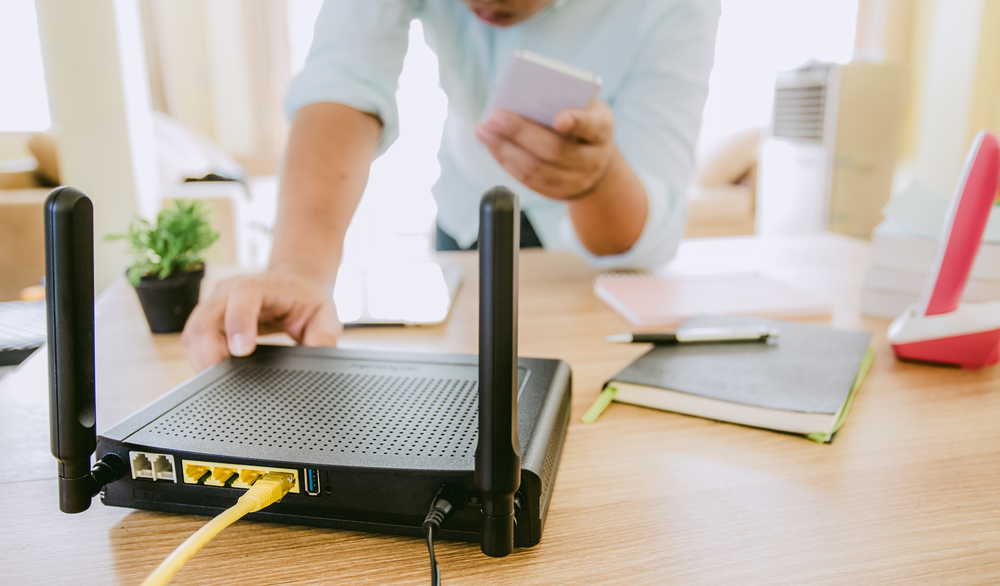
The guidance provided by the NSA and FBI is clear and actionable. The most immediate step is to reboot your router and begin doing so on a regular basis. Beyond that, users are encouraged to review their device settings and ensure that basic security measures are in place.
Changing default usernames and passwords is one of the most important actions. Strong and unique credentials can significantly reduce the risk of unauthorized access. Updating firmware is equally critical, as manufacturers release patches to fix known vulnerabilities. Disabling remote management features can also prevent external access attempts.
For those using older devices that no longer receive updates, replacing the router may be necessary. While this may seem inconvenient, it is a crucial step in maintaining a secure network. Paying attention to browser and email warnings is also important, as these alerts can indicate attempts to intercept secure communications.
A Simple Habit That Could Make a Big Difference
What makes this situation so compelling is how it brings cybersecurity into everyday life. There is no complex software to install or advanced knowledge required. Instead, it is about building simple habits that can reduce risk over time. Restarting a router, updating a password, or checking for updates may seem minor, but these actions can have a meaningful impact.
The broader lesson is that digital security is no longer optional. As technology becomes more integrated into daily routines, the responsibility to maintain it grows as well. Small oversights can create opportunities for attackers, while small actions can help prevent them.
In the end, the warning serves as both a caution and a reminder. The tools we rely on every day are powerful, but they are not immune to risk. Taking a few moments to secure them can make all the difference in protecting personal information in an increasingly connected world.