
Your cart is currently empty!
Melania Trump Helps Secure Safe Passage For Hundreds Of Ukrainians Trapped Under Russian Occupation

Hundreds of Ukrainian civilians have finally escaped a devastated town after spending years trapped under Russian occupation, with an extraordinary diplomatic intervention helping make their return possible. Emotional scenes unfolded at the Ukrainian border as exhausted residents stepped off buses and reunited with family members they had feared they might never see again.
Contents
show
The evacuation from Oleshky followed a temporary humanitarian ceasefire involving Russia and Ukraine, with US First Lady Melania Trump helping negotiate the arrangement. Some residents arrived severely malnourished, while others required stretchers and wheelchairs after enduring years without reliable access to food, medicine or basic services.
For families who had spent years separated by the war, the operation offered a rare moment of relief. It also raised hopes that the unusual cooperation between officials from both countries could eventually help other civilians trapped in frontline communities.
Melania Trump Plays A Key Role In The Humanitarian Ceasefire
The evacuation brought Ukrainian and Russian officials together in an unusual diplomatic operation designed to help civilians leave Oleshky safely. The temporary ceasefire allowed humanitarian workers to access the occupied town, clear mines from roads and coordinate the movement of residents who wanted to escape.
Ukrainian President Volodymyr Zelensky confirmed the arrival of the evacuees on Saturday afternoon, announcing that Ukrainian citizens had crossed the border in the Chernihiv region. He thanked the American side and Melania Trump for helping mediate the arrangement, while also recognising the efforts of Ukrainian officials and military personnel involved in the operation.
“I thank the American side and US First Lady Melania Trump for their mediation,” Zelensky said. He also praised Ukraine’s Defence Forces for ensuring the security conditions required to carry out the humanitarian mission.
The first lady subsequently addressed the operation on X, describing the significance of the agreement in a message that connected the evacuation with the possibility of cooperation between opposing sides. “Oleshky proves we can raise humanity above war,” she wrote.
After the ceasefire ended on November 1, Melania described the arrangement as a success and thanked both countries for their involvement. “On behalf of America, I commend Russia and Ukraine for their leadership and cooperation surrounding the Oleshky ceasefire,” she said, adding that she hoped the operation would provide a foundation for lasting peace.
The diplomatic involvement attracted particular attention because Russia and Ukraine have remained deeply divided over the conditions required to end the wider war. Even so, both governments participated in an arrangement that allowed civilians to escape a town where conditions had deteriorated dramatically.
Oleshky Residents Faced Starvation After Years Of Occupation
Oleshky is located on the left bank of the Dnipro River in southern Ukraine, opposite the Ukrainian-held city of Kherson. Russian forces took control of the town during the opening days of the full-scale invasion on February 24, 2022, and its remaining population gradually faced increasingly severe shortages.
Before the invasion, approximately 24,000 people lived in Oleshky. Ukrainian estimates suggested that between 1,700 and 2,000 residents remained when the evacuation operation took place, although neither Moscow nor Kyiv provided an exact figure for the number of people who eventually left.
Fighting and drone attacks made supply deliveries increasingly dangerous, while the destruction of infrastructure left residents without reliable electricity, gas and other essentials. Reports from Ukrainian authorities indicated that food deliveries had stopped months earlier, leaving people dependent on whatever provisions they could find.
The situation became particularly desperate during the final months before the ceasefire. Residents speaking after their evacuation described surviving on vegetables, canned food and other supplies left behind in abandoned apartments, with some reportedly going for extended periods without bread.
One former resident, 29-year-old Valera, described how desperate the situation had become. “People were cooking grass,” he said, explaining that residents had started growing it because they had nothing else available to eat.
Valera also described reports of people shooting and cooking dogs to survive, while others had been killed by explosions and fighting. His account painted a picture of a community where ordinary life had become almost impossible and even finding enough food to survive another day was a serious challenge.
Another evacuee, Oleksandr, described his departure as an escape from conditions he could barely endure. “It was like I’d escaped from hell,” he told CNN, explaining that he had been unable to go outside and had survived by eating whatever people had left in their apartments.
The town had also suffered enormous destruction before the evacuation. In 2023, a major flood followed the collapse of the nearby Nova Kakhovka Dam, an incident widely attributed to a Russian explosion by Ukrainian sources, adding another layer of devastation to an already vulnerable community.
A Husband Waited 1,711 Days To See His Wife Again

Among the most emotional reunions involved Dmytro and his wife Larisa, who had spent more than four years apart. Dmytro, a Ukrainian soldier, had been counting the days since their last meeting, reaching 1,711 days before she finally crossed into Ukrainian-controlled territory.
He waited near the border between Ukraine and Belarus, watching for the bus carrying Larisa and the other evacuees. When she finally arrived, the couple embraced and kissed repeatedly, with Dmytro holding his wife after years of uncertainty about whether they would ever be together again.
Larisa’s physical condition reflected the suffering she had experienced during the occupation. She had lost approximately a third of her body weight, and her weakened appearance revealed the consequences of prolonged food shortages and limited access to essential supplies.
Despite everything she had endured, Larisa spoke about the suffering of other Ukrainians when asked about her situation. She told CNN that many people across the country were experiencing similar hardships, while expressing hope that the war would eventually end and peace would return.
Her experience also illustrated the difficult decisions families faced when Russian forces occupied their hometown. The couple had managed to get their daughter out, but Larisa remained behind because she feared being stopped at a Russian military checkpoint if she attempted to leave.
Such checkpoints were associated with the so-called filtration process, involving questioning of Ukrainians attempting to leave occupied territory. Reports have described these procedures as humiliating and sometimes violent, creating additional fears for residents already living under dangerous conditions.
Another Family Reunited After Three Years Apart
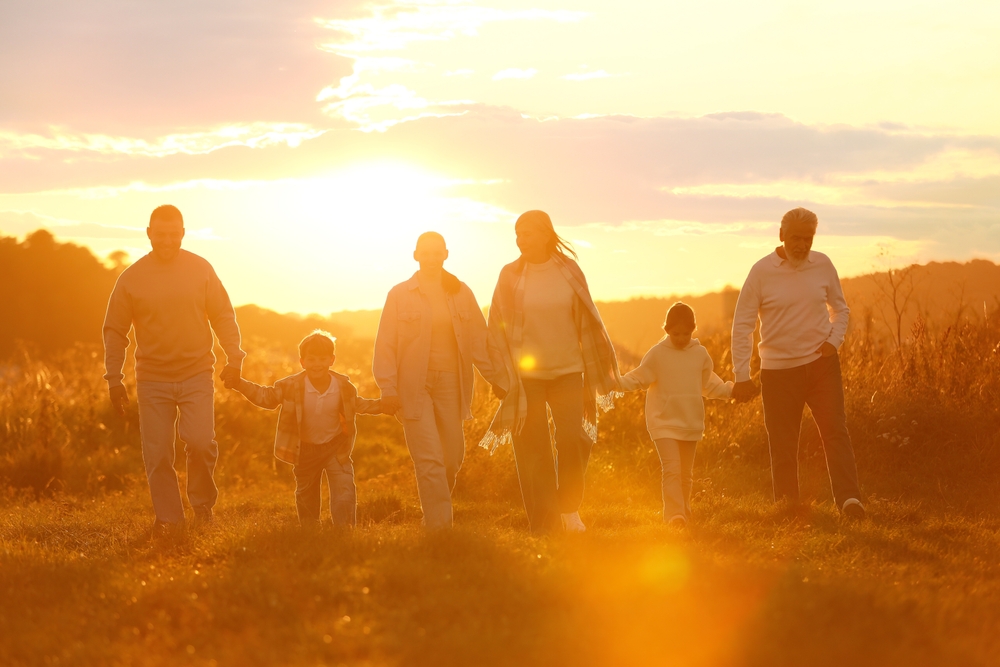
The Paliy family also experienced an emotional reunion after years of separation. Zhanna Ptakhova and her daughters, Elizaveta and Daria, had managed to escape earlier in the war, but Mykhailo Paliy remained behind to look after their family home.
He originally believed the separation would be temporary and that his family might eventually return. However, as fighting continued and conditions deteriorated, he was forced to adapt to a life without electricity, gas or reliable heating.
Mykhailo survived through practical ingenuity, building a stove, raising chickens and planting a garden to produce food. His wife described how he transformed their modern home into a place where he could survive without the conveniences most people take for granted.
When the family finally reunited, the emotional strain of their separation became clear. Mykhailo said he recognised his daughters immediately among the people arriving on the buses, bringing an end to years of uncertainty.
The Evacuation Required A Dangerous Journey Through Russia
Getting residents out of Oleshky was complicated by the geography of the frontline and the dangers surrounding the town. Although Ukrainian military positions were reportedly just five kilometres away, civilians could not simply cross the nearby Dnipro River and enter Ukrainian-controlled territory.
Bridges had been destroyed, riverbanks were mined and roads were exposed to drone attacks and military debris. One resident who had escaped several weeks earlier reportedly told the BBC that he had walked through 24 kilometres of minefields to reach safety.
The ceasefire provided the opportunity to clear the roads and organise a more controlled evacuation. After demining work was completed, residents gathered on Friday and prepared to leave in a convoy of buses and ambulances.
Their route was unusual because it required travelling through Russian-controlled territory before reaching Ukraine. Rather than crossing directly into Ukrainian-held areas, evacuees travelled through Crimea and southern Russia before boarding aircraft bound for Belarus.
The journey involved several stages:
- Leaving Oleshky: Residents gathered for the organised evacuation, with a four-hour departure window before the convoy left.
- Crossing Crimea: Buses transported evacuees through the Russian-occupied Crimean peninsula towards the Russian town of Anapa.
- Flying to Belarus: Residents boarded aircraft at Anapa airport and travelled to Gomel, according to Russian and Ukrainian officials.
- Returning to Ukraine: The evacuees continued by bus towards the Ukrainian border in the Chernihiv region.
- Receiving assistance: Medical teams and government representatives welcomed the arrivals and began arranging support for those requiring additional care.
The operation involved 25 buses with capacity for approximately 750 people, alongside ambulances for elderly residents and those with limited mobility. According to Lubinets, the oldest evacuee was 94 years old, while the youngest was just one.
The arrival produced remarkable scenes as families rushed towards buses and embraced relatives they had not seen for years. Strangers also lined sections of the road, waving Ukrainian flags as the convoy travelled through the country.
Doctors Face A Difficult Recovery For Malnourished Evacuees
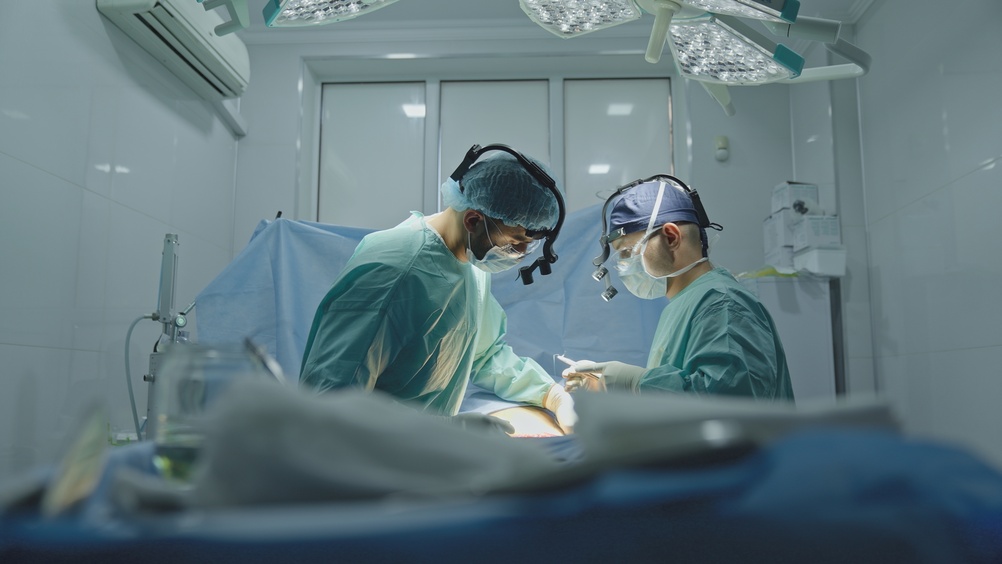
Crossing the border brought relief, but many residents needed immediate medical attention after years of inadequate food and healthcare. Medical personnel were waiting to assess the evacuees, including elderly people, injured residents and individuals who had struggled to access treatment during the occupation.
Andriy Zhydenko, director of Chernihiv Regional Hospital, told CNN that prolonged malnutrition would be one of the biggest medical concerns. He explained that residents who had experienced severe food deprivation needed careful nutritional support because consuming too much food too quickly could create dangerous complications.
The medical teams also had to consider existing conditions that may have worsened without proper treatment. Some evacuees had suffered strokes, while others had injuries or mobility problems that required additional attention and assistance.
The hospital director described the response from his staff as an emotional moment for everyone involved. He said employees had volunteered to travel to the border because they wanted to help people who had endured years of suffering.
For the evacuees, access to doctors represented an opportunity to begin addressing health problems that had remained untreated for months or even years. However, rebuilding their strength and recovering from prolonged malnutrition could require considerable time and carefully managed medical care.
The condition of the arrivals also demonstrated how severely the occupation had affected everyday civilian life. Food shortages, damaged infrastructure and limited medical access had combined to create circumstances in which even basic survival became difficult.
Some Residents Chose To Remain In Oleshky

Although hundreds of people took the opportunity to leave, not everyone wanted to abandon the town. Ukrainian and Russian officials said some residents had decided to remain despite the dangerous conditions and the possibility that fighting could resume after the temporary ceasefire expired.
Others chose to travel to Russia instead of returning to Ukrainian-controlled territory. Russia’s human rights commissioner Yana Lantratova said evacuees choosing that option were received at a temporary accommodation centre in Simferopol, Crimea.
The decisions reflected the complicated circumstances facing people who had spent years living under occupation. Some were elderly residents who did not want to leave familiar surroundings, while others had concerns about their homes, possessions and ability to rebuild their lives elsewhere.
Officials from both countries said humanitarian assistance would be provided to those who remained. Russia’s defence ministry announced that it had prepared dozens of tonnes of supplies, including food, medicine, hygiene products and fuel for generators.
The ceasefire also gave humanitarian workers an opportunity to deliver assistance to the town while evacuation operations were underway. However, the future security of those who remained was uncertain as the agreement approached its scheduled end.
After the ceasefire expired on November 1, Lubinets said both sides had honoured their commitments during the operation. He urged officials to preserve the cooperation mechanism so that similar evacuations could take place in the future.
Ukraine Wants The Agreement To Help Other Frontline Communities
The evacuation has created an opportunity for Ukraine to pursue similar humanitarian arrangements in other communities facing severe shortages. Lubinets told CNN that several villages were experiencing problems with access to food and medicine, making further cooperation necessary.
He described the operation as an important example of negotiations with Russia involving Melania Trump’s coordination role. He also acknowledged that repeating the process would require participation from the Russian side, meaning its future depended on continued cooperation between the two governments.
The ceasefire had already helped facilitate another evacuation in the wider Kherson region. On Sunday, Ukraine’s military announced that 167 people had been evacuated from areas subjected to daily Russian shelling, including 22 children and 21 people with limited mobility.
The operation therefore extended beyond Oleshky, offering assistance to civilians living in other dangerous areas. It also demonstrated how temporary local agreements could create opportunities to move people away from active fighting, even while the wider conflict continued.
However, the diplomatic achievement should be viewed against the continuing disagreements between Moscow and Kyiv. Russia is seeking full control of Ukraine’s Donbas region and restrictions on Ukraine joining NATO, while Kyiv wants continued American intelligence support, access to Elon Musk’s Starshield communications system and a steady supply of Patriot interceptor missiles.
Kremlin spokesman Dmitry Peskov played down the possibility that the Oleshky arrangement would immediately influence broader negotiations. He described it as “a specific and isolated case,” indicating that Moscow did not consider it evidence of progress towards a comprehensive peace settlement.
The wider war has also continued despite the temporary humanitarian pause. Zelensky reported Russian attacks on Ukrainian energy infrastructure, while Ukraine’s military said it had struck a major Russian missile-fuel producer in the Rostov region.
Negotiators from Ukraine, Russia and the United States were expected to resume ceasefire discussions in Abu Dhabi in early November after earlier talks had been suspended.
For the residents who escaped Oleshky, those negotiations may determine whether other families receive the same opportunity to return home. The temporary ceasefire has already allowed hundreds of people to leave conditions that had pushed them towards starvation, while families separated for years have finally been reunited.
The challenge now is keeping humanitarian access open after the agreement expires. For the thousands of Ukrainians still living under occupation, another successful evacuation could mean the difference between remaining trapped and seeing their families again.