
Your cart is currently empty!
Trump Seeks to Halt Federal Gas Tax as Fuel Costs Surge
As escalating conflicts in the Middle East send crude oil prices into unpredictable territory, the Trump administration is proposing a bold, temporary fix by attempting to suspend the federal gas tax. While the prospect of immediate relief offers a much-needed break for families whose weekend plans and entertainment budgets are being squeezed by the daily commute, this proposed pause triggers a complex web of economic, political, and supply-chain realities that could complicate the very savings it promises.
Contents
show
The Push to Suspend the Federal Gas Tax
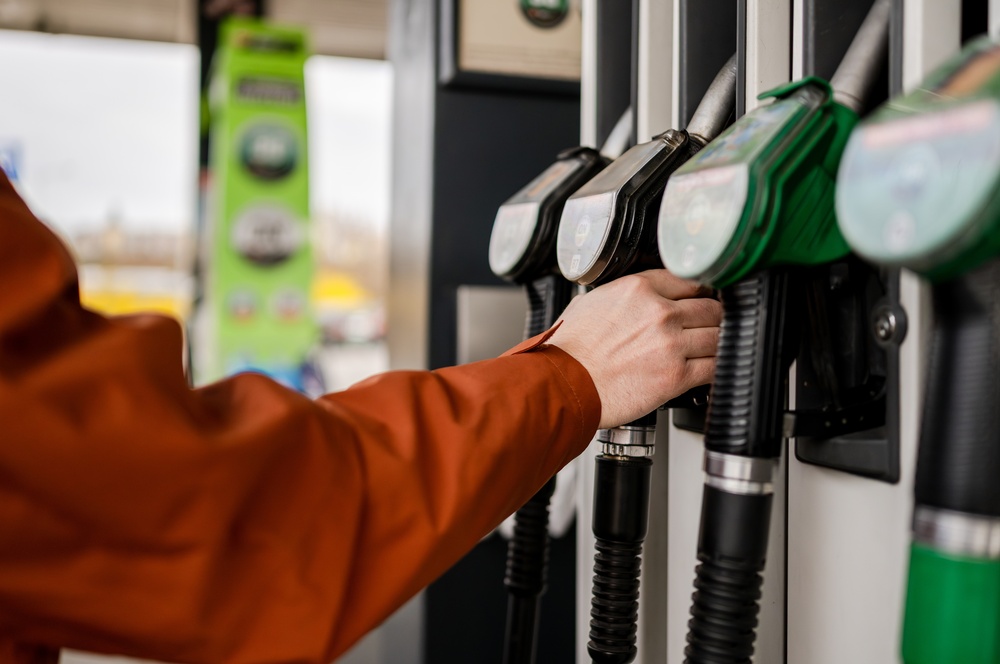
Gas prices are climbing quickly as tensions in the Middle East escalate. In response, the Trump administration is taking steps to suspend the federal gas tax. This proposed pause would temporarily remove the 18.4 cents per gallon fee collected on gasoline across the United States. The policy is a direct attempt to soften the financial blow for American drivers as global energy markets react to the ongoing military conflict involving Iran.
Over the past month, crude oil prices have become highly unpredictable. The Persian Gulf is a major route for the world’s oil supply. Instability in this region forces energy traders to increase prices to account for potential shipping disruptions. As a result, the cost to fill up a gas tank at home has jumped significantly, putting immediate pressure on household budgets and local shipping costs. By halting the federal tax on both gasoline and diesel, the administration hopes to offer immediate financial relief at the pump.
Taxation falls under the control of Congress, meaning a president has limited power to change tax laws directly. To navigate around potential legislative delays, the White House is reportedly looking into declaring a national emergency. This strategy would rely on executive powers designed for times of acute economic stress. Administration officials argue that protecting the financial health of American families during an international crisis must take priority over collecting standard revenue for the national highway trust fund.
Modest Savings, Massive Deficits
While pausing the fuel tax offers immediate appeal, budget analysts caution that the move carries significant hidden costs. The 18.4 cents per gallon levy serves as the primary revenue source for the Highway Trust Fund. This fund finances critical interstate highway repairs and public transit projects across the country. According to projections from the Penn Wharton Budget Model, suspending the tax from June through October would cost the federal government approximately $11.5 billion in lost revenue. Depleting these reserves could accelerate the insolvency of the trust fund, forcing lawmakers to delay essential infrastructure maintenance or borrow additional money to cover the deficit.
Furthermore, economists question whether the full financial benefit will actually reach the consumer. History suggests that during a tax holiday, oil companies and retail gas stations often absorb a portion of the tax cut to boost their own profit margins. Kent Smetters, faculty director of the Penn Wharton Budget Model, pointed out that drivers might only pocket about 13.25 cents of the 18.4-cent tax reduction. Smetters explained that suppliers hold significant pricing power, whereas drivers have little choice but to pay the posted pump price. This dynamic means that a tax suspension could ultimately provide only modest savings for households while simultaneously stripping billions of dollars from essential public works.
A Temporary Fix for a Permanent Crisis
As the White House rallies support for its plan, the proposal faces significant resistance on Capitol Hill. Lawmakers across the political spectrum remain skeptical about the long-term benefits of a tax holiday. Many elected officials argue that a temporary suspension functions merely as a temporary fix rather than a cure for structural energy vulnerabilities. There is widespread concern that once the proposed pause ends, prices will simply rebound, leaving drivers no better off.
This legislative hesitation creates a sharp contrast with the immediate daily reality of the American public. For households managing tight budgets, even a modest reduction in commuting costs can provide breathing room. The ongoing debate in Washington highlights a recurring tension between strict fiscal policy and the urgent demand for consumer relief.
Historically, efforts to pause the federal gas tax have struggled to pass through Congress. Similar proposals in previous years stalled when confronted with the reality of funding national infrastructure. Yet, the current geopolitical climate, heavily influenced by the unrest involving Iran, has amplified the pressure on politicians to act.
Should Congress refuse to vote on the measure, the administration might follow through on declaring a national emergency. Such a decision would almost certainly trigger immediate legal challenges regarding the limits of executive power over taxation. While legal experts debate the constitutionality of bypassing the legislative branch, everyday citizens are left waiting. The situation illustrates how international conflicts swiftly evolve into local financial burdens, continuously testing the adaptability of the American public.
The Real Problem Is Production, Not Taxes

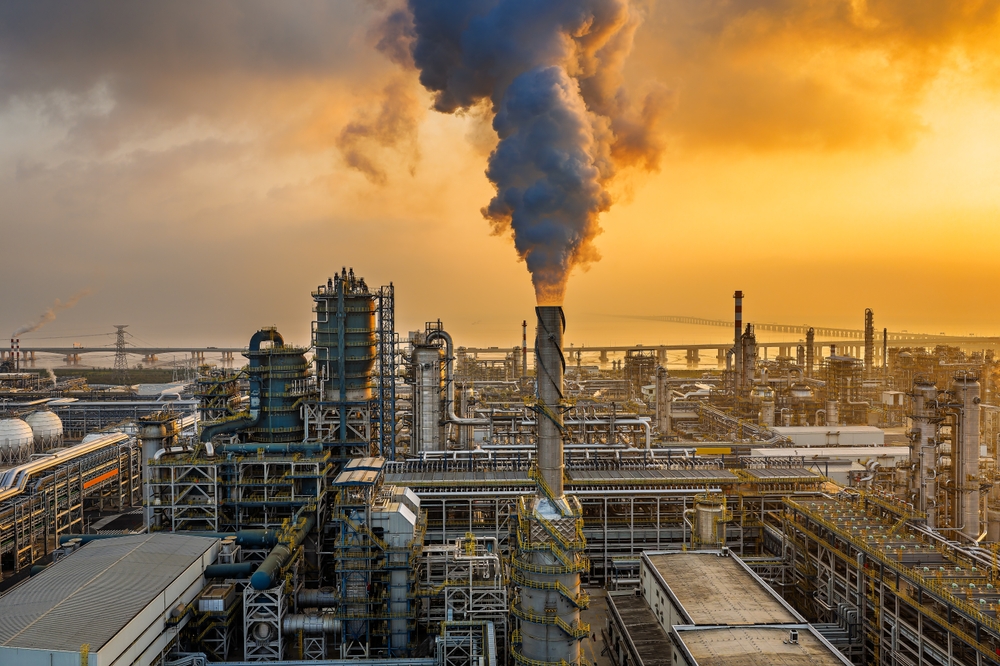
The oil and gas industry is closely monitoring the proposed tax suspension. Energy executives and market analysts have pointed out that a tax holiday does not solve the core problem of restricted supply. Currently, domestic refineries are operating near their maximum capacity limits. Simply lowering the tax rate is likely to increase consumer demand at a time when suppliers are already struggling to keep up with current orders. This resulting imbalance could inadvertently drive baseline fuel prices higher, effectively canceling out any intended savings for the public.
Instead of focusing primarily on the tax code, industry leaders are urging the administration to address domestic energy production. Proponents of this approach argue that increasing the output of American oil fields provides a more stable solution to volatile global markets. They suggest that easing certain regulations on drilling and expanding pipeline infrastructure would create a reliable buffer against international crises. By boosting the domestic supply chain, the country could theoretically stabilize prices at the pump without draining infrastructure funds.
However, scaling up production is not a fast process. Drilling new wells and expanding refining capabilities require significant time and large capital investments. Environmental organizations are also firmly pushing back against any new expansion of fossil fuel infrastructure, warning of long term ecological damage. This leaves the administration caught between the loud calls for immediate financial relief and the complex realities of the global energy supply chain.
Fueling Escapism
The conversation around the gas tax might happen in Washington, but the reality hits at the kitchen table. High fuel prices force families to make quick decisions about where their money goes, and entertainment is often the first budget line to be cut. When the cost of commuting eats into disposable income, the result is fewer weekend road trips, skipped movie premieres, and empty seats at summer concerts. Hollywood and the broader entertainment sector monitor these shifts closely, knowing that a pinch at the gas pump quickly translates to a drop in box office returns.
Yet, a tight economy also reveals how much audiences value a good escape. When elaborate outings become too expensive, people look for joy closer to home. A canceled vacation might turn into a family movie marathon, and a costly arena concert might be swapped for a local theater production. The push for a tax holiday is essentially an effort to protect these everyday moments of leisure. Ultimately, the cost of global energy conflicts is managed by regular citizens who are simply trying to balance their budgets while still finding ways to relax, connect, and be entertained.