
Your cart is currently empty!
The Wild Boomer Parent Habits Millennials Cannot Stop Talking About
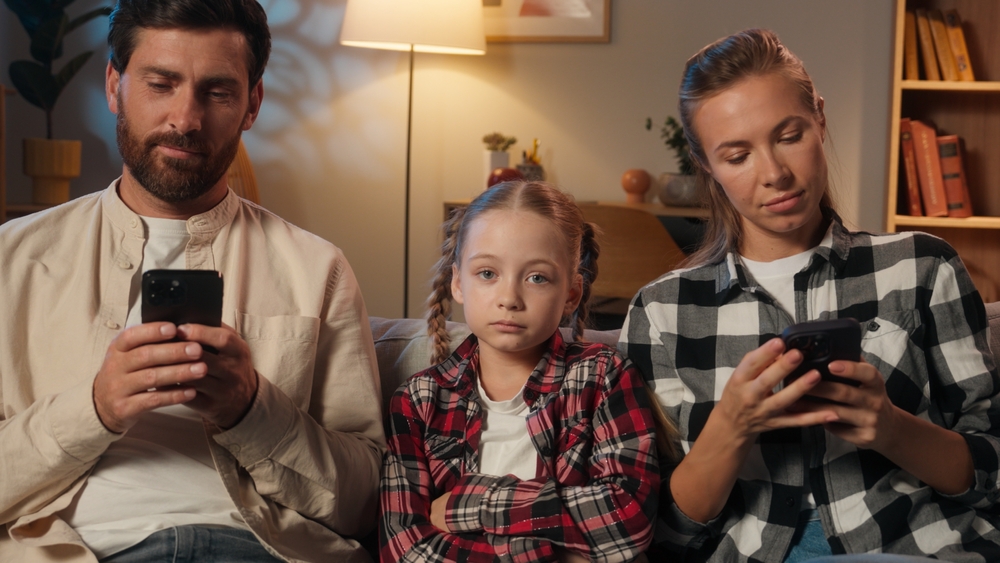
One minute, your dad is yelling at you for being on your phone too much. The next, he’s doom-scrolling Facebook while the TV blasts weather updates nobody asked for.
Contents
show
That pretty much sums up the growing internet conversation about Boomer parents and the increasingly baffling habits that leave Millennials torn between frustration, guilt, laughter, and reluctant affection.
A viral Reddit discussion sparked thousands of responses after younger adults started comparing notes on the strange routines, anxieties, and quirks their parents seem to share. Some stories were hilarious. Others were unexpectedly sad. A few hit a nerve because they revealed how aging, technology, loneliness, and generational change are reshaping family relationships in real time.
The Internet Cannot Stop Talking About Boomer Parent Habits
The discussion exploded after Millennials began listing the oddly specific things their parents do that somehow feel universal.
One person described parents who save every yogurt container, plastic bag, and cardboard box “just in case” they might need it someday. Another joked that their father still signs text messages with “From, Dad,” as though he might otherwise be confused with somebody else.
Others shared stories about parents who leave cable news or old reruns playing around the clock.
“TV on 24/7,” one user wrote. “Constantly flipping between Law and Order, HGTV, and Guy Fieri.”
Another person said their father becomes visibly irritated if anyone talks during reruns of shows he has already watched dozens of times.
Then there were the texts.
Many Millennials agreed that Boomer parents have a remarkable ability to send messages that sound like an emergency before revealing something completely harmless.
“We need to talk,” one mom texted her child.
The issue turned out to be a forgotten casserole recipe.
Another user said their father regularly sends messages saying, “Call me right now,” only for the conversation to revolve around weather updates or minor errands.
The stories quickly spread because readers recognized their own families in almost every example.
Some Of The Funniest Habits Were Also The Most Endearing

Not every complaint came from a place of anger.
A lot of the stories carried the same emotional tone people use when describing relatives who drive them crazy but still make family gatherings feel familiar.
One of the most widely shared examples involved Boomer parents printing absolutely everything.
Emails.
Facebook posts.
Recipes.
Coupons.
Instructions that already exist online.
One person described how their father printed every birthday comment left on Facebook, stapled the pages together like a booklet, and mailed them as a physical keepsake.
It sounds absurd to younger people raised on screenshots and cloud storage.
At the same time, there is something strangely sweet about wanting digital interactions to exist in a form you can physically hold.
Another recurring habit involved formal phone etiquette that survived the smartphone era.
“My dad states who he is every time he calls me,” one Millennial wrote.
Others said their parents still leave long voicemails even when the information could fit into a five-word text.
Some admitted these routines had become oddly comforting.
There was also a flood of stories about parents obsessing over weather forecasts.
One user said their father treated local storm updates like the Super Bowl.
Another remembered being forced to stay quiet during “Local Weather on the 8s” because the forecast demanded total concentration.
For many readers, the details felt incredibly specific yet instantly recognizable.
The Habits Often Come From Fear, Scarcity, And Survival

The funniest stories also revealed something deeper.
A lot of Boomer behavior makes far more sense once people remember who raised them.
Many Boomers grew up with parents shaped by the Great Depression, World War II rationing, economic instability, and periods where throwing away food or household items felt irresponsible.
That context came up repeatedly during the online discussion.
The habit of saving containers, reusing bags, freezing leftovers forever, and refusing to waste food did not appear out of nowhere.
For older generations, those routines were often connected to survival.
One commenter explained that even though Boomers themselves did not directly experience the Great Depression, they were raised by people who did.
That mindset was passed down through households.
Food was never wasted.
Clothes were repaired repeatedly.
Containers were reused until they physically fell apart.
The same explanation may help clarify why some older adults become intensely anxious about mail, bills, or household disasters.
One Millennial described a father who constantly worried the family home would burn down.
Not because of the danger itself, but because losing a home once carried the risk of complete financial ruin.
Another person joked about their mother tracking mailed packages with the emotional intensity of a hostage negotiation.
She called when the item was shipped.
She called when it was expected.
She called if delivery was delayed.
She called to confirm it arrived.
While younger people often laugh at these habits, they are frequently tied to generations that lived with less economic stability and fewer safety nets.
Why Travel Becomes Complicated As Parents Age

One of the most debated parts of the viral discussion centered around Boomer parents who claim they want to travel but rarely go anywhere.
Several Millennials described parents who seemed jealous of vacations and experiences but resisted making plans themselves.
At first glance, the contradiction sounds frustrating.
But many older adults pushed back against the criticism by explaining what younger people often fail to see.
Travel changes dramatically when aging bodies enter the equation.
Long car rides become exhausting.
Airports become physically demanding.
Sleep apnea machines, insulin, medications, mobility limitations, bathroom access, and chronic pain suddenly turn simple trips into logistical puzzles.
One commenter listed the realities their own aging parents face while traveling:
- Carrying medications that require refrigeration
- Needing frequent bathroom breaks
- Difficulty walking long airport distances
- Swollen legs during flights
- Fatigue from extended driving
- Trouble sleeping away from home
For younger adults, travel usually represents freedom.
For many older people, it can feel physically stressful, financially risky, or simply overwhelming.
That disconnect highlights one of the biggest themes running through the entire conversation.
A lot of generational conflict comes from people misunderstanding experiences they have not lived through yet.
Technology Completely Flipped Family Roles

For decades, parents were the authority figures who explained how the world worked.
Then technology changed everything.
Suddenly, millions of Millennials found themselves acting as unpaid IT departments for the people who raised them.
The Reddit thread was full of stories about emergency tech support visits.
One person said their parents wait until family visits to casually reveal that the security camera stopped working three months ago, the Roku froze, and the internet printer disappeared from the network.
Another joked that their mother answers every spam phone call despite repeated warnings.
“The complete lack of knowledge on how technology works,” one commenter wrote, describing a parent who contacted the Apple Store because the internet stopped working.
At the same time, younger generations also admitted that Boomers adapted to smartphones in ways nobody expected.
Many Millennials pointed out the irony that parents who once complained about excessive screen time are now deeply attached to Facebook, YouTube, cable news, and mobile games.
One person said their mother drove hours to visit family, only to spend most of the trip staring at her phone.
Another wrote, “If I had a nickel for every time my dad yelled at us to turn off the TV growing up, I’d be rich.”
The role reversal created a strange emotional dynamic.
Millennials grew up hearing that technology was ruining attention spans.
Now, many are watching older relatives become consumed by algorithm-driven outrage, conspiracy content, nonstop news cycles, and social media addiction.
Some Millennials Say Their Parents Are Becoming Harder To Recognize

The conversation became more serious when people started discussing personality changes in aging parents.
One viral post described a couple in their seventies who had slowly lost nearly all their friendships after years of conflict, resentment, and emotional outbursts.
According to their adult child, former dinner parties and social circles disappeared as arguments piled up.
“My mom just blew up a 40-year friendship over a minor slight,” the writer explained.
Others said they noticed similar shifts in their own families.
Parents who once seemed patient became angrier more easily.
Minor inconveniences triggered explosive reactions.
Social media appeared to intensify fear, suspicion, and political obsession.
Some readers blamed constant exposure to outrage-driven news.
Others pointed toward untreated anxiety, depression, isolation, or cognitive decline.
Mental health came up repeatedly.
Many Millennials said their Boomer parents encouraged therapy for younger generations while refusing professional help themselves.
One commenter argued that older adults often grew up in environments where emotional vulnerability carried stigma.
Instead of discussing loneliness, anxiety, or depression openly, many buried those feelings for decades.
As people age, maintaining emotional control can become harder.
Retirement, health issues, grief, shrinking social circles, and nonstop online negativity can intensify personality traits that were once easier to hide.
Several users also pointed out that generational criticism itself can become unfairly simplistic.
Not every difficult parent fits the stereotype.
Not every Boomer spends all day watching cable news and forwarding conspiracy memes.
And younger generations carry plenty of habits older adults find equally confusing.
Millennials Are Already Wondering What Future Generations Will Say About Them

One reason the conversation spread so widely is that many readers recognized that generational embarrassment never truly disappears.
Every generation eventually becomes the older group, and younger people roast online.
Millennials may laugh at parents printing Facebook comments today.
In 30 years, Gen Alpha might mock Millennials for clinging to outdated apps, obsessing over nostalgic music, or refusing to stop using technology that younger people consider ancient.
Some commenters already joked about future complaints.
Maybe Millennials will continue Googling things long after search engines disappear.
Maybe younger generations will make fun of adults who still quote early internet memes or play 2000s hip-hop at inappropriate family events.
Maybe smart homes, artificial intelligence, or future devices will eventually leave Millennials looking just as confused as their parents trying to reset a Wi-Fi router.
The cycle keeps repeating because technology and culture now evolve faster than any previous generation experienced.
A person can spend decades mastering the world around them only to wake up one day feeling completely disconnected from how younger people communicate, work, date, shop, or think.
That realization quietly sits underneath many of the funniest stories.
The Generational Divide Is Real, But So Is The Affection
Despite all the complaints, most of the viral stories carried affection underneath the frustration.
People were not simply mocking strangers online.
They were describing parents who taught them how to drive, packed school lunches, fixed broken appliances, and spent years trying to build stable lives for their families.
Even the most irritating habits often came wrapped in familiarity.
The mom who sends terrifying texts also remembers every birthday.
The dad who cannot operate Netflix probably spent years balancing bills, repairing the house, or driving kids to school events.
That emotional contradiction explains why so many people connected with the discussion.
Family relationships become more complicated as parents age.
Adult children start noticing vulnerabilities that never seemed visible during childhood.
The people who once handled every crisis suddenly struggle with passwords, smartphones, loneliness, changing social norms, or declining health.
Sometimes the result is funny.
Sometimes it is painful.
Often it is both.
The internet tends to flatten generations into stereotypes. Lazy Millennials. Angry Boomers. Phone-addicted Gen Z kids.
Real families are usually far messier than that.
Behind the viral jokes about expired condiments, nonstop weather reports, and panic-filled text messages sits something far more recognizable.
Everyone is trying, in their own imperfect way, to adapt to a world that changed faster than they expected.