
Your cart is currently empty!
Mom Introduces 90s Cartoons to Her Kids and Notices Two Big Changes
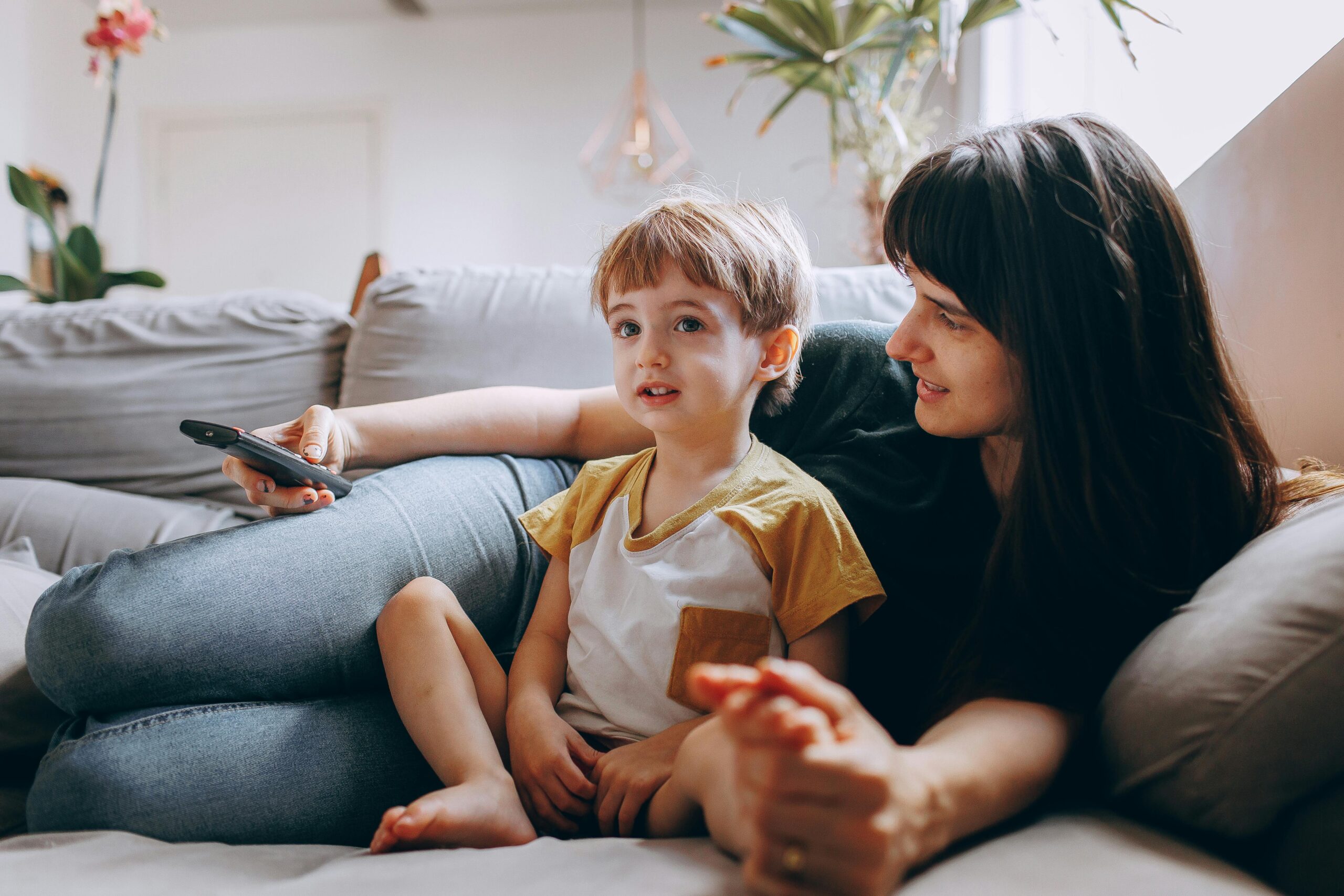
It started with a feeling many modern parents quietly share.
Contents
show
Something about today’s children’s shows felt overwhelming. The colors were brighter, the pacing was faster, and the reactions they triggered in kids felt intense. For one mom, that feeling turned into curiosity. And that curiosity quickly became an experiment that would capture the attention of millions.
Lauren Isler, known online as @mamasandmesses, wasn’t trying to spark a viral trend. She simply wanted to understand why her toddler struggled with screen time transitions and restless sleep. Instead of removing screens completely, she tried something different. She swapped modern cartoons for the ones she grew up watching in the 1990s.
The results were immediate, surprising, and for many parents, deeply relatable.
The Moment One Mom Decided to Try Something Different
Lauren’s journey did not begin with strict rules or a dramatic parenting overhaul. Like many families, her household used screens when needed. She openly shared that her younger son’s medical needs sometimes required long care routines, and during those moments, screen time helped keep her older child occupied.
But over time, she began noticing patterns that were hard to ignore.
Her toddler struggled when the TV was turned off. Transitions felt difficult. Bedtime became more challenging than it should have been. These weren’t extreme behaviors, but they were consistent enough to raise concern.
Instead of eliminating screen time entirely, Lauren asked a simple question. What if the issue wasn’t just how much her child was watching, but what he was watching?
That question led her back to her own childhood.
She introduced her toddler to shows like Bear in the Big Blue House, Arthur, Dragon Tales, Franklin, and Mister Rogers’ Neighborhood. These shows were slower, softer, and built around storytelling rather than constant stimulation.
At first, her child asked for the usual modern programs. That part wasn’t surprising. Change rarely happens instantly with young kids. But Lauren reframed the experience as something exciting. She told her children they were exploring shows that she loved growing up.
And slowly, something shifted.
Change One: Fewer Meltdowns and Easier Transitions

One of the first differences Lauren noticed was how her child reacted when screen time ended.
Previously, turning off the TV could lead to frustration or resistance. This is something many parents experience, and it often feels unavoidable. But after switching to 1990s cartoons, the reaction was completely different.
Her toddler still enjoyed watching. He laughed, paid attention, and engaged with the stories. But when it was time to turn the TV off, something unexpected happened.
He simply moved on.
No arguments. No emotional pushback. No sense that something had been taken away from him. In some cases, he even walked away from the screen before the episode ended to play with his toys.
This shift stood out not just because it made daily routines easier, but because it suggested something deeper. The screen no longer held the same level of control.
Other parents quickly related to this change. Many described similar struggles with modern content that seemed almost impossible to pause without conflict. The idea that content itself could influence these reactions sparked widespread discussion.
Experts have long explored how highly stimulating media can activate the brain’s reward system. Fast pacing, constant scene changes, and bright visuals can create a continuous loop of engagement that is difficult for young children to step away from.
In contrast, slower-paced storytelling allows children to process what they are watching. It creates natural pauses. It gives their brains space to rest.
For Lauren’s family, that difference showed up in everyday moments that suddenly felt calmer and more manageable.
Change Two: Better Sleep and Calmer Evenings

If the first change was noticeable, the second one was even more significant.
Lauren began to see improvements in her toddler’s sleep.
Bedtime became smoother. Her child fell asleep more easily and stayed asleep longer. For any parent, this kind of change can feel life-changing.
The connection between screen time and sleep is something researchers have been studying for years. According to insights referenced in discussions around the American Academy of Pediatrics, fast-paced and overstimulating content can make it harder for children to wind down before bed. Their brains remain active, making the transition to sleep more difficult.
When Lauren switched to older shows, the difference in pacing was clear.
1990s cartoons often featured:
- Slower storytelling rhythms
- Softer color palettes
- Gentle background music
- Clear, simple narratives
These elements created a viewing experience that felt less intense and more relaxing. Instead of leaving children energized or overstimulated, the shows helped them settle.
For Lauren’s toddler, this translated into longer and more restful sleep.
Parents who followed her story began sharing similar experiences. Many reported that replacing high-energy content with calmer programming helped their children wind down more easily in the evenings.
While every child is different, the pattern was difficult to ignore.
Why 90s Cartoons Feel So Different
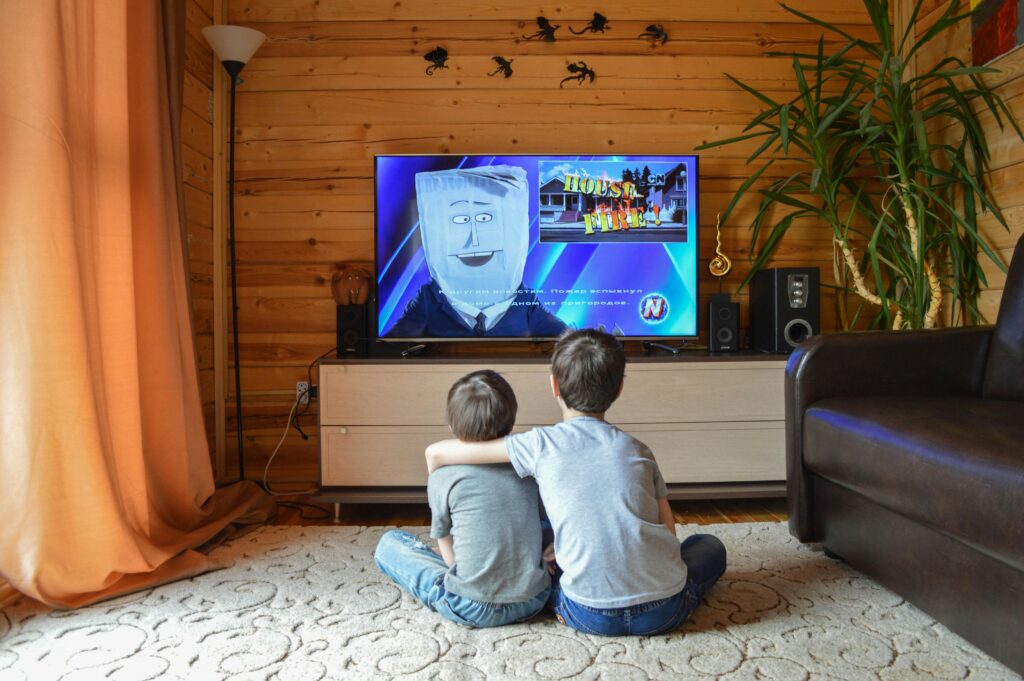
To understand why this experiment worked, it helps to look at how children’s media has evolved.
Television in the 1990s operated under very different conditions. There was no algorithm competing for attention. Episodes were released on schedule rather than instantly available in endless loops. And creators often focused on storytelling and educational themes rather than maximizing watch time.
Shows like Arthur and Dragon Tales emphasized:
- Emotional understanding
- Problem solving
- Friendship and kindness
- Imagination and creativity
The pacing allowed children to follow along without feeling rushed. Dialogue mattered. Silence existed. Moments had time to land.
In contrast, many modern children’s programs are designed to capture and hold attention as efficiently as possible. Rapid cuts, bright colors, and constant movement keep children engaged, but they can also overwhelm developing brains.
Some experts have compared this effect to a constant stream of stimulation that leaves little room for processing. Children may enjoy the content, but stepping away from it becomes more difficult.
Lauren’s experience highlighted this contrast in a very real, everyday way.
The Rise of the iPad Kid Conversation

Lauren’s story resonated because it tapped into a much larger conversation.
Across social media and parenting communities, the term iPad kid has become shorthand for a generation growing up with constant access to screens. Tablets, smartphones, and streaming platforms have made content available anywhere, anytime.
This accessibility has changed how children interact with media.
For many families, screens are not just entertainment. They are tools for managing busy schedules, handling difficult moments, and creating small pockets of calm in otherwise chaotic days.
Lauren herself acknowledged this reality. She made it clear that she does not view screen time as inherently bad. Instead, her experience suggests that the type of content matters just as much as the amount.
This balanced perspective is part of why her story connected with so many people.
Parents are not necessarily looking for perfection. They are looking for options that work.
What Experts Say About Screen Time and Content

To better understand the impact of content choices, child development specialist Dr. Siggie Cohen offered important context.
With decades of experience, she emphasized that concerns about children’s media are not new. Even in the 1990s, parents worried about shows they considered too intense or inappropriate. Her perspective adds an important layer to the conversation.
She explained that while reducing overstimulation can be helpful, it is not about completely controlling what children watch. Instead, it is about being involved and mindful.
Some key takeaways from her insights include:
- Content matters, but so does context: Parents should pay attention not only to what their children watch, but also why they are drawn to certain types of content.
- Balance is essential: Screen time should be one part of a child’s life, not the center of it. Activities like play, creativity, and social interaction remain crucial.
- Parental involvement makes a difference: Watching together, asking questions, and showing curiosity can help children process what they see.
- Avoid using screens as rewards or punishments: Treating screen time as a normal activity rather than something highly restricted can reduce its emotional intensity.
Dr. Cohen also pointed out that children are highly adaptable. Even in a world filled with constant stimulation, they can learn to regulate themselves with the right support.
Small Changes That Made a Big Difference

One of the most powerful aspects of Lauren’s story is how simple the change was.
She did not eliminate screens. She did not enforce rigid rules or completely overhaul her routine. Instead, she made a single adjustment and supported it with small, intentional habits.
Some of the strategies she used included:
- Introducing older shows as something fun and nostalgic
- Offering toys and activities to encourage off-screen play
- Allowing flexibility with modern shows in moderation
Over time, these changes reduced the overall pull of screen time. Her children still enjoyed watching TV, but they no longer depended on it in the same way.
This gradual approach made the transition easier for everyone.
A Touch of Nostalgia With Real Benefits
There is also an emotional layer to this story that resonates deeply.
For many parents, revisiting 1990s cartoons is more than a practical decision. It is a return to something familiar and comforting.
Sharing these shows with their children creates a sense of connection across generations. It turns screen time into a shared experience rather than a solitary one.
And in Lauren’s case, that shared experience came with unexpected benefits.
Her children were not just watching TV. They were engaging with stories that encouraged empathy, creativity, and emotional understanding.
That combination of nostalgia and positive impact made the experiment feel even more meaningful.
What Parents Can Take Away From This Story
Lauren’s experience does not suggest that all modern cartoons are harmful or that every family should switch entirely to older shows. Instead, it offers a thoughtful reminder. Small changes can lead to meaningful results.
For parents curious about trying something similar, a few practical ideas include:
- Experiment with slower-paced, low-stimulation shows
- Observe how your child reacts during and after screen time
- Create a balance between digital and non-digital activities
- Stay involved and engaged with what your child is watching
These steps do not require perfection. They simply encourage awareness and flexibility.
A Simple Swap That Sparked a Global Conversation
What began as a quiet experiment in one household quickly became a viral moment seen by over 128 million people.
But beyond the numbers, the story resonates because it feels real.
It reflects the everyday challenges of parenting in a digital age. It acknowledges that there is no perfect solution. And it offers a hopeful message that change does not have to be complicated to be effective.
Sometimes, it starts with something as simple as pressing play on a different kind of show.
And in this case, that small decision led to calmer days, better nights, and a conversation that continues to grow.