
Your cart is currently empty!
More Than 167,000 Pounds of Meat Recalled Over Fake USDA Inspection Marks
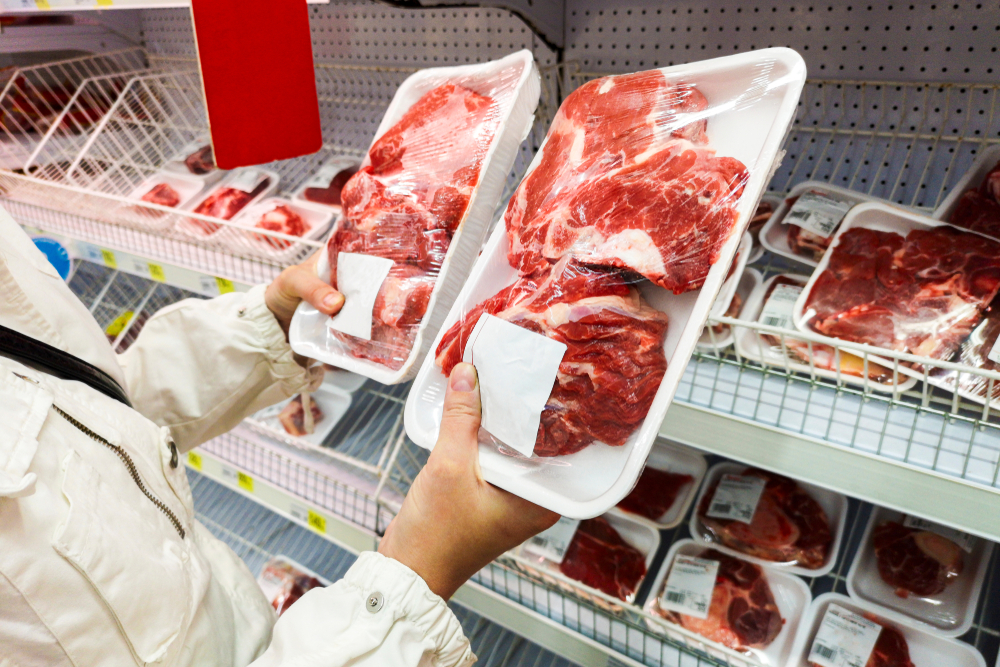
More than 167,000 pounds of beef, pork and goat meat have been recalled after federal inspectors discovered the products were allegedly produced without federal inspection and carried false USDA inspection marks. The sheer volume involved means the warning could extend far beyond a single store or supplier, with affected products reportedly sent into a distribution network serving retailers and restaurants.
Contents
show
The U.S. Department of Agriculture’s Food Safety and Inspection Service said surveillance activities uncovered the problem involving meat produced by North Carolina-based Star Meat Delivery, Inc. The agency is warning consumers not to eat products carrying the false establishment number “EST 1363,” while its investigation continues and could lead to additional products being identified.
More Than 80 Tons Of Meat Are Under Recall
The USDA announced the recall after its Food Safety and Inspection Service identified the inspection issue during surveillance activities. In total, 167,639 pounds of meat products are involved, covering more than 20 individual products. The affected foods include beef, pork and goat meat, and the products were reportedly produced across multiple dates through September 22.
The problem goes beyond a routine packaging mistake. According to the USDA information provided, the recalled products were produced without the benefit of federal inspection and carried marks that falsely indicated an inspection establishment. The number printed on the affected products is “EST 1363,” but the USDA says that establishment number does not have a federal grant of inspection.
That detail is critical because consumers may normally rely on an official-looking inspection mark when purchasing meat. In this case, the agency says the mark was false, meaning shoppers should not assume the presence of the number indicates that the product went through the federal inspection process. The USDA has specifically warned that any product carrying the false “EST 1363” mark should be considered unsafe to eat.
The Products Were Sent To A Wider Distribution Network
The recalled products were produced by Star Meat Delivery, Inc., a company based in North Carolina, and were shipped to A&D Foods in Georgia. The products were expected to be distributed for retail sale and to restaurants around the country. That means the recall is not necessarily limited to consumers who purchased meat directly from the company involved in production.
The distribution chain also creates a practical problem for consumers. Some affected products may already have moved through stores, restaurants or other food businesses before the recall was announced. The USDA said it is concerned that recalled meat could still be sitting in refrigerators and freezers at homes, retailers and restaurants.
The agency’s investigation is ongoing, and the supplied recall information warns that more products could potentially be pulled as officials continue examining the situation. Consumers who have already purchased meat should therefore pay close attention to product information and the establishment number rather than assuming that a product is safe simply because it was purchased from a normal retail or restaurant setting.
Why The Missing Federal Inspection Matters
Federal inspection provides oversight intended to identify food safety problems before meat reaches consumers. When meat is produced without that federal inspection, regulators may not have the same opportunity to assess the products, processing conditions and potential hazards involved. That is why the USDA is treating the affected products as a food safety concern even though no illnesses have been linked to the recall so far.
According to the supplied information, meat produced without federal inspection could contain undeclared allergens, harmful bacteria or other contaminants. The warning does not establish that every package in the recall contains one of those hazards. Instead, the concern is that the products did not receive the federal inspection process that consumers normally expect when buying regulated meat products.
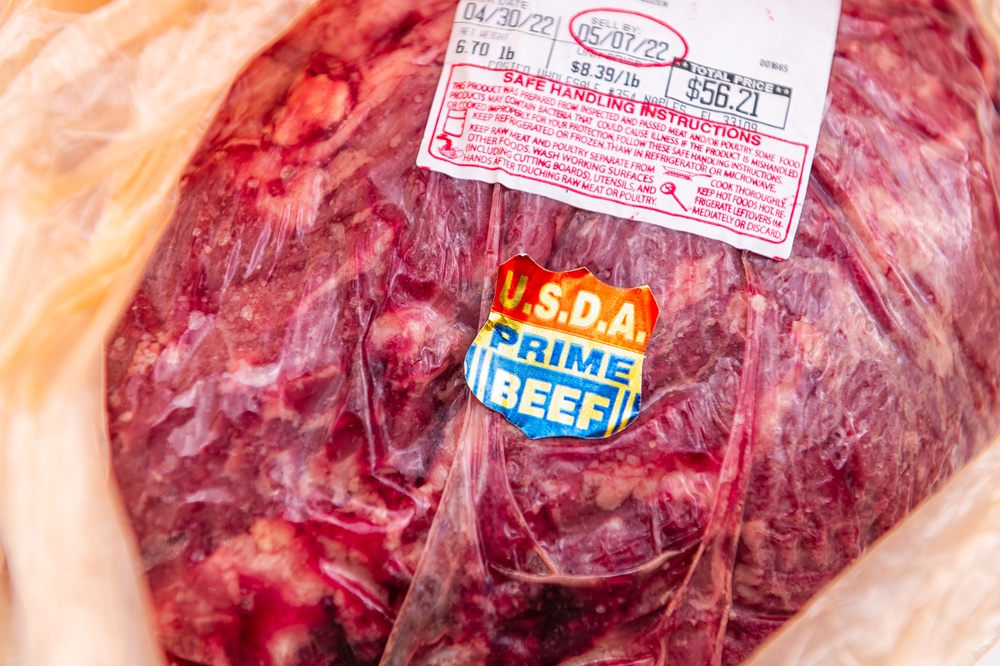
The USDA said it was not aware of any illnesses associated with the recalled meat at the time of the announcement. Anyone who believes they have become ill or suffered an injury after consuming a recalled product should contact a healthcare professional. Consumers should also avoid eating recalled meat simply because it looks or smells normal, since those characteristics cannot establish that a recalled product is safe.
Check Your Refrigerator And Freezer For “EST 1363”
The most important detail for consumers checking their meat supply is the establishment number. The USDA says products carrying the false “EST 1363” mark should be considered unsafe to eat, so anyone who finds that number on affected meat should not cook or consume the product.
The recall involves several types of meat, which means consumers should check packages of beef, pork and goat products rather than focusing on just one category. The affected products may also have reached restaurants and retailers, so people who recently ate prepared meat should be aware of the recall information if they have concerns about where the food came from.
Consumers can use these basic steps when checking for affected products:
- Check the packaging: Look for the “EST 1363” establishment number on recalled meat products.
- Do not eat affected meat: Products carrying the false inspection mark should be considered unsafe.
- Do not serve or sell it: Restaurants and retailers should remove affected products from service or sale.
- Return or discard it: Consumers are advised to return recalled meat to the place where it was purchased or throw it away.
- Watch for updates: The USDA investigation could identify additional products connected to the issue.
Restaurants And Retailers Face The Same Warning
The recall is not limited to people who have meat stored at home. Restaurants and retailers that received affected products are also being warned not to sell or serve them. Because the meat was shipped through a distribution network, businesses may need to check their inventory carefully for products carrying the false establishment number.
For restaurants, the concern extends to ingredients that may already have been placed into food preparation. The USDA’s warning applies to the recalled products themselves, and businesses are advised not to serve affected meat to customers. Retailers likewise should not keep affected products available for sale.
Consumers who encounter recalled products in a store or restaurant should not purchase or eat them. The supplied recall information specifically advises businesses and consumers to keep the products out of circulation while the investigation continues.
More Products Could Be Identified
The USDA’s investigation remains underway, which means the current recall list may not represent the final scope of the problem. The agency has indicated that additional products could be pulled as investigators gather more information about the meat and its distribution.
For consumers, that makes the “EST 1363” number particularly important. Rather than relying on the appearance of the packaging or where the product was purchased, shoppers should pay attention to the specific identification information connected to the recall.
The scale of the recall is already substantial, with 167,639 pounds of meat involved. If additional products are identified, the USDA’s warnings and recall information will provide the relevant updates.
One Number Could Tell You To Leave The Meat Alone
The recall comes down to a detail that could be easy to overlook on a package: “EST 1363.” The USDA says that number was used as a false mark of inspection and does not represent an establishment with a federal grant of inspection.
With more than 80 tons of beef, pork and goat meat involved, consumers have a straightforward step to take: check the meat already sitting in their refrigerator or freezer before preparing it. If an affected product carries the false “EST 1363” mark, it should stay off the dinner table.