
Your cart is currently empty!
Mysterious Oil from $20 Jesus Picture Sparks Claims of Miraculous Healing
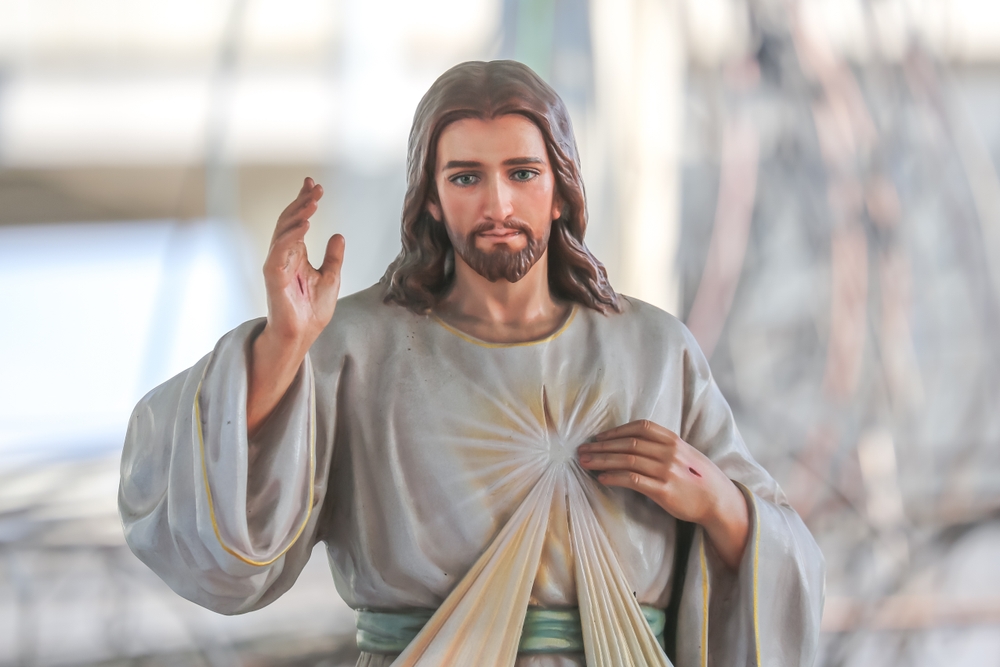
It began as something simple and almost ordinary: a framed $20 replica of Jesus bought from a small religious shop in Toronto. But what happened next has rippled through communities across continents. The image, according to the New York Post, began to leak a strange golden, sticky substance. Believers describe it as myrrh, an ancient anointing oil often associated with divine miracles. Videos of the picture, showing what looks like oily drops forming on the surface, have gone viral on social media platforms. People claim that touching or even standing near the image has healed them from various ailments, including cancer and chronic pain.
Contents
show
The phenomenon has sparked enormous curiosity and debate. Some visitors travel thousands of miles just to witness the “miracle” firsthand. Others approach the event with skepticism, suggesting it could be a simple chemical reaction or even a carefully planned illusion. The contrast between the two perspectives reveals something powerful about how faith and science intersect in moments of mystery.
As word spread, crowds began forming outside the home where the picture was kept. News outlets reported people bringing bottles and cloths to collect traces of the fluid, hoping to carry home what they believe to be a sign from God. What started as a personal artifact quickly became a worldwide spectacle of devotion, disbelief, and wonder.

The Mystery of the Leaking Substance
According to report, those who have seen the image say the sticky fluid smells like sweet oil, similar to the scent used in religious ceremonies. Laboratory tests have not yet confirmed what the substance actually is. Scientists and chemists have been cautious in offering explanations, suggesting possibilities ranging from condensation and resin leakage to manufactured trickery. Yet for those who have experienced what they call miracles after encountering the picture, such rationalizations hold little weight.
In interviews, several individuals claim that illnesses that once plagued them have faded after praying in front of the picture. One woman from Texas said her mother’s cancer symptoms disappeared shortly after she placed a drop of the mysterious oil on her forehead. Another man said he felt a warm sensation spread through his chest, after which his chronic heart condition improved dramatically. These stories, while unverified, continue to spread rapidly online, fueling both hope and skepticism.
Some religious observers have compared the event to previous cases where icons, statues, or paintings reportedly produced tears or oil. In Orthodox Christian tradition, such occurrences are interpreted as divine interventions meant to renew faith among the people. Priests and theologians have weighed in, calling it a reminder that miracles can manifest in the most unexpected places.
But for scientists and secular thinkers, the explanations remain grounded in chemistry and human psychology. To them, such phenomena serve as fascinating studies of belief, perception, and collective emotion rather than proof of supernatural power.
A Global Reaction of Faith and Doubt
The story of the $20 Jesus picture has now reached far beyond the local community. Pilgrims have arrived from as far as South America and Europe, drawn by stories of healing and grace. For believers, the image represents a tangible connection between the divine and human suffering. They see it as a reminder that faith can move beyond words into real physical manifestations. Social media pages dedicated to the picture have gathered tens of thousands of followers, sharing testimonies, prayers, and emotional posts.
Church leaders in some regions have responded cautiously. While they acknowledge the potential for miracles, they warn against unverified claims and the commercialization of faith. Some are concerned that the sudden fame of the picture may lead to exploitation or false hope. Others view the event as an opportunity for renewed spiritual reflection in an age where faith often competes with technology and doubt.

On the other side, skeptics argue that this phenomenon is no different from many other so-called miracles that gained attention in the past but later faded under scientific scrutiny. They point out that extraordinary claims require extraordinary evidence. Without verifiable medical documentation or scientific testing, they believe the healing stories are anecdotal at best. Still, the persistence of belief in the face of uncertainty fascinates even the harshest critics.
The debate has brought together theologians, doctors, psychologists, and journalists all trying to make sense of why such stories capture human imagination so powerfully. It is less about proving what is true and more about understanding why we seek signs of something greater than ourselves.
Why People Believe: The Power of Faith
Faith has always carried a mysterious strength that defies scientific explanation. When people believe something can heal them, their minds and bodies often respond in remarkable ways. Medical researchers have documented what is known as the placebo effect, where hope and belief alone can bring about measurable improvements in health. While this does not necessarily mean miracles are false, it highlights the complexity of human healing and perception.
For many believers, the Jesus picture serves as a symbol of comfort and divine love. It reminds them that even a simple, inexpensive object can hold spiritual meaning. Whether or not the oil truly possesses healing powers, it has reignited faith for countless individuals who had lost hope. Communities have come together to pray, share stories, and reconnect with their beliefs. In a time when division and uncertainty dominate headlines, that unity itself feels miraculous.
Psychologists suggest that such experiences fulfill a deep human need for connection, control, and meaning. In the face of illness or loss, belief in something larger provides emotional strength and peace. For many, this sense of spiritual grounding can be just as healing as medicine. It demonstrates that faith, whether scientifically proven or not, continues to shape human resilience.
The Skeptical View: Searching for Scientific Answers
While believers celebrate the supposed miracle, skeptics continue to search for logical explanations. Some have suggested that environmental factors such as humidity, varnish reactions, or hidden reservoirs of oil could cause the mysterious leaking. Others propose that the picture may have been treated with a special coating that releases liquid under certain conditions. Without transparent testing and documentation, the scientific community remains unconvinced.
To their credit, several experts have called for open collaboration between religious leaders and scientists to examine the phenomenon responsibly. They emphasize that debunking or proving such events is not meant to undermine faith but to bring clarity and truth. Transparency, they argue, is essential in maintaining public trust.

The tension between belief and evidence has existed for centuries. What makes this case unique is how quickly it spread through modern technology. Social media amplifies emotional stories, creating a sense of collective witness. Even skeptics admit that such viral phenomena highlight how powerful digital platforms have become in shaping modern belief systems.
Ultimately, the skeptical perspective does not aim to diminish faith but to encourage critical thought. It asks important questions about authenticity, human perception, and the role of evidence in understanding our world.
Reflection Between Science and Spirit
Whether or not the leaking picture of Jesus truly heals people, it has already achieved something remarkable. It has made millions pause, question, and reflect. For some, it is a sign that miracles are alive and present in the world. For others, it is a reminder of the importance of inquiry and reason. Between these two views lies a deeper truth: the human desire to believe in something greater than ourselves remains unshakable.
In a world that often feels divided between faith and science, stories like this bring both sides into dialogue. They invite us to examine not just what we believe, but why. Perhaps the real miracle lies not in the oil seeping from the frame, but in the hope, conversation, and introspection it inspires. Whether divine or natural, the event serves as a mirror reflecting the eternal dance between wonder and understanding.