
Your cart is currently empty!
Rising Seas Are Claiming New Orleans: Experts Say Relocation Must Begin Now
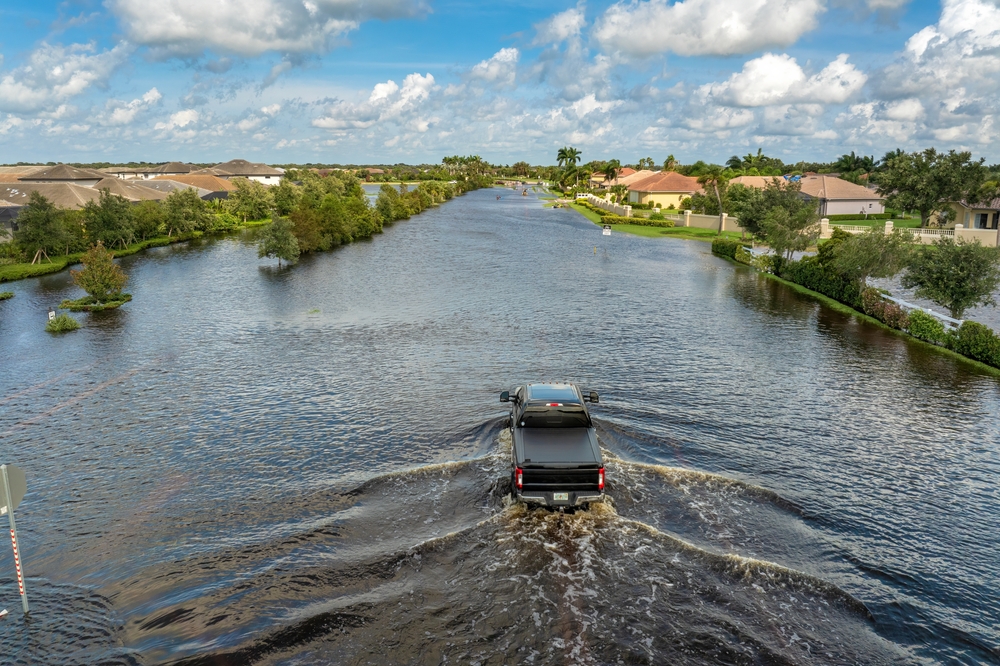
New Orleans is famous for its vibrant neighborhoods, incredible food, and deep family roots, but the Gulf of Mexico is inching closer to those bustling streets every single day. The land underneath the city is slowly sinking at the exact same time that ocean levels are rising.
Contents
show
Even after spending billions of dollars on massive pumps and concrete levees to keep the floodwaters out, researchers are starting to share a very hard truth about how much time this coastal community actually has left.
Decades, Not Centuries: The Future of New Orleans
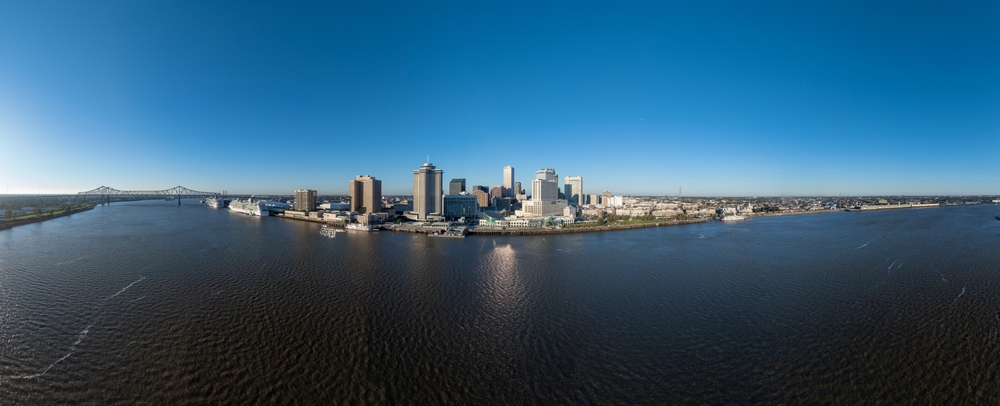
New Orleans is a city steeped in vibrant history and deep community roots, yet its geographic vulnerability has never been more apparent. According to a recent study published in the journal Nature Sustainability, the region is facing an unprecedented environmental turning point. The research points to a combination of rising sea levels and rapidly subsiding landmasses. This dual threat is steadily encroaching upon southern Louisiana.
Currently, roughly 80 percent of New Orleans sits below sea level. The city operates much like a bowl, heavily reliant on complex levee systems and pump networks to remain dry. However, global atmospheric temperatures currently mirror those from the last interglacial period, causing the volume of the ocean to expand significantly. The study estimates that the southern Louisiana shoreline could migrate up to 100 kilometers inland over the next few generations. This dramatic shift could leave the city entirely surrounded by the Gulf of Mexico by the end of this century.
Experts stress that engineering solutions can only buy a limited amount of time. Jesse Keenan, an expert in climate adaptation at Tulane University and a co-author of the study, offers a sobering assessment of the geological data. “In paleo-climate terms, New Orleans is gone,” Keenan noted. He further clarified that the remaining lifespan of the city is likely measured in decades rather than centuries.
This reality is undoubtedly heavy for the families and individuals who call the Gulf Coast home. Yet, acknowledging the science is the first crucial step toward safeguarding human lives and cultural heritage. Rather than viewing this as a sudden catastrophe, researchers urge the public to see it as a slow-moving transition that demands immediate attention. Accepting these factual environmental shifts provides local officials the necessary clarity to prioritize long-term safety over temporary structural fixes.
Experts Say It’s Time to Move to Higher Ground
Since Hurricane Katrina, billions of dollars have gone into building stronger levees, huge floodgates, and massive pumps to protect the 360,000 people living in New Orleans. But researchers are sharing a hard truth. Concrete walls and human engineering cannot hold back the Gulf of Mexico forever. The wetlands of southern Louisiana usually act like a giant sponge to soak up storm surges. Because those wetlands are quickly disappearing, the city is left wide open to incoming water.
Trying to build taller walls against a rising ocean is becoming an impossible task. It costs too much, and eventually, the water always wins. Wanyun Shao, a geographer at the University of Alabama and co-author of the Nature Sustainability study, laid out the reality of the situation. “There is no specific timeline to how long New Orleans has left but we know it’s in big trouble,” Shao stated. “They are facing one of the highest sea level rises in the world, and I don’t know how long human effort can fight against that tide.”
Instead of spending more money on defensive structures that will eventually fail, scientists are asking leaders to look at a new approach known as managed retreat. This means helping communities move to higher ground safely and carefully, long before a major flood makes the choice for them. Timothy Dixon, a coastal environments expert at the University of South Florida, believes this conversation is already behind schedule. “New Orleans is not going to disappear in 10 years or anything like that, but policymakers really should’ve thought about a relocation plan a century ago,” Dixon explained. Starting the planning process today gives families a chance to move on their own terms without the panic of a sudden disaster.
How Do You Actually Move a City?
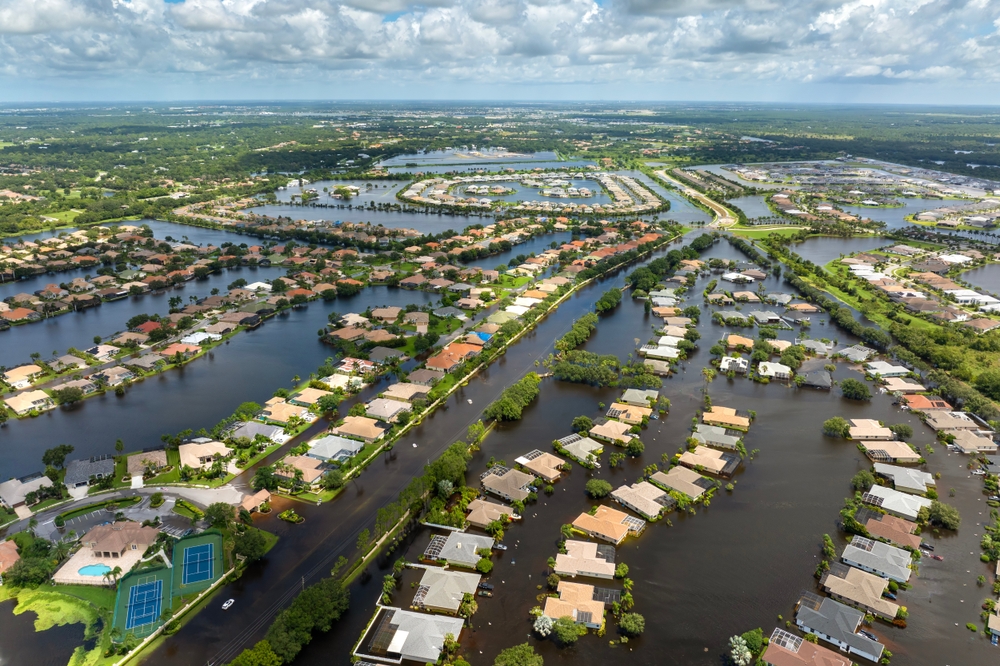
New Orleans is much more than a spot on a map. It is defined by neighborhood gatherings, shared meals, and deep family history. Telling people to leave a place with that much soul is a heartbreaking ask. Wanyun Shao, who helped write the recent coastal study, recognizes this heavy burden. “I know it’s a politically and emotionally charged issue, there are people with a deep attachment to New Orleans,” Shao shared. “But managed retreat, no matter how unappealing it may be, is the ultimate solution at some point.”
But how does an entire city actually pack up and move? A successful relocation does not mean buses pulling up overnight. Instead, a feasible plan involves a slow, deliberate shift over several decades. This process requires state and federal buyout programs that offer homeowners fair compensation for their at-risk properties. It also demands building new, affordable housing in nearby areas on higher ground, allowing communities to relocate together without losing their neighbors.
By spreading this transition over 20 or 30 years, families will not go bankrupt trying to escape rising floodwaters. Jesse Keenan, a climate adaptation expert at Tulane University, stresses that planning today guarantees the “humane treatment of people that are otherwise going to find themselves in a very difficult situation in the decades to come.” A well-funded, step-by-step strategy means residents can choose exactly when and how they leave, rather than fleeing in a panic during the next massive hurricane.
Coastal Homeowners Can’t Afford to Leave
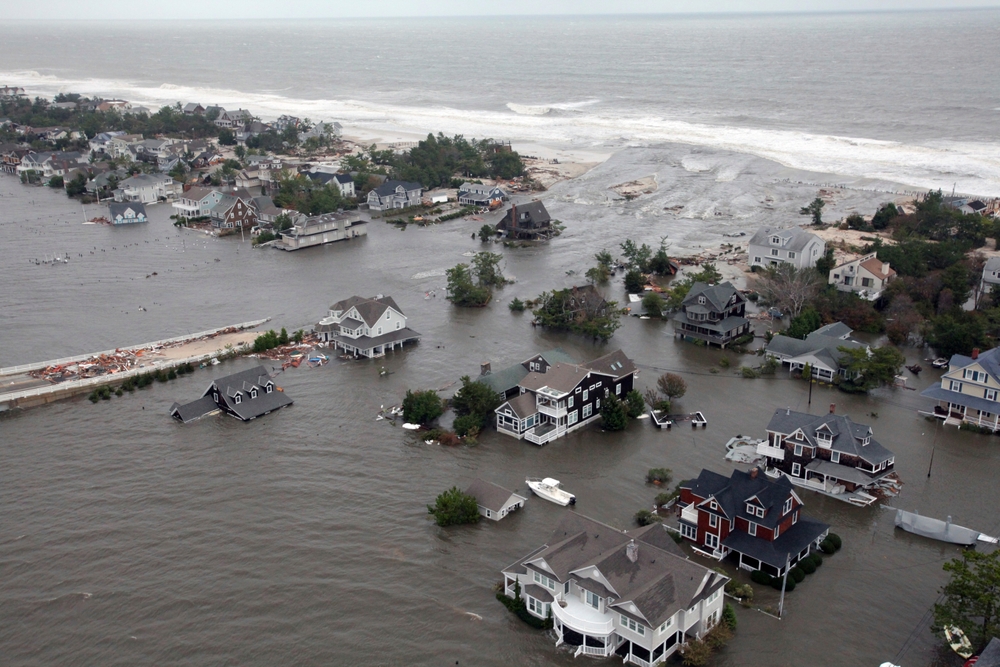
Long before the floodwaters reach a living room, rising seas hit families right in their wallets. Home insurance in vulnerable coastal areas is becoming too expensive for a normal family budget. In many cases, insurance companies are simply packing up and leaving town altogether. When you cannot insure a house, it becomes nearly impossible to sell.
This creates a terrible trap. Many people might want to move to higher ground but are stuck. They cannot sell their current homes for enough money to start over somewhere new. Families should not have to face financial disaster just because the land under their feet is sinking.
This is where government leaders need to step in and change how disaster money is spent. Right now, a massive amount of tax money goes toward fixing the same flooded houses and roads after every big storm. Instead of paying to rebuild in a danger zone, those funds could go directly to homeowners through buyout programs.
If agencies buy these at-risk homes at a fair price, families finally have the cash they need to secure a house in a safer neighborhood. Helping communities move is definitely expensive. But constantly trying to repair a flooded city costs even more.
Giving Families a Real Choice Before the Waters Rise
The reality facing New Orleans is difficult to accept, but ignoring the changing environment will not make the rising water stop. The Gulf of Mexico is reclaiming the coast, and the land beneath the city is slowly giving way. While levees and pumps have provided a temporary shield, they are no match for the long-term changes happening to the oceans. Acknowledging this truth is the only way to protect the people who call this unique region home.
Moving away from a place with such deep cultural roots is a massive challenge that requires compassion and careful planning. It is not about abandoning a community overnight. Instead, it is about giving families the time and financial resources they need to make a safe transition. Fair buyout programs and affordable housing in less risky areas can give residents a real choice in their future, rather than leaving them trapped by falling property values and skyrocketing insurance costs.
A managed retreat is undeniably complex and heartbreaking. However, having these tough conversations today ensures that the spirit of New Orleans can survive even if its physical location changes. By planning a coordinated move now, leaders can help communities stay together and keep their traditions alive on safer, higher ground. The time to start building that future is right now, before the next major storm makes the decision for everyone.
Source:
- Törnqvist, T. E., Castro, B., Keenan, J. M., Mehta, J. M., & Shen, Z. (2026). Climate-driven depopulation and adaptation realities in America’s coastal ground zero. Nature Sustainability. https://doi.org/10.1038/s41893-026-01820-z