
Your cart is currently empty!
New Research Upends 10,000-Step Rule for Older Adults

For years, fitness trackers have flashed that same number at millions of users. Hit 10,000 steps daily, or face the consequences. But what if that target has been wrong all along? What if older adults could gain life-saving benefits with far less effort?
Contents
show
New research from Harvard University suggests something that might sound too good to be true. Walking just 4,000 steps one or two days per week can slash the risk of premature death by more than a quarter. Even better, you don’t need to maintain that pace every single day to see results.
Published in the British Journal of Sports Medicine, the study challenges decades of conventional wisdom about physical activity requirements for aging populations. Results could reshape how doctors advise their older patients about exercise.
Tracking More Than 13,000 Women Over a Decade
Researchers from Harvard University and Brigham and Women’s Hospital in Boston designed a large prospective cohort study to answer questions that previous guidelines couldn’t address. How many steps do older adults actually need? How often must they reach those targets?
Scientists recruited 13,547 American women over age 62 for the study. The average age at enrollment stood at 72 years. Each participant wore an ActiGraph GT3X+ accelerometer, a medical-grade activity tracker, for seven consecutive days between 2011 and 2015.
All women entered the study free from cardiovascular disease and cancer. Researchers then followed them for nearly 11 years, tracking health outcomes through the end of 2024. During that monitoring period, 1,765 women died and 781 developed cardiovascular disease.
Scientists classified participants by how many days per week they achieved various step thresholds. Categories included 4,000, 5,000, 6,000, and 7,000 steps per day. Cox proportional hazards regression models estimated risk reductions while adjusting for lifestyle behaviors and existing health conditions.
Numbers Tell a Striking Story
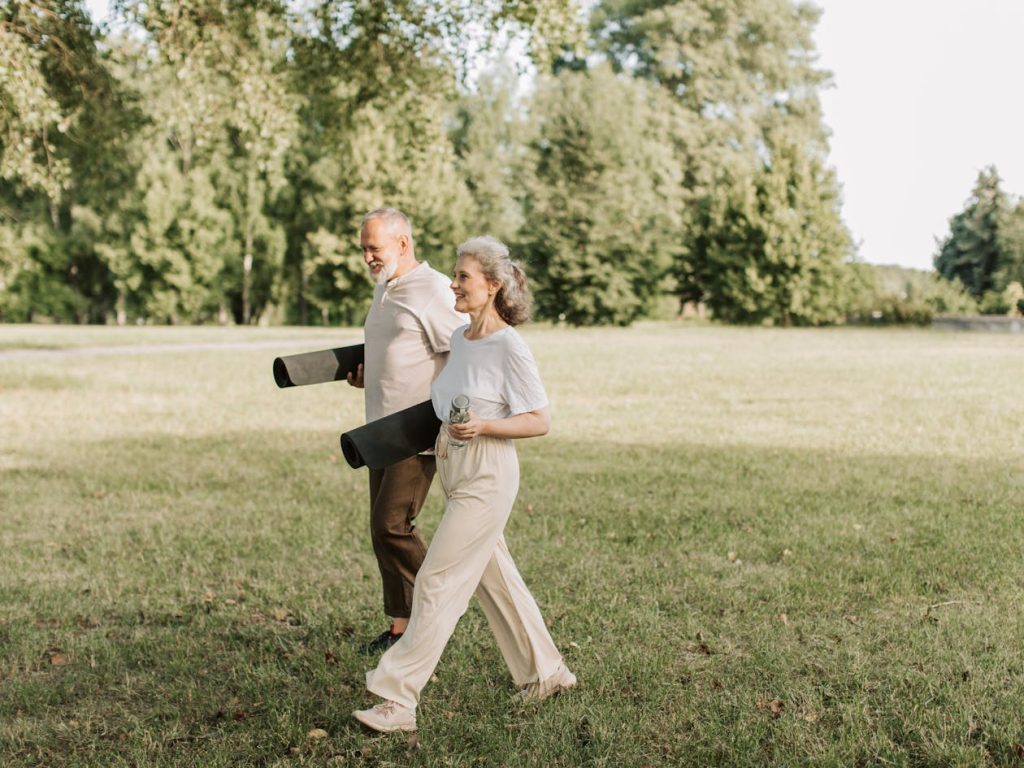
Women who managed at least 4,000 steps on just one or two days weekly experienced a 26% lower risk of death from all causes compared to women who never reached that threshold. Heart disease risk dropped 27% for the same group.
Bumping that frequency up to three or more days per week pushed death risk reduction even higher. Women in that category saw mortality risk plunge 40%, though cardiovascular disease risk remained at the same 27% reduction.
Higher step counts brought additional benefits, but with diminishing returns. Women averaging 7,000 daily steps reduced death risk by 32% and heart disease risk by 16%. While better than lower counts, the gains didn’t match the dramatic jump from zero days to one or two days weekly at the 4,000-step level.
The average daily steps across all participants measured 5,615. Many women fell well short of the long-promoted 10,000-step target, yet still reaped measurable health benefits.
Volume Trumps Frequency
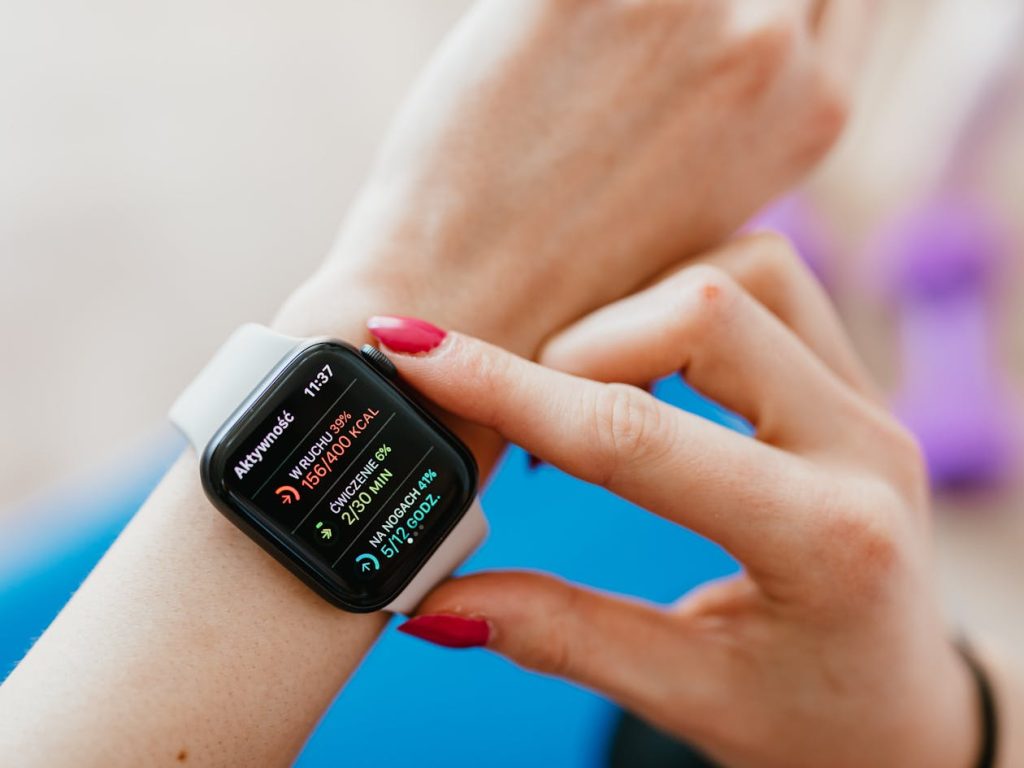
Perhaps the most important finding hides in the statistical adjustments. When researchers controlled for average daily steps, previously observed associations between frequency and health outcomes weakened to nearly nothing.
What does that mean in plain terms? Total step volume drives the protective effect, not how many days someone reaches a specific target. A woman who walks 12,000 steps one day and rests the next six gets similar benefits to someone who spreads those same 12,000 steps across the entire week.
“An important translational implication of these findings is that since step volume is the important driver of the inverse associations, there is no ‘better’ or ‘best’ pattern to take steps,” researchers wrote. “Individuals can undertake physical activity in any preferred pattern for lower mortality and CVD risk, at least among older women.”
Bunched walking patterns work just as well as steady daily habits. Someone who tackles all their weekly steps on weekends can expect the same health payoff as someone who walks smaller amounts every single day. For busy caregivers, part-time workers, or people managing chronic pain, that flexibility matters.
Challenging the 10,000-Step Orthodoxy

Where did that ubiquitous 10,000-step recommendation come from anyway? Turns out, a Japanese pedometer company coined the term in the 1960s for marketing purposes. Scientific backing came later, but recent research keeps chipping away at that number.
Current findings suggest 4,000 steps deliver meaningful health benefits for older adults. That represents less than half the widely promoted target. For someone with limited mobility, arthritis, or balance concerns, 4,000 feels infinitely more achievable than 10,000.
Older adults who struggle to maintain the step counts they reached in their 60s now have data showing they can relax a bit. Missing a few days won’t erase progress. Lower targets still protect against premature death and cardiovascular disease.
Research from Brigham and Women’s Hospital provides ammunition for doctors counseling older patients who feel defeated by conventional activity guidelines. A more flexible, forgiving approach might actually boost adherence.
Acknowledging What the Study Cannot Tell Us

Before tossing out all previous exercise advice, some caveats deserve attention. Scientists conducted an observational study, which cannot prove cause and effect. Women who walked more might have been healthier to start with, though researchers did adjust for known health conditions and lifestyle factors.
Physical activity measurements spanned just one week. Behavior might have varied over longer periods, but researchers lacked that data. No information about dietary patterns entered the analysis either. Diet plays a major role in cardiovascular health, independent of exercise.
Most importantly, the study included only women over 62. Results might not apply directly to men or younger adults. Male physiology differs in ways that could affect how walking impacts mortality risk. Younger people face different baseline health risks entirely.
Researchers acknowledged these limitations in their paper. Future studies should include men, younger participants, longer activity monitoring periods, and dietary data to paint a fuller picture.
Making Walking Work in Real Life
Dr. Tara Narula, ABC News’ chief medical correspondent, offered practical strategies for building walking into daily routines during a Good Morning America appearance after the study’s release.
“It’s really about building it into your daily lifestyle and you have to be mindful of it,” Narula explained. “For example, getting off the bus a stop early and walking, parking your car a little further away, maybe just walking instead of using transportation like buses or cars, taking the stairs.”
Office workers can schedule walking breaks during lunch. Even 10 minutes helps. Phone meetings provide perfect opportunities for walking conversations around the block. Making activity social increases adherence rates.
Walking groups exist in most communities. Members keep each other accountable while turning exercise into social time. Music playlists can boost motivation and make time pass faster. Pet ownership, particularly dogs, creates built-in walking obligations that benefit both owner and animal.
Step tracking devices serve a purpose beyond data collection. Seeing numbers accumulate throughout the day focuses attention and creates accountability. Many users find the feedback loop motivating, even addictive.
“If you have an office, get up and walk during lunch for 10 minutes, have your meetings on the phone and walk around the block,” Narula added. “And then make it social. Make it fun. There are walking groups you can find, and then music, a good playlist can help. Getting a pet, a dog, can be a great way to do it, and then buying something that is tracking your steps, because it makes you accountable and makes you focus on it.”
Small changes compound over time. Someone who parks at the far end of the lot, takes stairs instead of elevators, and walks to nearby errands might hit 4,000 steps without dedicated exercise time.
Shaping Tomorrow’s Guidelines

Current US Physical Activity Guidelines omit step count recommendations entirely. Next edition arrives in 2028, and researchers behind the study hope their findings influence that update.
“These findings provide additional evidence for considering including step metrics in the next physical activity guidelines, and that ‘bunching’ steps is a viable option for health,” scientists concluded.
Including specific step counts in official guidelines would give both doctors and patients concrete targets. Vague recommendations to “stay active” leave too much room for interpretation. Numbers create clarity.
Recognition that bunched patterns work as well as daily consistency could remove psychological barriers for many older adults. Someone who can only manage weekend walks shouldn’t feel like a failure. Data now supports their approach.
Public health officials face a balancing act. Guidelines must challenge people to improve while remaining achievable enough to encourage participation. Setting the bar too high discourages effort. Findings suggest a lower, more flexible target might actually improve population health outcomes by boosting participation rates.
Freedom to Move Your Way
Bottom line for older adults feels liberating. Walk when you can, however you can. Spread steps throughout the week or bunch them together. Both patterns deliver health benefits that extend life and protect the heart.
Perfect consistency isn’t required. Missing several days won’t erase progress. Even one good walking day per week provides measurable protection against premature death.
For people managing chronic conditions, caring for family members, or dealing with unpredictable schedules, that flexibility removes a major barrier. Guilt about missing daily targets disappears when science says intermittent effort works just as well.
Modern fitness culture often promotes all-or-nothing thinking. Either hit your targets daily or quit trying. Research from Harvard tells a different story. Some movement, even intermittent, beats no movement at all.
Older adults can stop chasing 10,000 daily steps. For many, 4,000 represents a realistic target that still cuts death risk by double digits. How those steps accumulate throughout the week matters far less than getting them done at all.